There is no honest way to describe summer in Upper Egypt as mild. Between June and September, Luxor and Aswan routinely sit above forty degrees in the afternoon, and the stone holds the heat long after the sun has gone.
What is also true: the sites are close to empty, the prices are the lowest of the year, and thousands of people have a very good trip in August. Both things are true at once.
What it actually feels like
It is dry heat, which is easier to be in than humid heat at the same number — you do not feel soaked. That is also the danger, because sweat evaporates before you notice it and dehydration arrives without the usual warning.
The Valley of the Kings is the extreme case. It is a stone bowl with no shade that stores heat all day, and the tombs themselves become airless by late morning. Visiting it at noon in August is genuinely unpleasant and mildly unsafe.
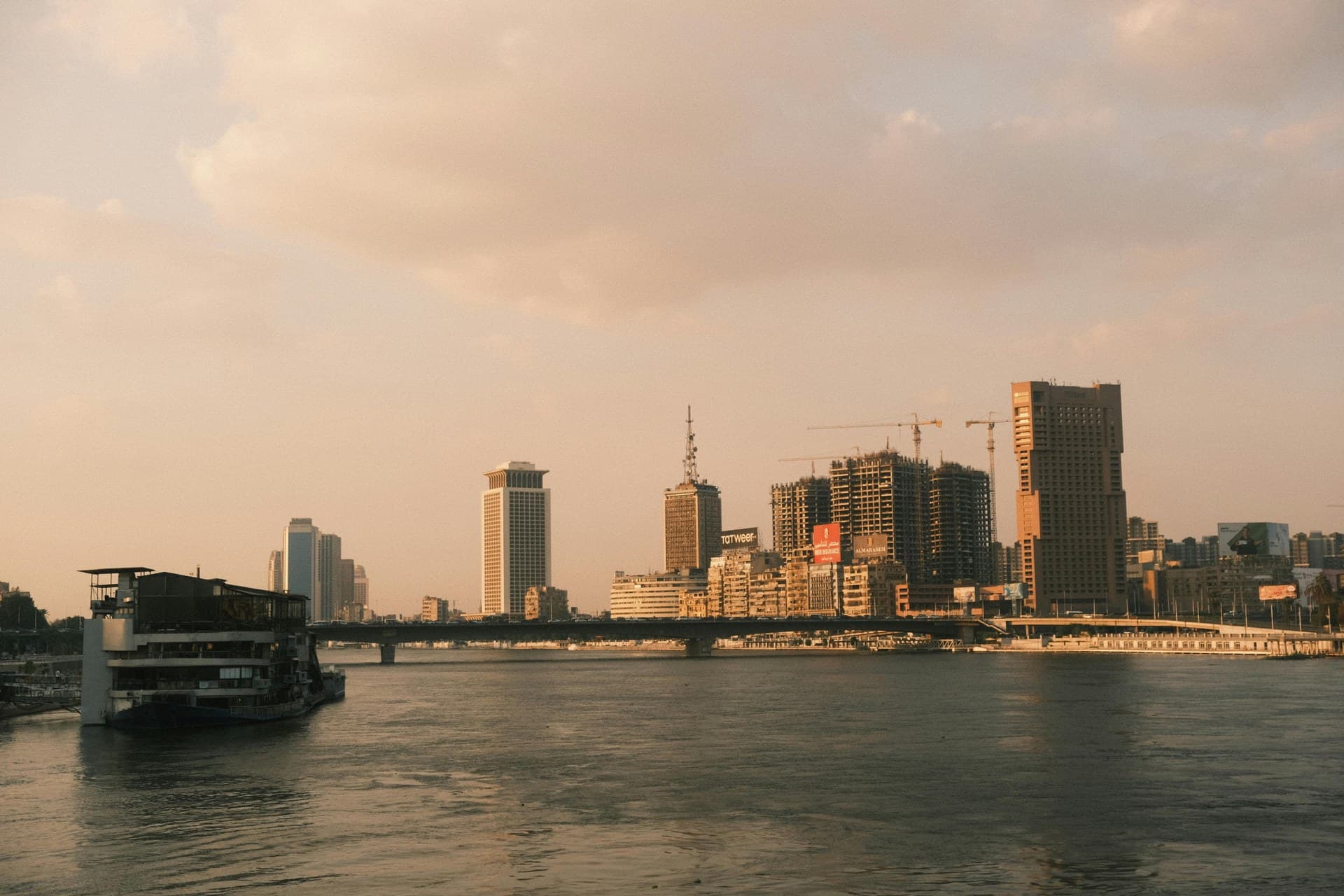
Cairo is several degrees cooler than Luxor and has more shade, more buildings and more air conditioning. The Giza plateau is still exposed, but the city itself is manageable.
How to restructure the day
- Be at the site gate when it opens. Not an hour after — at opening.
- Everything important happens before ten. Treat the rest of the morning as a bonus.
- Middle of the day indoors: hotel, pool, or an air-conditioned museum such as the Grand Egyptian Museum.
- Second outing after five. Luxor Temple after dark is one of the best evening visits in Egypt and summer is when that matters most.
- Accept that you will do one site a day rather than three, and plan the trip length accordingly.
What summer is good for
Emptiness. Standing alone in the Hypostyle Hall at Karnak is an experience that simply is not available in January, and in August it is ordinary.
Price. Low season pricing applies across flights, hotels and cruises, and the difference is substantial.
The Red Sea, which is the one region that arguably improves. Water temperatures are at their warmest, visibility is good, and Ras Mohammed and the reefs are as good as they get. A summer trip weighted towards the coast rather than the temples is a sound plan rather than a compromise.
Balloon flights, which are more reliable in summer than in winter because the wind cancellations are fewer.
Practical rules
- More water than you believe, and start drinking before you are thirsty. Add salt or electrolytes if you are sweating for hours.
- Loose, long, light-coloured clothing beats less clothing. See what to wear in Egypt.
- A wide hat does more than sunscreen, and both are needed.
- Do not plan the desert. The White Desert and Siwa are winter destinations and summer trips there are a bad idea.
- Watch children and older travellers closely. Heat exhaustion presents as irritability and tiredness long before anything more obvious.
Should you come in summer?
If the dates are fixed and summer is what you have, come. Invert the day and the trip works.
If the dates are flexible, October to April is materially more comfortable, and when to visit Egypt sets out the months properly.
If your priority is the Red Sea rather than the temples, summer is a reasonable first choice rather than a fallback.