Travel Blog
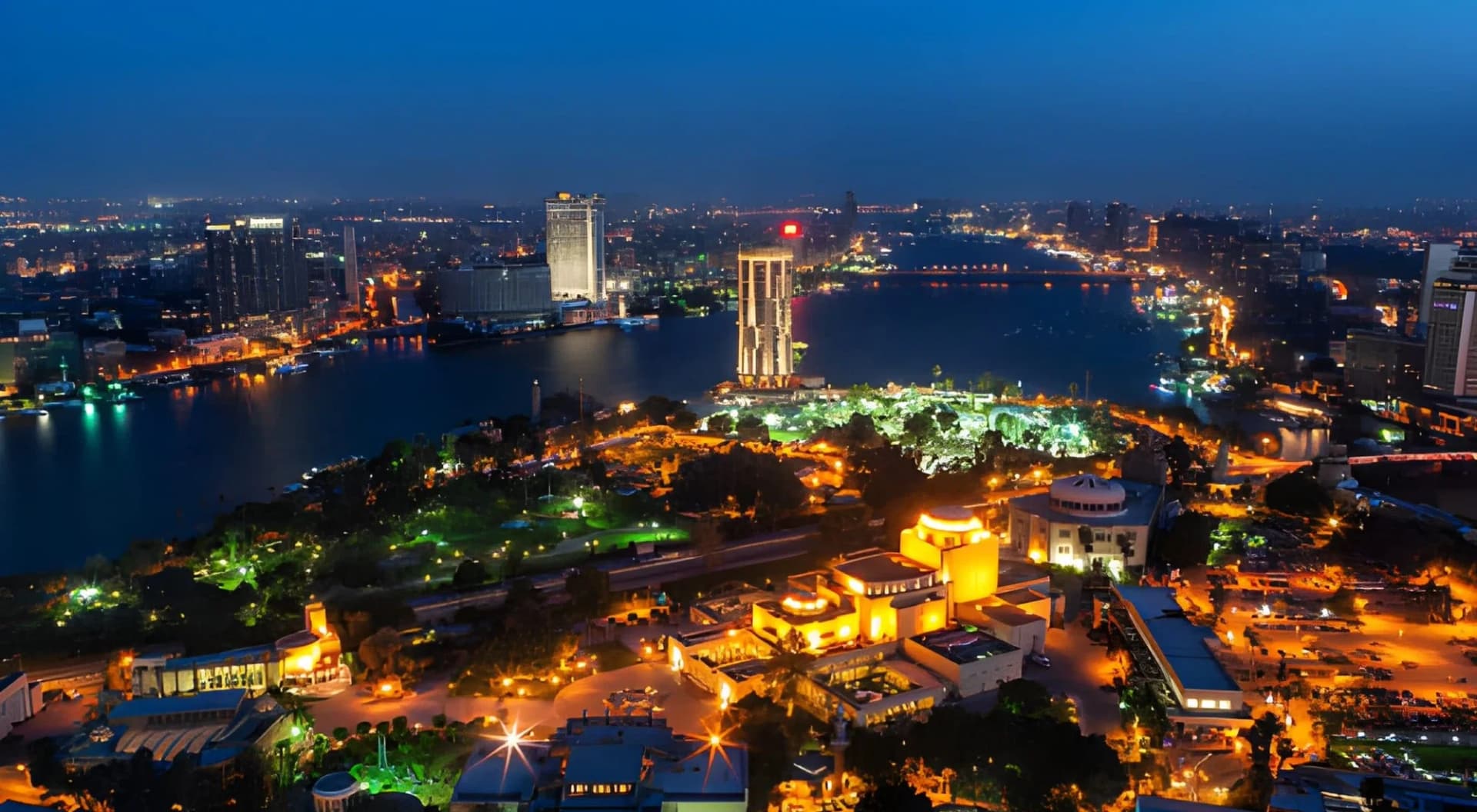
Sharm El-Sheikh After Dark: Naama Bay, Old Market And Evening Shows
Sharm El-Sheikh after dark offers vibrant nightlife in Naama Bay with open-air cafés, bars, and live music. The Old Market provides a traditional Egyptian shopping and dining experience, while evening shows include Tanoura dance, folklore, and international acts. Read More…
Browse by category
All Articles
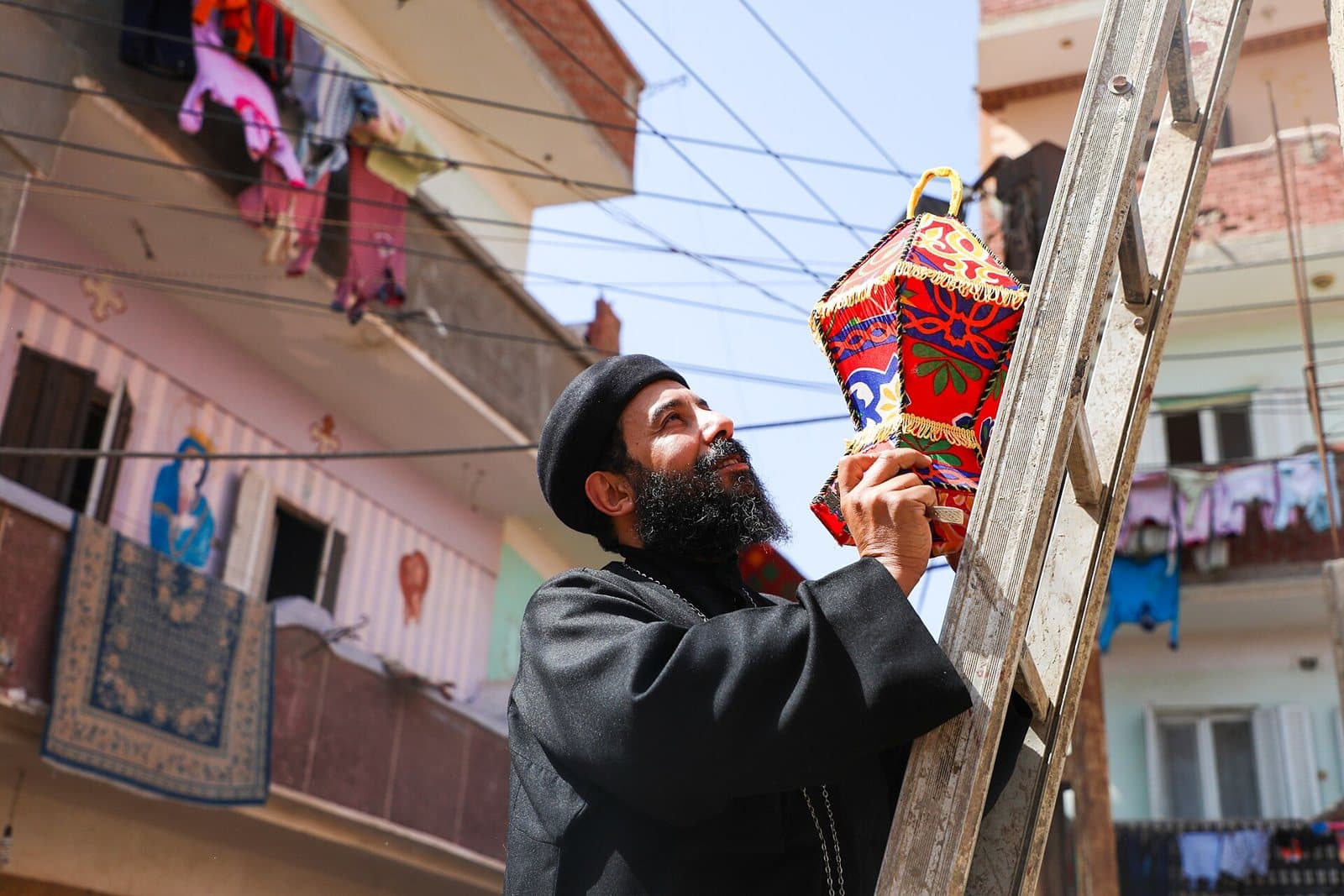
Ramadan in Egypt: What Travelers Should Know
Ramadan 2027 should begin around 8 to 9 February. Egypt stays open to visitors, but daytime life and site opening hours change. Here is what moves, with the official hours.
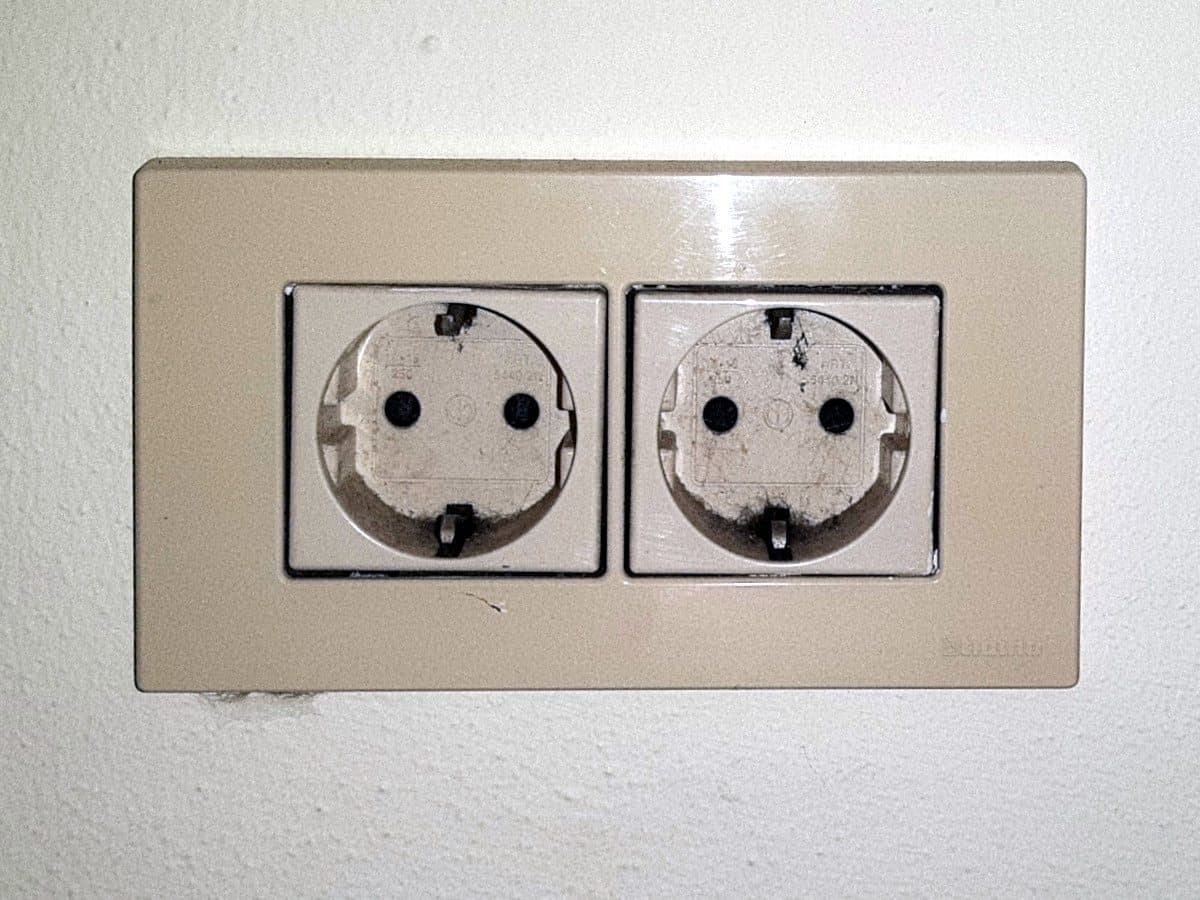
SIM Cards, Wi-Fi and Power Plugs in Egypt
A local SIM needs your passport, a travel eSIM usually does not, and Egypt uses type C and F plugs at 220 volts. Here is what to sort out before you land.
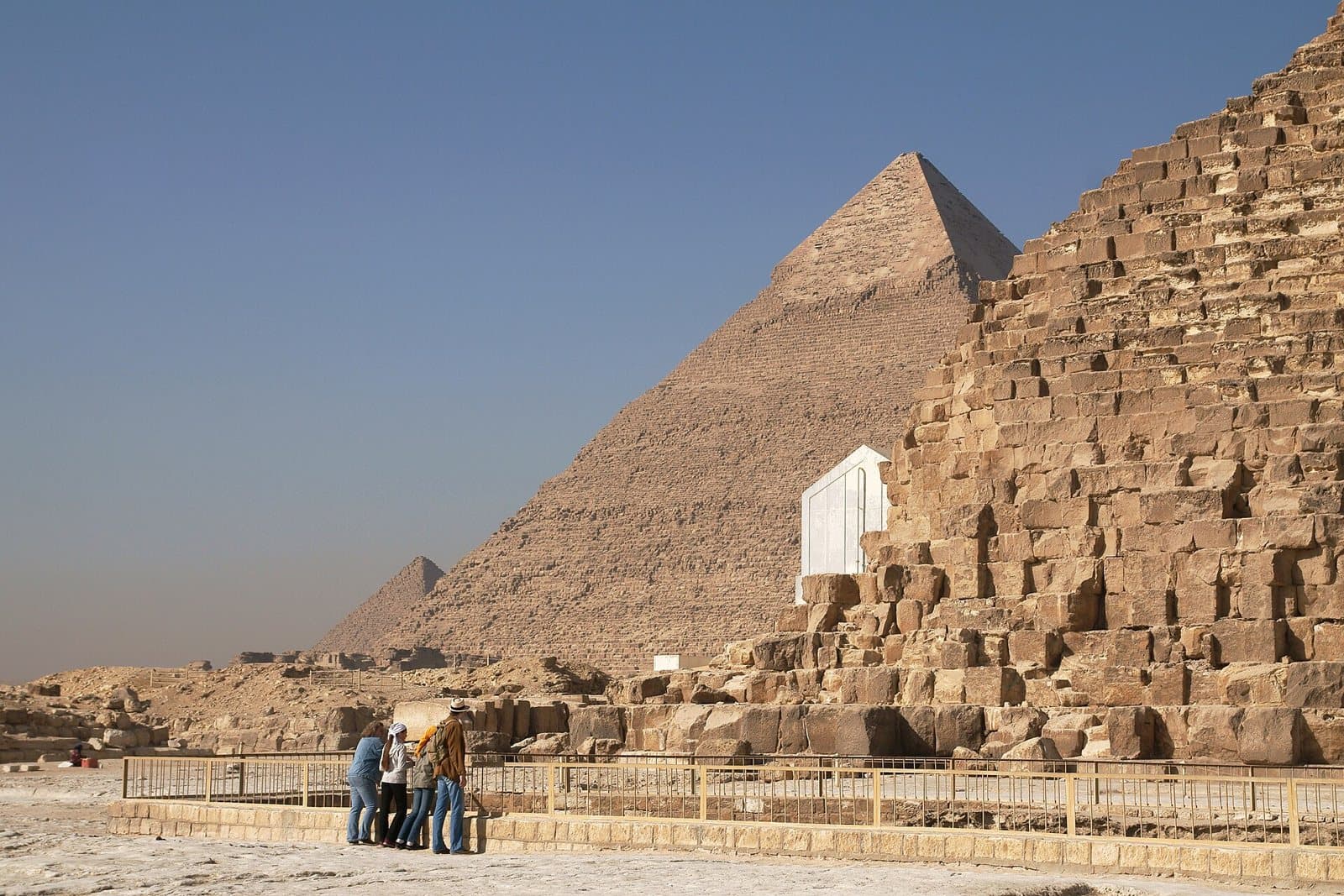
Travel Insurance and Health for Egypt: What to Sort Out Before You Go
CDC recommends hepatitis A and typhoid vaccines for most travelers to Egypt and no yellow fever vaccine. Here is what to check, how to avoid stomach trouble and what to ask your insurer.
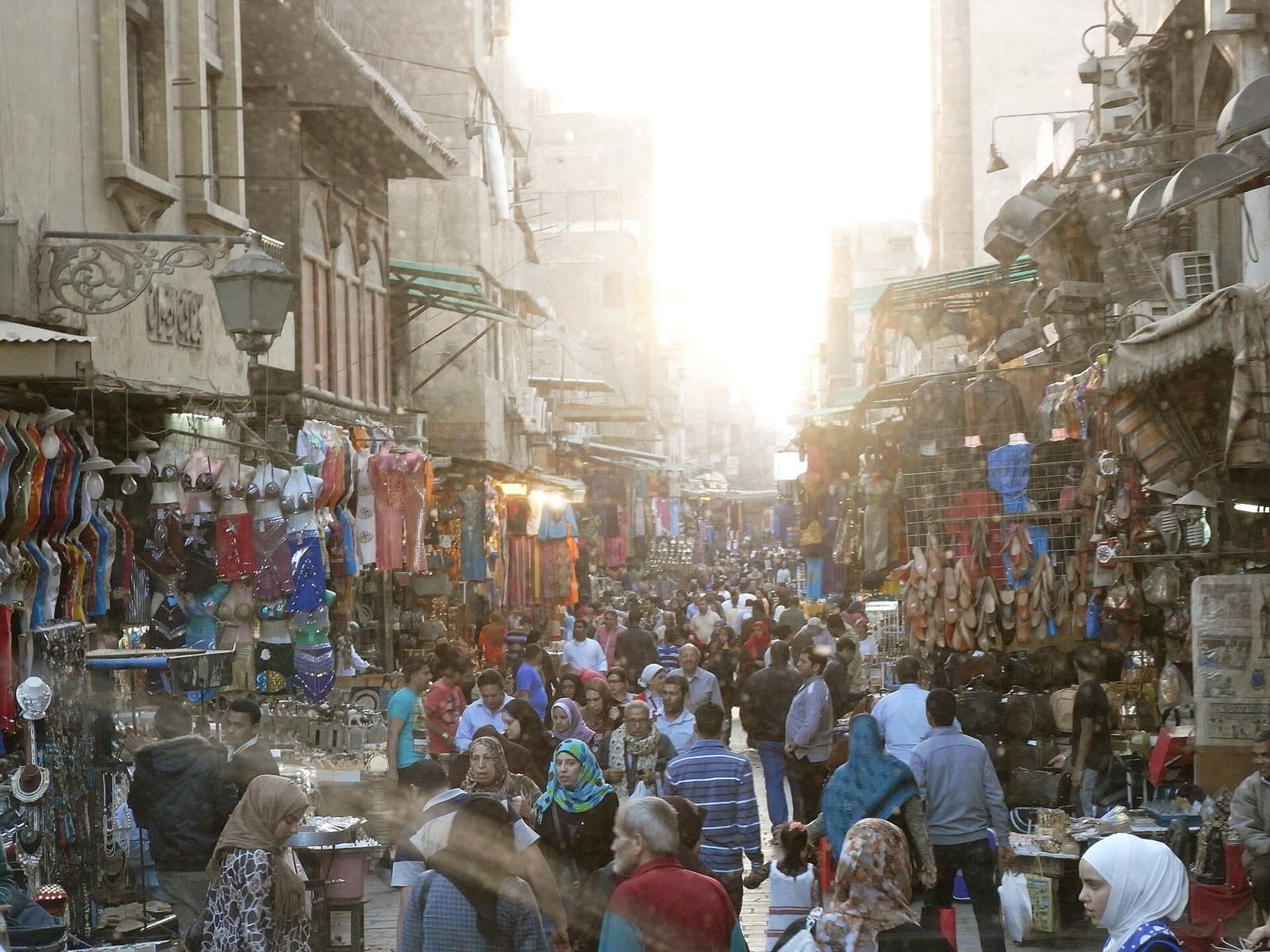
Money in Egypt: Cash, Cards and ATMs
Cards work in hotels, malls and larger restaurants, and cash is needed for taxis, markets, tips and smaller shops. How to handle money in Egypt without losing it to fees or rates.

Early-Morning Snorkeling In Dahab: Calm Water At The Lighthouse Reef
Early-morning snorkeling at Dahab's Lighthouse Reef offers calm water, optimal visibility, and a diverse marine ecosystem just steps from the beach. The reef is easily accessible from Dahab's promenade, with equipment rental and guided tours available.
Egyptian Rugs And Kilims: Where They Are Woven And How To Choose
Egyptian rugs and kilims are woven in Fowa, Akhmim, and Sinai, with each area offering unique designs and motifs. Kilims are flat-woven and lightweight, while pile rugs are thicker and plush.
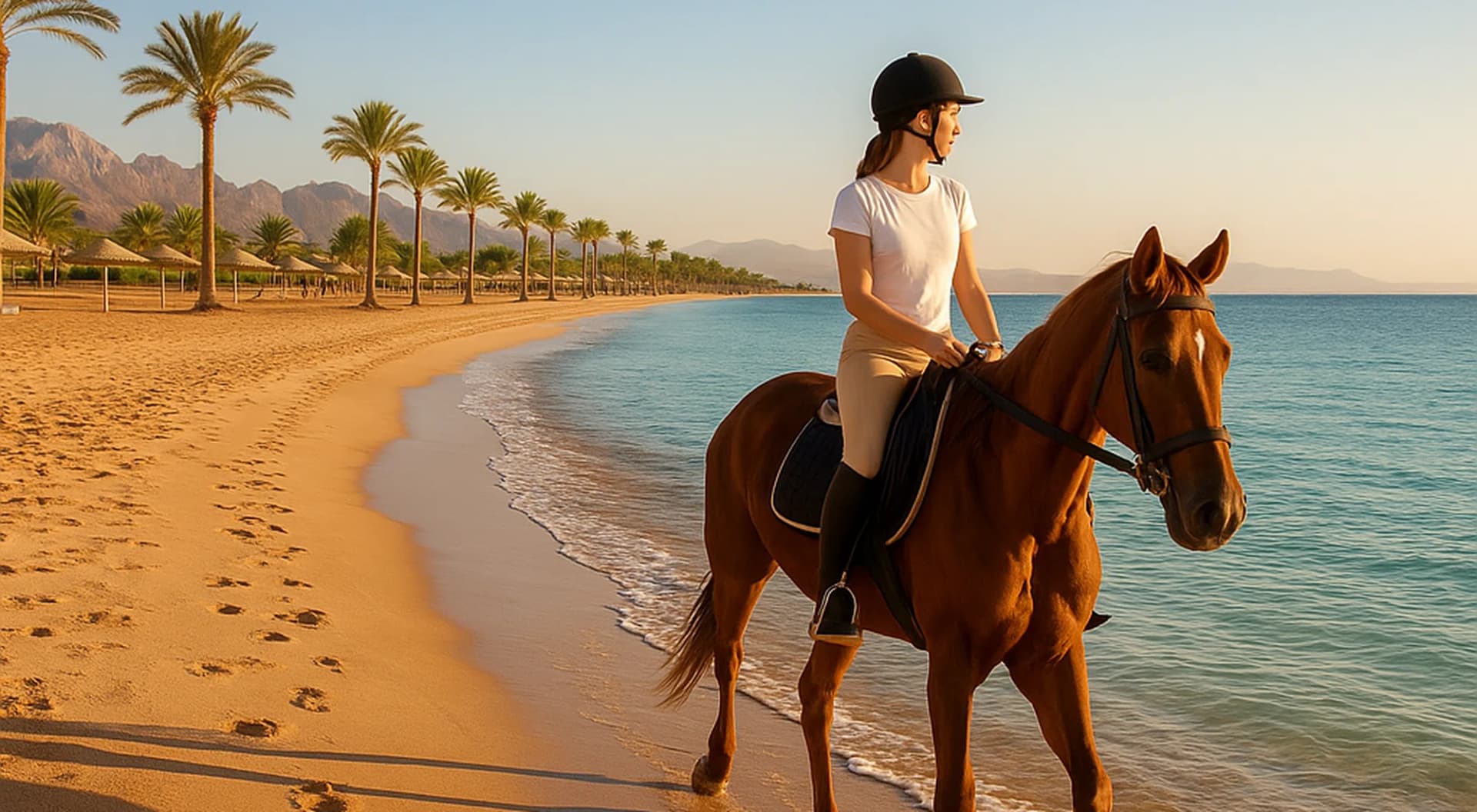
Horse Riding In Sinai: Desert Trails Around Dahab
Horse riding in Sinai near Dahab offers guided tours through canyons, oases, and along the Red Sea coast. Riders can enjoy varied terrain, cultural encounters with Bedouin hosts, and options for both short rides and multi-day treks. Night rides and stargazing are also available.
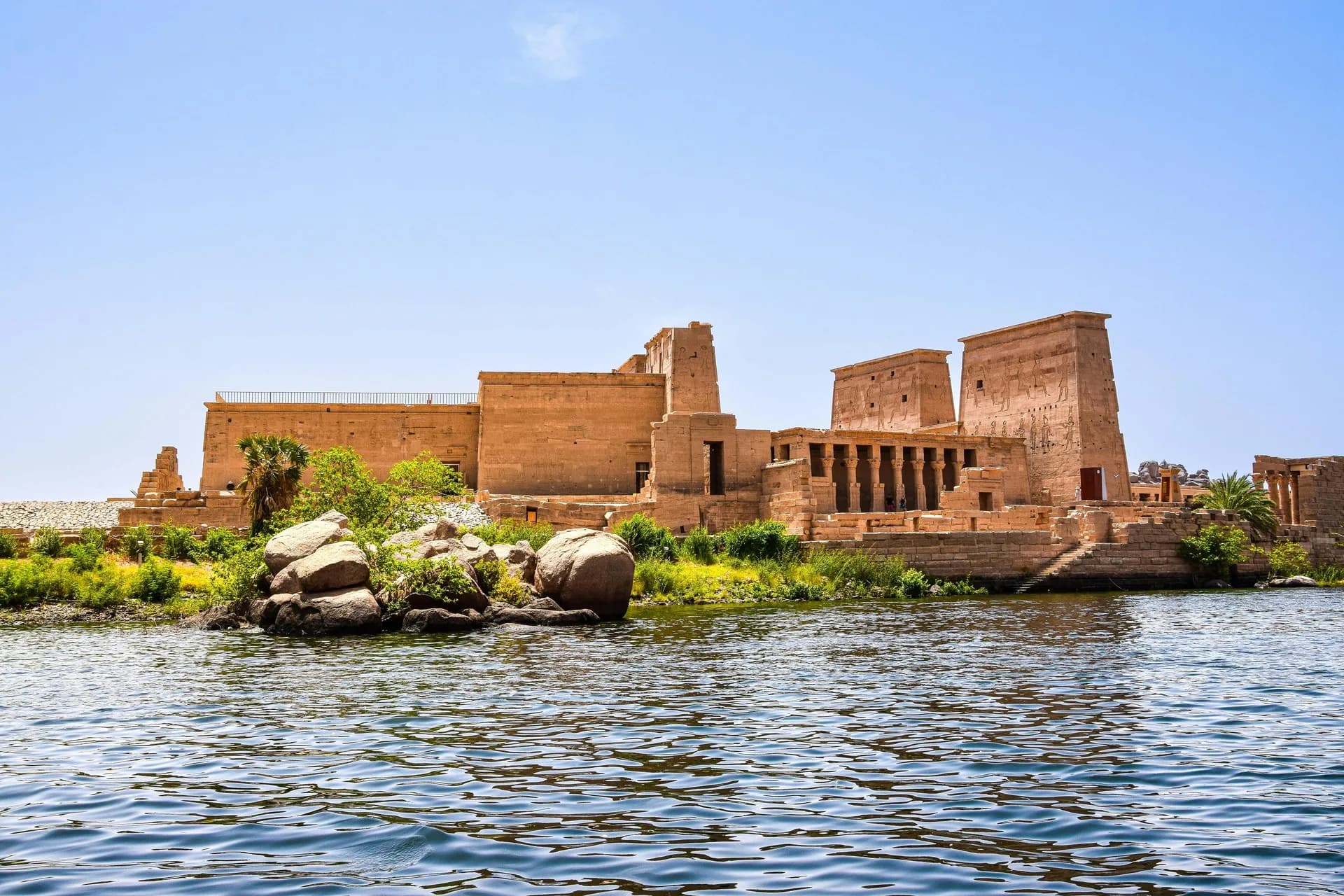
Staying On An Island In Aswan: Nile Views And Quiet Nights
Staying on an island in Aswan provides travelers with panoramic Nile views, gentle breezes, and a blend of Nubian culture and ancient history. Options like Elephantine and Kitchener’s islands offer peaceful stays, authentic hospitality, and proximity to archaeological sites.
Papyrus Making Today: Watching The Craft From Plant To Painting
Papyrus making remains a living tradition in Egypt, with demonstrations available in cities like Cairo, Luxor, and Aswan. Artisans use Cyperus papyrus and combine ancient methods with modern designs, creating artwork and calligraphy.
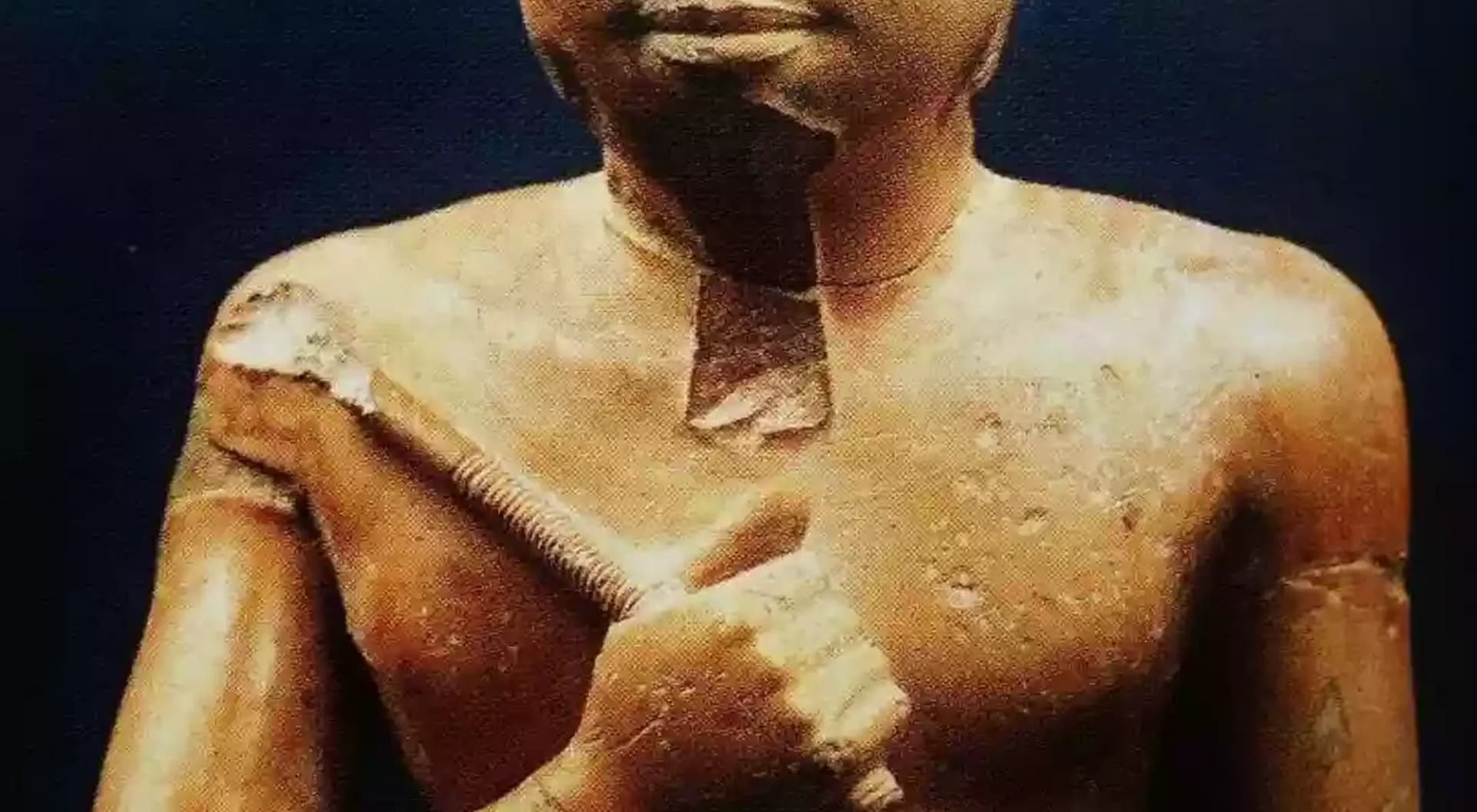
Magic And Amulets In Ancient Egypt: Protection In Daily Life
Magic and amulets played a central role in ancient Egyptian life, offering protection, healing, and good fortune. Egyptians used charms shaped as gods, animals, and symbols, crafted from materials like faience, gold, and semi-precious stones.
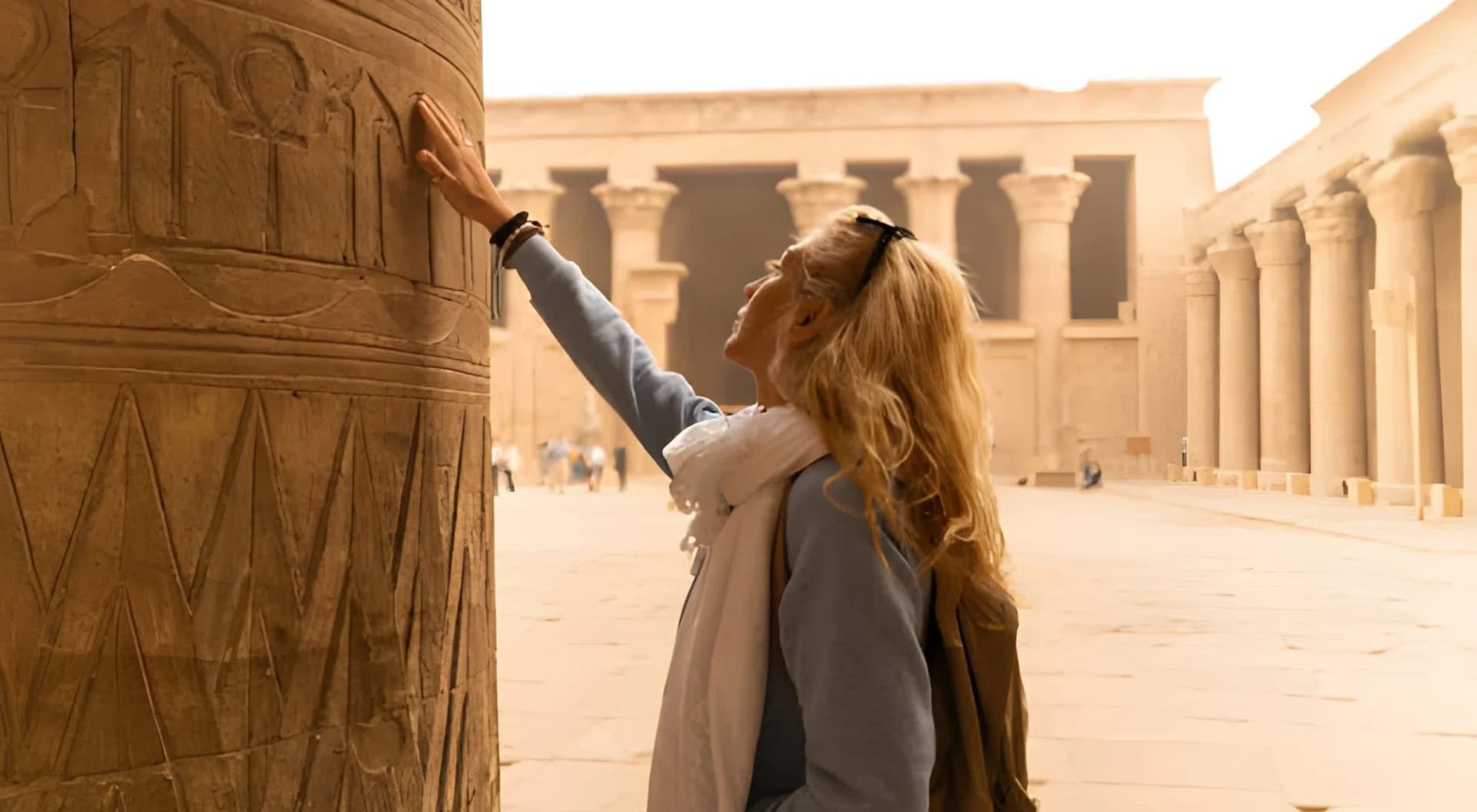
The Crowns Of Egypt: What The Red, White And Blue Crowns Meant
The crowns of ancient Egypt included the Red Crown for Lower Egypt, the White Crown for Upper Egypt, and the Blue Crown for military and ritual occasions. Pharaohs wore the Double Crown to signify the unification of Upper and Lower Egypt.
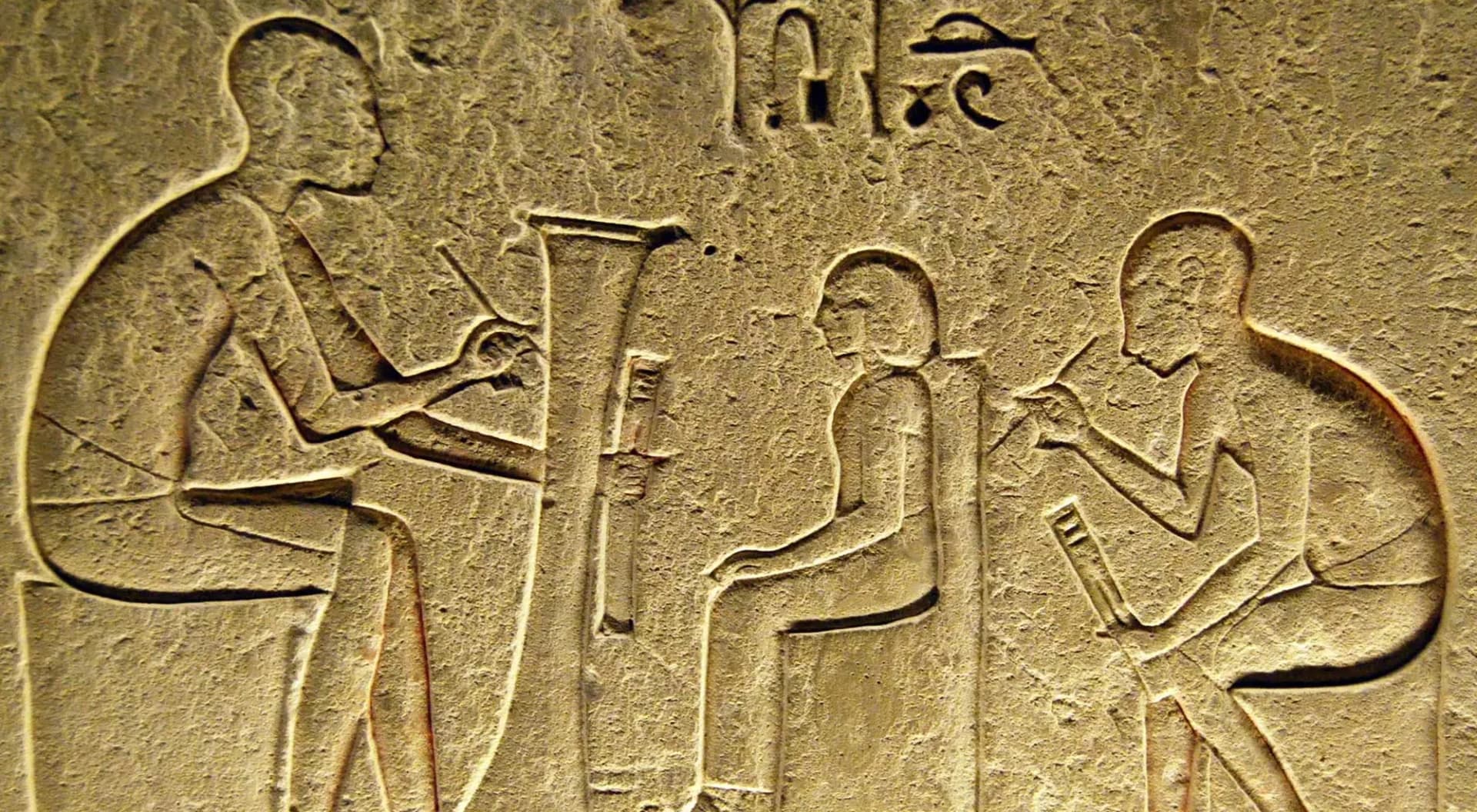
Banquets In Ancient Egypt: Food, Wine And Party Etiquette
Banquets in ancient Egypt played a central role in social and religious life, showcasing a variety of breads, meats, fruits, and wine. Guests observed elaborate etiquette, including specific seating, handwashing, and the use of perfumed cones.
Islamic Architecture In Cairo: Minarets, Domes And Mashrabiya
Islamic architecture in Cairo is defined by its minarets, domes, and mashrabiya screens, shaped by dynasties from the Fatimids to the Ottomans. The city’s mosques, palaces, and houses display unique blends of styles, especially in Historic Cairo, a UNESCO World Heritage Site since 1979.
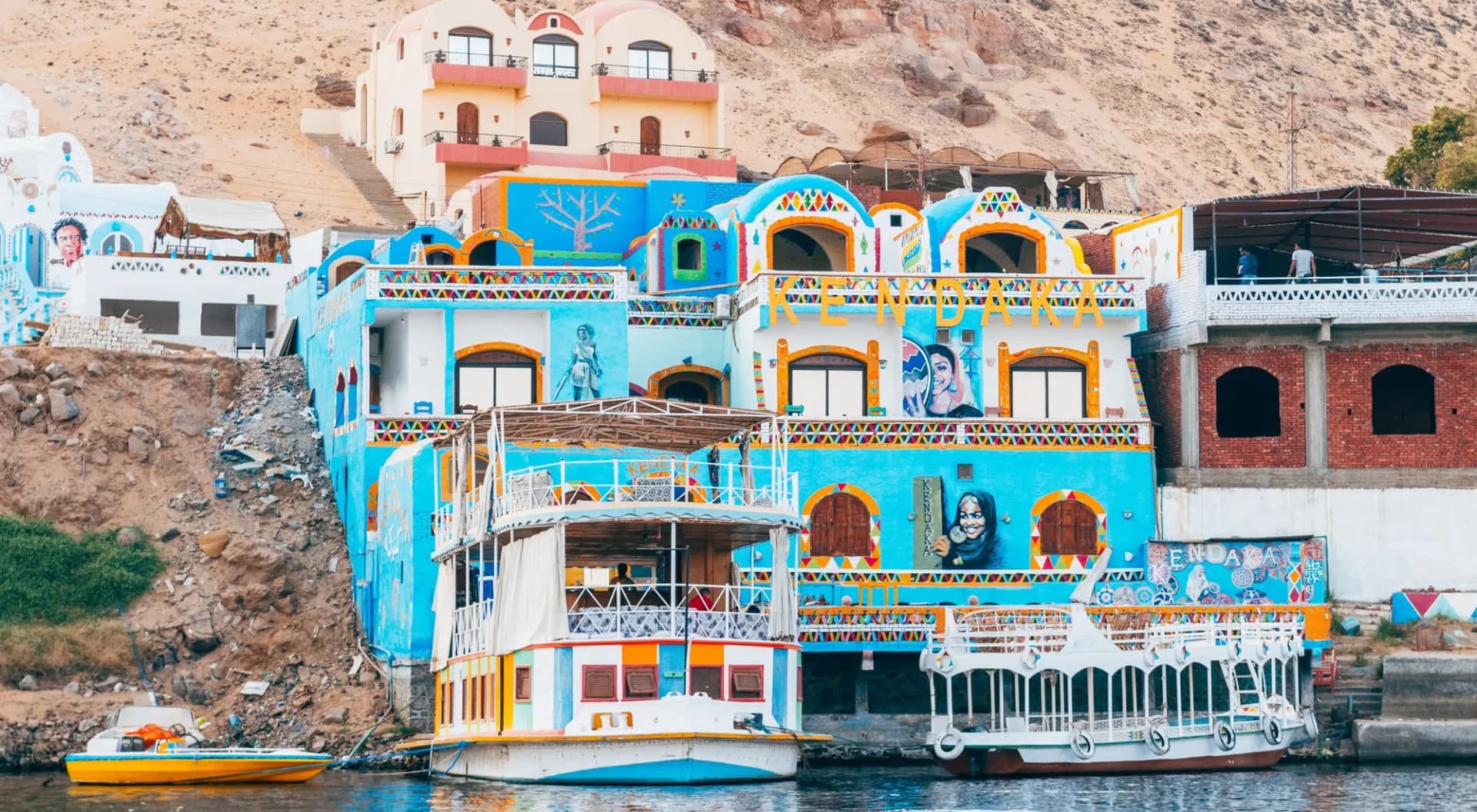
Sugarcane Harvest In Upper Egypt: Village Life Along The Nile
The sugarcane harvest in Upper Egypt is a key event from January to May, involving entire villages along the Nile in both work and celebration. Traditional hand-harvesting methods are still used, and visitors can witness local customs, music, and food during this season.
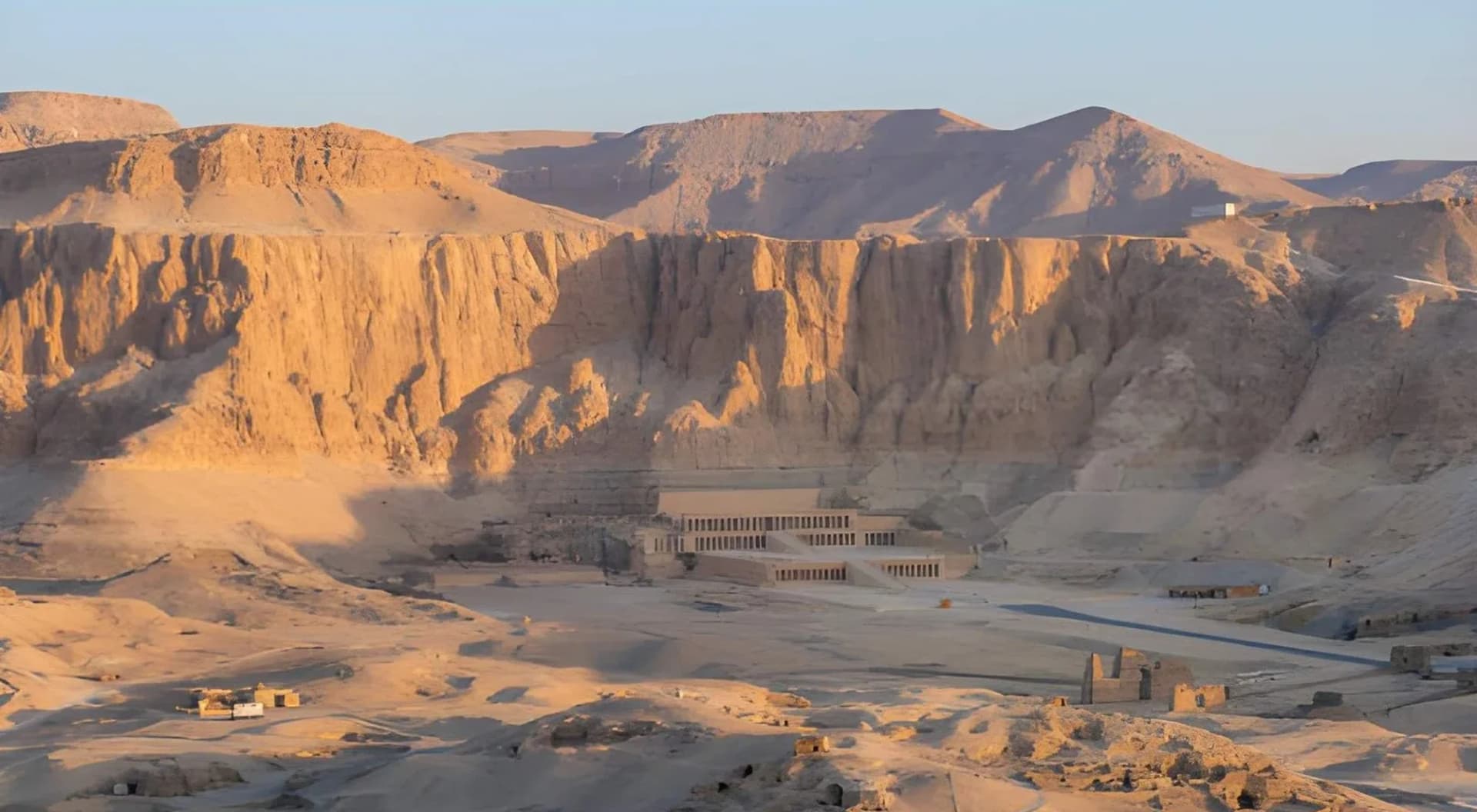
The Valley Of The Queens And Nefertari’s Tomb: Is The Extra Ticket Worth It?
The Valley of the Queens, located on Luxor’s west bank, served as the burial site for royal women of the New Kingdom. Nefertari’s Tomb, requiring a separate ticket, stands out for its vibrant colors, intricate reliefs, and remarkable preservation.
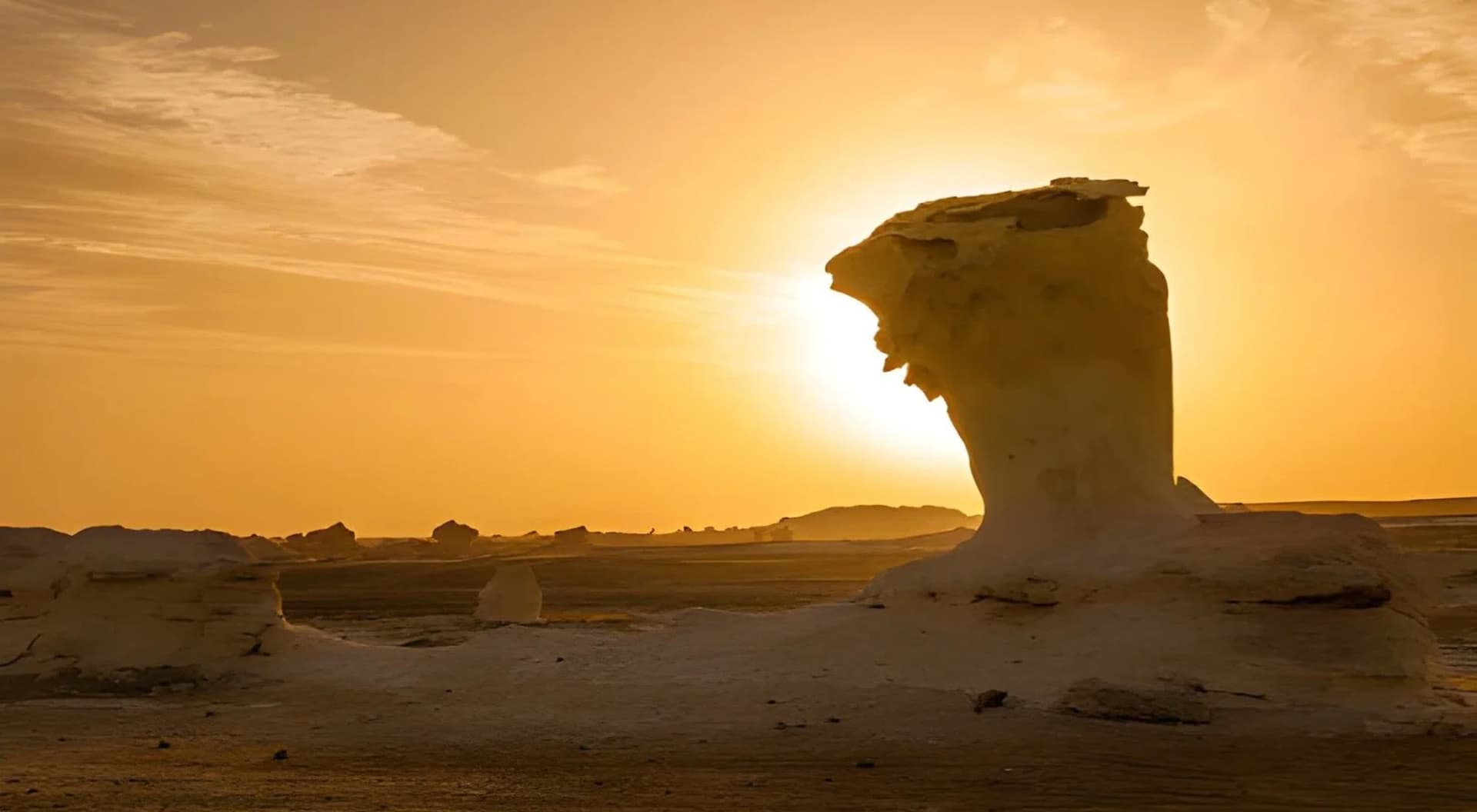
Siwa’s Shali Fortress And Old Town: A Walk Through Mud-Brick History
Siwa’s Shali Fortress and Old Town showcase centuries-old mud-brick architecture built from kershef, a unique mix of salt and mud. Located in the Siwa Oasis, this car-free area preserves Amazigh culture and traditions.
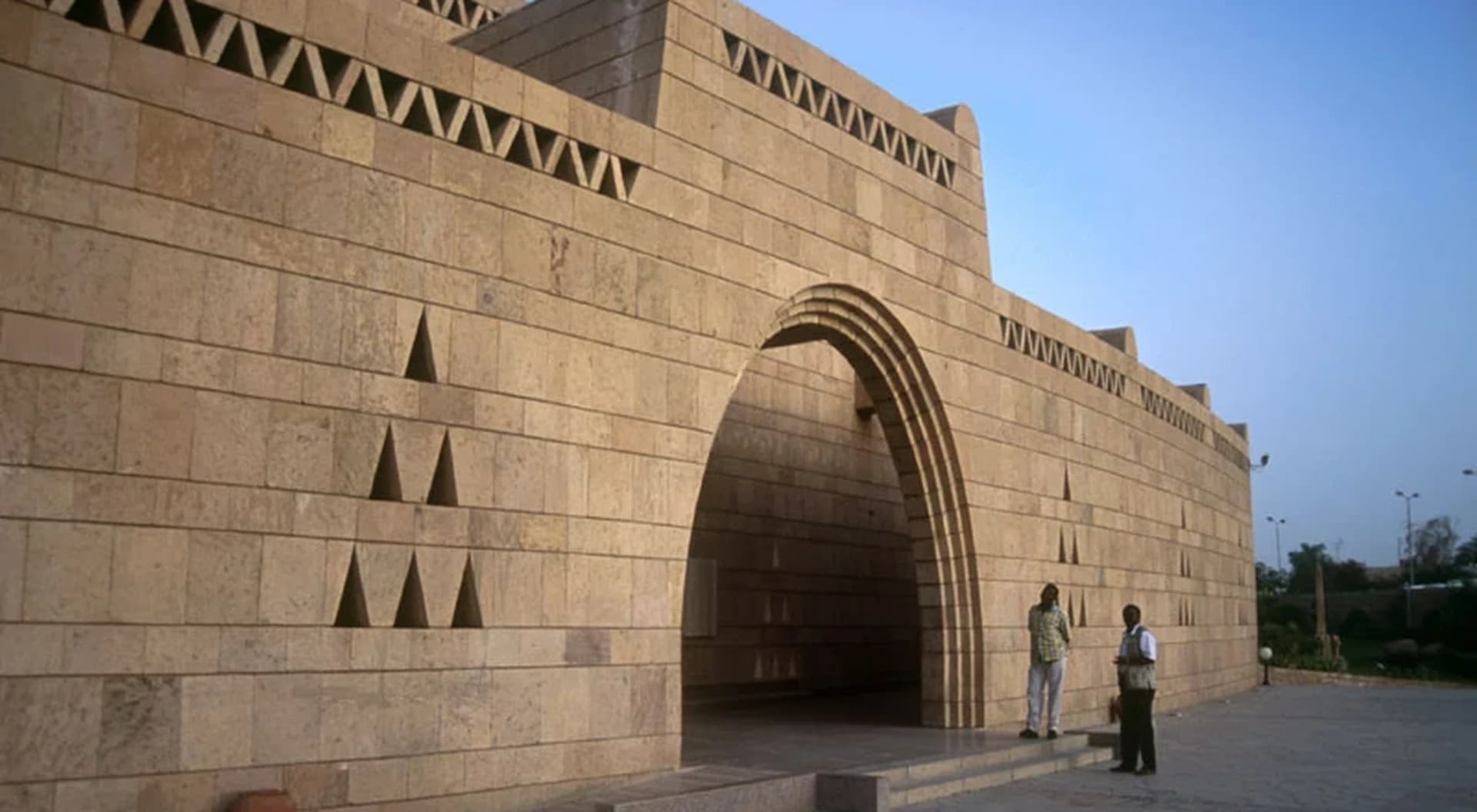
The Monastery Of St. Simeon In Aswan: Reaching It By Camel Or On Foot
The Monastery of St. Simeon in Aswan sits on the west bank of the Nile and can be reached by camel or by hiking after crossing the river by boat. The site dates back to the 7th century and features a large basilica, monks’ quarters, and defensive walls.
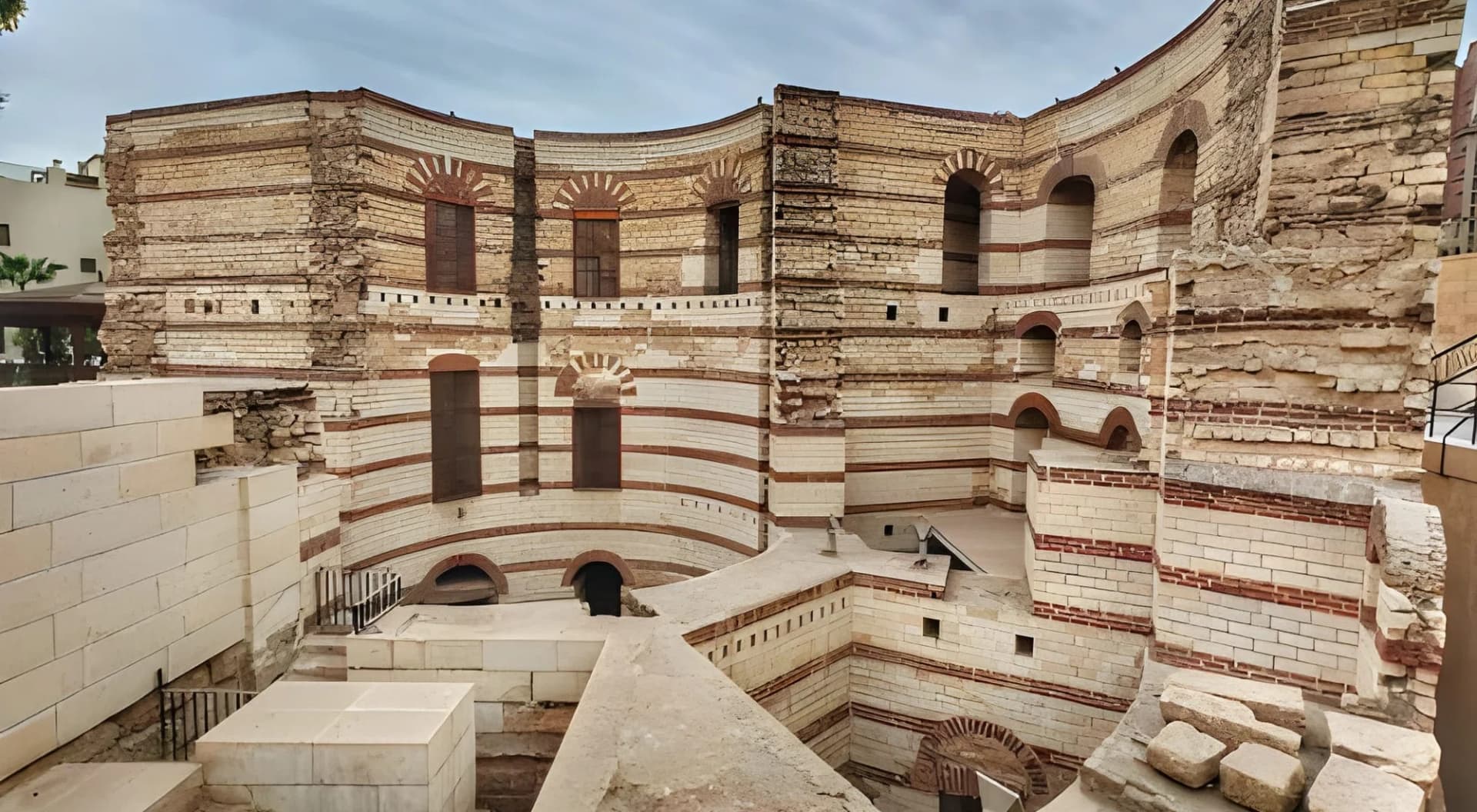
Deir El-Hagar In Dakhla: A Roman-Era Temple In The Oasis
Deir El-Hagar is a well-preserved Roman-era temple located in the Dakhla Oasis of Egypt. Constructed mainly during Emperor Nero’s reign, it showcases a blend of Roman and Egyptian motifs in its reliefs and inscriptions.
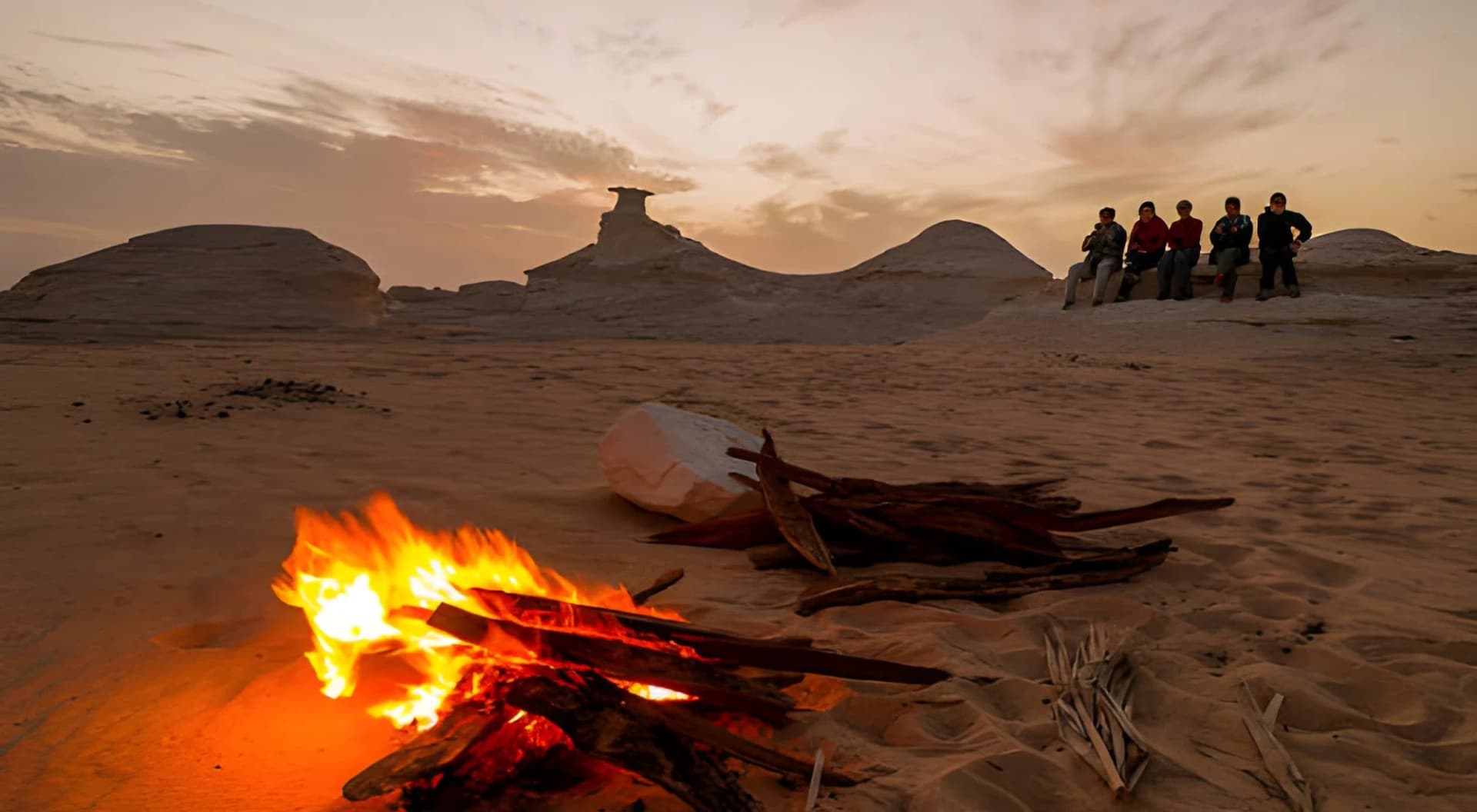
Night Sky Photography In The Egyptian Desert: Gear And Settings
Night sky photography in the Egyptian desert involves using a DSLR or mirrorless camera with manual controls, a wide-angle lens, and a sturdy tripod. The region’s clear skies and low light pollution provide excellent conditions for photographing the Milky Way, constellations, and star trails.
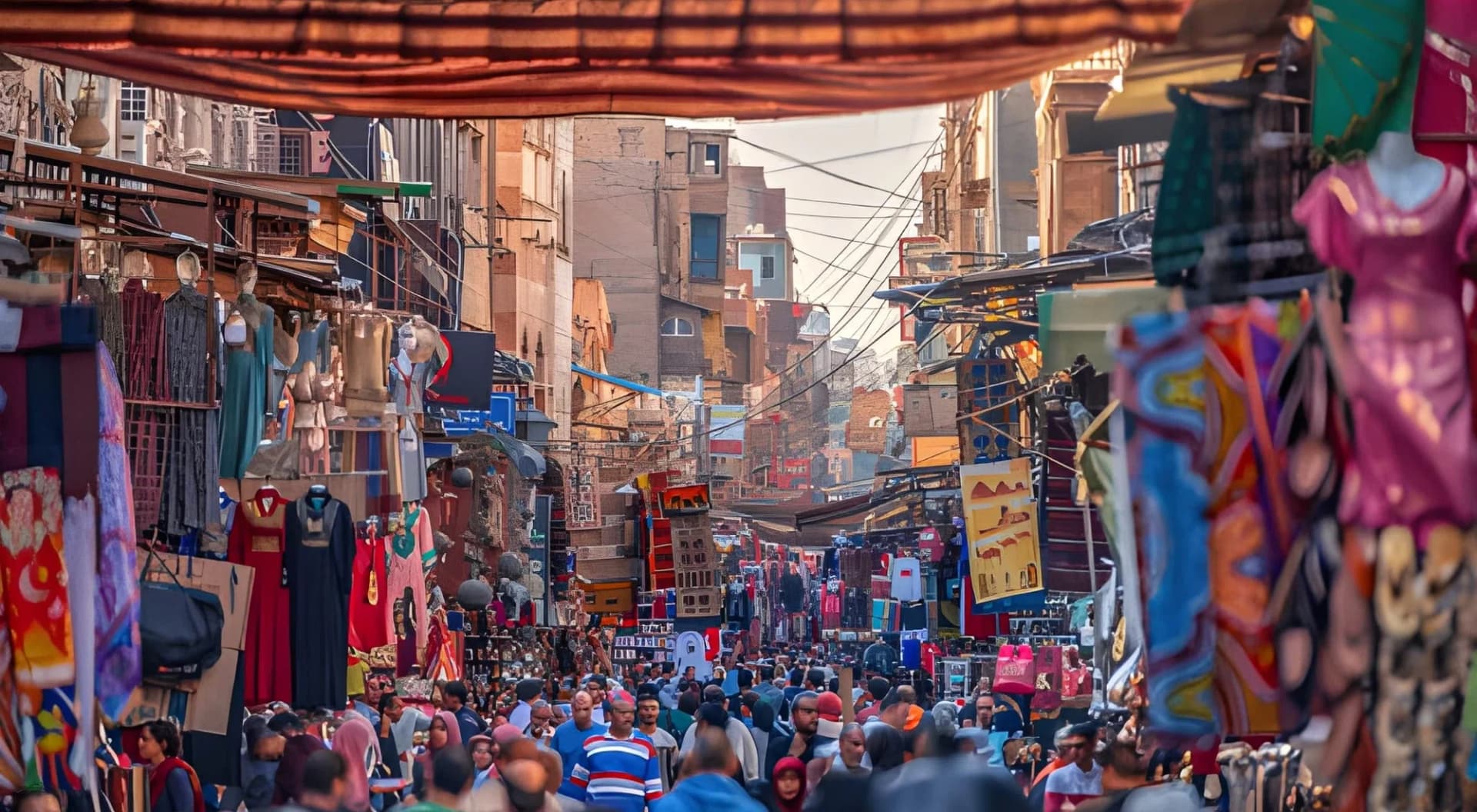
Engagement Traditions In Egypt: The Shabka And Family Visits
Engagement traditions in Egypt feature the shabka, a gold jewelry gift from the groom to the bride symbolizing commitment, and ceremonial family visits that formalize the union. Celebrations include music, traditional foods, and regional customs, with modern influences shaping some practices.
Mint, Sage And Anise: The Herbal Teas Served Across Egypt
Mint, sage, and anise teas are beloved herbal infusions served across Egypt, from Cairo cafés to Nile-side villages. Mint tea is often sweetened and served in glass cups, sage tea is valued for its soothing qualities, and anise tea is known for its sweet, licorice-like flavor.