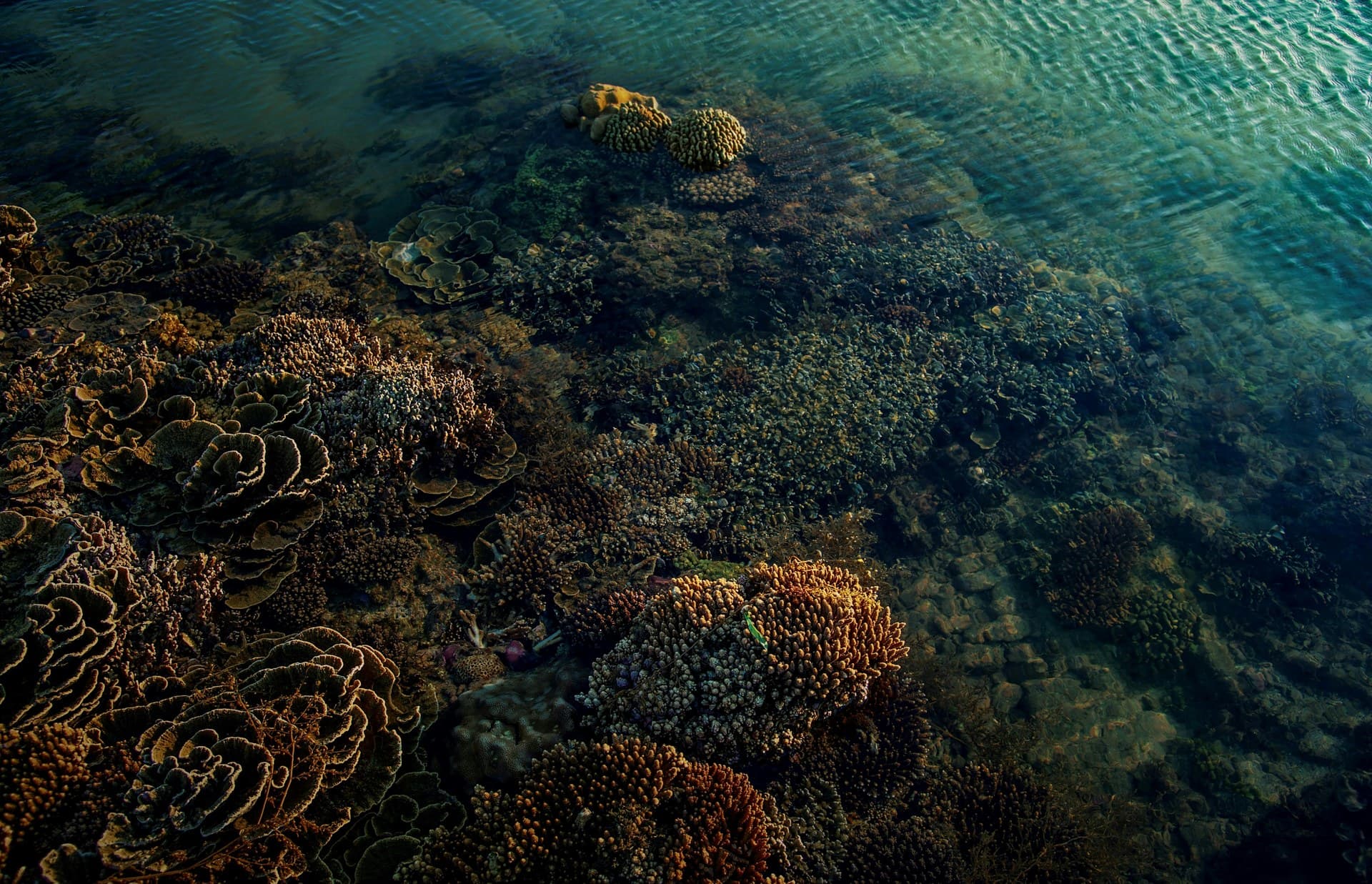
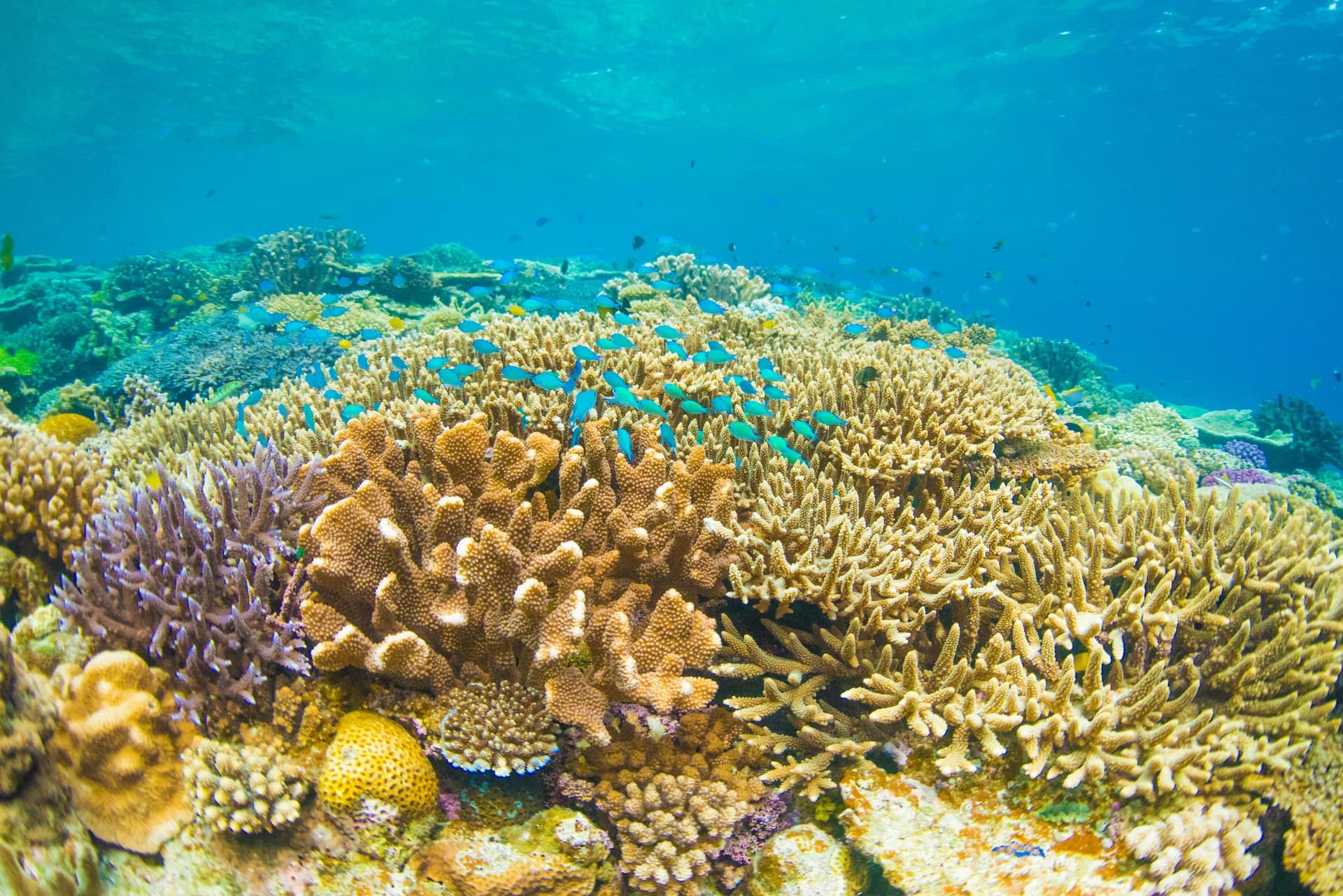
The park was declared in 1983 and later extended, in response to the rapid growth of tourism on this coast. It covers both land and sea, and it was Egypt's first national park.
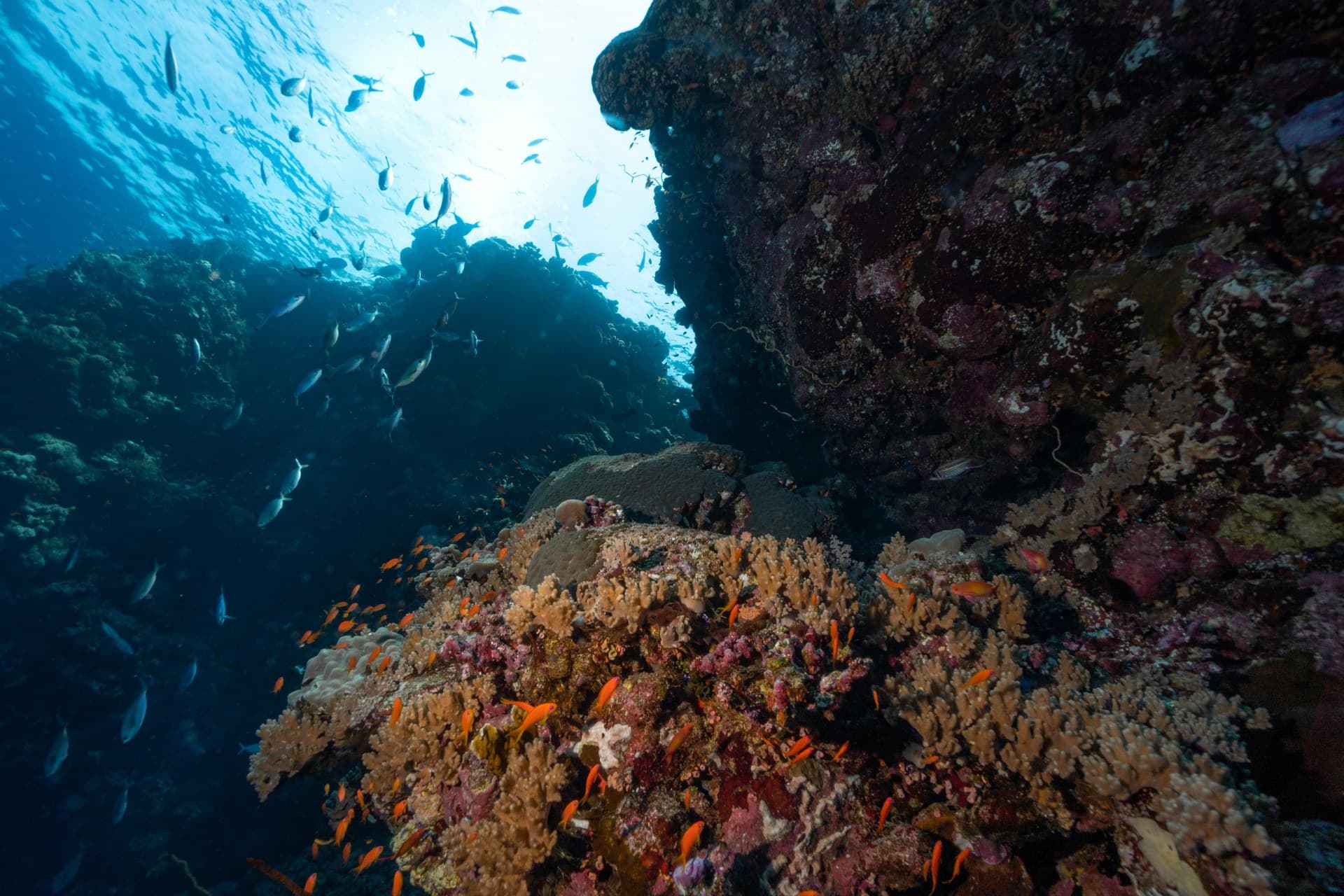
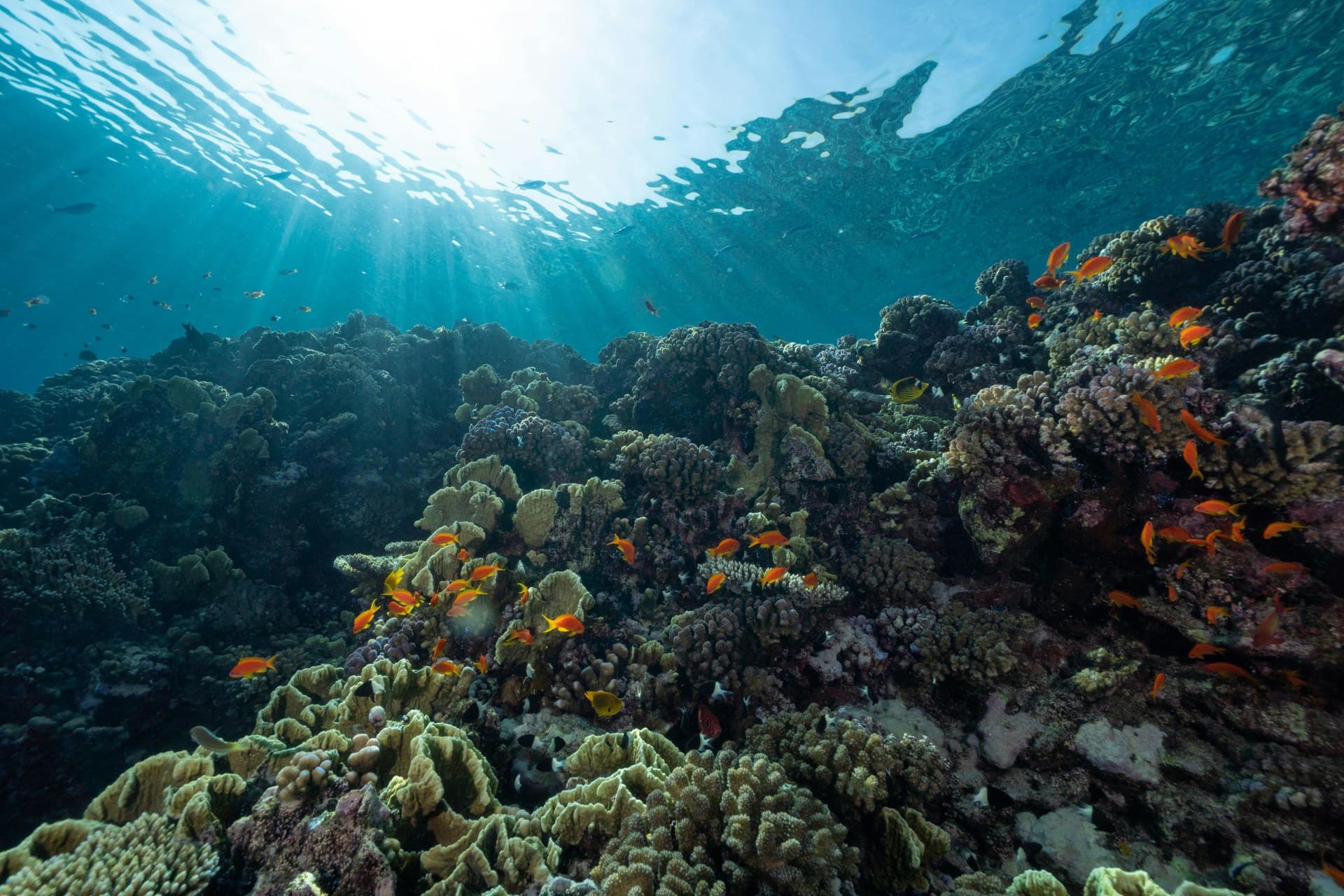
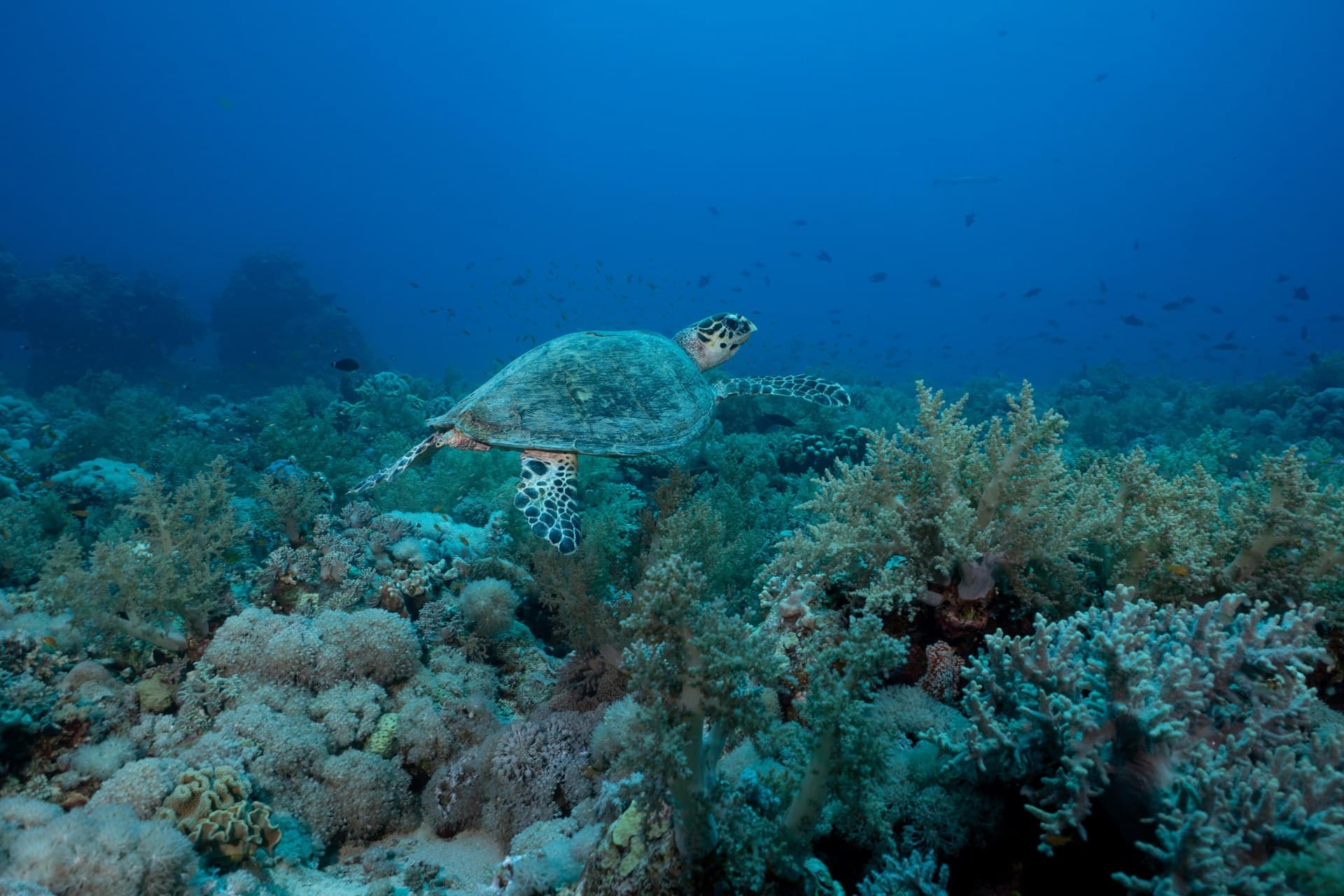
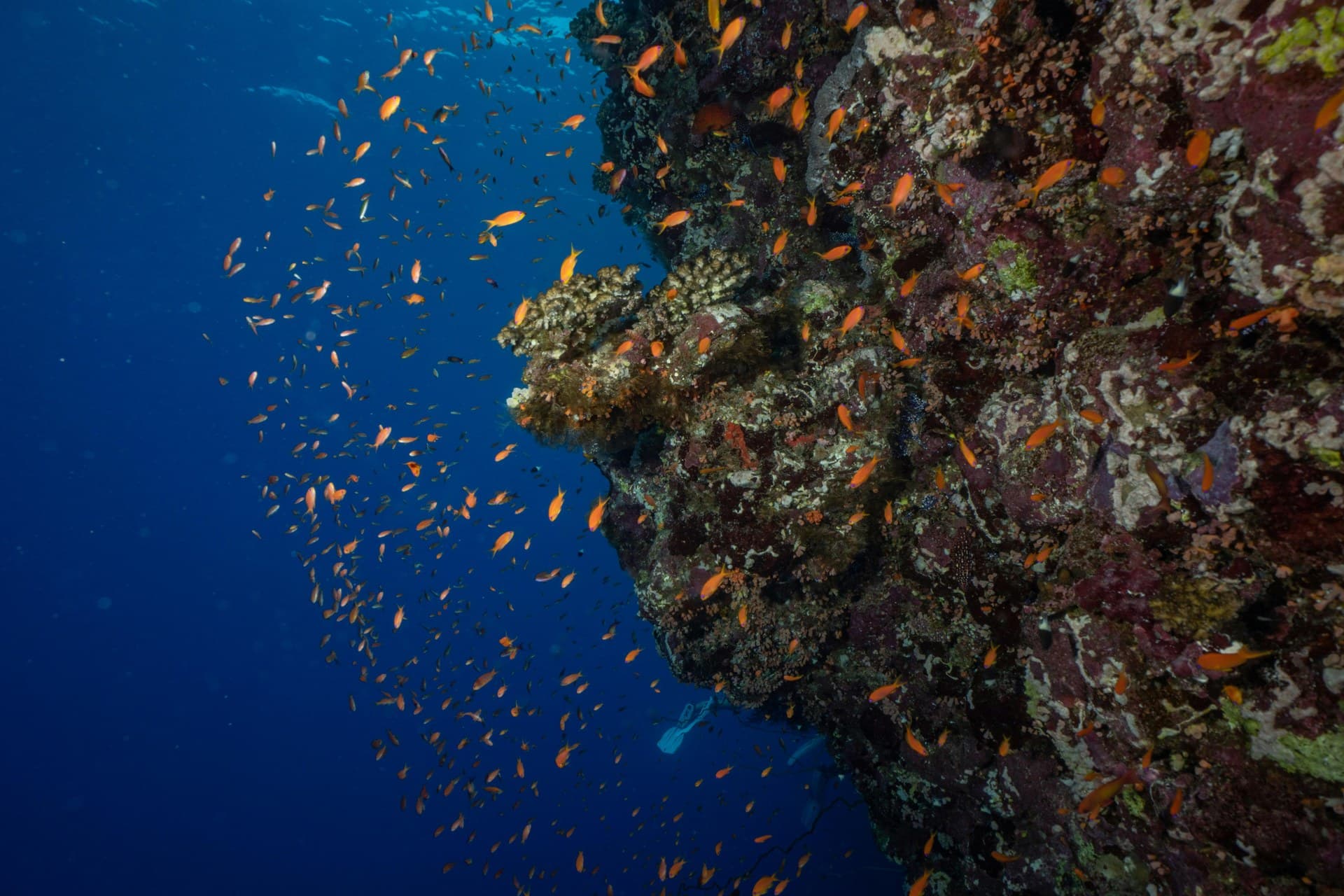
Its position is the reason it works: the headland sits where the Gulf of Suez and the Gulf of Aqaba meet, so deep water and strong currents come close inshore. Those currents feed the reef and bring in the large fish, which is why the diving here is different from the rest of the coast.
The Yolanda wreck, a cargo ship that went down in 1980 carrying a load of bathroom fittings, scattered its cargo across the reef. The main hull slipped into deep water in a storm, but the debris field — including the famous scattered toilets — remains one of the more surreal dive sites anywhere.
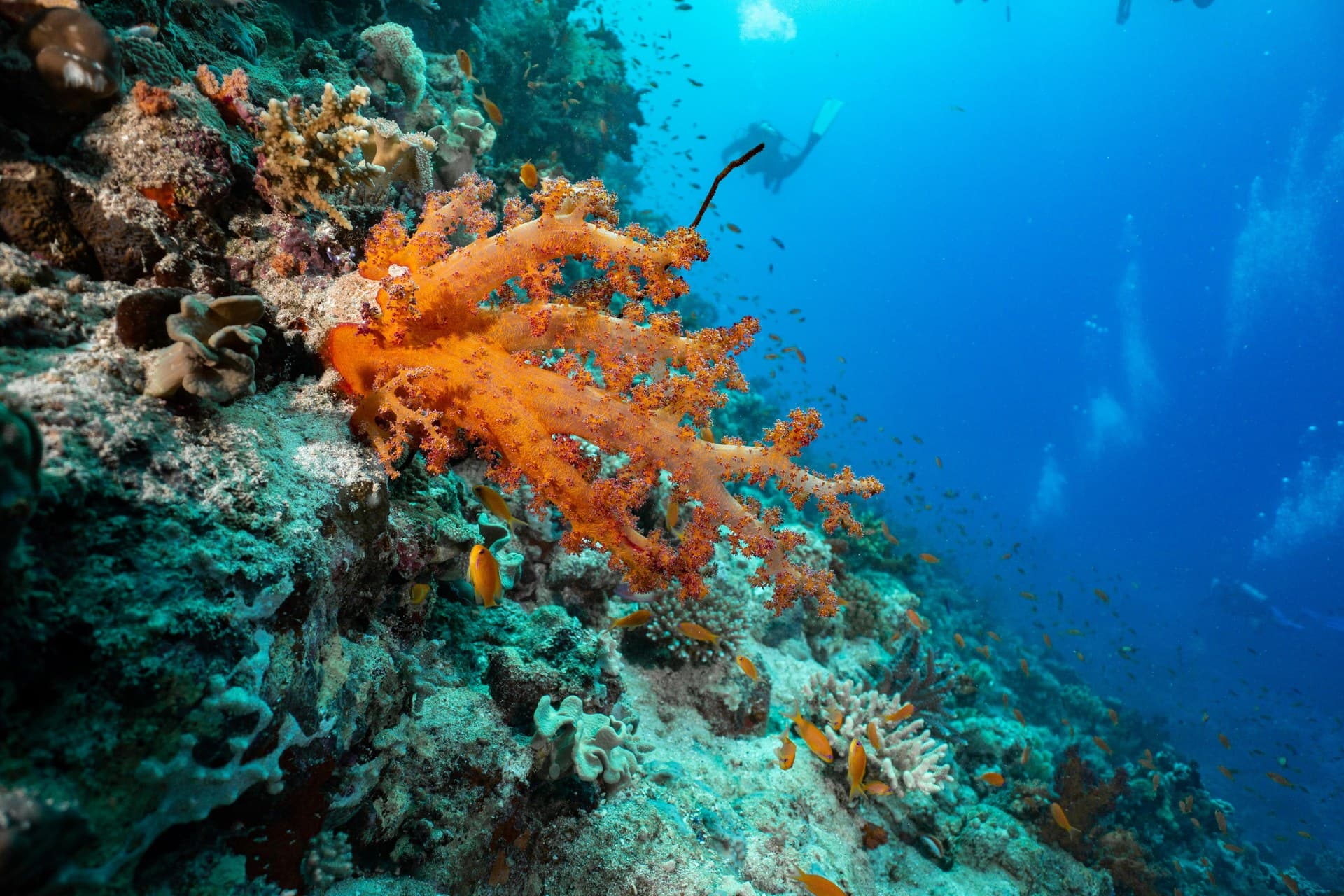
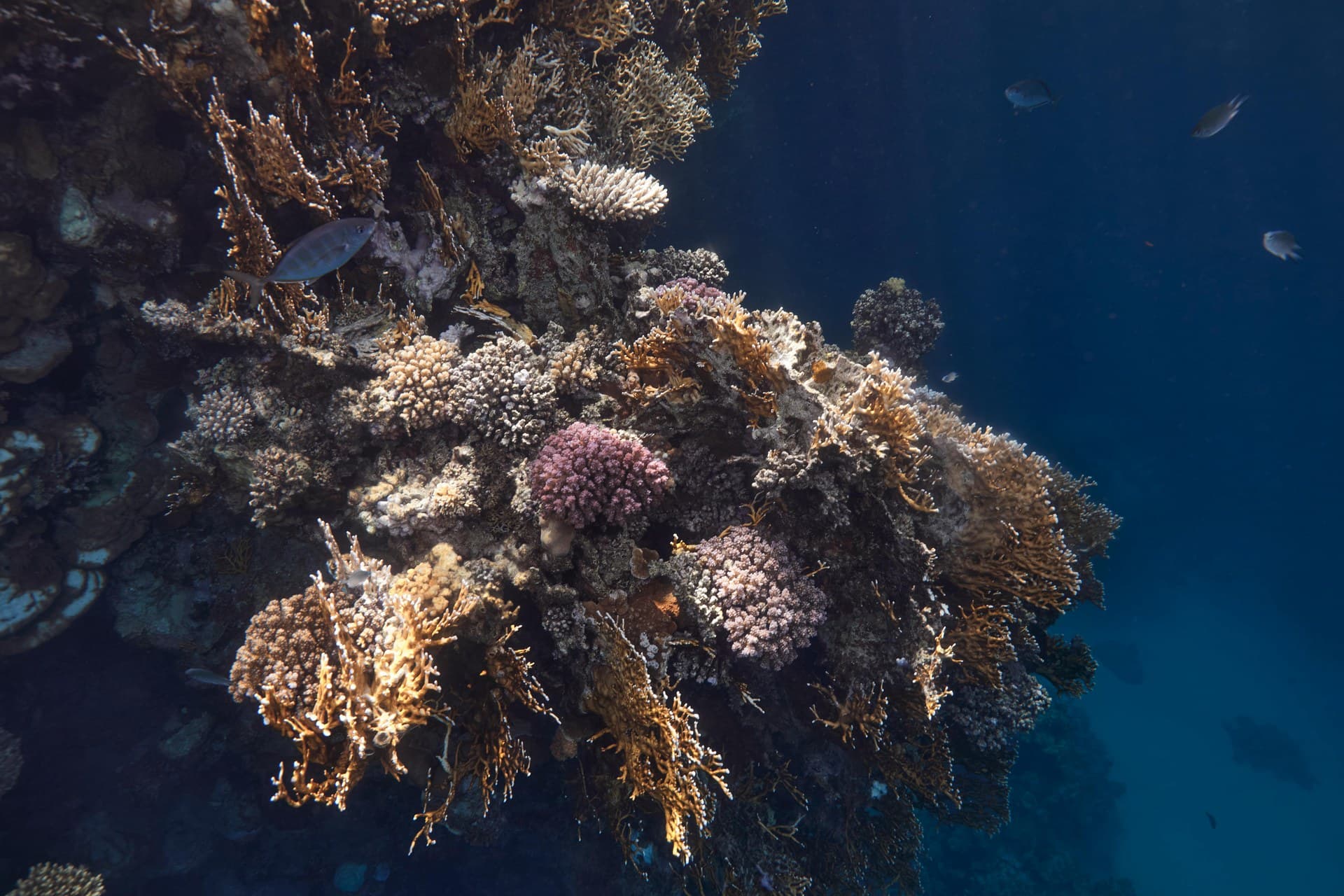
Conservation rules are enforced: no fishing, no anchoring on the reef, no collecting, and no touching coral. Mooring buoys were installed precisely so boats would stop dropping anchors through the coral.