Egypt has two climates that matter to a visitor. The Mediterranean coast is mild and actually rains in winter. Everywhere else is desert: hot days, cool nights, almost no rainfall, and a large gap between the two.
The important thing most people underestimate is that Upper Egypt is not Cairo. Luxor and Aswan run considerably hotter than Cairo in every month, and in July and August the difference is the difference between uncomfortable and dangerous at midday.
October to November — the best weeks of the year
Daytime temperatures ease off, the light is good, and the Nile is at its most pleasant. Cairo and Luxor are comfortable for full days outdoors, and the Red Sea is still warm from the summer.
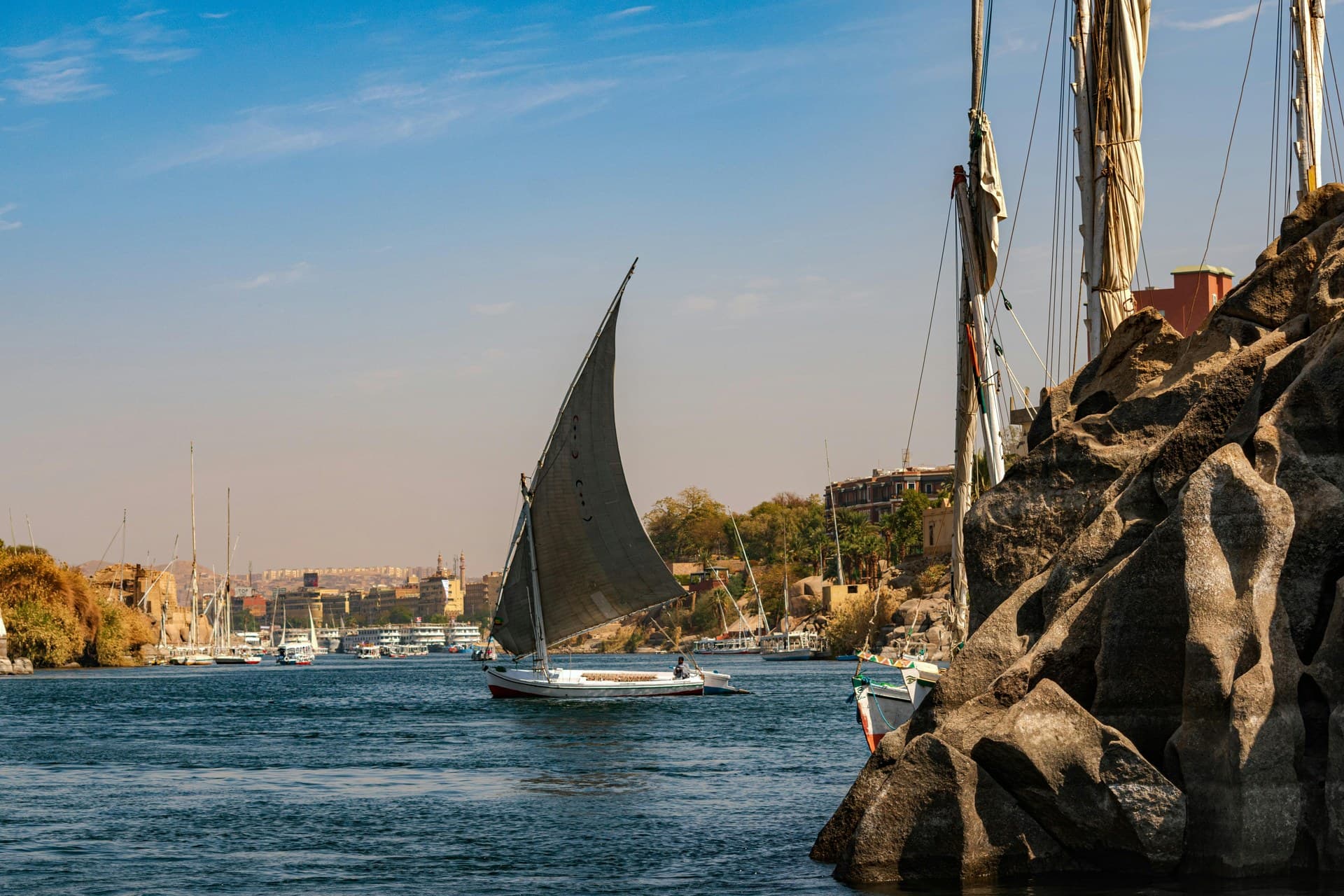
This is when a Nile cruise is at its best: warm enough to sit on deck all afternoon, cool enough to walk Karnak at midday without suffering.
It is also when the Abu Simbel sun alignment falls, around 22 October — a genuinely oversubscribed morning, so book months out if that matters to you.
December to February — cool, busy, and colder than you expect
Peak season. Christmas and New Year are the most expensive and most crowded weeks in the Egyptian calendar, and the sites are at their fullest.
The weather is genuinely pleasant in the middle of the day and genuinely cold at the edges. Luxor at 6am in January is cold enough to want a jacket, and the White Desert at night gets close to freezing. Anyone planning a balloon flight over Luxor should expect both cold and a real chance of a wind cancellation.
Alexandria and the Mediterranean coast are wet and grey in these months — the one part of Egypt with a proper winter.
March to April — the second good window
Warm without being hot, long days, and the crowds thinning after the Christmas peak. Late March and early April are among the best weeks of the year for a Nile trip.
The one thing to know about is the khamaseen — a hot, dusty wind that blows out of the desert in spring, usually for a day or two at a time. It reduces visibility, coats everything in fine sand, and occasionally grounds balloon flights. It is not a reason to avoid the season, just something to expect.
The other Abu Simbel alignment falls around 22 February.
May to September — hot, cheap, and not automatically wrong
This is where the honest advice diverges from the standard advice.
For the temples, summer is hard. Luxor and Aswan reach the low to mid forties Celsius, and there is no shade at the Valley of the Kings, at Hatshepsut's temple or on the Giza plateau. It is genuinely possible to visit — start at opening, be indoors by eleven, go out again at four — but it dictates the shape of every day.
For the Red Sea, summer is the best time of year. Water temperatures peak, the diving at Ras Mohammed and off Marsa Alam is at its warmest, and the coast is far more bearable than the interior because of the sea breeze.
And prices drop across the board. A summer Egypt trip that is planned around the heat rather than in denial of it is a legitimately good-value holiday.
Ramadan and public holidays
Ramadan moves through the calendar by about eleven days each year, so check which dates it falls on for your trip. Sites and museums stay open but often on shortened hours, some restaurants close during daylight, and the cities are quiet by day and lively after sunset.
It is not a bad time to visit — for many travellers the evenings are the most memorable part — but it does change the rhythm of a day, and it is worth going in knowing that rather than discovering it.
Egyptian school holidays and the Eid periods fill the domestic beach resorts, so the Red Sea is at its busiest then even when European visitor numbers are low.