Attraction

Pyramids of Giza

Three royal pyramids on a limestone plateau at the edge of Cairo — the oldest of the seven wonders of the ancient world, and the only one still standing.

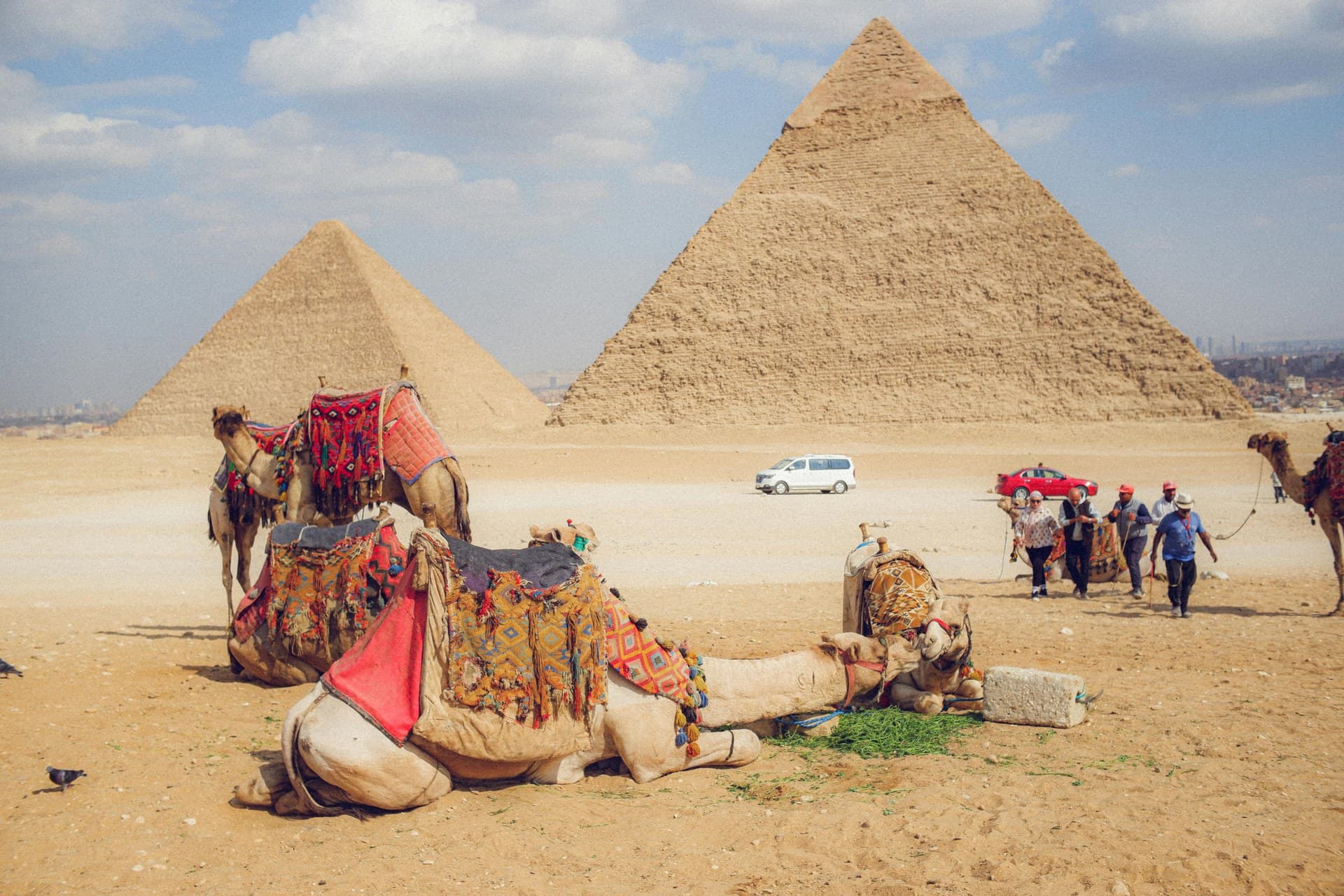
Decorated camels resting on the sand in front of the Khafre and Menkaure pyramids at Giza
Most PopularArchaeological siteCairo & Giza

Overview

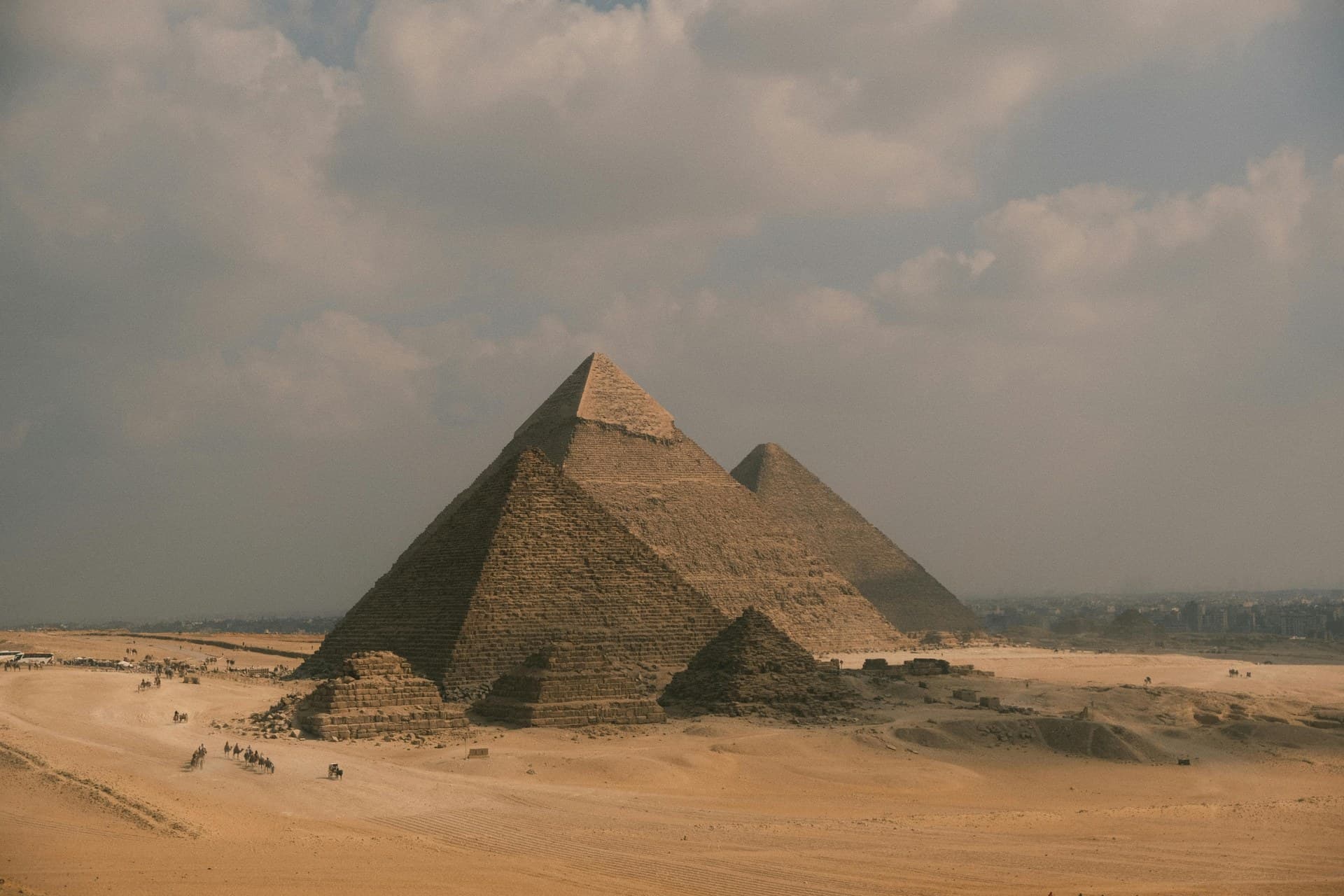
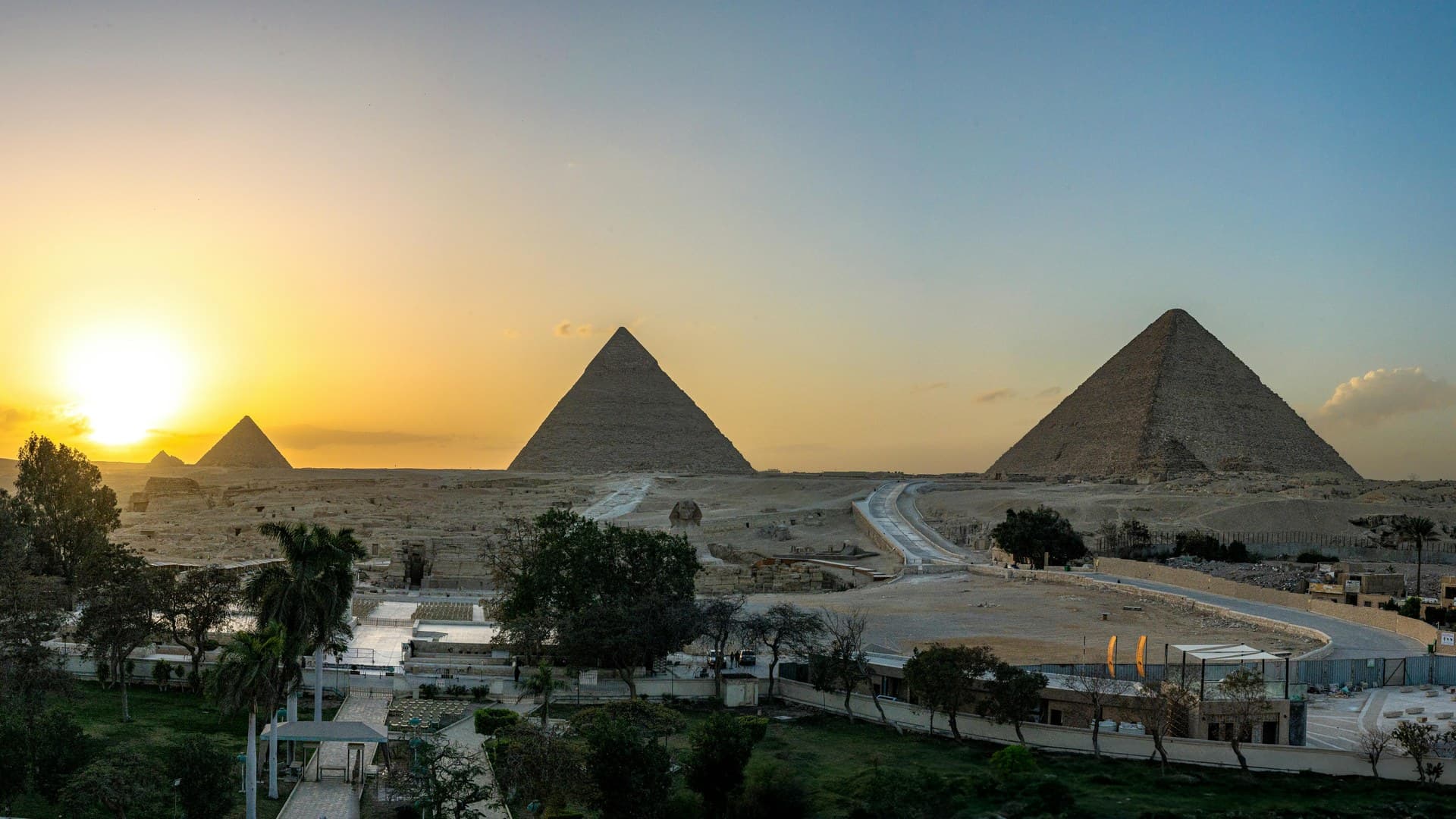
The Giza plateau holds three royal pyramids, a sphinx, several queens' pyramids, a field of mastaba tombs and two boat pits. Most visitors see it in about two hours, which is enough for the three big pyramids and the Sphinx and not enough for anything else.

The thing worth knowing before you arrive is that Giza is not a monument you look at from one spot. It is a working archaeological site roughly two kilometres across, on open desert, with no shade. How much you enjoy it depends almost entirely on what time you get there and whether you have a way to move around it.
Why visit Pyramids of Giza

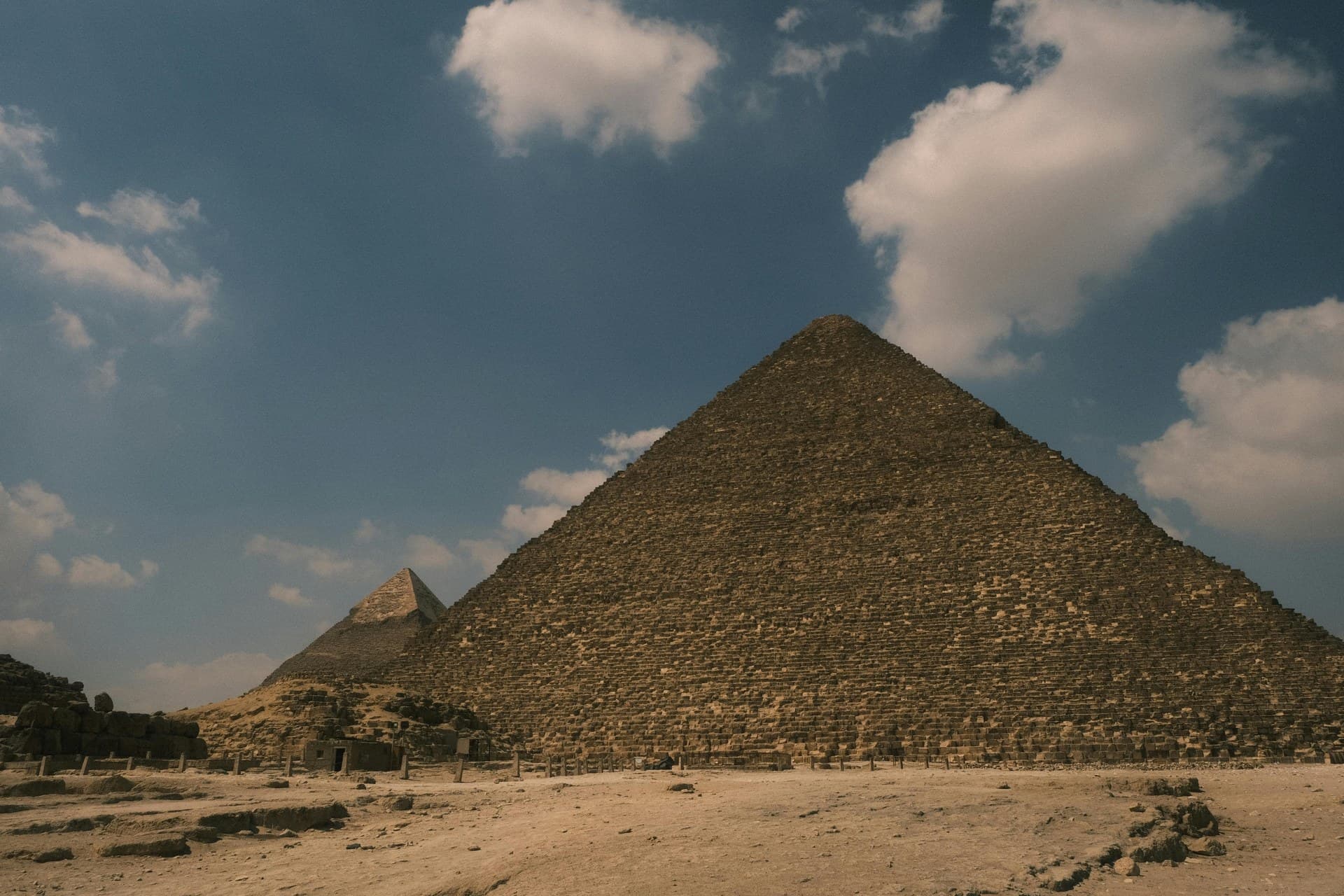
The Great Pyramid of Khufu is the last surviving member of the ancient list of seven wonders. It held the record for the tallest structure made by people for something like 3,800 years — a span longer than the time between its own completion and the Roman conquest of Egypt.

But the reason to go is not the record. It is the masonry. Standing at the base, the individual blocks are chest height and there are about 2.3 million of them, cut and set without iron tools, without pulleys as we would recognise them, and without a wheel that could carry that weight over sand. No photograph carries that. The pyramids are one of the few famous things that are genuinely more impressive in person than in pictures.

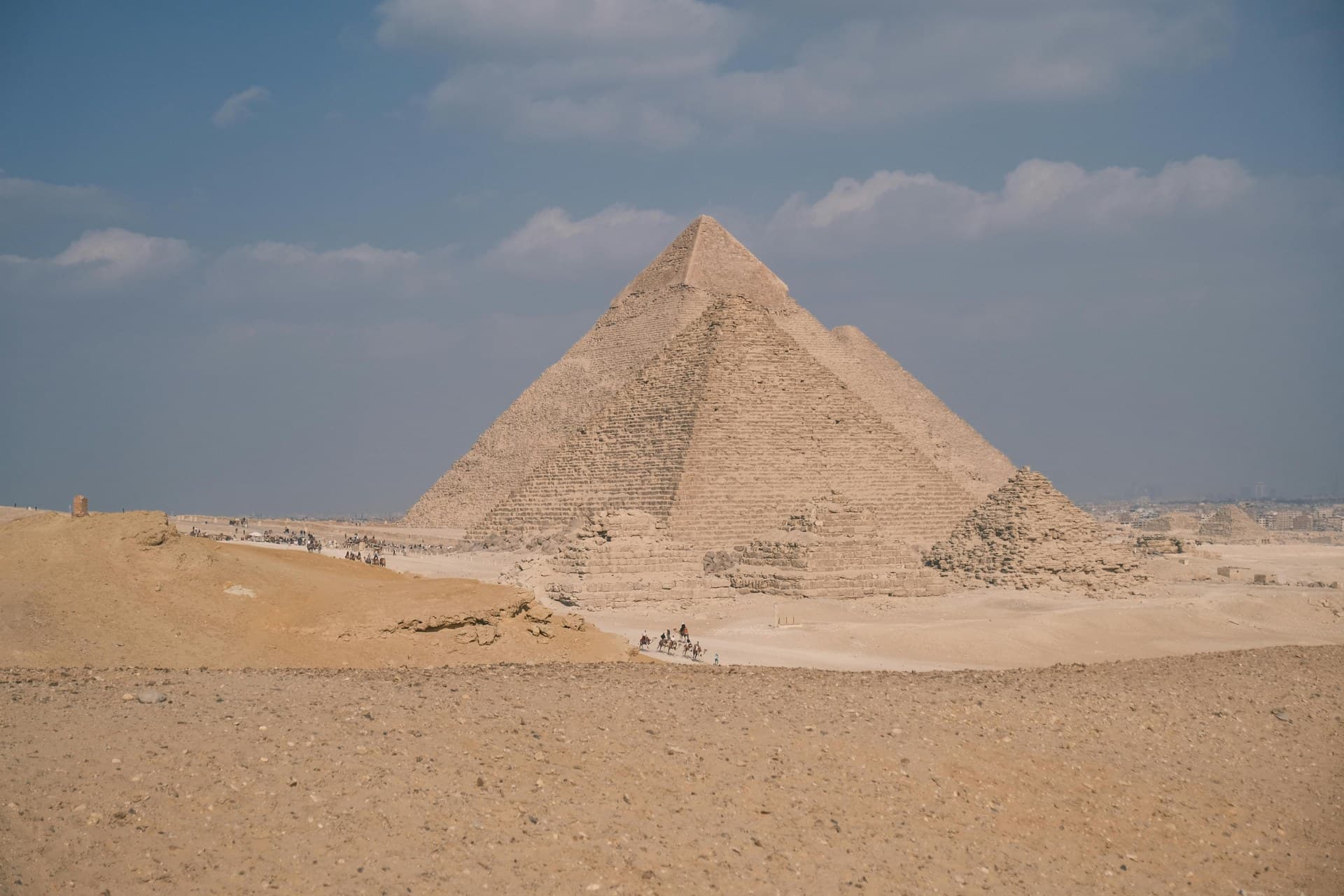
The second reason is the panorama point on the ridge to the south-west, where all three pyramids line up. It is the single most photographed view in Egypt and it is a five-minute drive from the entrance.

History of Pyramids of Giza

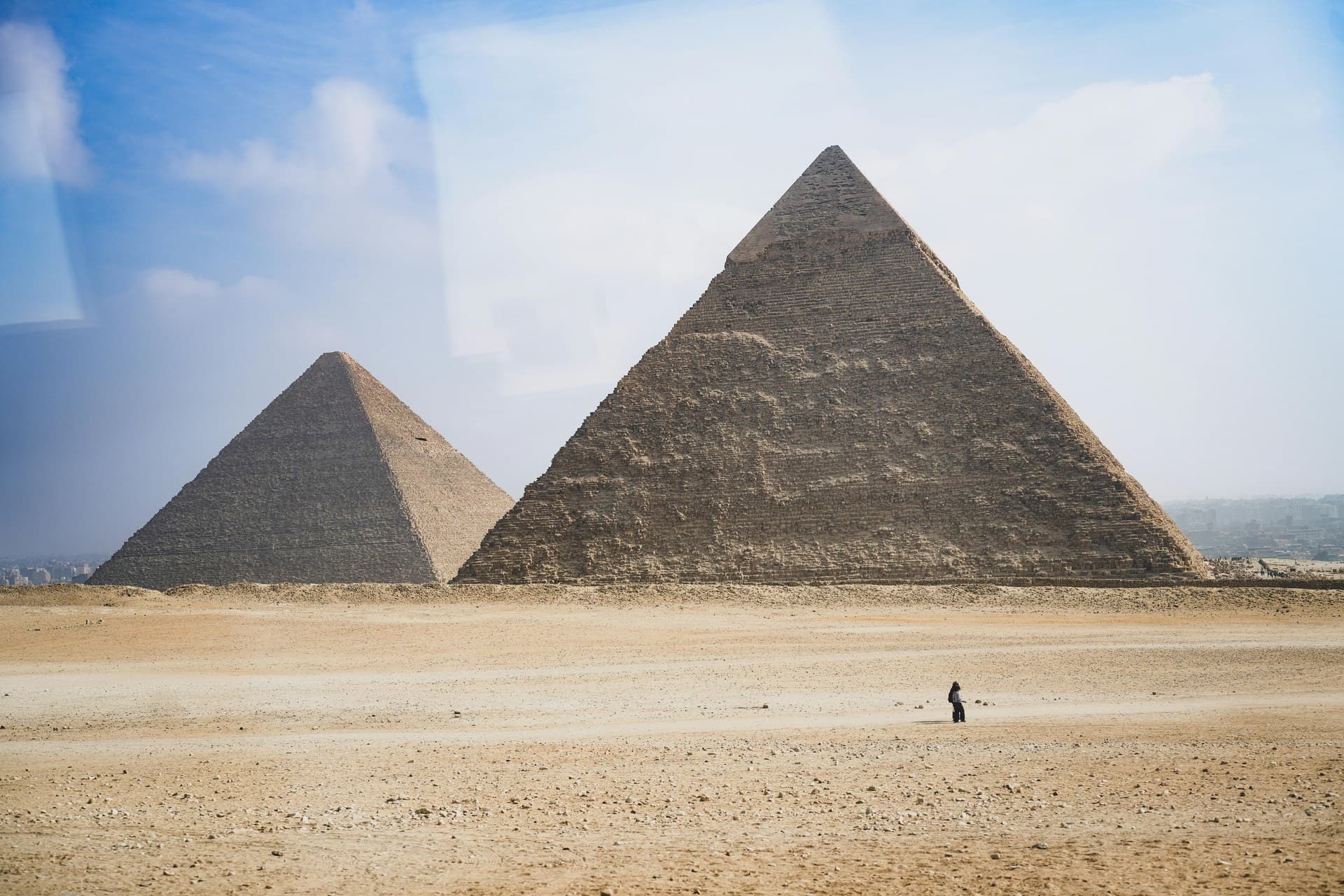
All three pyramids belong to the Fourth Dynasty of the Old Kingdom, built across roughly three generations in the 26th and 25th centuries BC. Khufu built the largest, his son Khafre the middle one — it looks taller because it stands on higher ground and still keeps a cap of its original casing stone — and Khafre's successor Menkaure the smallest.

They were never standalone objects. Each pyramid was the centrepiece of a complex: a valley temple down by the flood plain, a causeway climbing the escarpment, a mortuary temple at the pyramid's foot, and satellite pyramids for queens. Most of that is now foundations, but the layout is still legible on the ground, and Khafre's valley temple survives nearly intact.

The smooth white limestone that once covered all three was stripped over centuries for building material in medieval Cairo. What you see today is the stepped core. The cap still clinging to the top of Khafre's pyramid is the best surviving sample of what the whole plateau once looked like.

What to see at Pyramids of Giza

  • The Great Pyramid of Khufu — the largest, and the only ancient wonder still standing
  • Khafre's pyramid, with the original casing stone still in place at the summit
  • The panorama viewpoint on the south-west ridge where all three line up
  • Khafre's valley temple — massive granite piers, one of the best-preserved Old Kingdom buildings anywhere
  • The mastaba fields, where the officials and craftsmen who built the pyramids were buried
  • The Great Sphinx, at the end of Khafre's causeway

Best time to visit Pyramids of Giza

At opening, or the last two hours before closing. October to April is comfortable for a full morning; between June and August the site is genuinely punishing after mid-morning.

Opening Hours and Tickets

Opening hours: The plateau opens early and closes in the late afternoon, with last entry before closing. Hours shift with the season and during Ramadan — check the current times before you set out.

General admission covers the plateau. Going inside any of the pyramids, and entering the Solar Boat area, are separate tickets bought at the gate. Prices are revised periodically, so treat any figure you read online as indicative and confirm at the ticket office.

Opening hours and ticket prices may change. Please confirm the latest details before visiting.

How to get to Pyramids of Giza

The plateau sits on the western edge of Greater Cairo, in Giza. It is roughly 40 minutes from central Cairo in light traffic and considerably more in the rush, and about 45 minutes from Cairo airport. Most visitors come with a driver or on an organised tour, since the site has two widely separated gates and is not walkable from the main road.

Nearby Attractions

Tours that include Pyramids of Giza

Luxury Cairo, Luxor and Aswan Package

Luxury Cairo, Luxor and Aswan Package

An upscale private journey that combines Cairo highlights, a polished Luxor stay, and a refined Aswan finish.

Classic Cairo and Luxor Private Tour

Classic Cairo and Luxor Private Tour

A first-time Egypt itinerary that balances Cairo icons with Luxor's major temple sites over one well-paced private journey.

06 Days Cairo to Luxor Tour

06 Days Cairo to Luxor Tour

Experience the essence of Egypt in just six days on this immersive journey from Cairo to Luxor. Begin in the capital, where you’ll stand before the legendary Pyramids of Giza, explore the Grand Egyptian Museum, and wander through the historic Citadel and the lively Khan El Khalili Bazaar. Then, fly south to Luxor to uncover the monumental temples of Karnak and Luxor, glide above the ancient city in a hot air balloon, and walk through the Valley of the Kings. This thoughtfully designed itinerary combines expert guidance, seamless travel, and a perfect balance of history and culture for an unfor

07 Days Cairo and Nile Cruise Package

07 Days Cairo and Nile Cruise Package

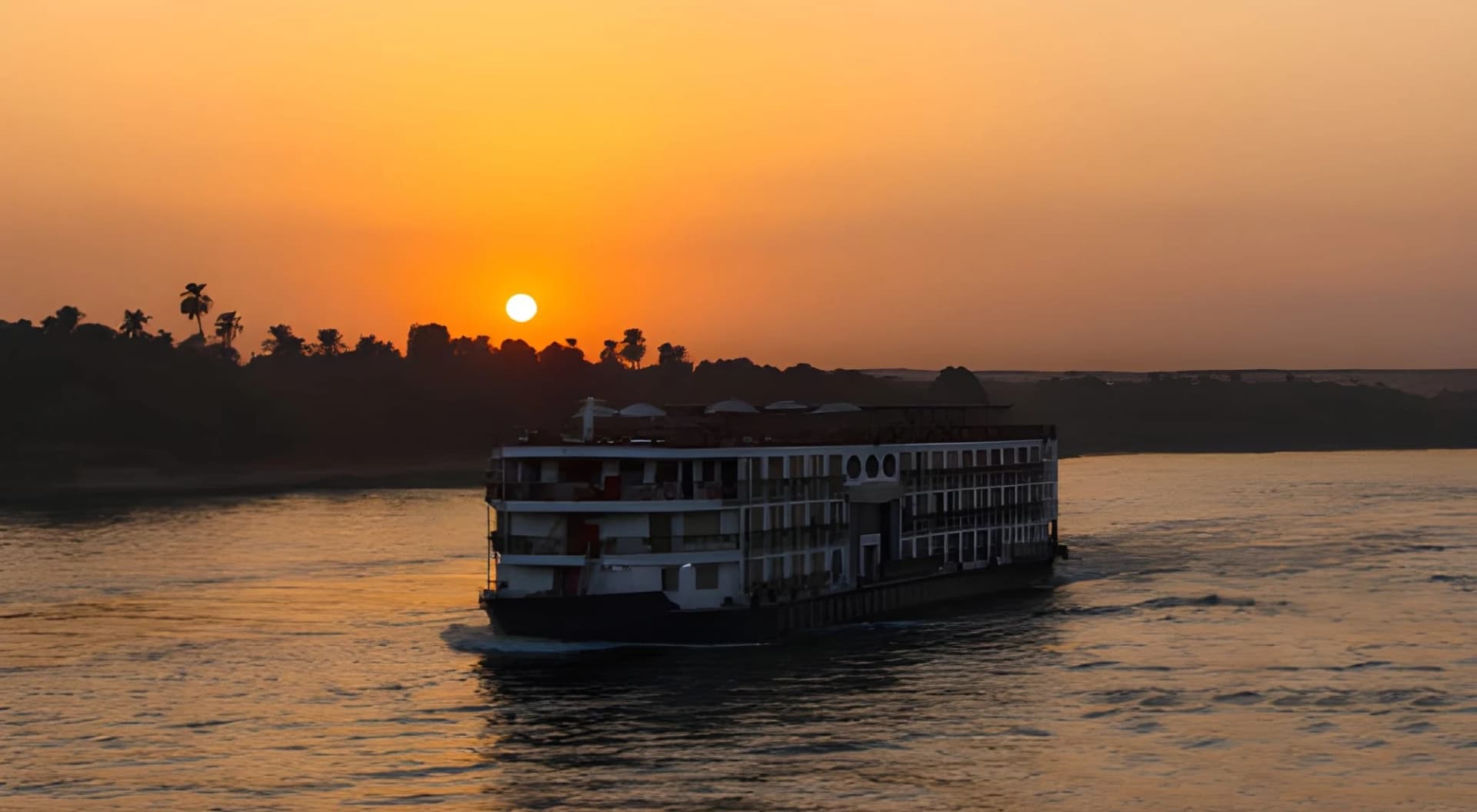
Experience the ultimate combination of ancient history and modern comfort on this 7-day Cairo and Nile Cruise adventure. Begin in Cairo, where you’ll stand before the legendary Pyramids of Giza and explore the treasures of the Egyptian Museum. Then, fly south to Aswan to embark on a luxurious 3-night cruise along the Nile River, visiting the magnificent temples of Philae, Kom Ombo, Edfu, and Luxor. With private guided tours, seamless transfers, and premium accommodations, this journey offers an unforgettable exploration of Egypt’s timeless wonders for families, couples, and solo travelers alik

8 Day Cairo and Nile Cruise Tour

8 Day Cairo and Nile Cruise Tour

Embark on an extraordinary 8-day adventure through Egypt, where the ancient marvels of Cairo meet the serene beauty of the Nile. This journey blends history, culture, and comfort as you explore the Pyramids of Giza, the Grand Egyptian Museum, and the magnificent temples of Luxor and Aswan. Experience the magic of the Nile aboard a 5-star cruise, uncovering the secrets of pharaohs and gods along the way.

Cairo Museum, Citadel and Khan El Khalili Day Tour

Cairo Museum, Citadel and Khan El Khalili Day Tour

A private Cairo day tour built around museum time, Islamic Cairo viewpoints, and a classic market finish.

Travel Tips Before Visiting

Go at opening or late in the afternoon. Between roughly 10am and 2pm the plateau is at its most crowded and its hottest, and there is no shade anywhere on it. The first hour after opening is a different site. Decide about going inside before you queue. Entering a pyramid is a separate ticket and it is not a tour of a decorated tomb — the passages are narrow, steep, low enough to bend double in places, and the burial chamber is bare. It is a physical experience rather than a visual one. People with claustrophobia, bad knees, or breathing difficulty should skip it without regret. If you do want to go inside one, the smaller pyramids are usually cheaper and less crowded than Khufu's. Agree every price before it happens. Camel and horse rides, photographs, and 'helpful' guiding are all sold on the plateau and none of it is included. Fix the number and the duration in advance, in writing if you can. This is the single most common complaint visitors have about Giza and it is entirely avoidable.