Attraction

Abu Simbel

Two temples cut into a cliff near the Sudanese border, and then cut out of that cliff again and moved, block by block, to higher ground.

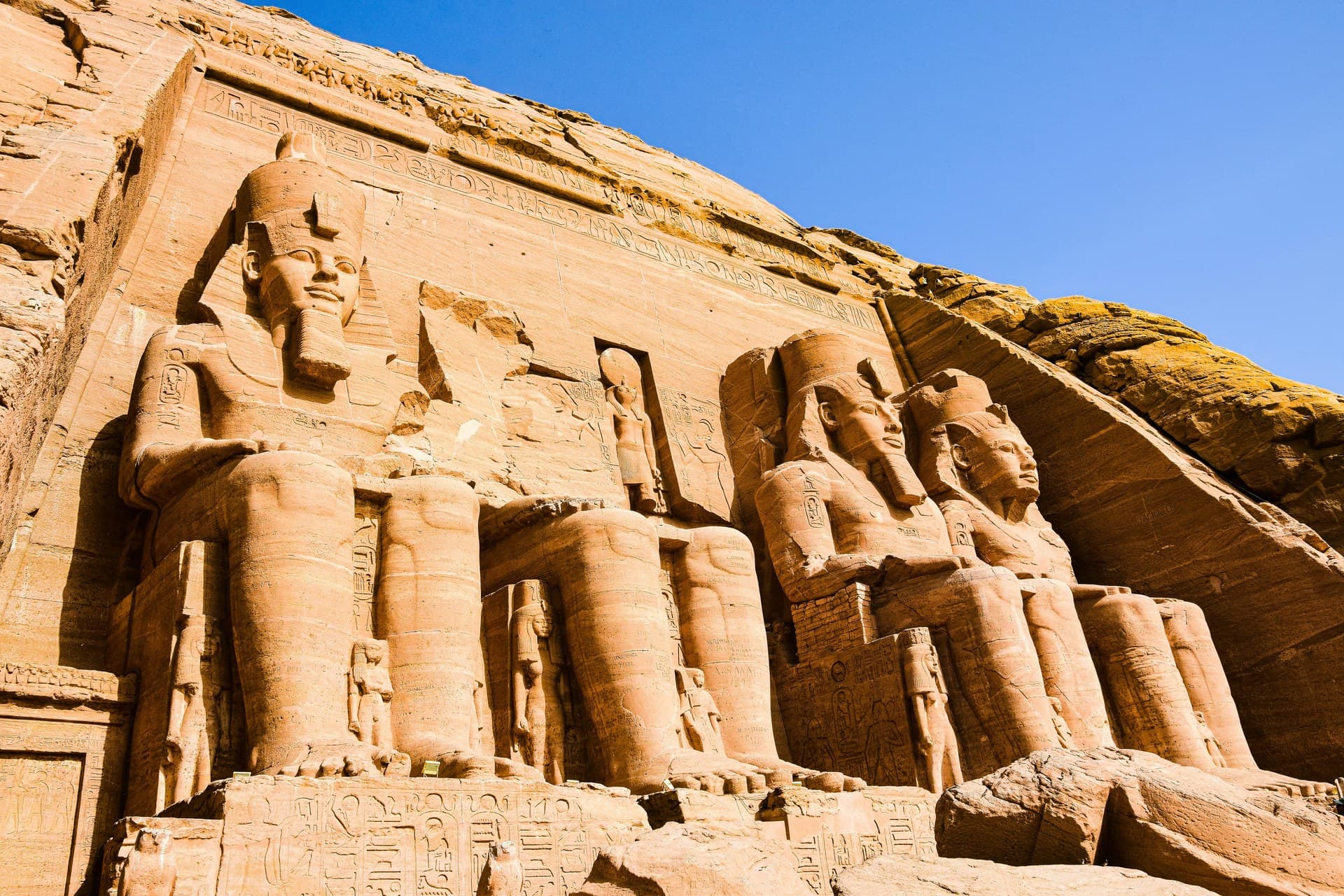
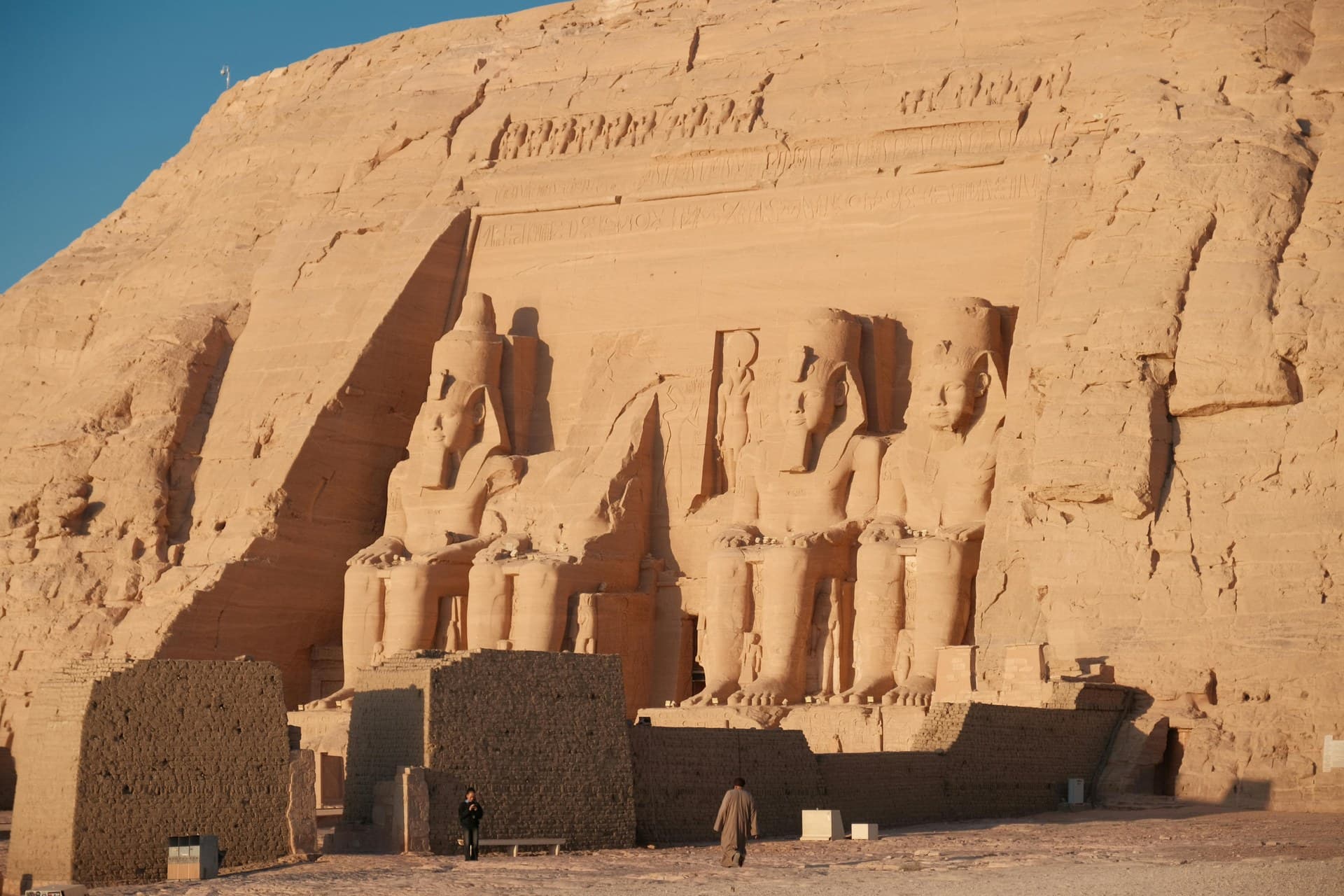
The four seated colossi of Ramesses II cut into the rock face at the Great Temple of Abu Simbel
Most PopularTempleAswan & Nubia

Overview

Abu Simbel is about 280 kilometres south of Aswan, close to the Sudanese border, on the shore of Lake Nasser. Two temples stand there, both carved into rock by Ramesses II in the 13th century BC.

It is a long way from anywhere and it is worth every hour of the journey.

Why visit Abu Simbel

The four seated colossi of Ramesses II across the front of the Great Temple are each about twenty metres high, cut from the living rock rather than assembled. The facade is the most imposing thing in Egypt and it is the reason people make the trip.

Inside, the temple runs deep into the hillside through halls lined with standing figures of the king, to a sanctuary at the back with four seated gods. Twice a year — around 22 February and 22 October — the rising sun reaches the length of that axis and lights three of the four. The fourth, Ptah, is a god of the underworld and stays in shadow. It is deliberate.

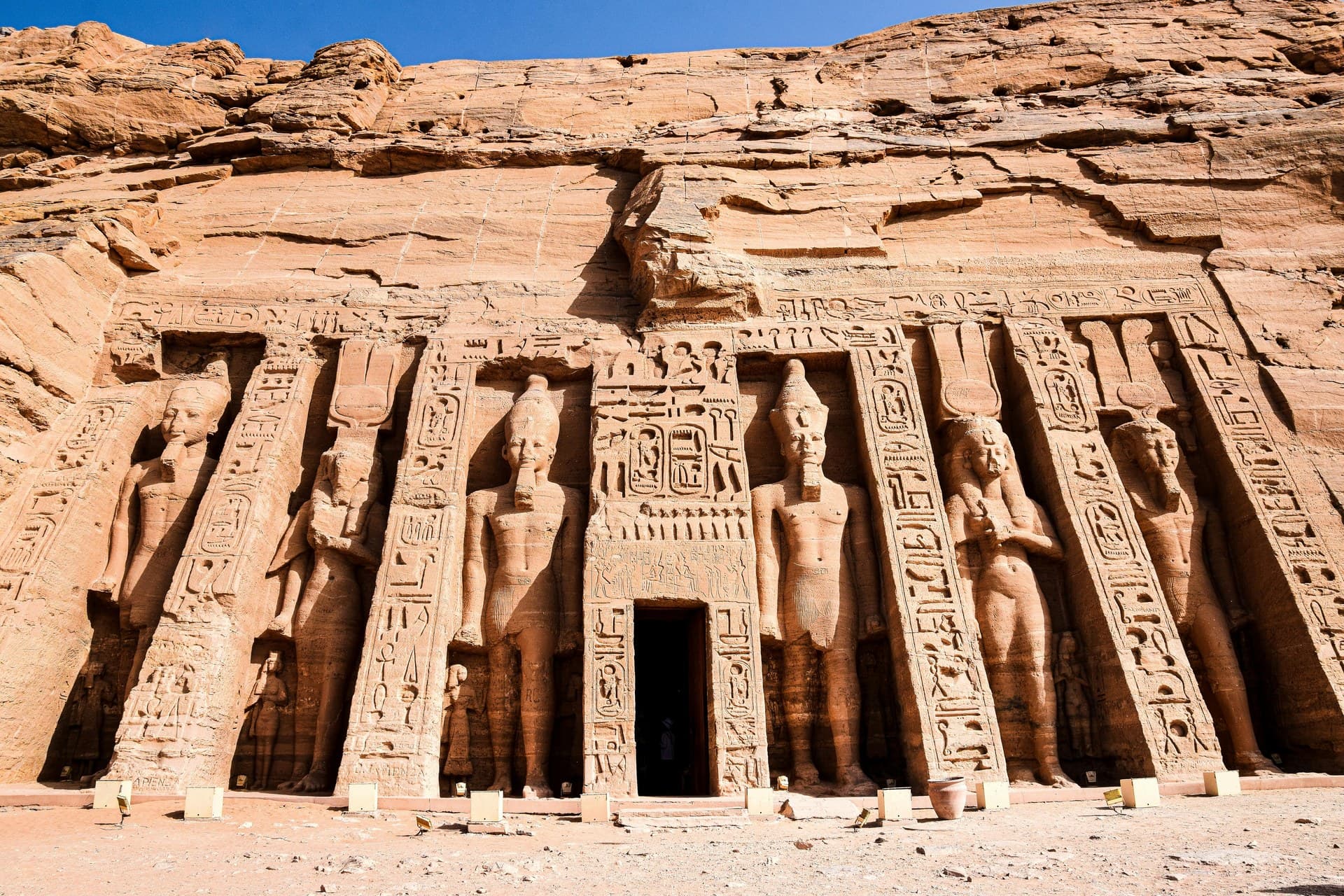
The second, smaller temple next door was built for Ramesses's wife Nefertari and the goddess Hathor. Its facade shows the queen at the same scale as the king, which is almost unheard of in Egyptian royal art.

And then there is what happened in the 1960s, which is arguably as remarkable as the original construction.

History of Abu Simbel

The temples were built by Ramesses II, in Nubia, facing south — a deliberate statement of Egyptian power aimed at everyone coming north up the river.

They were lost to sand for centuries and rediscovered in the early nineteenth century, buried nearly to the heads of the colossi.

When the Aswan High Dam was built in the 1960s, the reservoir behind it would have drowned both temples. In an international rescue operation coordinated by UNESCO, the entire complex was cut into more than a thousand blocks, lifted, and reassembled sixty-five metres higher and two hundred metres back from the water, inside an artificial hill built to replace the cliff. The sun alignment was recalculated and reproduced, though it now falls a day later than it originally did. If you look carefully at the statues you can see the seams.

The temples of Philae, at Aswan, were moved in the same programme.
What to see at Abu Simbel

  • The four seated colossi of Ramesses II on the Great Temple facade
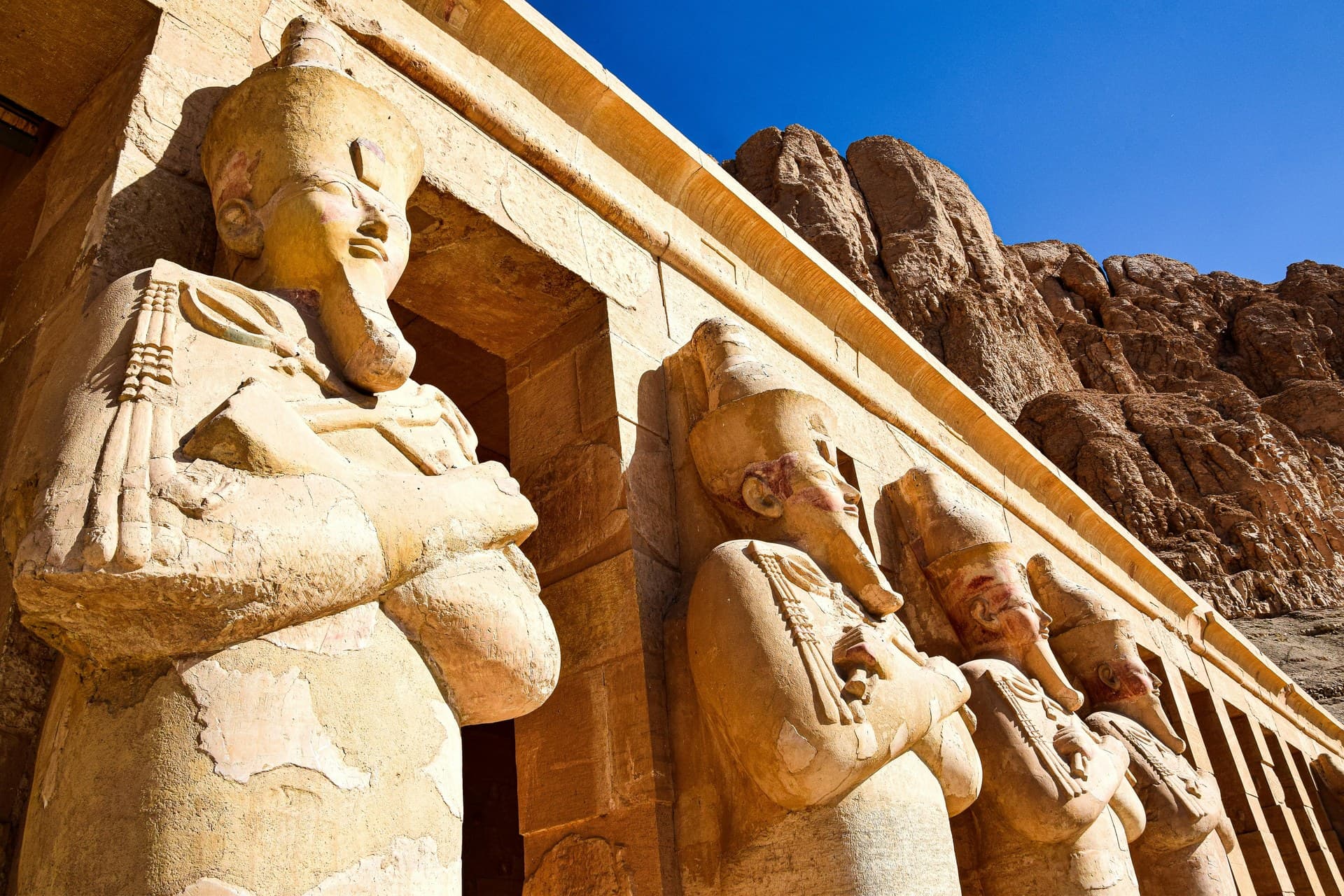
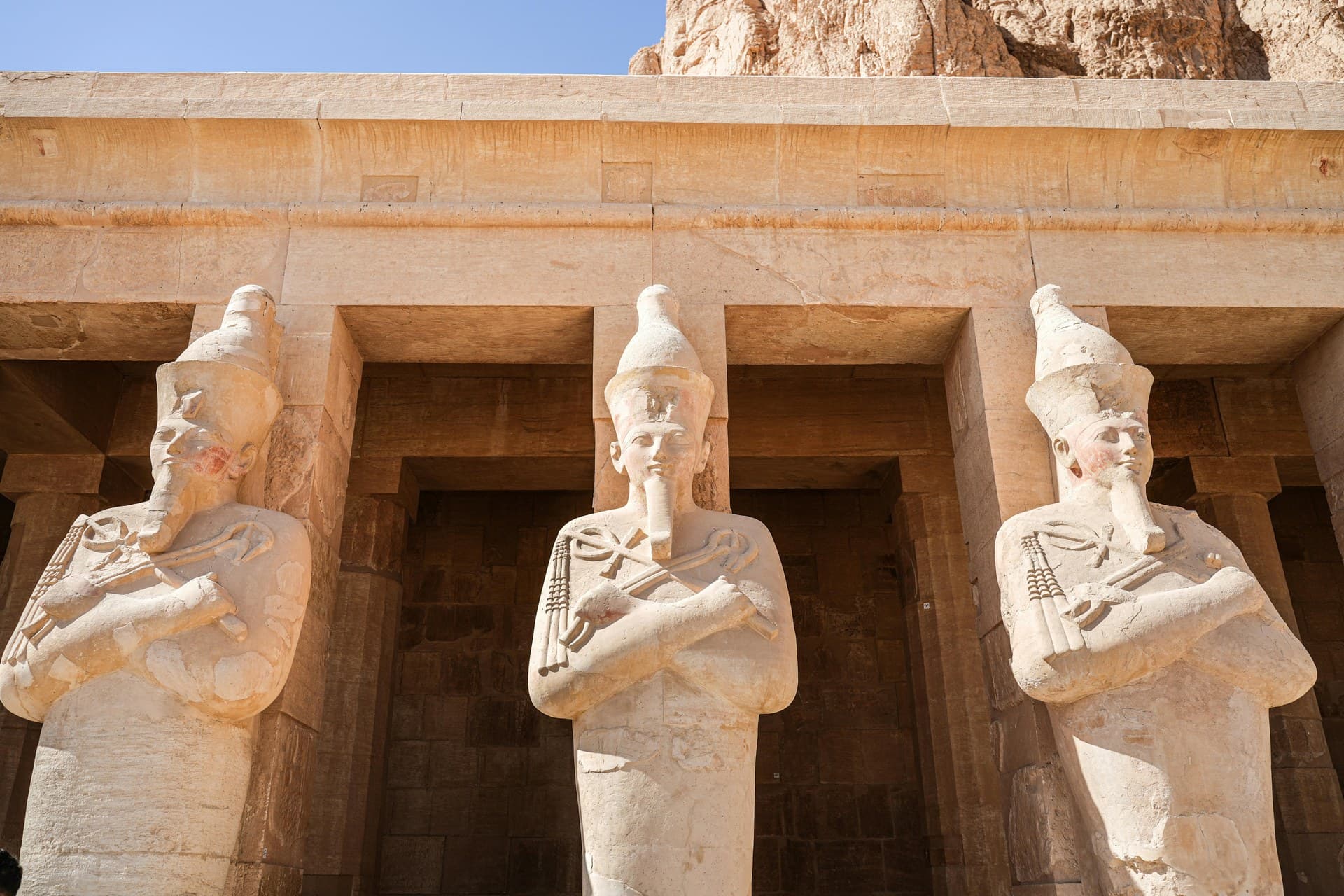
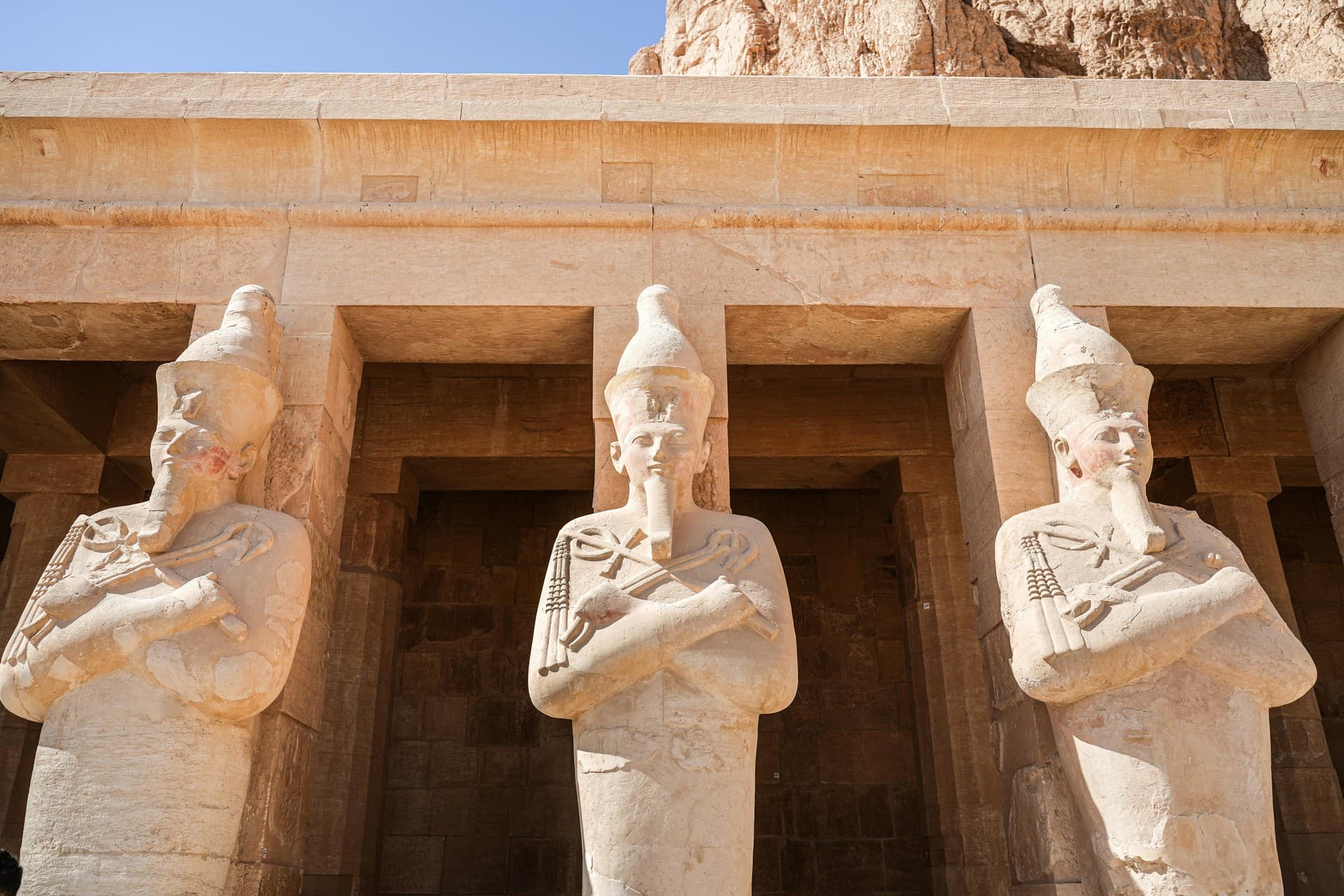
  • The hypostyle hall with its standing Osiride pillars
  • The Battle of Kadesh reliefs, Ramesses II's account of his own campaign
  • The inner sanctuary and its four seated gods
  • The Temple of Nefertari and Hathor next door
  • The joins in the stone where the temples were cut apart and rebuilt

Best time to visit Abu Simbel

Winter, for the drive. Any season if flying. Early morning or the last light of the day for the facade.

Opening Hours and Tickets

Opening hours: Opens early — the road convoys are timed around it — and closes in the late afternoon. There is an evening sound and light show.

A single admission ticket at the entrance, bought on arrival. Transport is arranged and paid separately. Photography inside the temples is not permitted.

Opening hours and ticket prices may change. Please confirm the latest details before visiting.

How to get to Abu Simbel

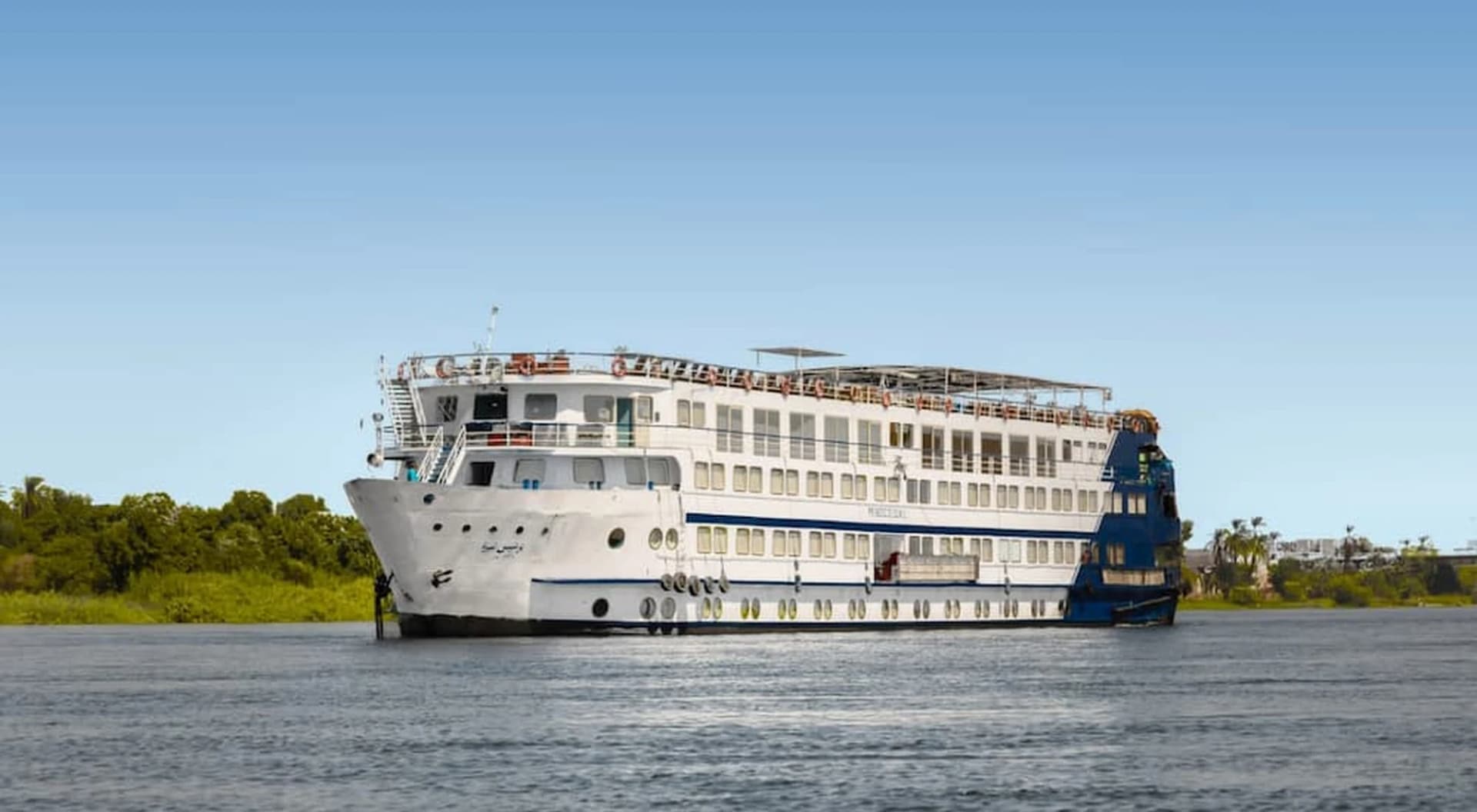
About 280 km south-west of Aswan. Most visitors travel by road convoy leaving Aswan very early, by short flight from Aswan, or as a stop on a Lake Nasser cruise.

Nearby Attractions

Tours that include Abu Simbel

Luxury Cairo, Luxor and Aswan Package

Luxury Cairo, Luxor and Aswan Package

An upscale private journey that combines Cairo highlights, a polished Luxor stay, and a refined Aswan finish.

09 Days Egypt and Nubia Tour

09 Days Egypt and Nubia Tour

Experience an extraordinary 9-day expedition through the heart of Egypt and Nubia, where ancient history and vibrant culture intertwine. Begin in Cairo, home to the timeless pyramids and the Grand Egyptian Museum, then journey south to Luxor and Aswan to uncover the temples, tombs, and treasures of the pharaohs. Sail along the Nile aboard a deluxe cruise, visit the awe-inspiring Abu Simbel temples, and immerse yourself in the warmth and traditions of the Nubian people. This journey offers a perfect blend of discovery, relaxation, and cultural connection.

4 Night Luxor to Aswan Nile Cruise

4 Night Luxor to Aswan Nile Cruise

A classic Nile cruise itinerary with temple visits, river views, and a comfortable four-night rhythm.

4-Day Nile Cruise from Aswan to Luxor

4-Day Nile Cruise from Aswan to Luxor

Set sail on a captivating 4-day Nile cruise from Aswan to Luxor, where the ancient world unfolds before your eyes. Journey along the legendary Nile River and uncover Egypt’s most iconic temples and monuments. Begin in Aswan with visits to the High Dam and the enchanting Philae Temple, then continue to Kom Ombo and Edfu to explore magnificent sanctuaries dedicated to ancient gods. As you sail northward, reach Luxor—the open-air museum of Egypt—home to the grand Karnak and Luxor Temples and the royal tombs of the Valley of the Kings. With expert-guided tours, comfortable accommodations, and full

4 Day 3 Night Nile Cruise from Aswan to Luxor

4 Day 3 Night Nile Cruise from Aswan to Luxor

Set sail on a remarkable 4-day, 3-night Nile cruise from Aswan to Luxor, where the grandeur of ancient Egypt unfolds before your eyes. Journey along the legendary Nile River aboard a comfortable cruise ship, visiting some of the most iconic archaeological sites in the world. Discover the enchanting Temple of Philae in Aswan, the twin sanctuaries of Kom Ombo, and the magnificent Temple of Horus in Edfu. Continue to Luxor to explore the Valley of the Kings, the Temple of Hatshepsut, and the colossal statues of Memnon on the West Bank, before concluding your adventure at the awe-inspiring Karnak

Luxor Day Trip from Aswan

Luxor Day Trip from Aswan

Set out on a remarkable full-day adventure from Aswan to Luxor, the world’s largest open-air museum. This private excursion immerses you in the splendor of ancient Egypt, where monumental temples and royal tombs reveal the legacy of the pharaohs. Designed for travelers eager to witness Luxor’s most iconic landmarks in a single day, this tour blends history, culture, and comfort for an unforgettable experience.

Travel Tips Before Visiting

Decide how you are getting there before anything else. Three options: a road convoy from Aswan leaving in the small hours, a short flight, or a Lake Nasser cruise. The road trip is roughly three to three and a half hours each way. It is a long day and it is the cheapest. Go early or late for the light and the emptiness. The site is busiest in the mid-morning window when the road convoys arrive together. Flights and cruise passengers can often be there outside it. No photography inside the temples has been the rule for years, enforced strictly. Take the exterior photographs and put the camera away at the door. The sun alignment days draw crowds. If you want to be there on 22 February or 22 October, book months ahead — and be aware the ceremony is very early and very full.