Prices in Egypt change often enough that any specific figure published on a website is out of date within a year, and site admissions in particular are revised periodically. So this is a guide to where the money goes and what is easy to get wrong, not a price list — check current prices when you book.
The parts that behave as expected
International flights and hotels are the largest single costs and they work the way they do anywhere: they rise in December and January, they fall in summer, and booking early helps.
Egypt has a genuinely wide hotel range, from very cheap to very expensive, and the mid-range is good value by international standards. Food is inexpensive outside hotel restaurants.
The parts that surprise people
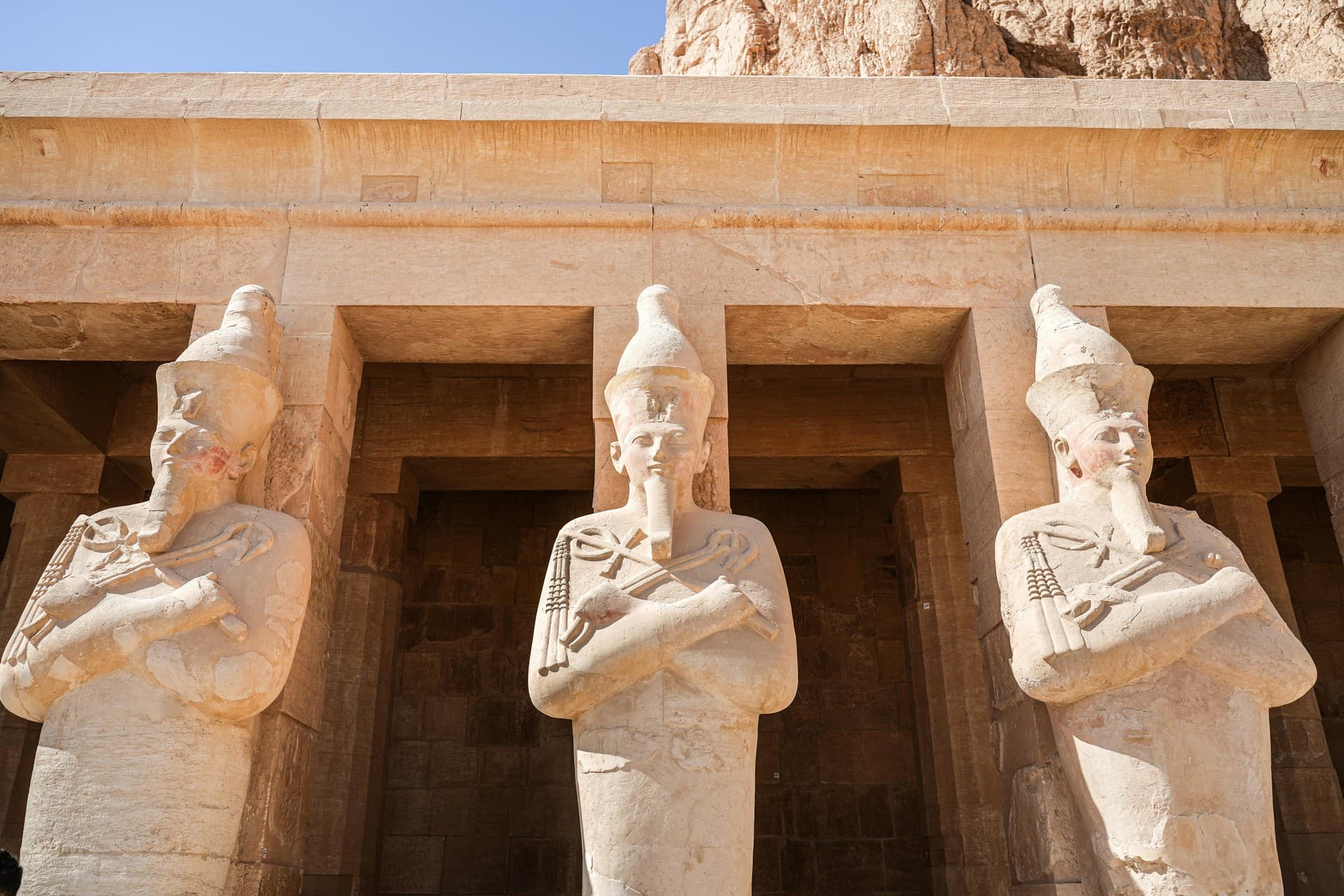
Site admissions. Egypt charges per site, and the major ones are not cheap. A full day on the Luxor west bank can involve the Valley of the Kings general ticket, one or two tomb supplements, a photography permit, Hatshepsut, and Medinet Habu — five or six separate tickets. Across a ten-day trip this is a meaningful line, and it is frequently NOT included in tour or cruise prices. Ask specifically which entrances your package covers. Internal flights. Cairo to Luxor or Aswan is a flight most itineraries need. Some packages include it, many quote it separately, and the difference is significant. Extras that are separate tickets. Going inside a pyramid at Giza. The Abu Simbel trip from Aswan. A balloon flight. None of these are usually in a base price. Tips. More on this below, because it is the one visitors most often fail to budget.Tipping, honestly
Tipping is woven into how service works in Egypt, and it is not the same as a discretionary tip at home. Drivers, guides, boat crew, hotel staff, the man who shows you which tomb entrance is open — all of it is tipped, in small amounts, in cash.
Budget for it deliberately rather than being ambushed by it. Carry a supply of small notes from the start; the hardest part is not the amount but never having the right change.
For a guide or driver you have had all day, tip meaningfully at the end rather than in dribs. For a one-off small service, a small note is fine and expected.
Where you can actually save
In rough order of how much difference it makes:
- Travel in the shoulder or low season. May to September prices are substantially lower than December to February. If you plan the days around the heat — early starts, indoors at midday — a summer trip is genuinely good value. See the month-by-month guide.
- Take the train instead of flying between Cairo and Luxor or Aswan. Slower, much cheaper, and the sleeper is an experience in itself.
- Cut hotel changes, not hotel quality. Fewer bases means fewer transfers, which is both cheaper and a better trip.
- Choose the cruise by the boat, not the star rating. Nile boats vary enormously within a category, and a well-run four-star is better than a tired five-star. Our Nile cruise options list the actual vessel.
- Skip the pyramid interiors if budget is tight — the exteriors are the experience, and if you want to go inside one, the Red Pyramid at Dahshur is usually cheaper and better.
Where saving is a false economy
A licensed guide at the major sites. Egypt's monuments are dense with material that is invisible without explanation, and the difference between a good Egyptologist guide and no guide is the difference between looking at walls and reading them.
Airport transfers. Arriving in Cairo at night and negotiating a taxi is the worst possible first hour of a holiday.
And the Abu Simbel trip. It is a long day or a short flight and it costs real money, and almost nobody who has done it regrets it.