Attraction

Medinet Habu

The mortuary temple of Ramesses III — the best-preserved painted colour of any large temple in Egypt, and almost always empty.

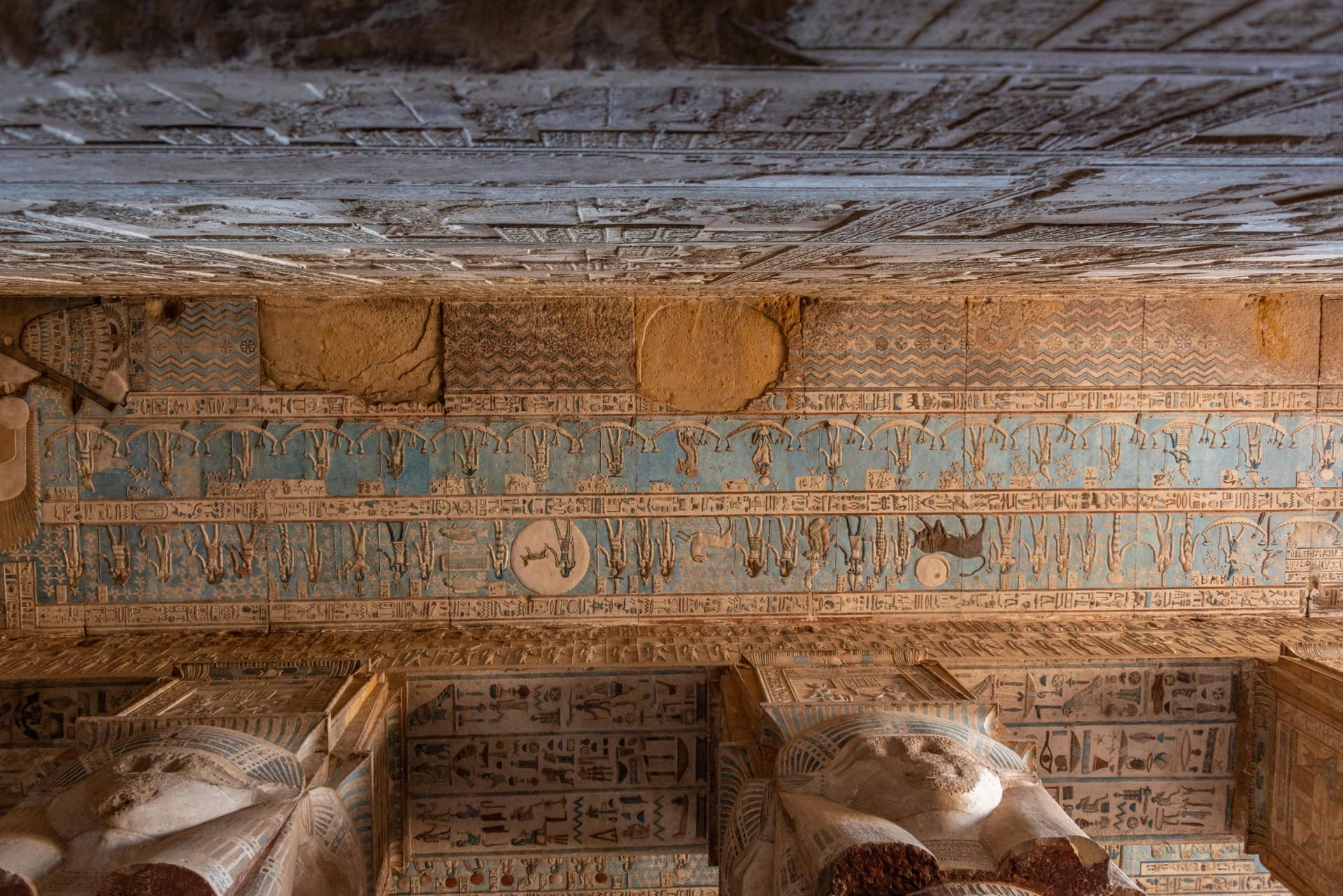
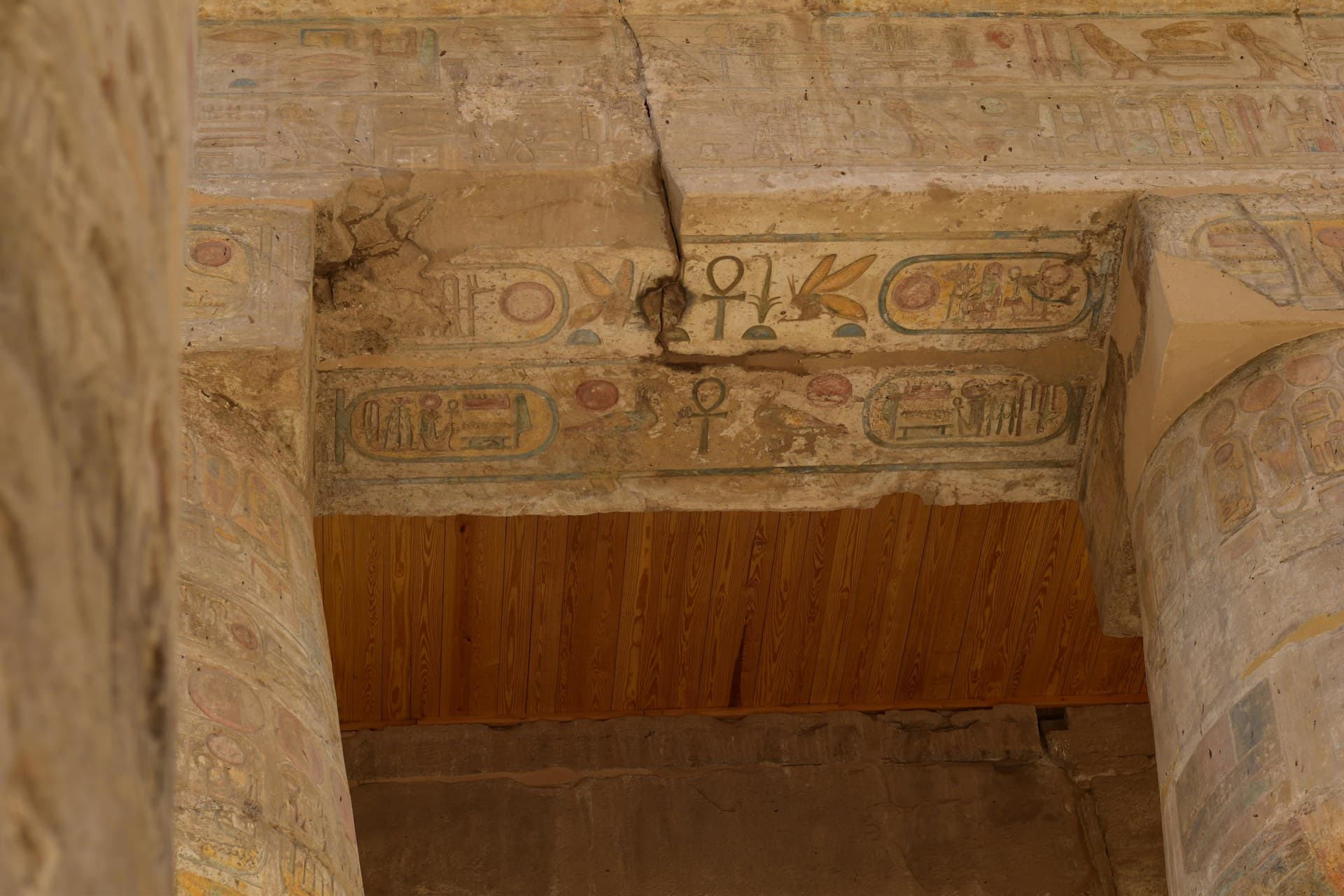
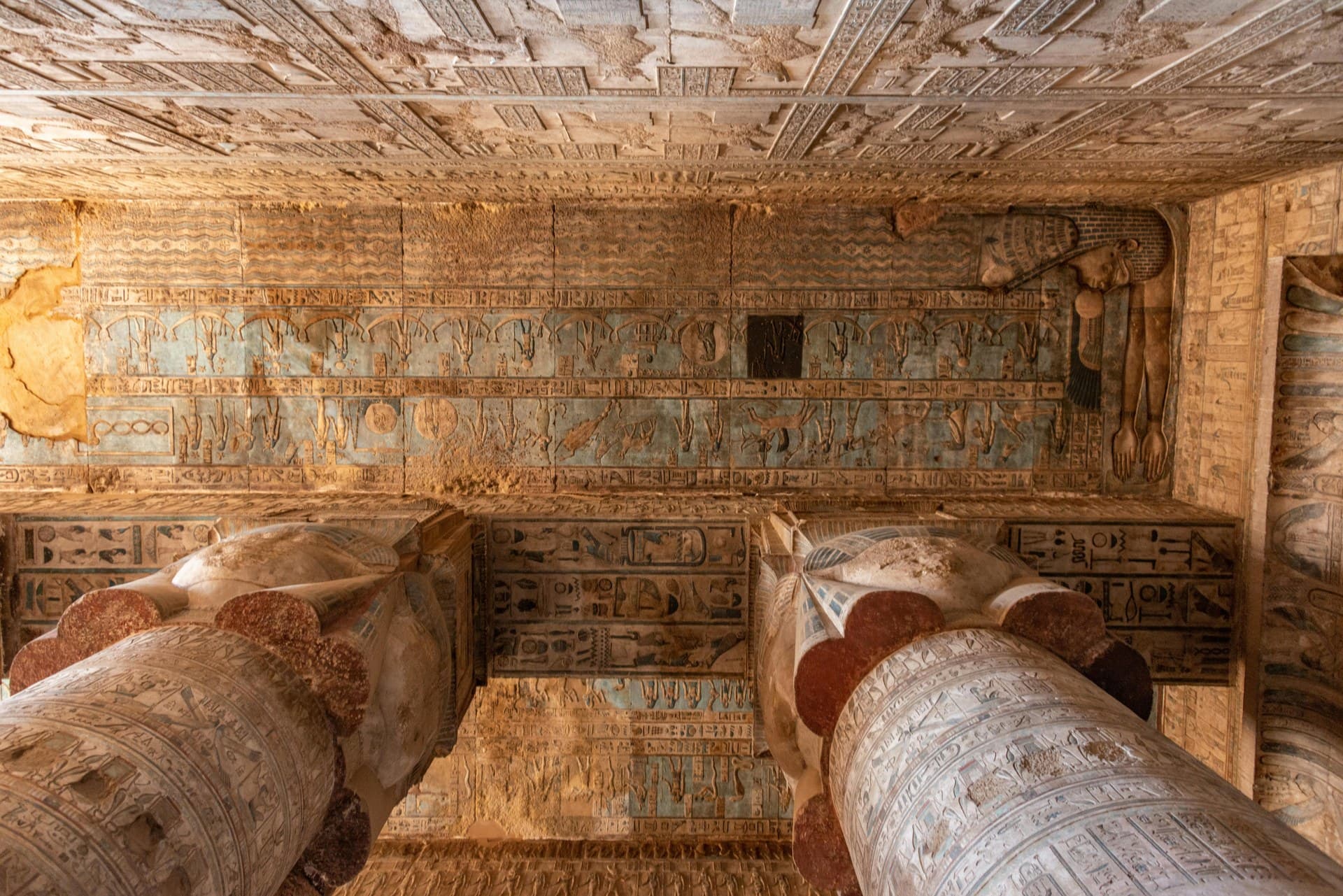
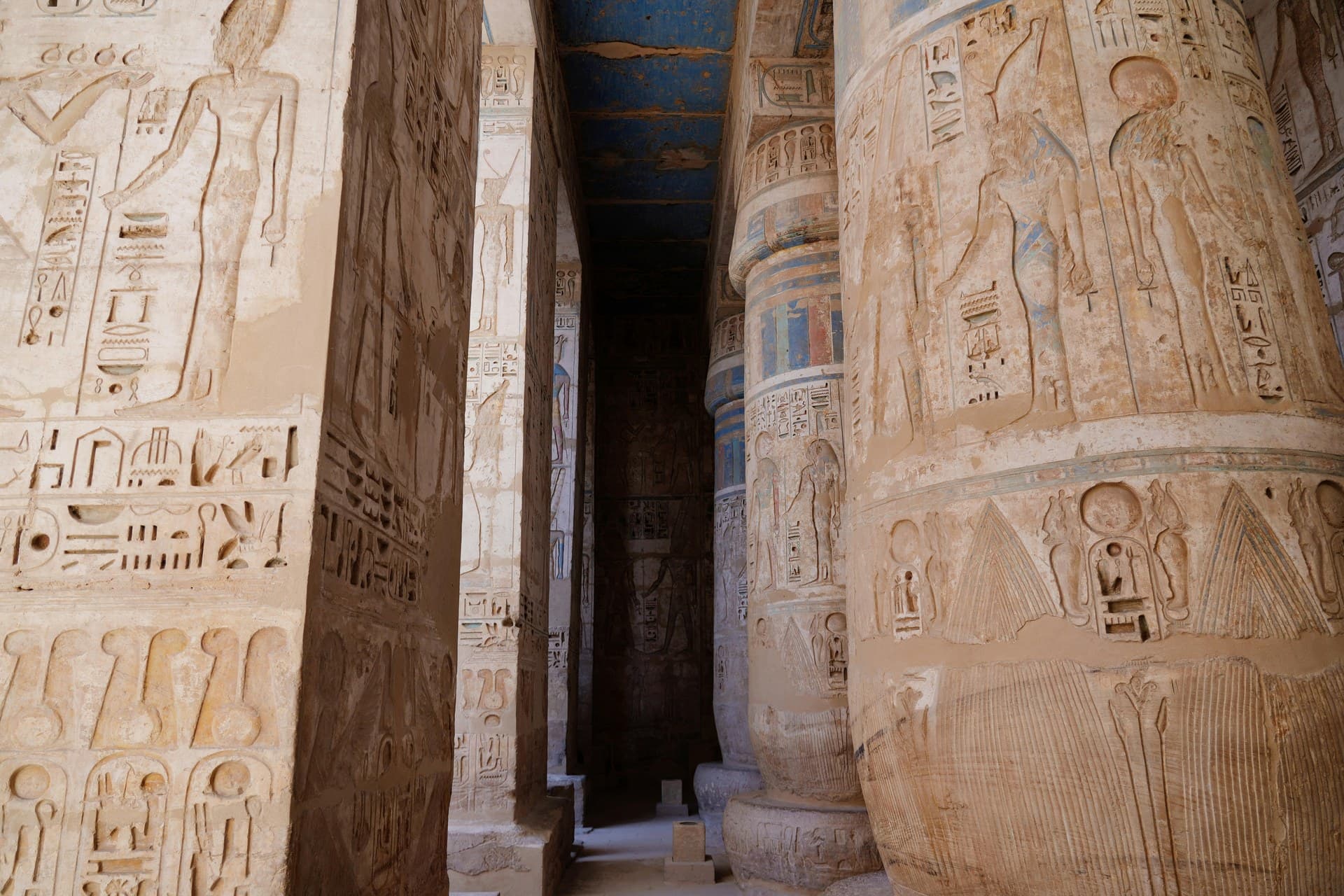
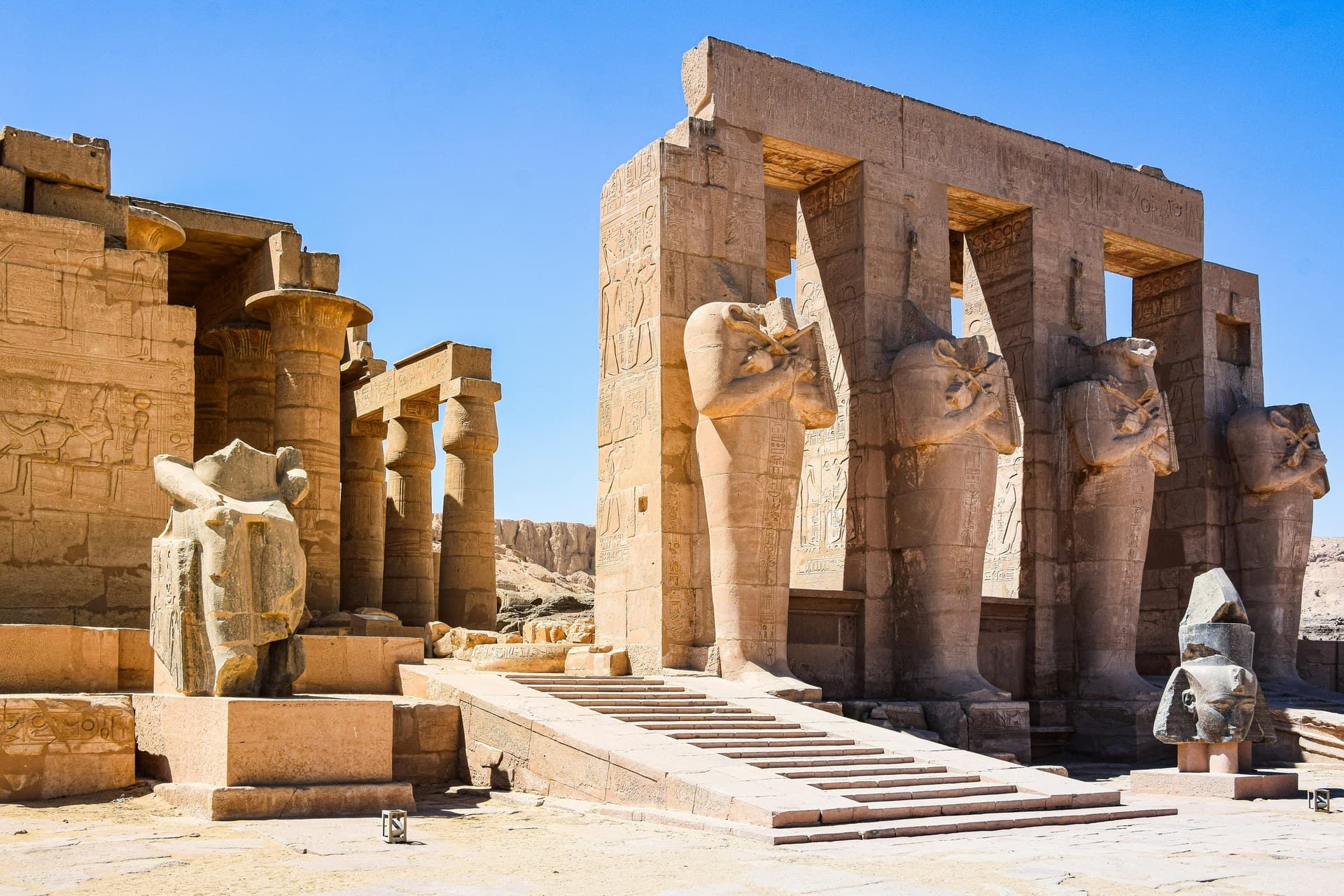
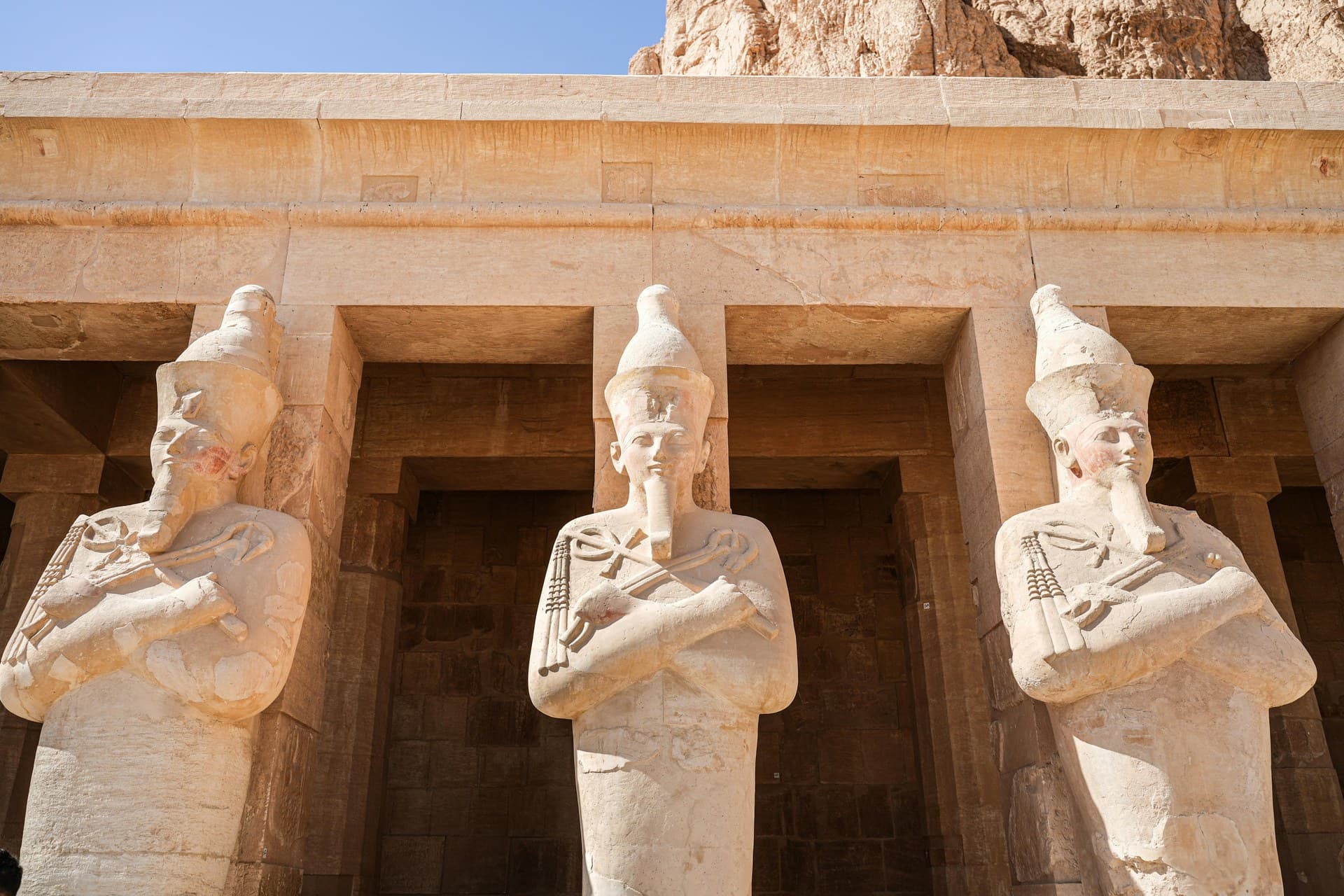
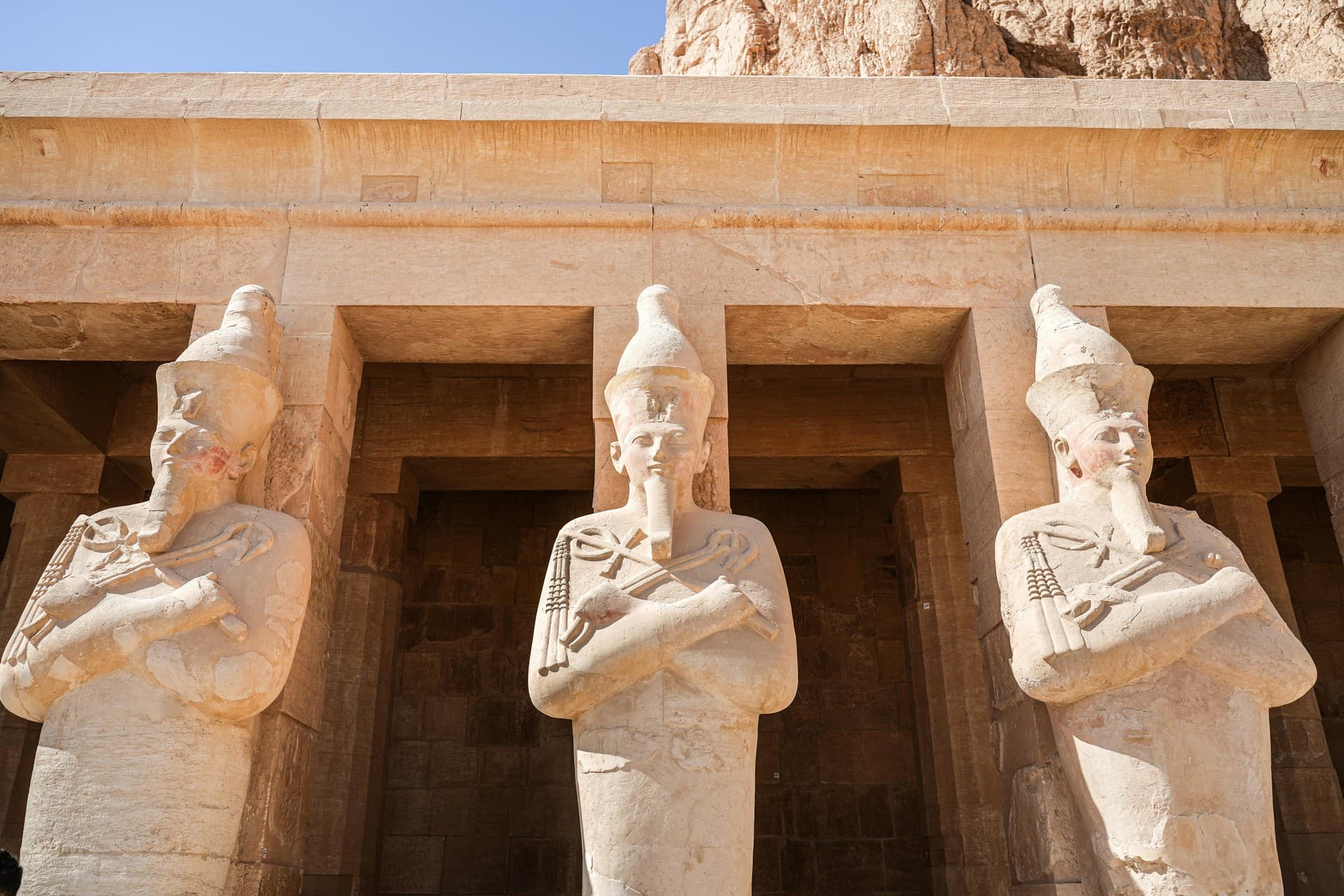
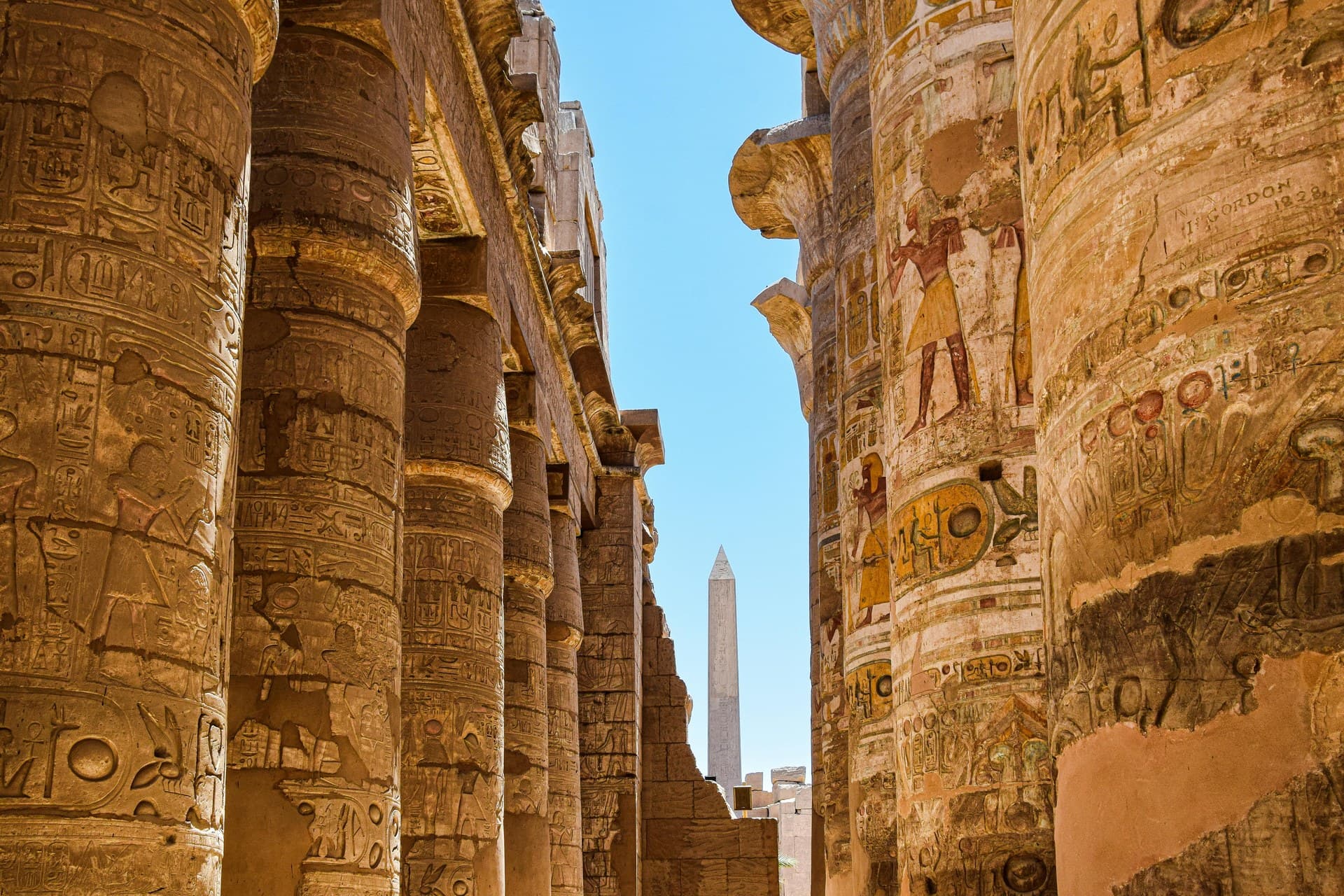
The massive painted reliefs and columns of the mortuary temple of Ramesses III at Medinet Habu
RecommendedTempleLuxor

Overview

Medinet Habu is the mortuary temple of Ramesses III, at the southern end of the Luxor west bank. It is enormous, it is remarkably intact, and on most mornings you will share it with almost nobody.

Regular visitors to Egypt tend to name it as their favourite site in Luxor.

Why visit Medinet Habu

Colour. This is the single best place in Egypt to see what a temple actually looked like. Whole ceilings and column capitals keep their original paint — deep blues, reds, greens and yellows — because the temple was buried and sheltered rather than exposed. After a week of bare sandstone it is genuinely startling.

Depth of carving. The reliefs at Medinet Habu are cut extraordinarily deep into the stone, partly so they could not easily be erased and recarved. The effect in raking morning light is dramatic.

And the reliefs record something specific: Ramesses III's wars against the Sea Peoples, including a naval battle. They are one of the primary sources for a migration and collapse that ended the Bronze Age across the eastern Mediterranean. You are looking at contemporary reporting on a historical crisis.

History of Medinet Habu

Ramesses III reigned in the 12th century BC and is often described as the last great pharaoh of the New Kingdom. His temple was modelled in part on the Ramesseum of Ramesses II nearby.

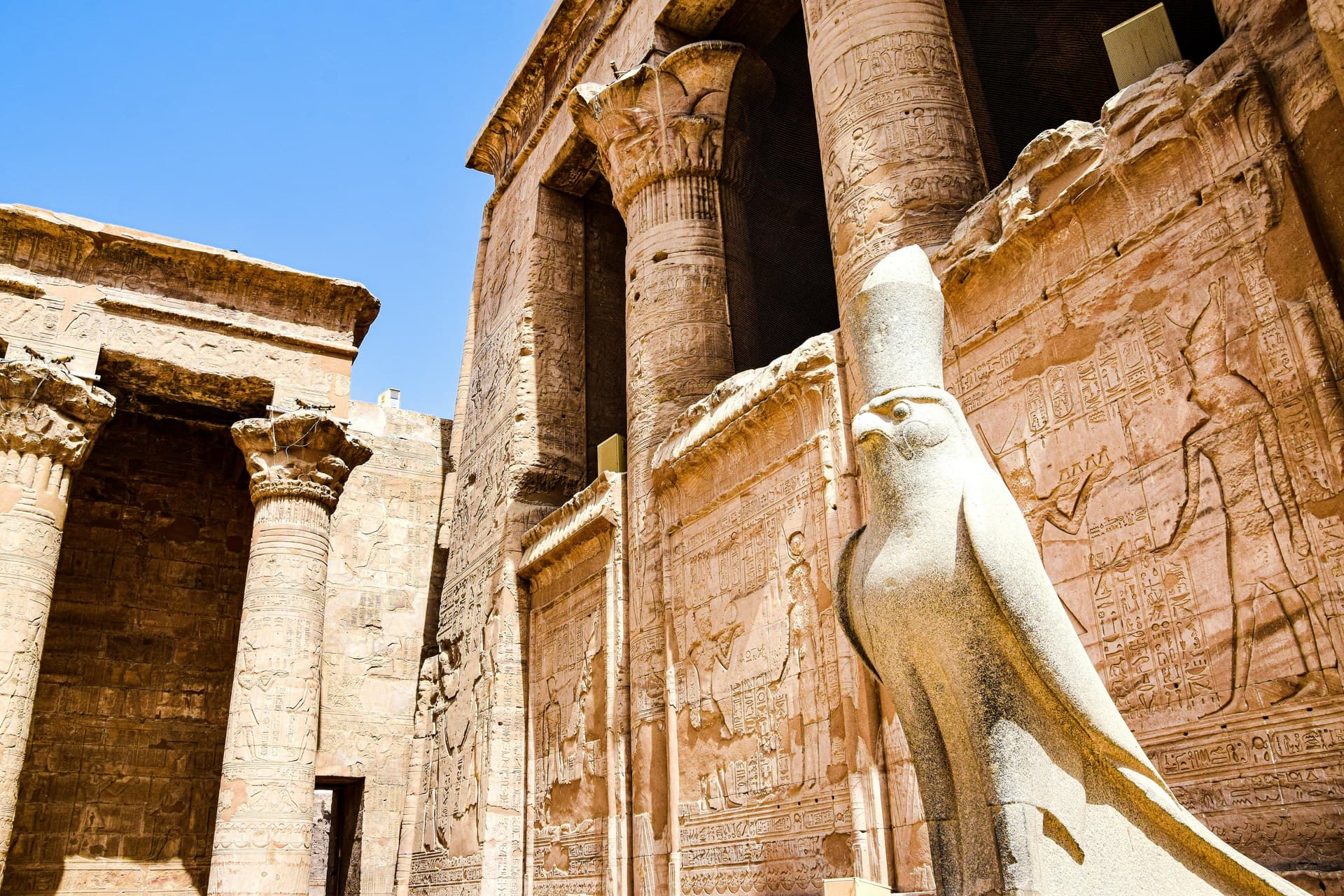
The complex is fortified, entered through a gatehouse built in the style of a Syrian fortress — an unusual thing for an Egyptian temple and a sign of the period's insecurity.

The fortification turned out to matter. In the troubled decades at the end of the New Kingdom the walled enclosure became the administrative centre of the whole west bank — grain stores, offices, the workmen's payroll — and the population moved inside its walls for safety. A temple ended its working life as a walled town.

Ramesses III's own death is part of the record too: the trial documents of the harem conspiracy describe a plot against him from inside the palace, and a modern CT study of his mummy found evidence of a cut throat. Palace intrigue, documented on papyrus and, three thousand years later, in a scanner.

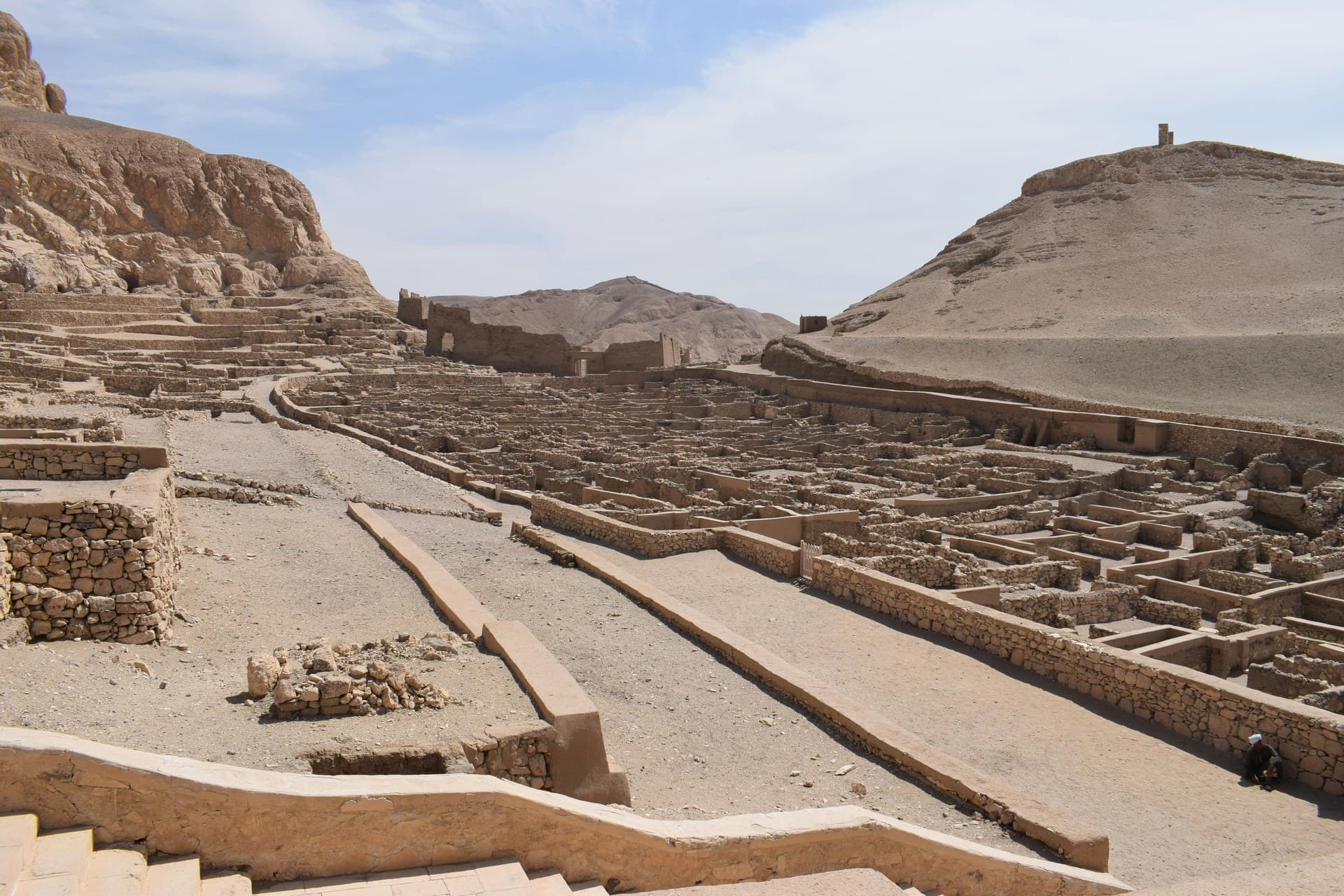
Later it became the centre of the town of Djeme, and Coptic settlement filled and covered much of the site, which is part of why so much survived. Records from the workers' village of Deir el-Medina, close by, include accounts of the first recorded labour strike in history during Ramesses III's reign.
What to see at Medinet Habu

  • The Syrian-style fortified gatehouse at the entrance
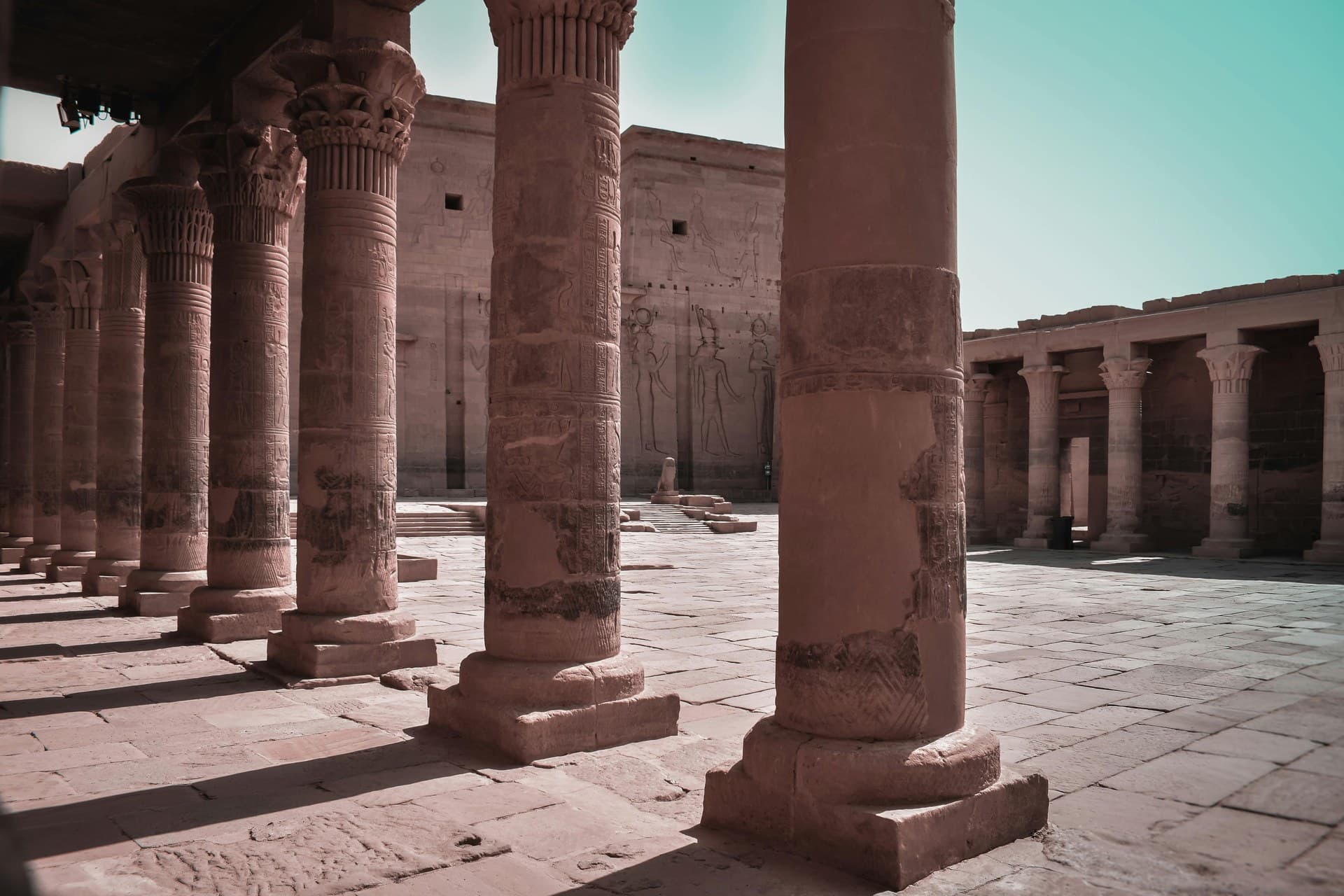
  • The second court, with painted portico ceilings and column capitals keeping their original colour
  • The Sea Peoples reliefs, including the naval battle
  • The deeply cut hunting and war scenes on the exterior pylon
  • The window of appearances, where the king showed himself between palace and court
  • The small earlier temple of the Eighteenth Dynasty within the enclosure
  • The near-total absence of other visitors

Best time to visit Medinet Habu

Morning, for light on the deep reliefs and cooler walking

Opening Hours and Tickets

Opening hours: Daytime hours with seasonal variation.

A single admission ticket at the entrance.

Opening hours and ticket prices may change. Please confirm the latest details before visiting.

How to get to Medinet Habu

At the southern end of the Luxor west bank, past the Colossi of Memnon. Reached with a driver as part of a west-bank circuit.

Nearby Attractions

Tours that include Medinet Habu

Luxury Cairo, Luxor and Aswan Package

Luxury Cairo, Luxor and Aswan Package

An upscale private journey that combines Cairo highlights, a polished Luxor stay, and a refined Aswan finish.

Classic Cairo and Luxor Private Tour

Classic Cairo and Luxor Private Tour

A first-time Egypt itinerary that balances Cairo icons with Luxor's major temple sites over one well-paced private journey.

06 Days Cairo to Luxor Tour

06 Days Cairo to Luxor Tour

Experience the essence of Egypt in just six days on this immersive journey from Cairo to Luxor. Begin in the capital, where you’ll stand before the legendary Pyramids of Giza, explore the Grand Egyptian Museum, and wander through the historic Citadel and the lively Khan El Khalili Bazaar. Then, fly south to Luxor to uncover the monumental temples of Karnak and Luxor, glide above the ancient city in a hot air balloon, and walk through the Valley of the Kings. This thoughtfully designed itinerary combines expert guidance, seamless travel, and a perfect balance of history and culture for an unfor

4 Night Luxor to Aswan Nile Cruise

4 Night Luxor to Aswan Nile Cruise

A classic Nile cruise itinerary with temple visits, river views, and a comfortable four-night rhythm.

4-Day Nile Cruise from Aswan to Luxor

4-Day Nile Cruise from Aswan to Luxor

Set sail on a captivating 4-day Nile cruise from Aswan to Luxor, where the ancient world unfolds before your eyes. Journey along the legendary Nile River and uncover Egypt’s most iconic temples and monuments. Begin in Aswan with visits to the High Dam and the enchanting Philae Temple, then continue to Kom Ombo and Edfu to explore magnificent sanctuaries dedicated to ancient gods. As you sail northward, reach Luxor—the open-air museum of Egypt—home to the grand Karnak and Luxor Temples and the royal tombs of the Valley of the Kings. With expert-guided tours, comfortable accommodations, and full

4 Day 3 Night Nile Cruise from Aswan to Luxor

4 Day 3 Night Nile Cruise from Aswan to Luxor

Set sail on a remarkable 4-day, 3-night Nile cruise from Aswan to Luxor, where the grandeur of ancient Egypt unfolds before your eyes. Journey along the legendary Nile River aboard a comfortable cruise ship, visiting some of the most iconic archaeological sites in the world. Discover the enchanting Temple of Philae in Aswan, the twin sanctuaries of Kom Ombo, and the magnificent Temple of Horus in Edfu. Continue to Luxor to explore the Valley of the Kings, the Temple of Hatshepsut, and the colossal statues of Memnon on the West Bank, before concluding your adventure at the awe-inspiring Karnak

Travel Tips Before Visiting

Go in the morning for the raking light. The deep carving on the pylon reads best when the sun is low and across it. Look up. The surviving colour is mostly on ceilings and capitals, and visitors who keep their eyes at eye level miss the entire reason to be here. Walk the outside of the pylon before you go in. The great wild-bull hunt is on the rear exterior face, and most visitors never see it. It is the least crowded major site in Luxor, which makes it the right place to slow down after the queues in the Valley of the Kings. The last hour of the day is the quiet version of the quiet version. The site keeps its low raking light twice a day, and late afternoon is often completely empty.