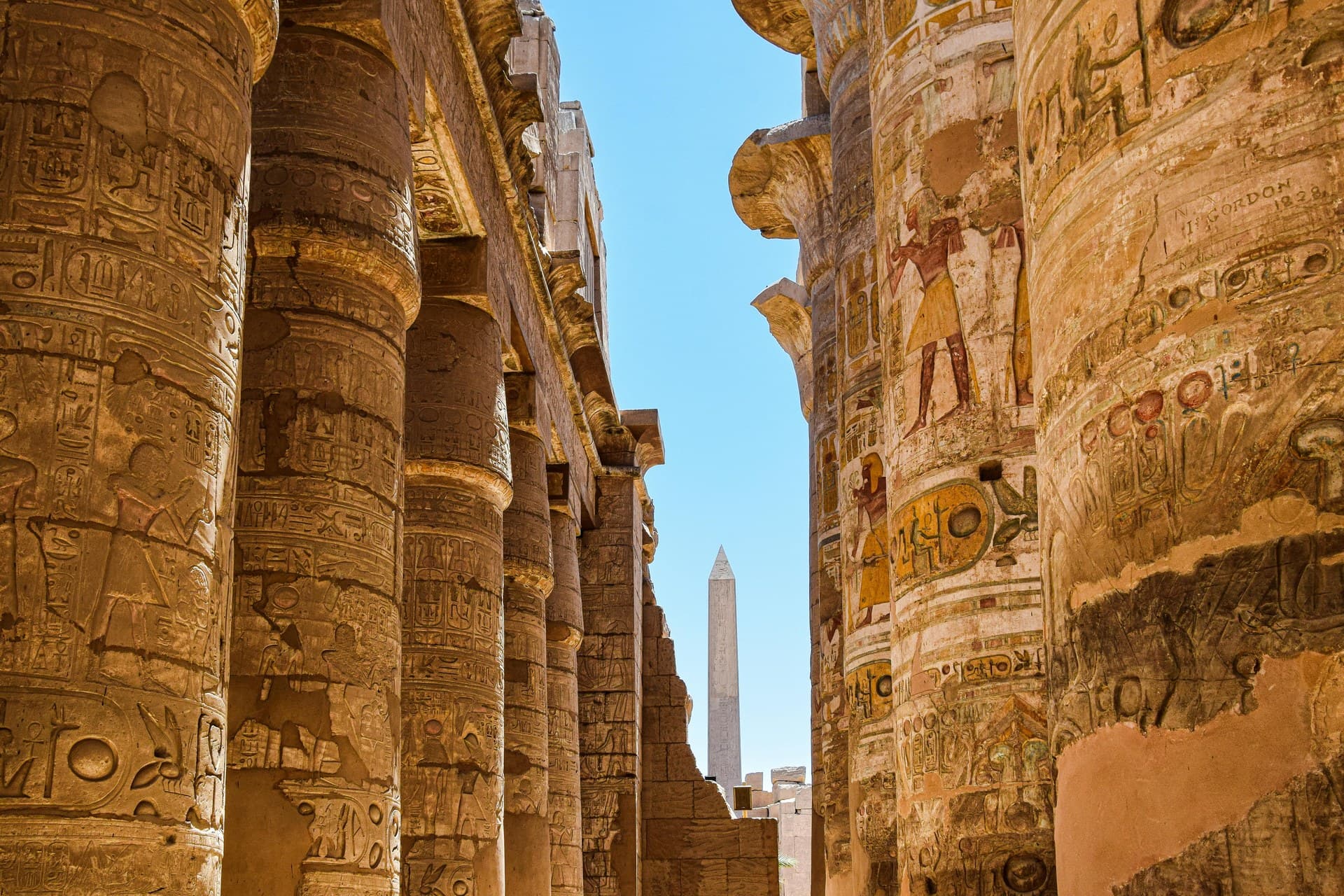
Attraction

The Valley of the Queens

The southern valley of the Theban necropolis, where queens and royal children were buried — and where the finest painted tomb in Egypt is cut into the rock.

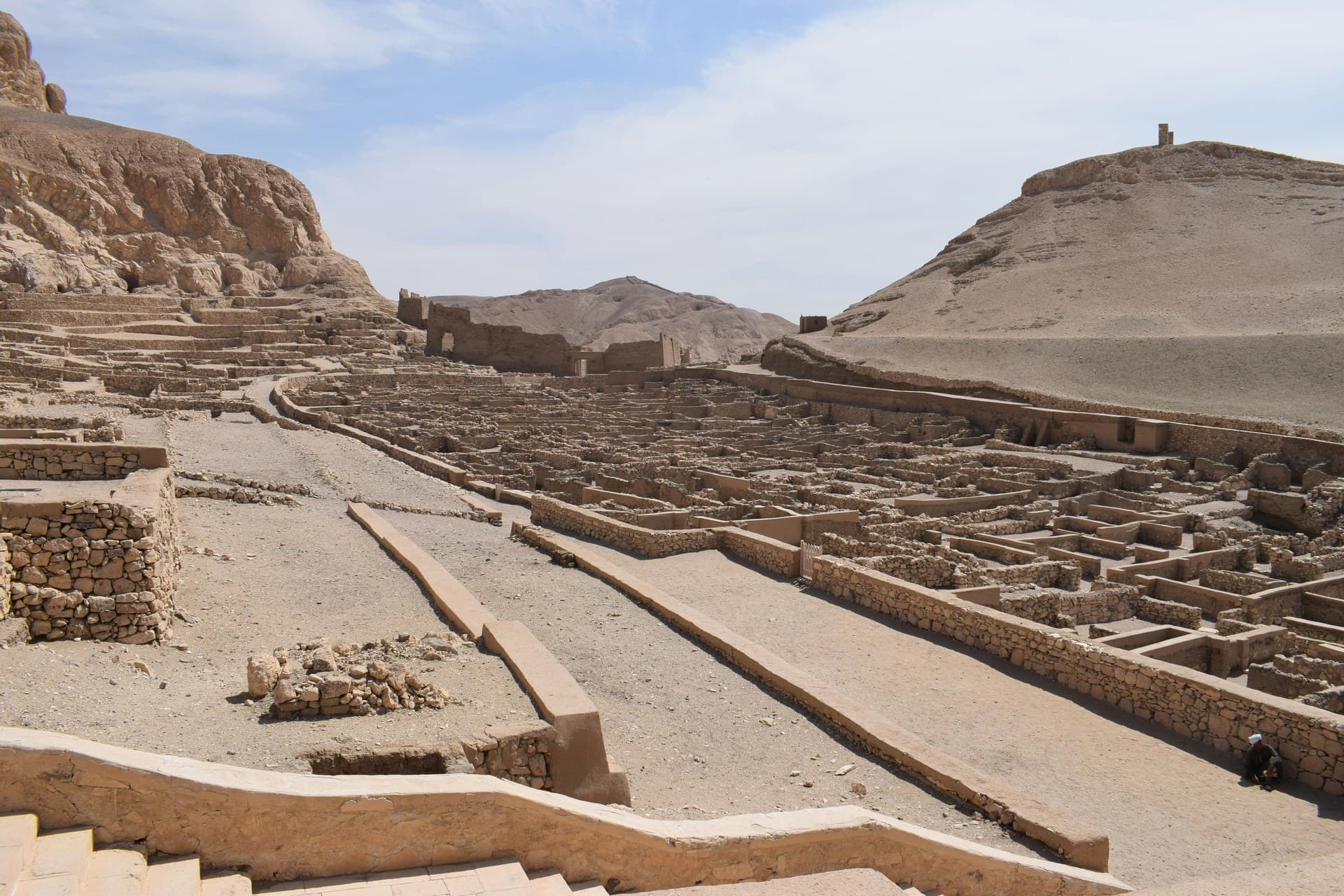
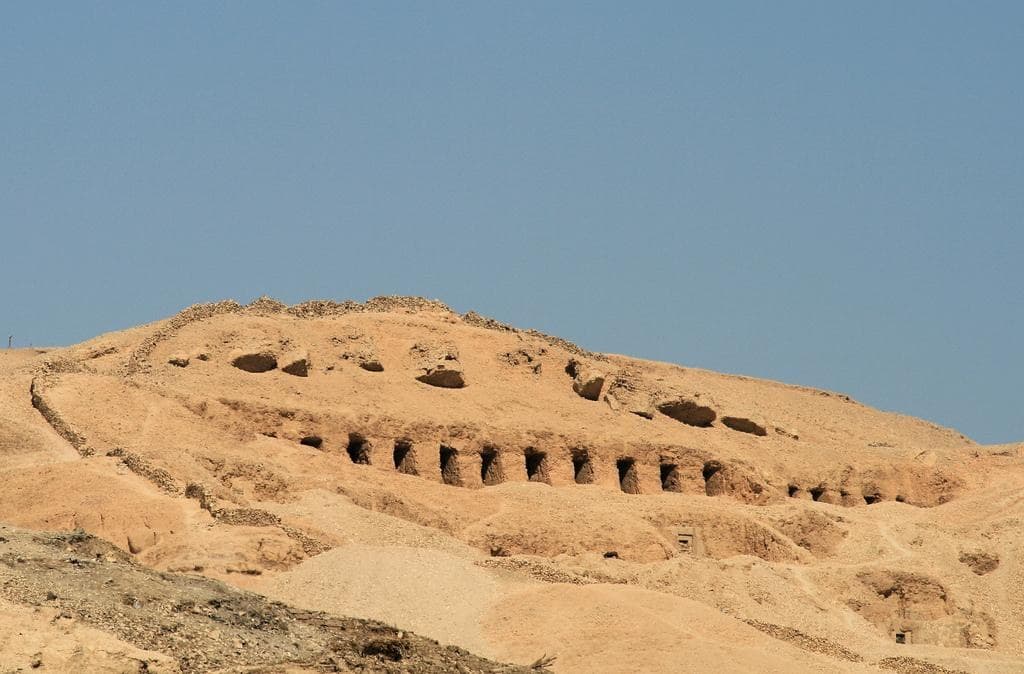
The bare hillside of the Valley of the Queens on the Luxor west bank with the row of rock-cut tomb entrances along it
Archaeological siteLuxor

Overview

The Valley of the Queens sits at the southern end of the Luxor west bank, a short drive beyond Medinet Habu and well away from the coaches at the Valley of the Kings. Its ancient name was Ta-Set-Neferu.

Around ninety tombs have been found here. They were cut for the wives, sons and daughters of the New Kingdom pharaohs — not for kings — and a small rotating handful are open at any time.

Why visit The Valley of the Queens

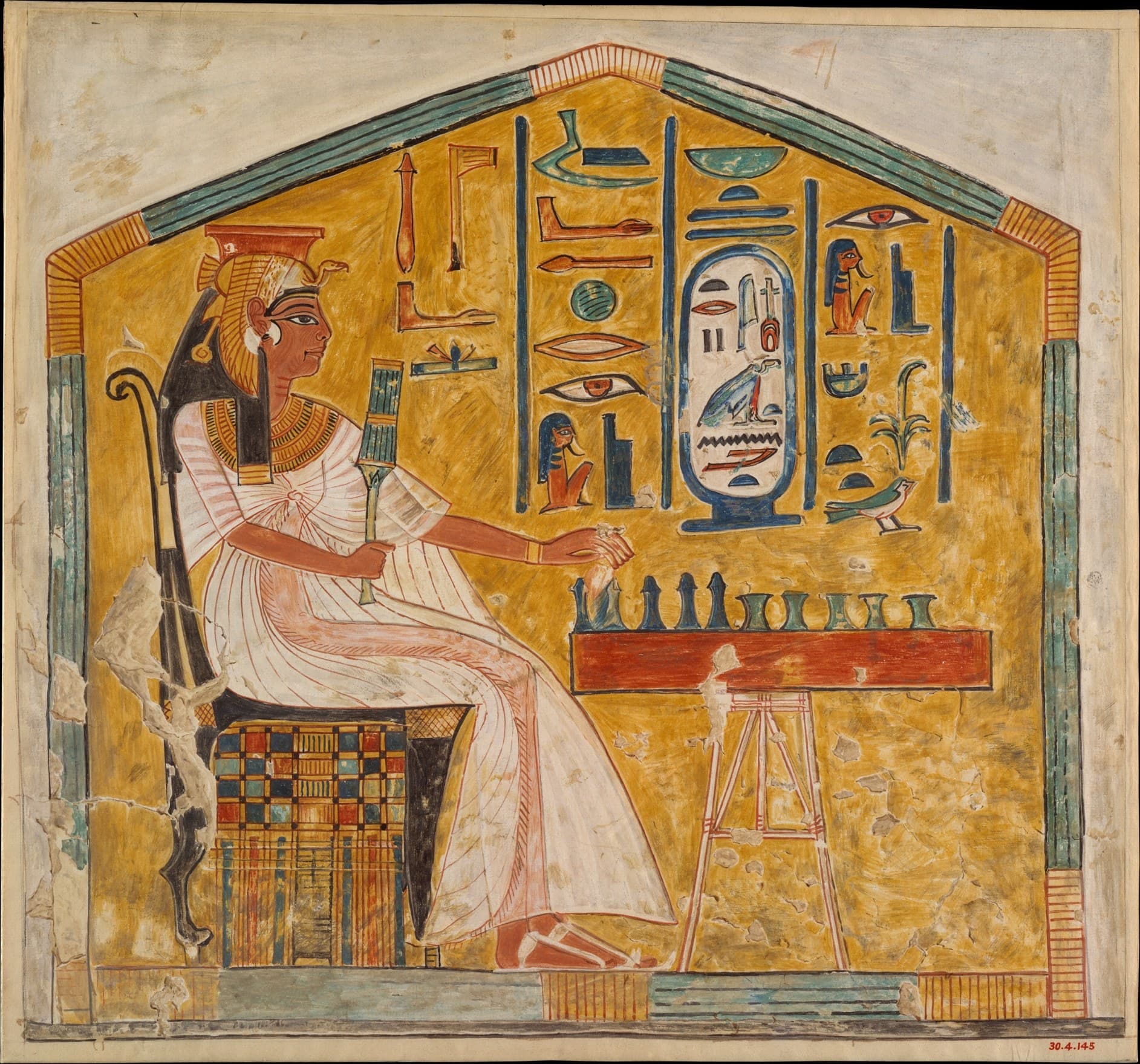
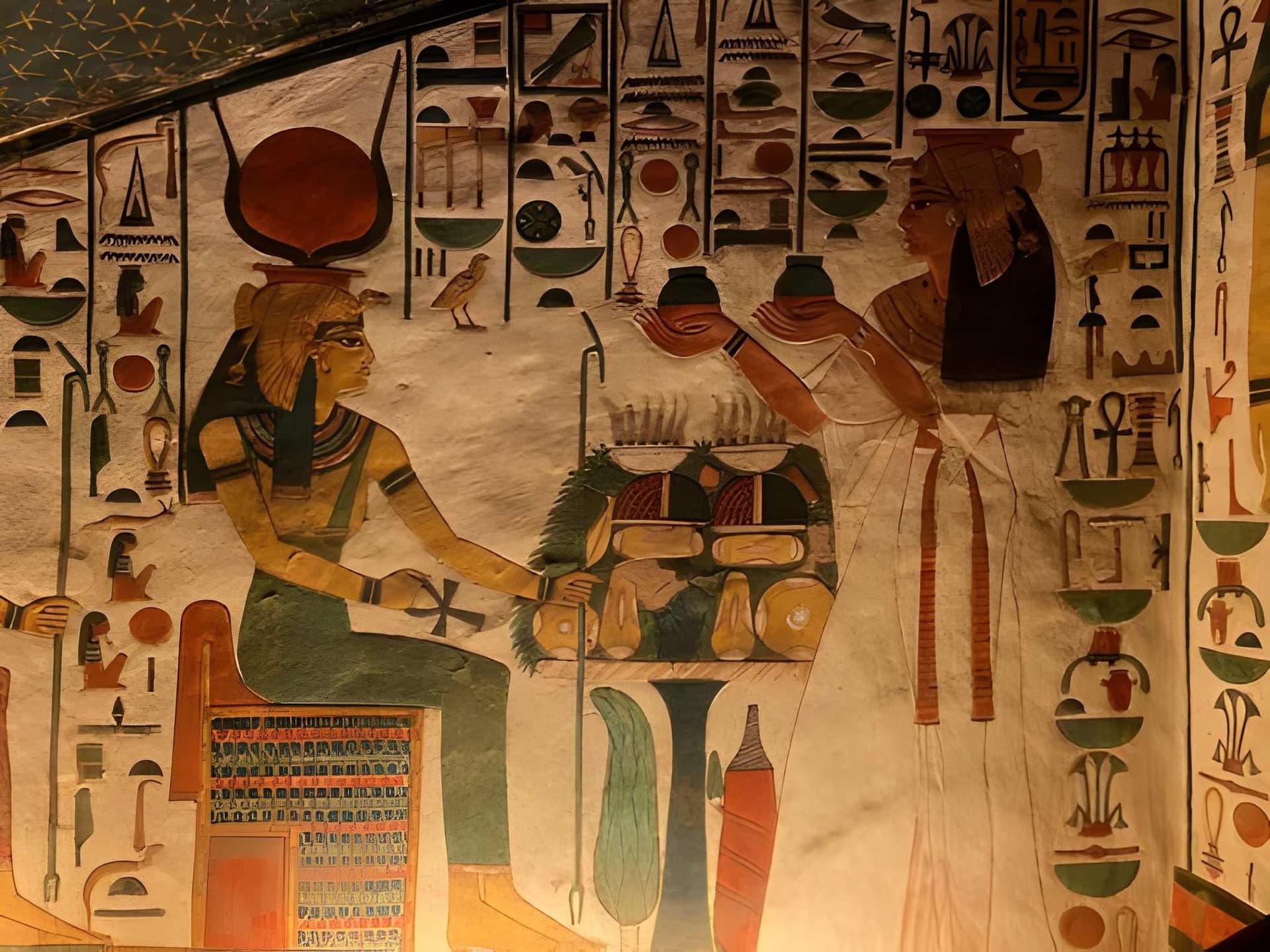
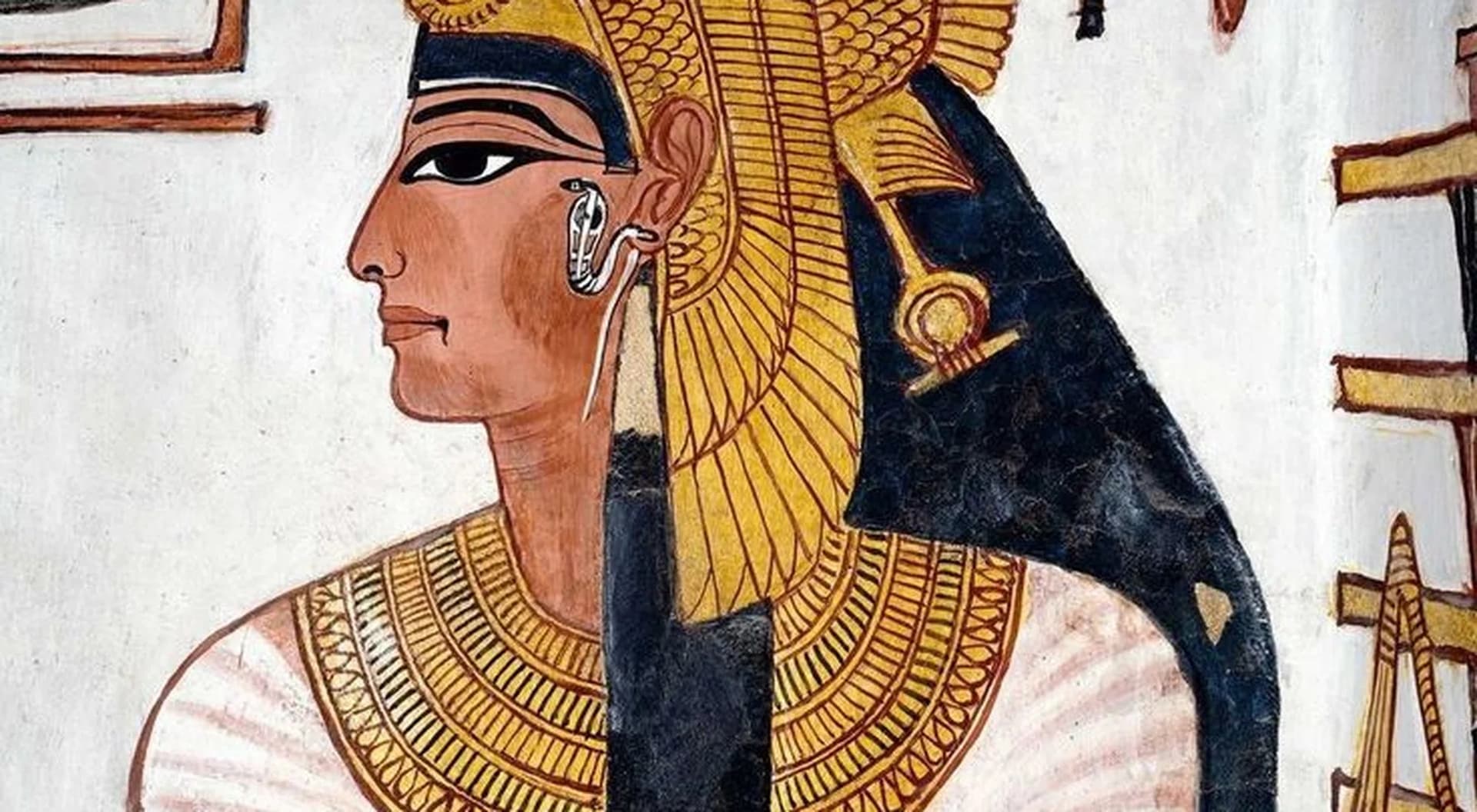
One tomb is the reason most people come: QV66, cut for Nefertari, the principal wife of Ramesses II. Its painted decoration is the finest that survives from ancient Egypt — figures modelled in a way no other tomb attempts, colour that looks a few years old rather than three thousand, and a ceiling of gold stars on deep blue over every chamber. It was conserved over several years by the Getty Conservation Institute working with the Egyptian antiquities authority, and the result is genuinely unlike anything else you can walk into.

The queen's tomb is not the whole valley. The tombs of two of Ramesses III's sons, Amunherkhepshef and Khaemwaset, are usually open on the standard ticket and are worth the walk on their own — the reliefs show the boys being led by their father through the gods of the underworld, and the colour in them is strong.

It is also far quieter than the Valley of the Kings. The valley itself is small, bare and hot, and most tour groups skip it because Nefertari's supplement puts it outside a standard package.
History of The Valley of the Queens

Royal wives and children were buried in the Valley of the Kings until the 19th dynasty, when the burials were moved to this separate valley to the south. Most of the tombs here date from the 19th and 20th dynasties.

Nefertari was the first and most prominent of the wives of Ramesses II, and the smaller of the two temples at Abu Simbel was dedicated to her. Her tomb was found by Ernesto Schiaparelli's Italian expedition in 1904, already robbed in antiquity — the paintings, not the contents, are what survived.

The valley was reused in later periods, and a Coptic settlement occupied part of it. Salt crystallising behind the plaster is the long-term threat to the paintings, which is why access to QV66 has been opened, closed and re-opened repeatedly since the restoration finished.

What to see at The Valley of the Queens

  • QV66, the tomb of Nefertari — the best-preserved painted tomb in Egypt
  • The tomb of Amunherkhepshef, son of Ramesses III, on the standard ticket
  • The tomb of Khaemwaset, with long processions of underworld deities
  • The starred blue ceilings that run through the whole of Nefertari's tomb
  • A valley that stays quiet even in high season

Best time to visit The Valley of the Queens

Early morning, both for the heat and because the daily cap on Nefertari's tomb is easier to meet at opening. October to April is the comfortable season.

Opening Hours and Tickets

Opening hours: Daytime hours with seasonal variation. Nefertari's tomb may keep shorter hours than the valley itself.

A general admission ticket at the entrance covers the tombs open that day. The tomb of Nefertari carries a separate and considerably higher supplement, bought at the ticket office before you enter. Photography permits are handled separately.

Opening hours and ticket prices may change. Please confirm the latest details before visiting.

How to get to The Valley of the Queens

At the southern end of the Luxor west bank, past Medinet Habu. Reached with a driver or as part of a west-bank circuit; it is too far to walk from the ferry.

Nearby Attractions

Tours that include The Valley of the Queens

Luxury Cairo, Luxor and Aswan Package

Luxury Cairo, Luxor and Aswan Package

An upscale private journey that combines Cairo highlights, a polished Luxor stay, and a refined Aswan finish.

Classic Cairo and Luxor Private Tour

Classic Cairo and Luxor Private Tour

A first-time Egypt itinerary that balances Cairo icons with Luxor's major temple sites over one well-paced private journey.

06 Days Cairo to Luxor Tour

06 Days Cairo to Luxor Tour

Experience the essence of Egypt in just six days on this immersive journey from Cairo to Luxor. Begin in the capital, where you’ll stand before the legendary Pyramids of Giza, explore the Grand Egyptian Museum, and wander through the historic Citadel and the lively Khan El Khalili Bazaar. Then, fly south to Luxor to uncover the monumental temples of Karnak and Luxor, glide above the ancient city in a hot air balloon, and walk through the Valley of the Kings. This thoughtfully designed itinerary combines expert guidance, seamless travel, and a perfect balance of history and culture for an unfor

4 Night Luxor to Aswan Nile Cruise

4 Night Luxor to Aswan Nile Cruise

A classic Nile cruise itinerary with temple visits, river views, and a comfortable four-night rhythm.

4-Day Nile Cruise from Aswan to Luxor

4-Day Nile Cruise from Aswan to Luxor

Set sail on a captivating 4-day Nile cruise from Aswan to Luxor, where the ancient world unfolds before your eyes. Journey along the legendary Nile River and uncover Egypt’s most iconic temples and monuments. Begin in Aswan with visits to the High Dam and the enchanting Philae Temple, then continue to Kom Ombo and Edfu to explore magnificent sanctuaries dedicated to ancient gods. As you sail northward, reach Luxor—the open-air museum of Egypt—home to the grand Karnak and Luxor Temples and the royal tombs of the Valley of the Kings. With expert-guided tours, comfortable accommodations, and full

4 Day 3 Night Nile Cruise from Aswan to Luxor

4 Day 3 Night Nile Cruise from Aswan to Luxor

Set sail on a remarkable 4-day, 3-night Nile cruise from Aswan to Luxor, where the grandeur of ancient Egypt unfolds before your eyes. Journey along the legendary Nile River aboard a comfortable cruise ship, visiting some of the most iconic archaeological sites in the world. Discover the enchanting Temple of Philae in Aswan, the twin sanctuaries of Kom Ombo, and the magnificent Temple of Horus in Edfu. Continue to Luxor to explore the Valley of the Kings, the Temple of Hatshepsut, and the colossal statues of Memnon on the West Bank, before concluding your adventure at the awe-inspiring Karnak

Travel Tips Before Visiting

Nefertari's tomb is a separate, expensive supplement and it is sold at the ticket office, not inside. Visits are time-limited and the number of people admitted each day is capped. Decide before you arrive whether you are paying for it. Check on the day whether QV66 is open at all. It has closed for conservation more than once. Do not build a trip around it without confirming locally first. Photography rules for Nefertari's tomb are stricter than elsewhere and have changed several times. Ask at the gate rather than being stopped inside. Go early. The valley is a shadeless bowl and the tombs get stuffy as the day warms up.