Top Attractions in Luxor
Explore the headline places in the Luxor cluster.
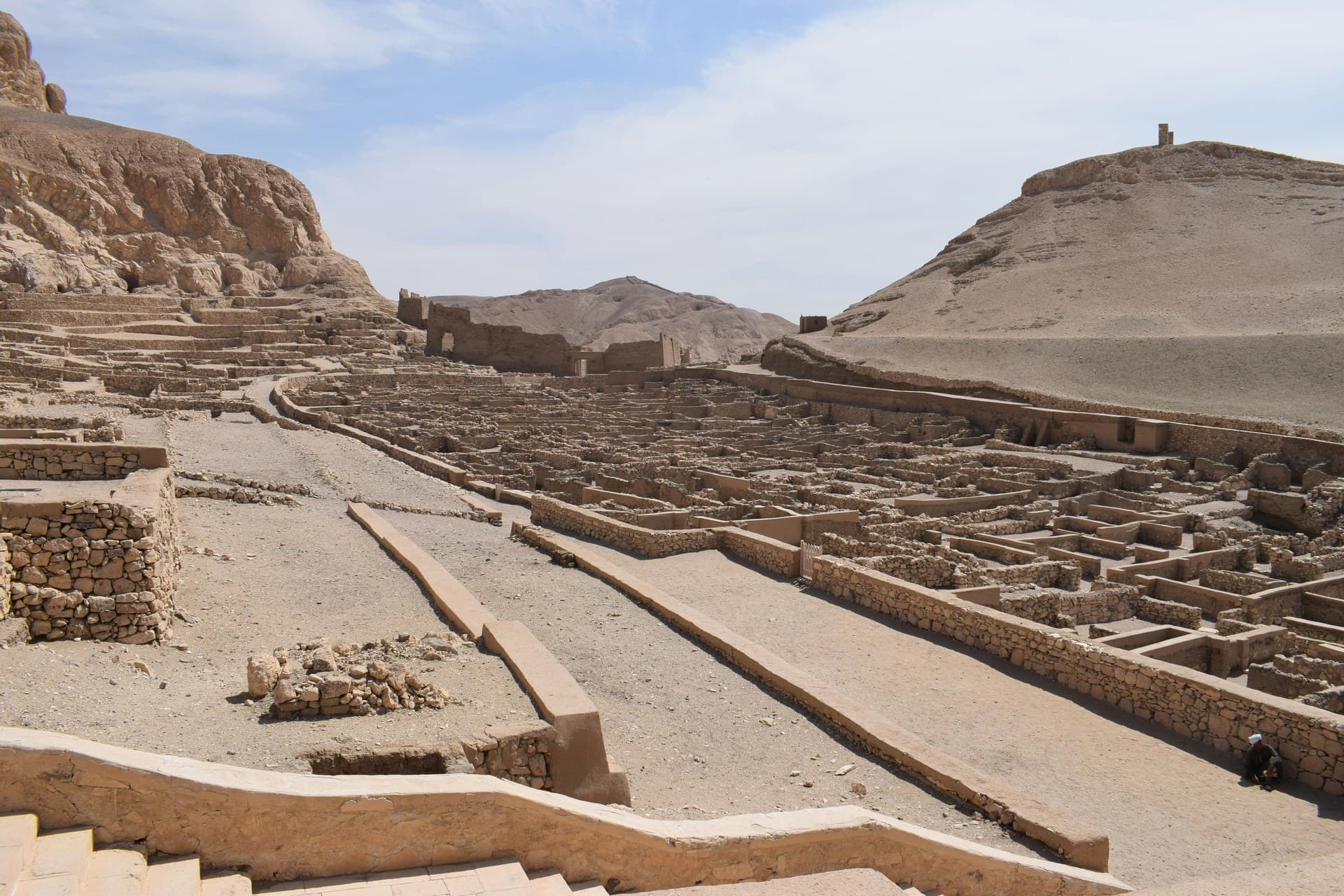
Deir el-Medina
The village of the men who cut and painted the royal tombs — the most completely documented community to survive from the ancient world.
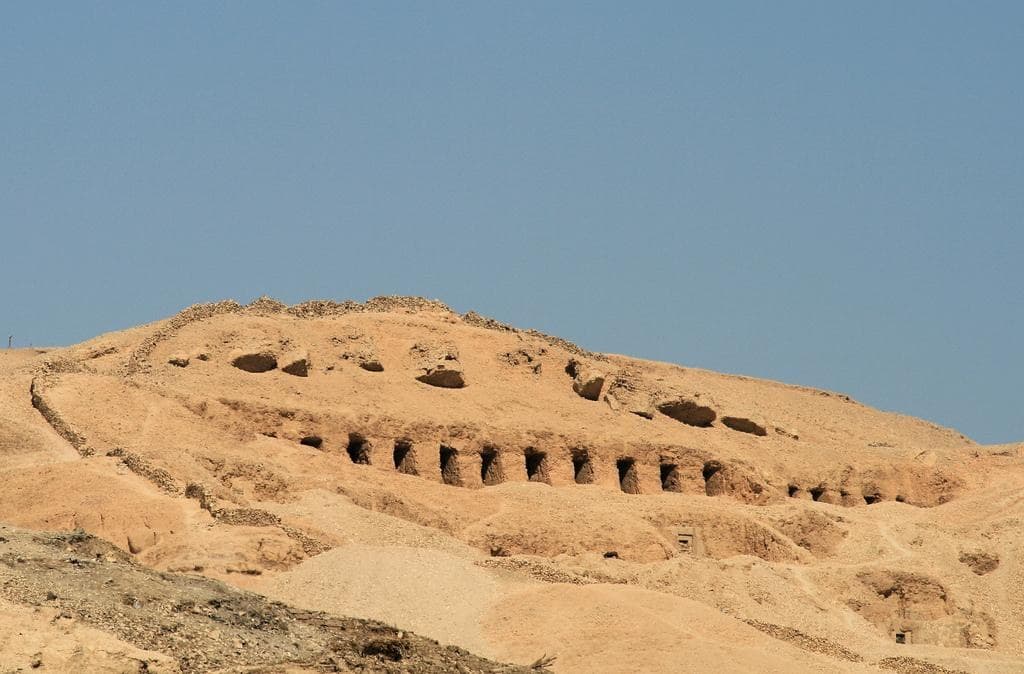
The Valley of the Queens
The southern valley of the Theban necropolis, where queens and royal children were buried — and where the finest painted tomb in Egypt is cut into the rock.
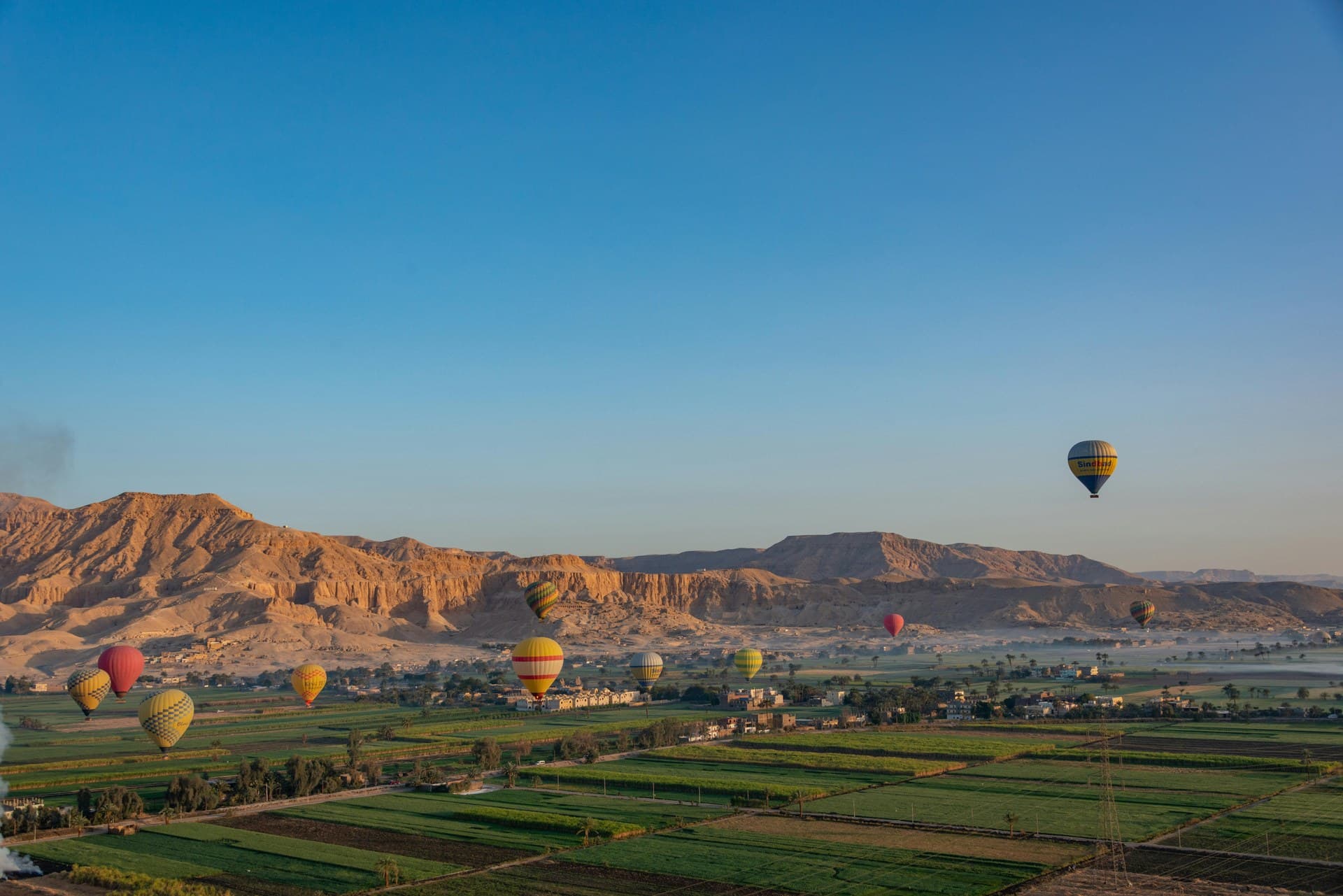
Hot Air Ballooning over Luxor
A sunrise flight over the west bank — temples, tombs, sugar cane fields and the Nile, from a few hundred metres up.
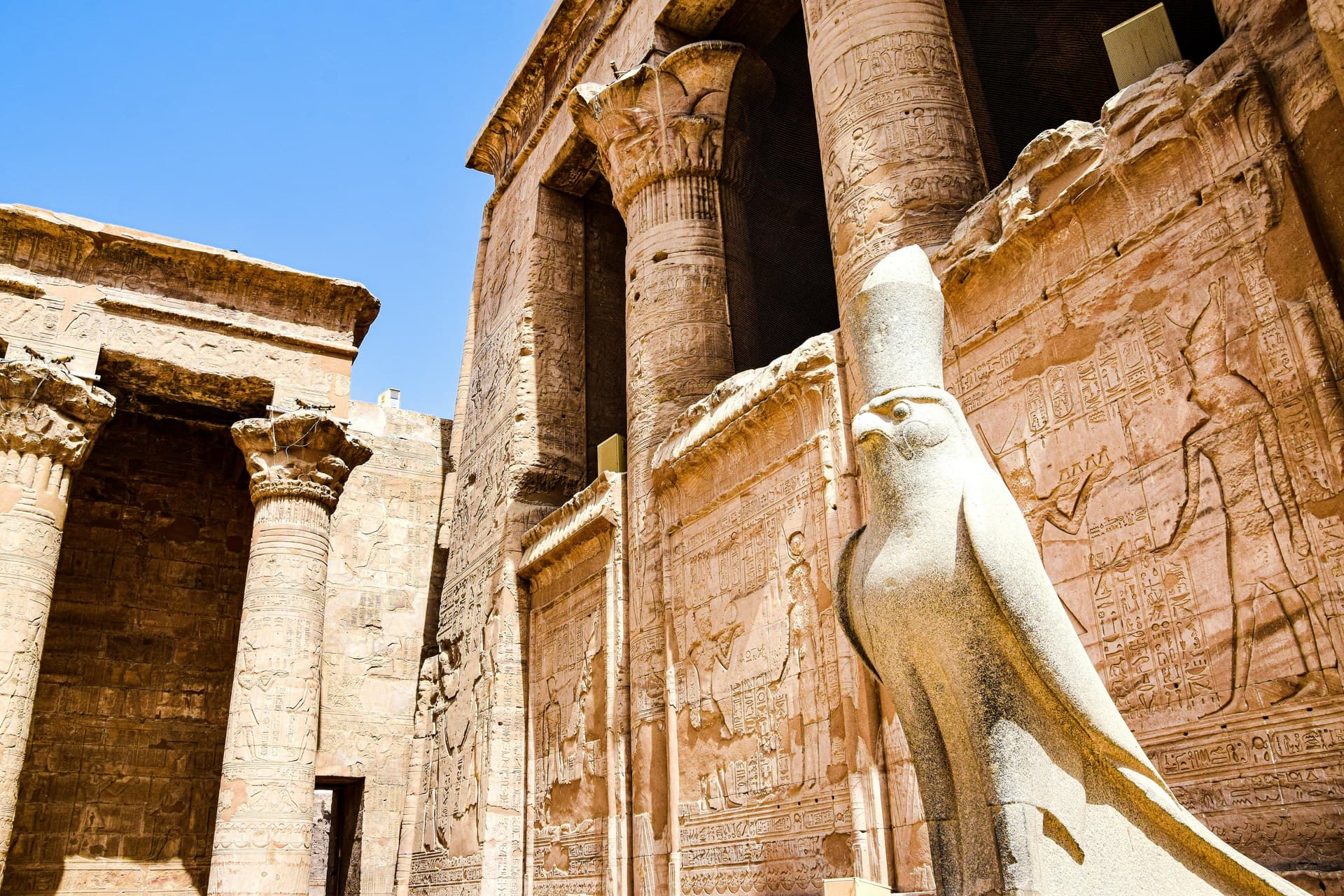
Medinet Habu
The mortuary temple of Ramesses III — the best-preserved painted colour of any large temple in Egypt, and almost always empty.
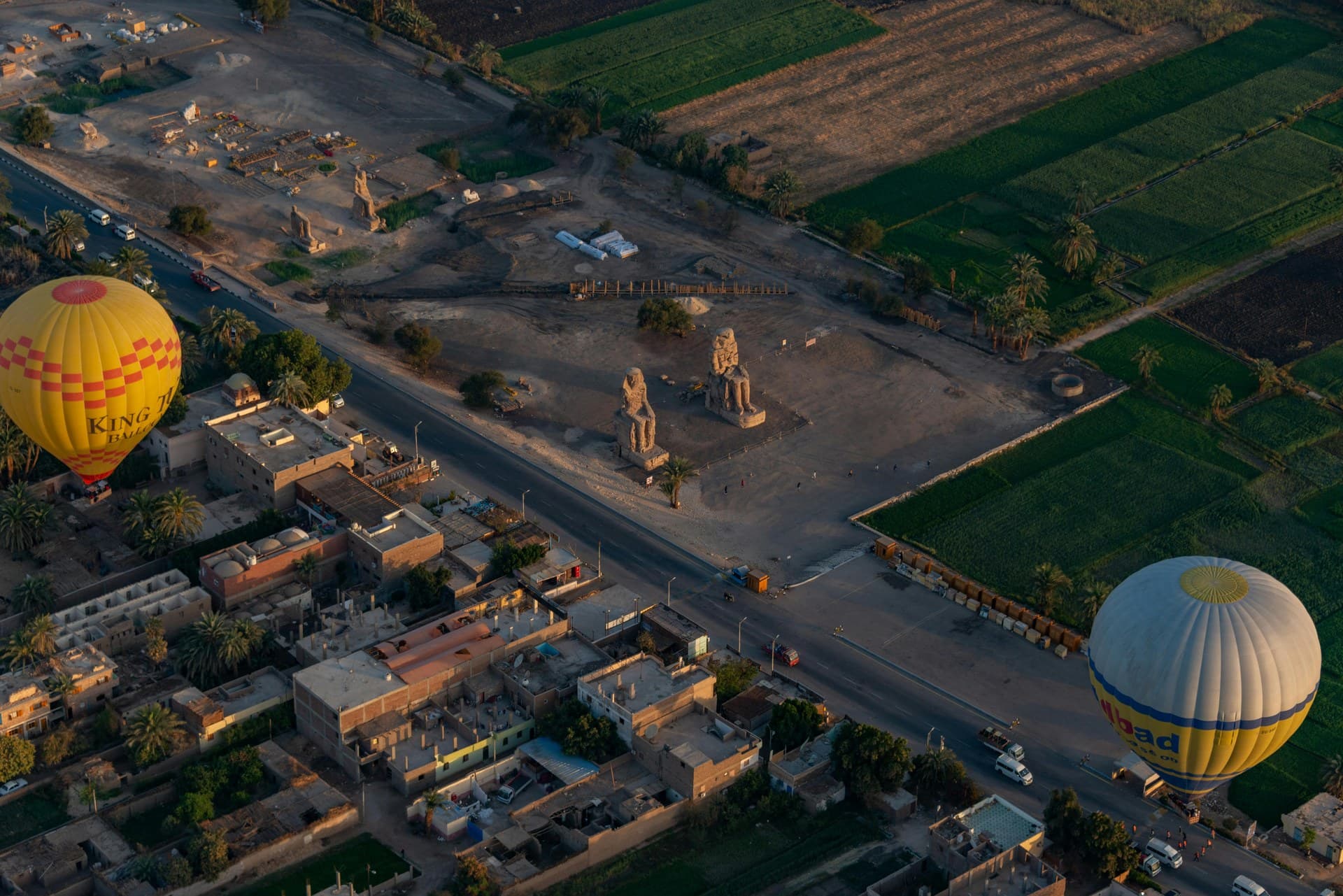
The Colossi of Memnon
Two enormous seated statues standing in a field — all that is easily visible of what was once the largest temple in Egypt.
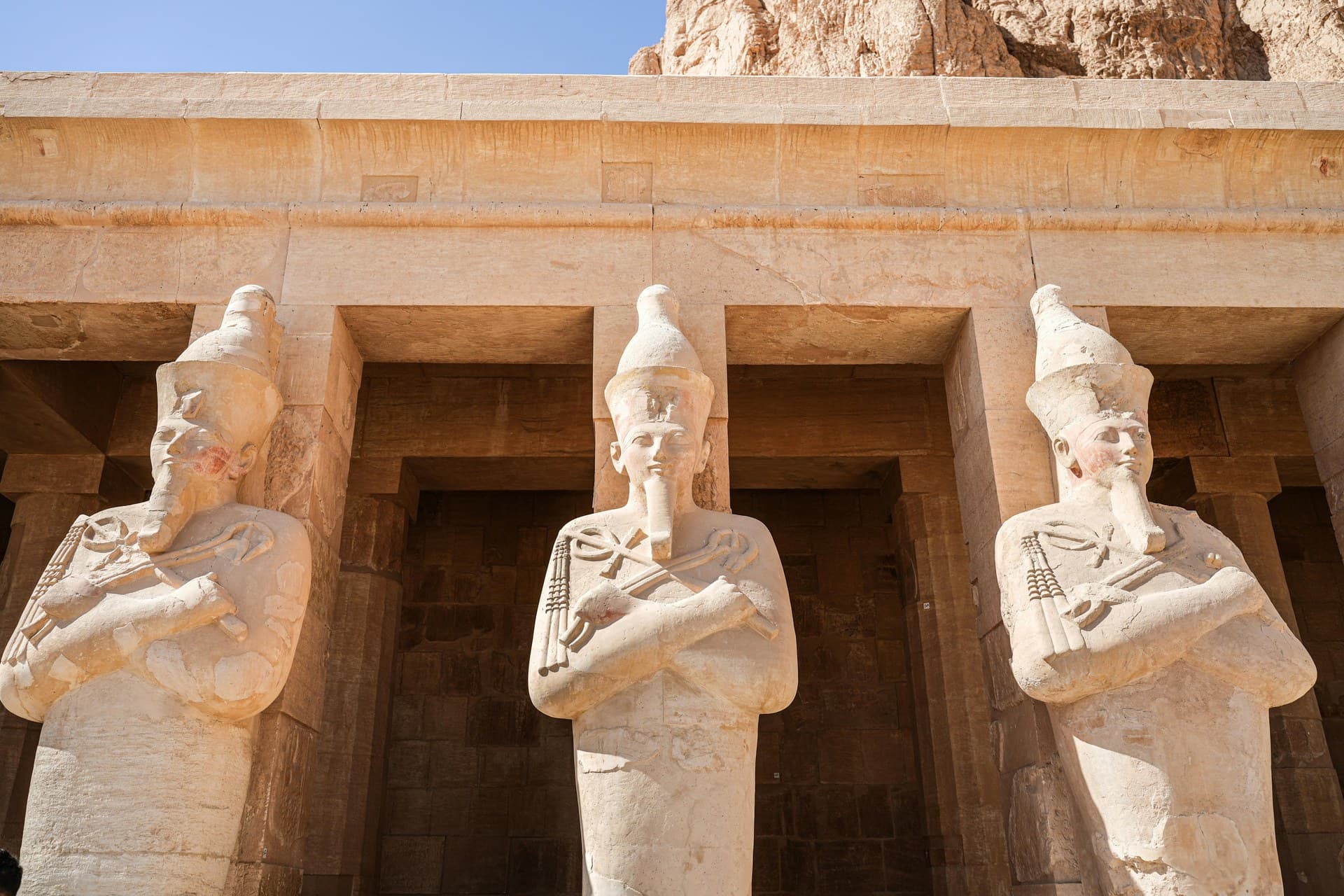
The Temple of Hatshepsut
Three colonnaded terraces cut into a cliff wall at Deir el-Bahari — the mortuary temple of the woman who ruled Egypt as king.
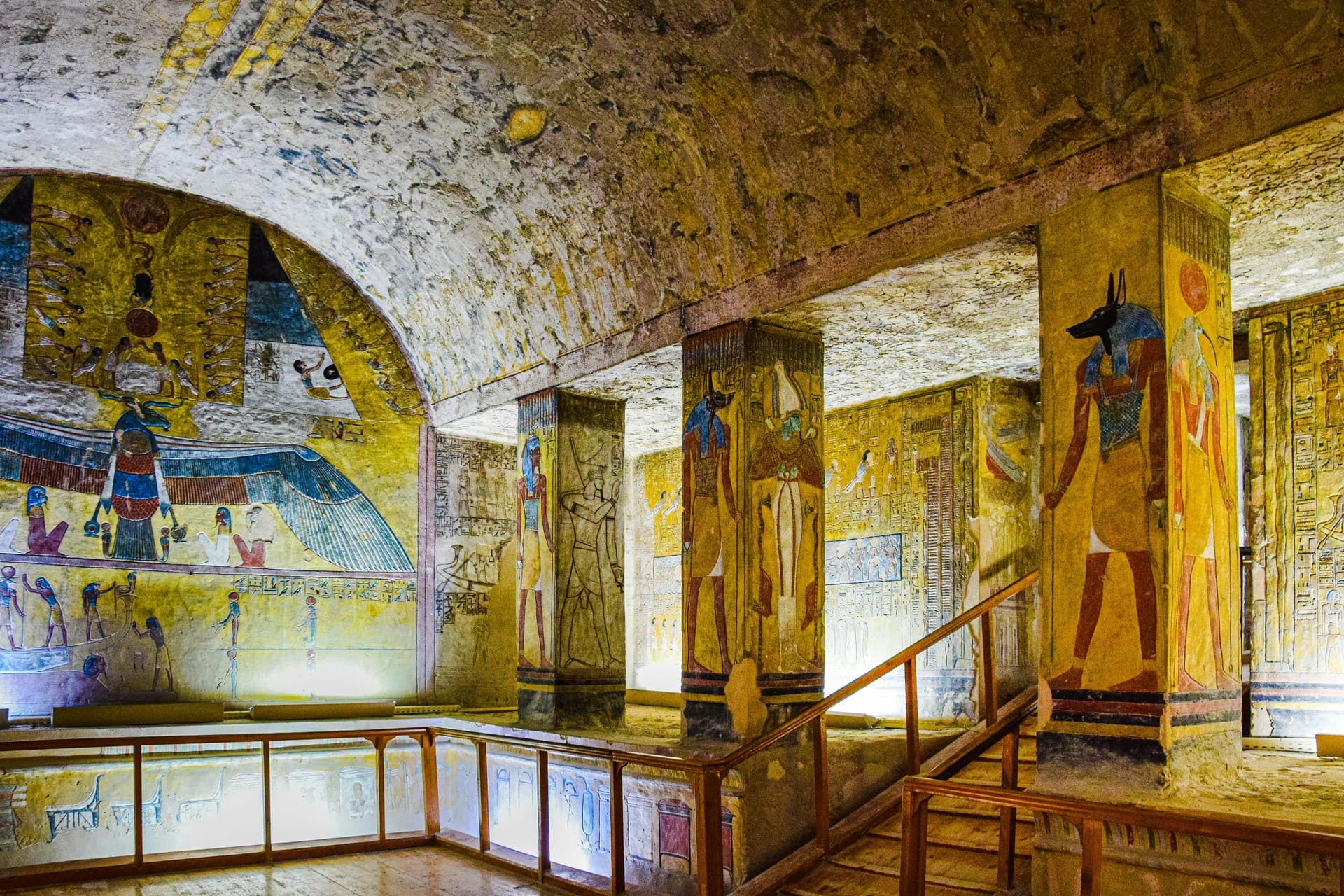
Valley of the Kings
A dry desert valley behind the Luxor west bank holding more than sixty rock-cut royal tombs, many with their painted decoration intact.
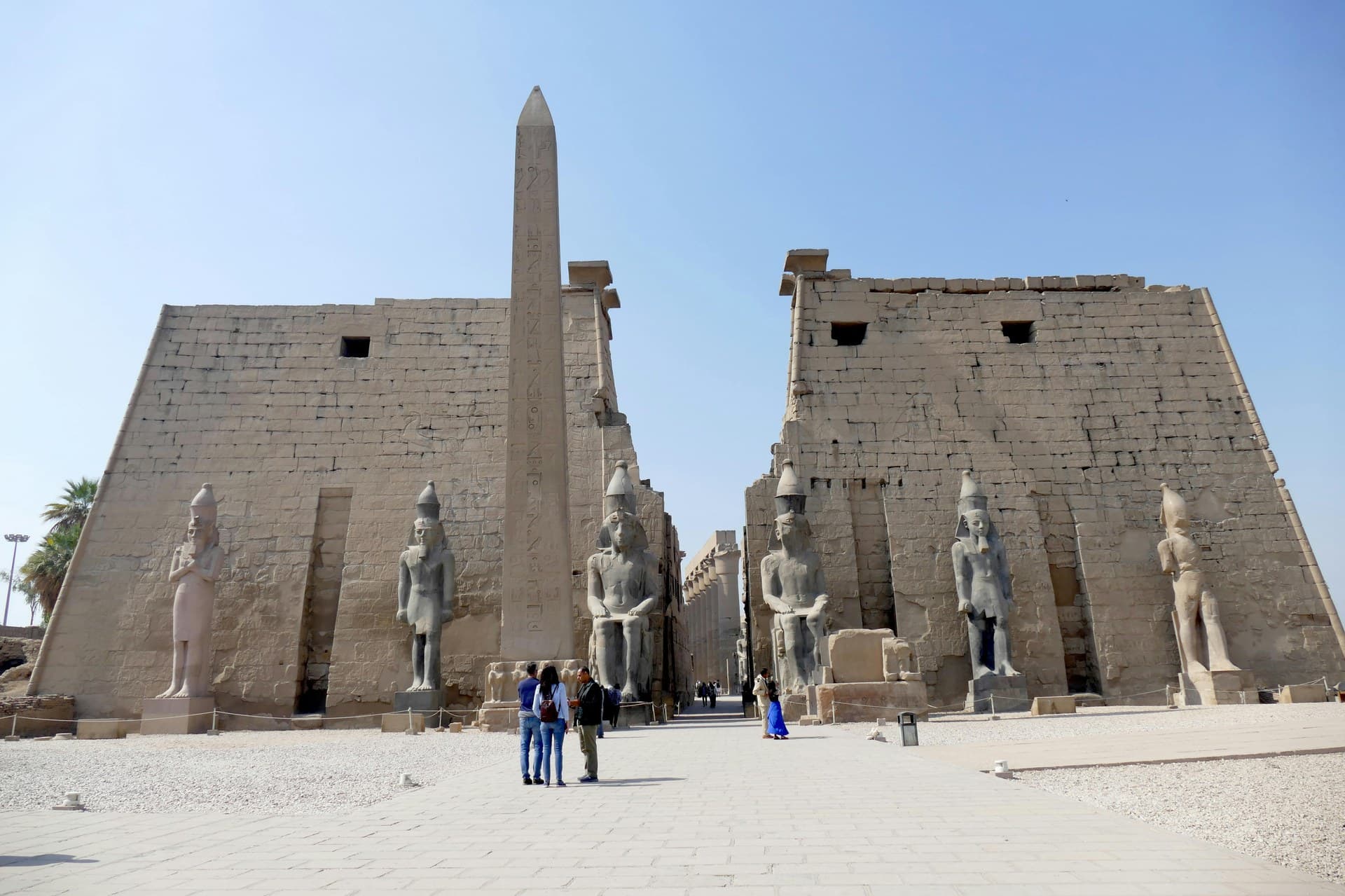
Luxor Temple
A temple in the middle of a living city, built for a festival rather than a god, and the one major Egyptian site that is better after dark.
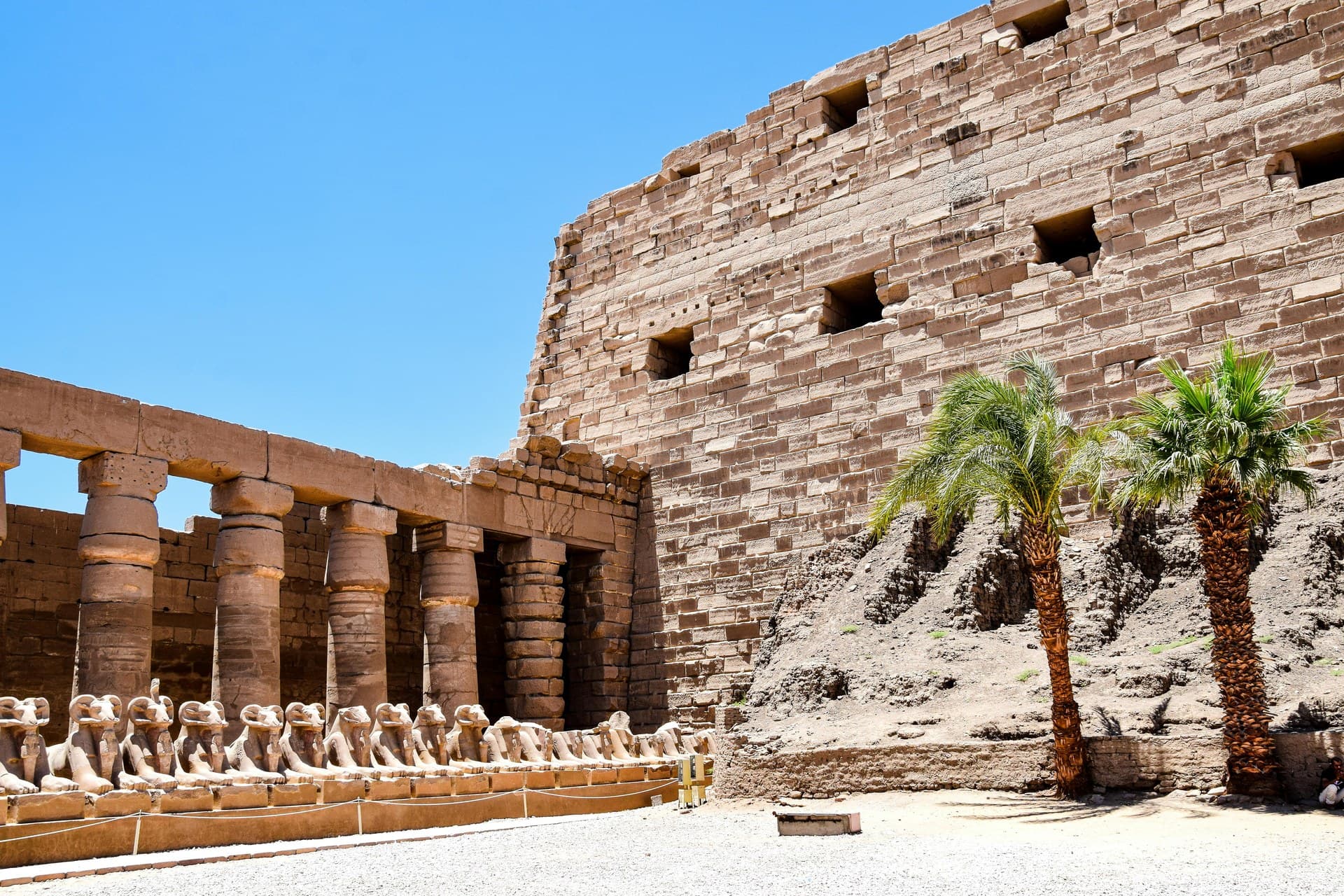
Karnak Temple
The largest religious building ever raised, added to by thirty pharaohs across two thousand years — and the only site in Egypt that is genuinely too big to see in one visit.