Attraction

Valley of the Kings

A dry desert valley behind the Luxor west bank holding more than sixty rock-cut royal tombs, many with their painted decoration intact.

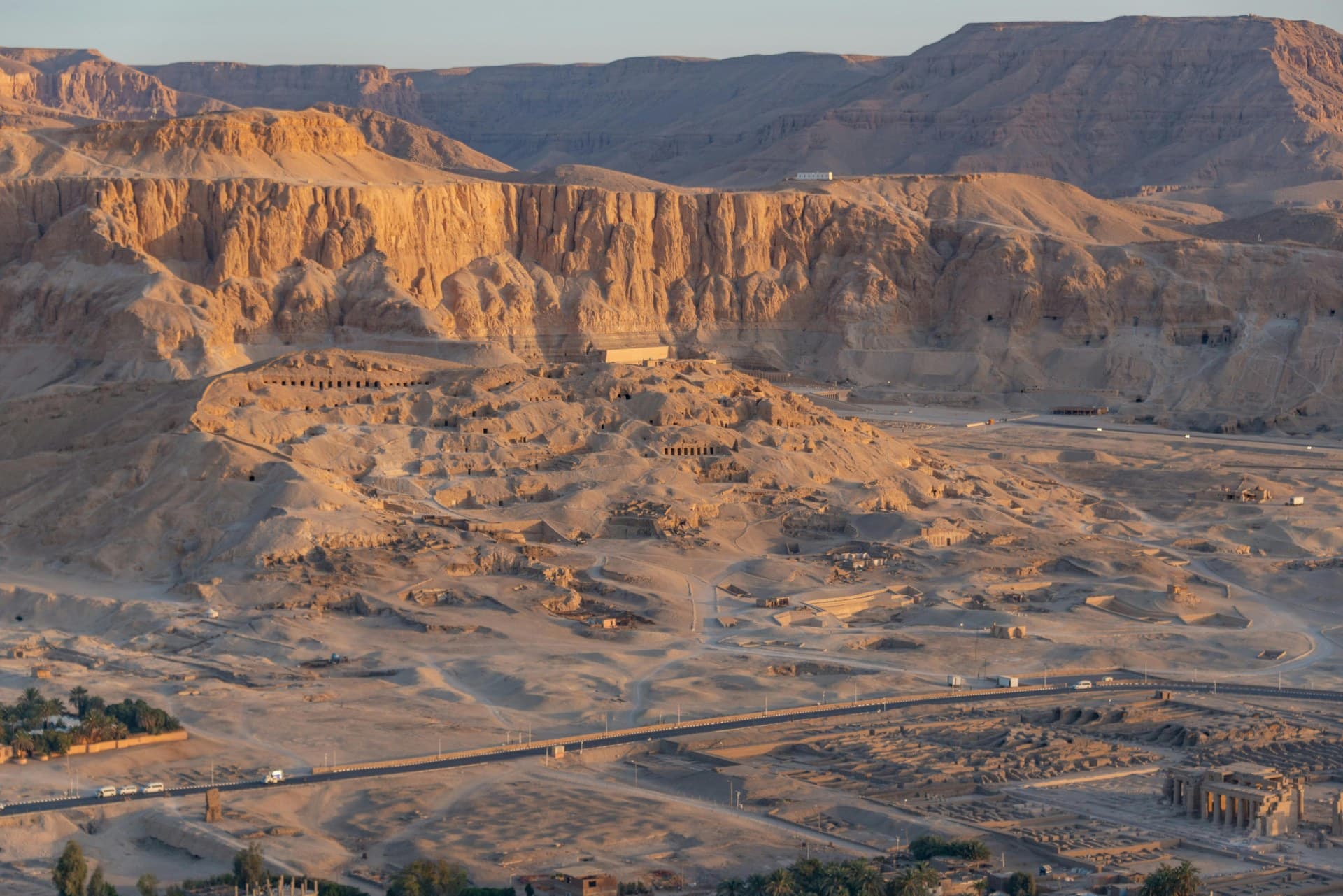
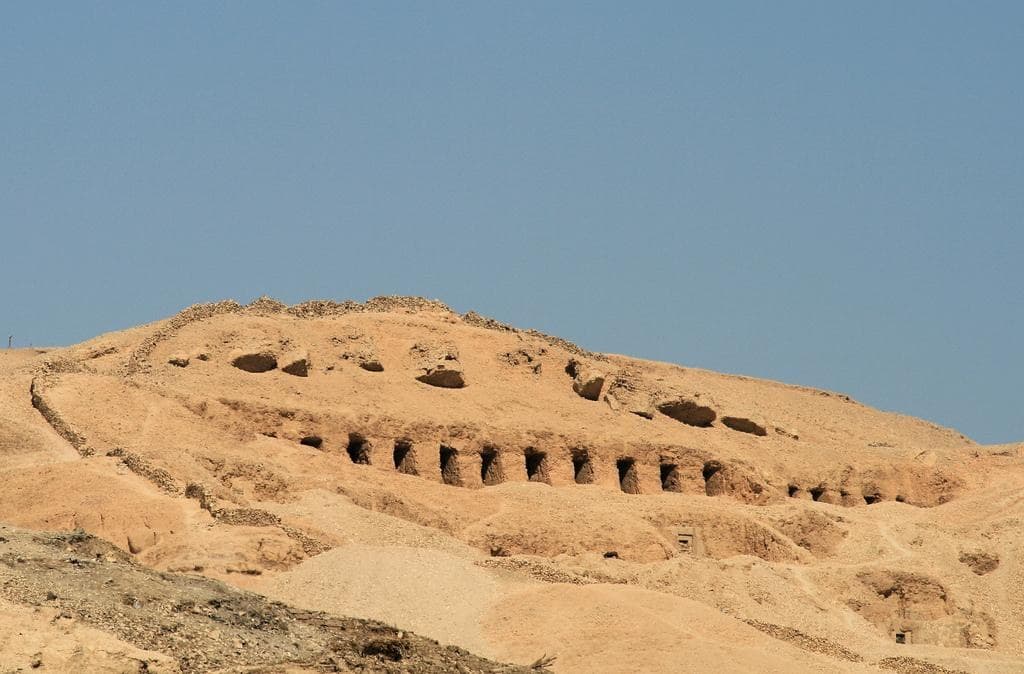
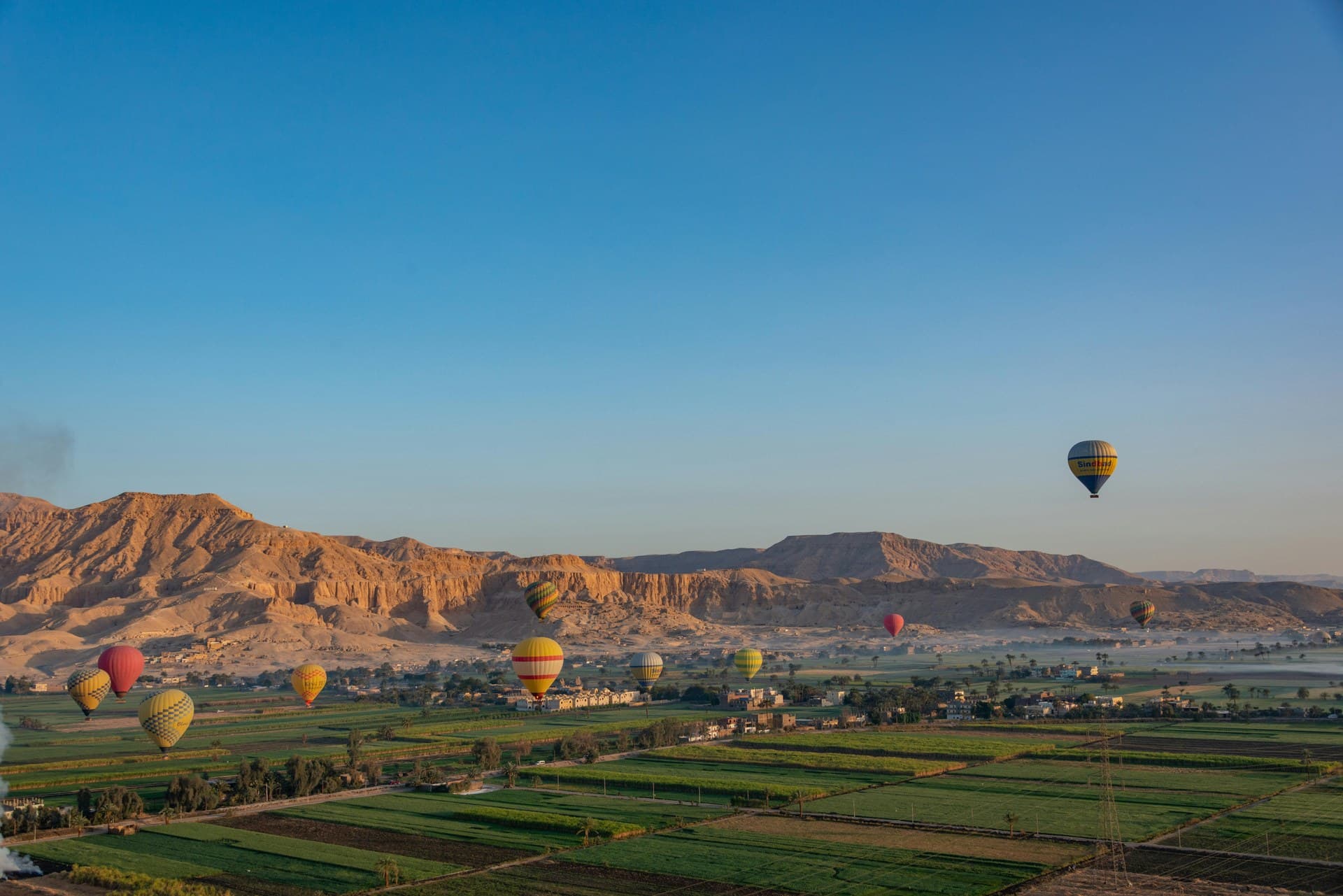
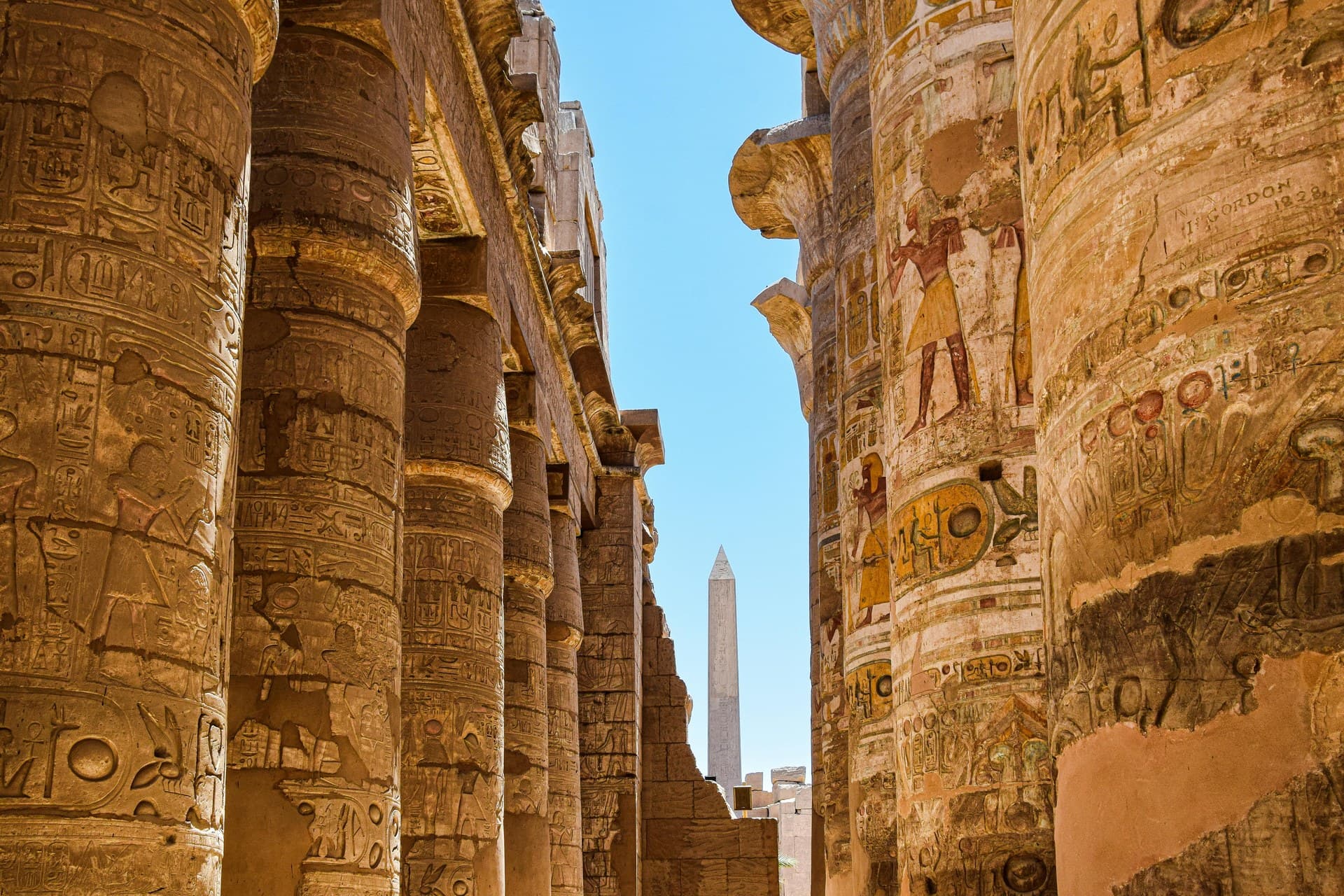
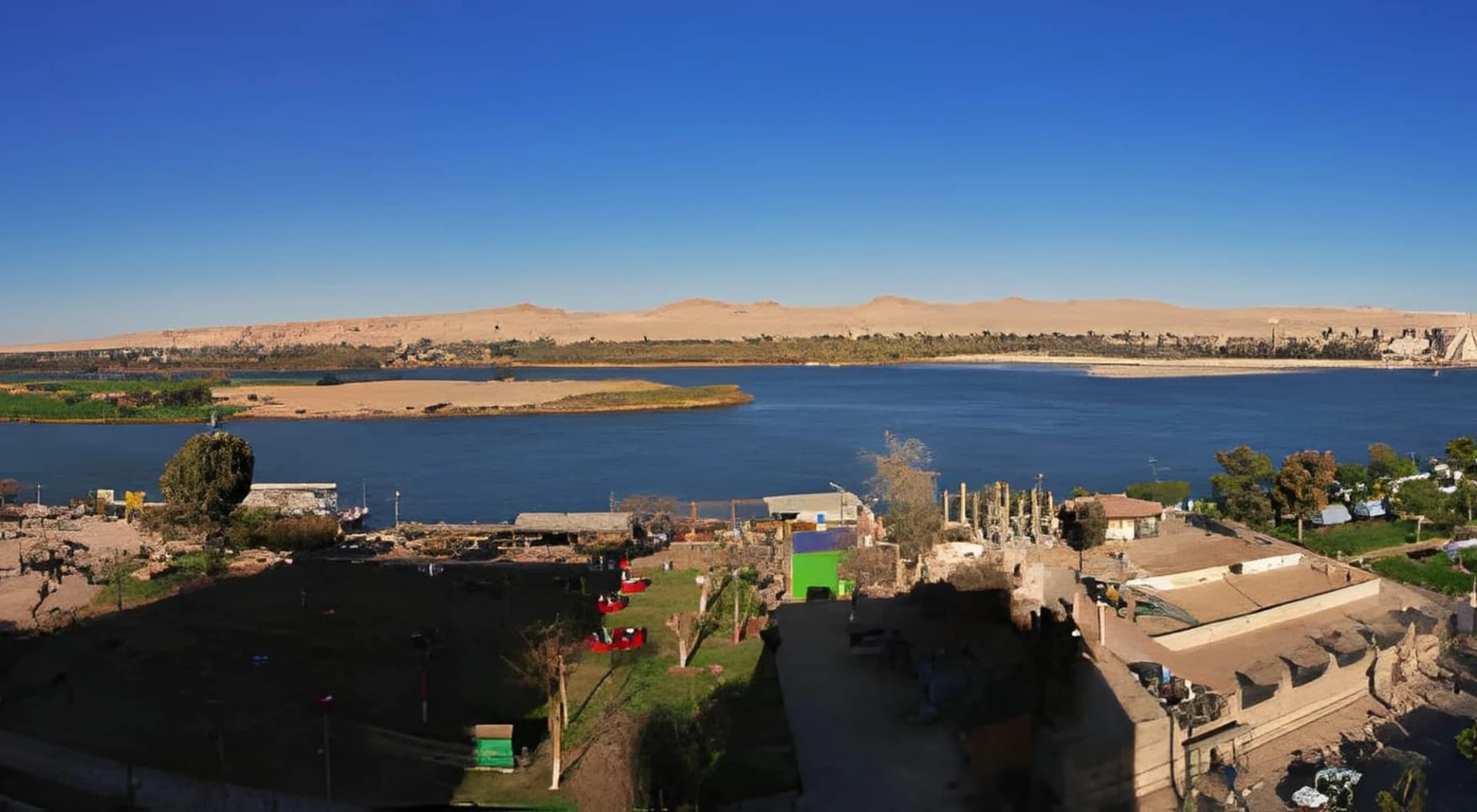
The dry limestone hillsides and tomb entrances of the Valley of the Kings on the Luxor west bank
Most PopularArchaeological siteLuxor

Overview

The Valley of the Kings is a narrow, bare, hot limestone valley behind the cliffs of the Luxor west bank. There is nothing to see on the surface. Everything is underground.

More than sixty tombs have been found here, cut into the rock for the pharaohs of the New Kingdom over roughly five hundred years. A rotating handful are open on any given day.

Why visit Valley of the Kings

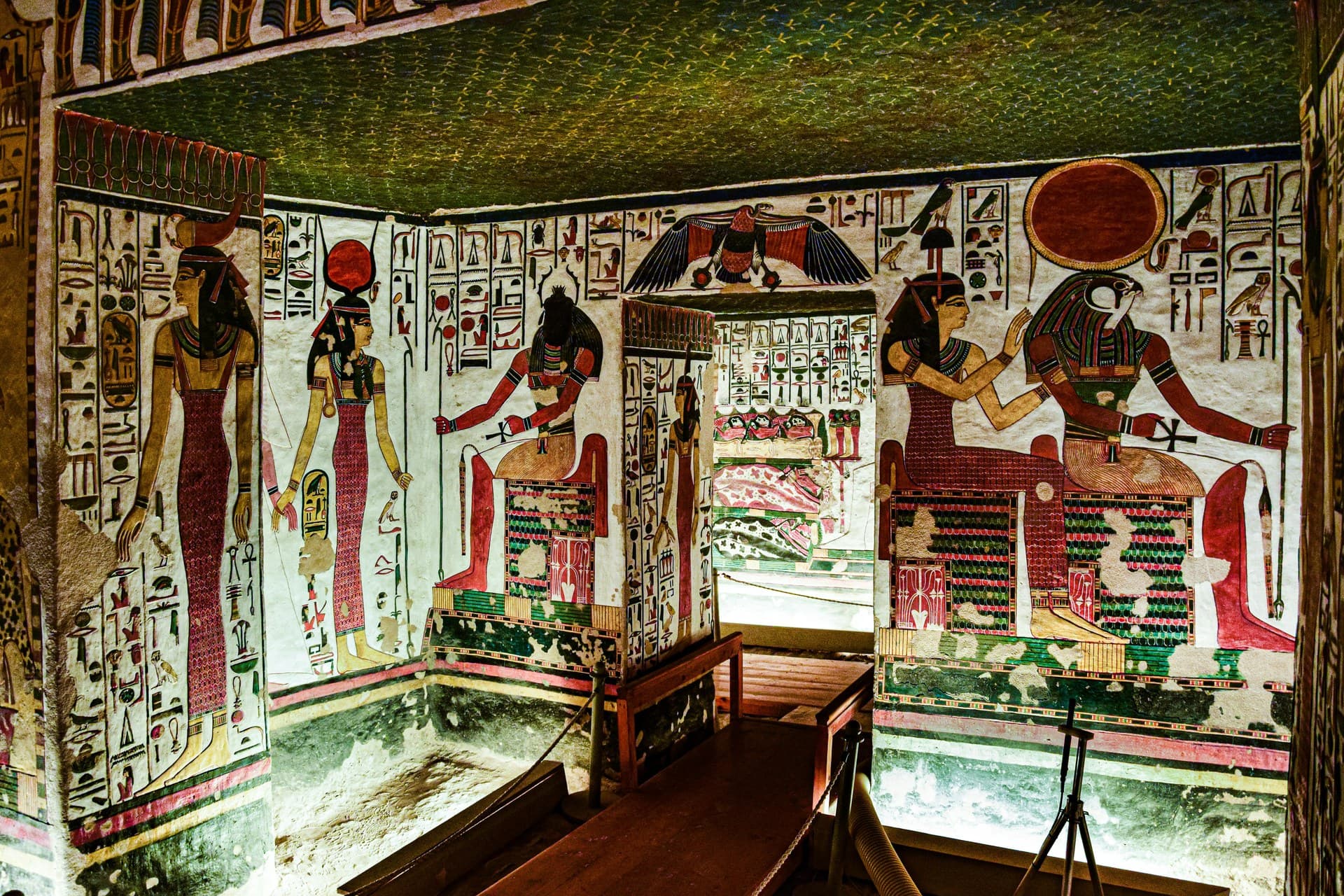
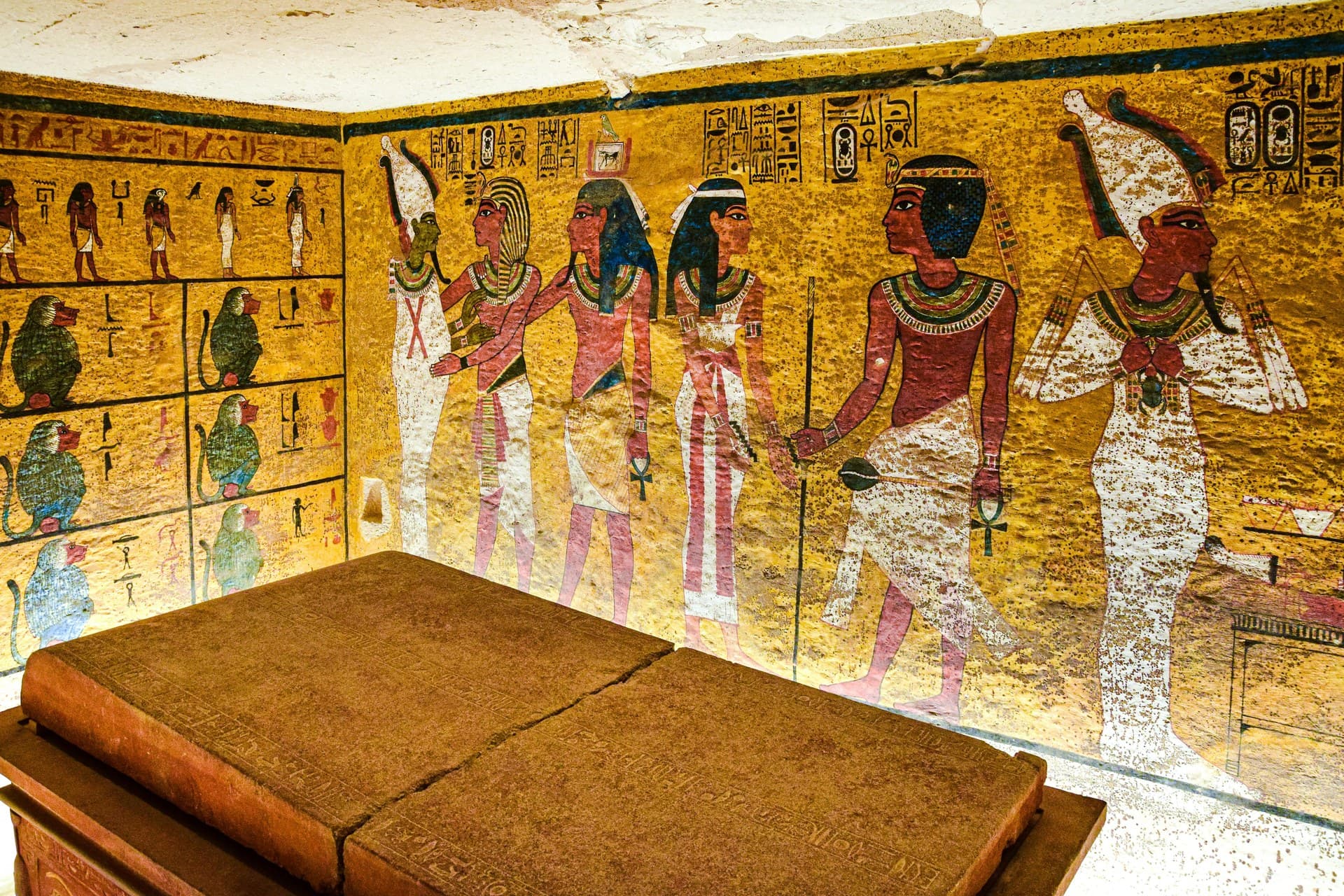
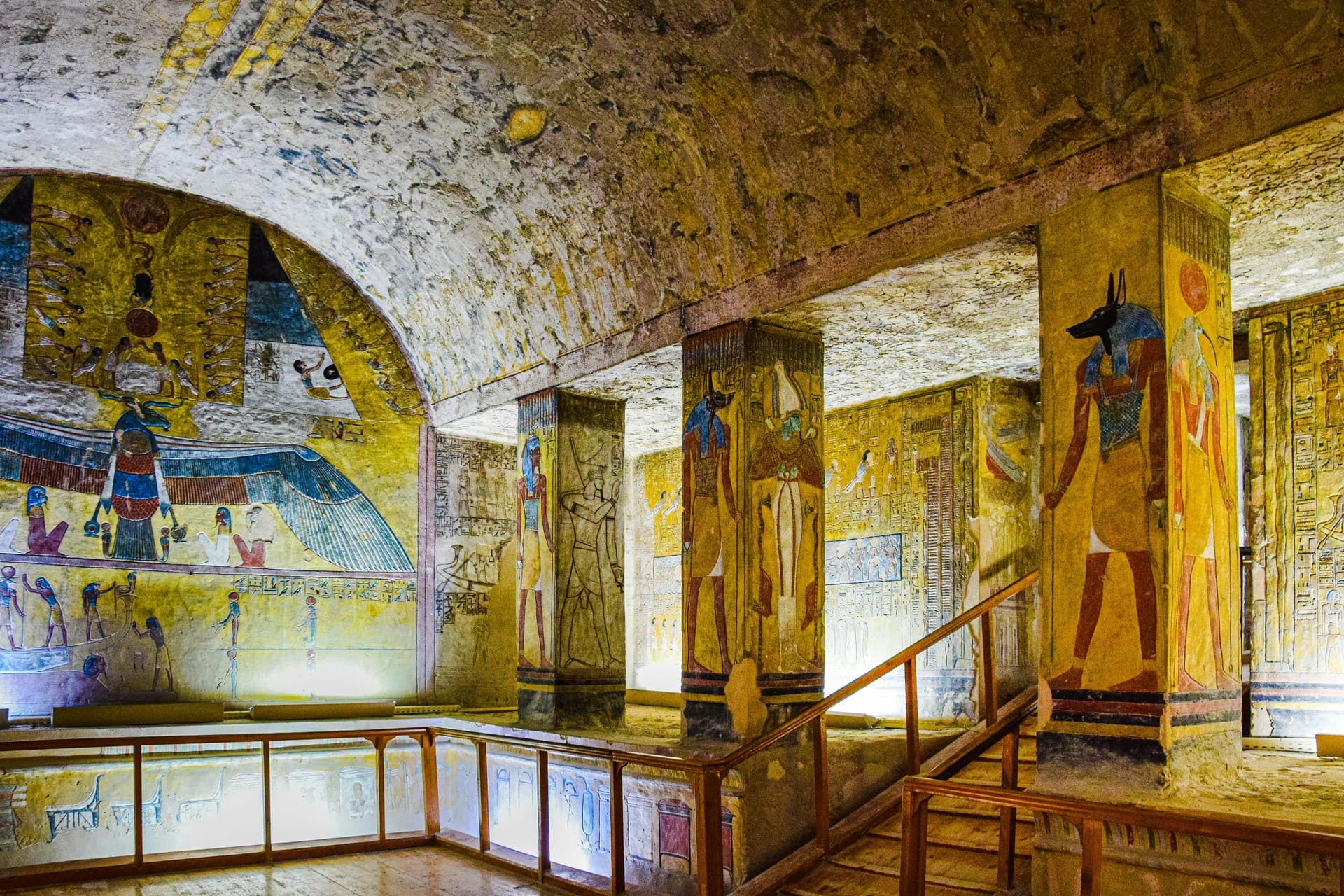
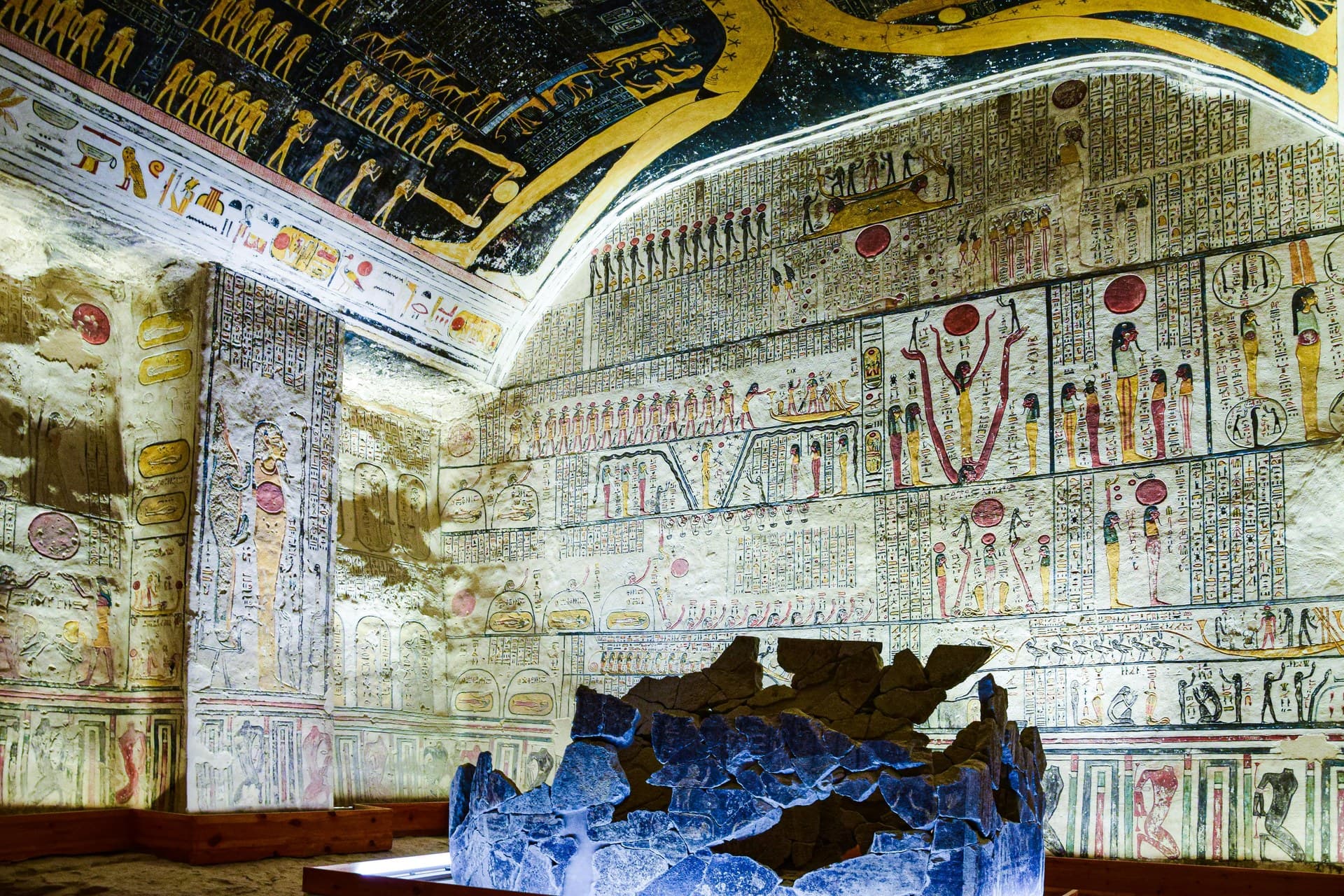
The colour. Egyptian temples are stone that has lost its paint; these tombs kept theirs. Ceilings of deep blue with yellow stars, walls of figures in red and green and white, hieroglyphs as crisp as the day they were cut. Nothing in the open-air sites prepares you for it.

The engineering is its own subject. These are corridors driven hundreds of metres into solid rock with copper tools, descending on a planned axis, with pillared halls and burial chambers at the end. The tomb of Seti I is the longest and finest of them, and if it is open and you can afford the supplement, it is the single most impressive interior in Egypt.

And there is Tutankhamun. His tomb is small, plain and unremarkable by the standards of the valley — it was not built for a king who would die at nineteen — but his mummy is still there, which is not true of any other pharaoh in the valley.
History of Valley of the Kings

From roughly the 16th century BC, the pharaohs stopped building pyramids and began hiding their tombs in this valley, behind a natural pyramid-shaped peak. The theory was concealment. It did not work: almost every tomb was robbed in antiquity, most of them within a few generations.

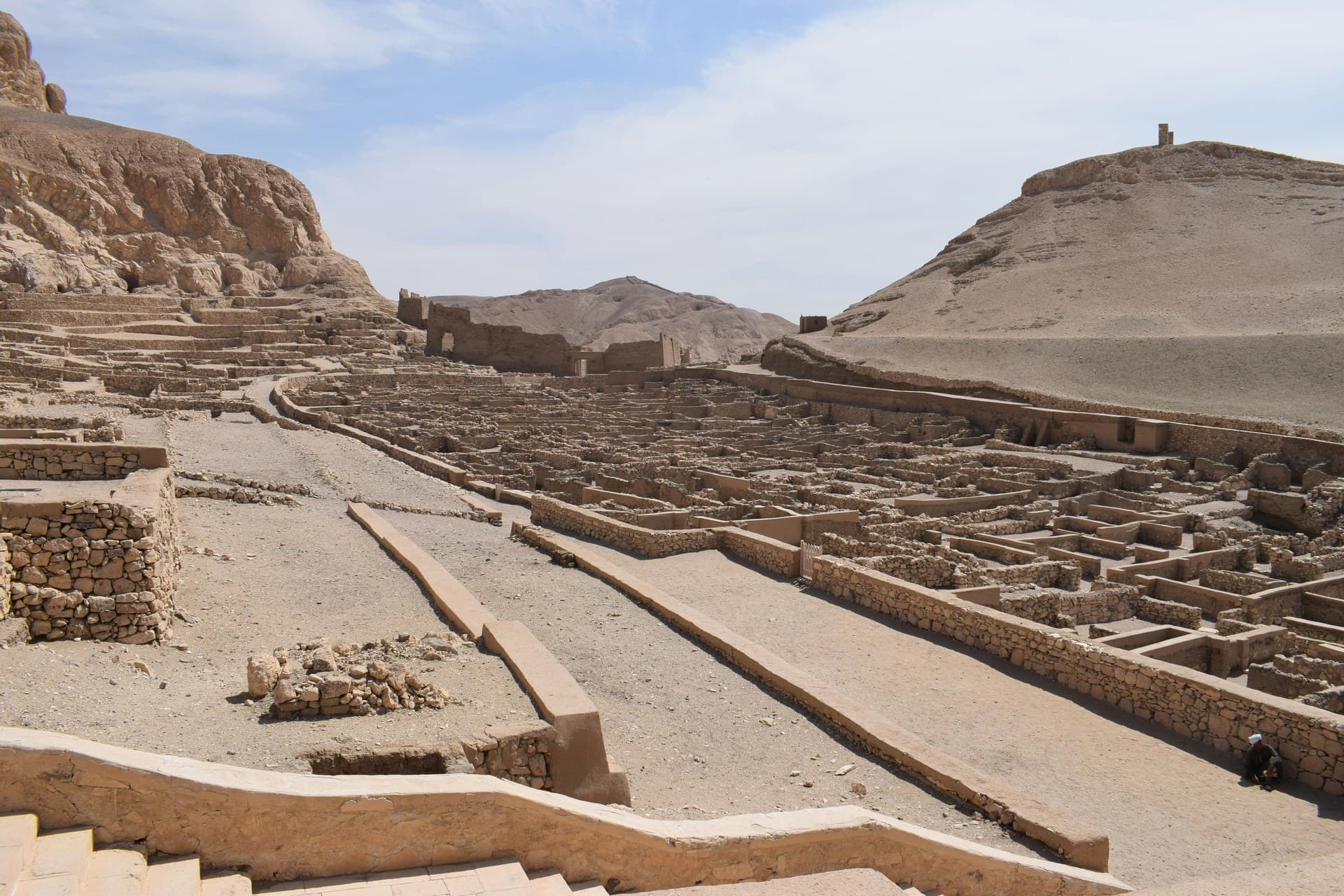
The workers who cut and painted the tombs lived at Deir el-Medina, a village a short distance away whose own ruins and records survive — including the ordinary complaints, work rosters and pay disputes of the men doing the job.

Tutankhamun's tomb escaped serious robbery largely by accident: debris from a later tomb buried its entrance. Howard Carter found it in 1922, and its contents are now displayed together at the Grand Egyptian Museum in Giza.

What to see at Valley of the Kings

  • KV17, the tomb of Seti I — the longest and most beautifully decorated in the valley
  • KV9, Ramesses V and VI — a spectacular astronomical ceiling
  • KV62, Tutankhamun — small and plain, but with the king himself still in it
  • KV11, Ramesses III — long, colourful, and usually included in the standard ticket
  • The valley itself, and the natural peak of el-Qurn above it

Best time to visit Valley of the Kings

At opening, without exception. October to April for a comfortable visit; June to August demands the first hour of the day.

Opening Hours and Tickets

Opening hours: Opens early and closes in the late afternoon, with seasonal variation. Some tombs close individually for conservation.

The general ticket admits you to three open tombs. Tutankhamun, Seti I and certain others carry separate supplements. Photography permits are sold separately and do not cover every tomb. All of it is bought at the visitor centre before you enter.

Opening hours and ticket prices may change. Please confirm the latest details before visiting.

How to get to Valley of the Kings

On the west bank at Luxor, about 30 minutes from the east-bank hotels via the bridge, or by ferry and taxi. Almost everyone visits with a driver or on a west-bank tour.

Nearby Attractions

Tours that include Valley of the Kings

Luxury Cairo, Luxor and Aswan Package

Luxury Cairo, Luxor and Aswan Package

An upscale private journey that combines Cairo highlights, a polished Luxor stay, and a refined Aswan finish.

Classic Cairo and Luxor Private Tour

Classic Cairo and Luxor Private Tour

A first-time Egypt itinerary that balances Cairo icons with Luxor's major temple sites over one well-paced private journey.

06 Days Cairo to Luxor Tour

06 Days Cairo to Luxor Tour

Experience the essence of Egypt in just six days on this immersive journey from Cairo to Luxor. Begin in the capital, where you’ll stand before the legendary Pyramids of Giza, explore the Grand Egyptian Museum, and wander through the historic Citadel and the lively Khan El Khalili Bazaar. Then, fly south to Luxor to uncover the monumental temples of Karnak and Luxor, glide above the ancient city in a hot air balloon, and walk through the Valley of the Kings. This thoughtfully designed itinerary combines expert guidance, seamless travel, and a perfect balance of history and culture for an unfor

4 Night Luxor to Aswan Nile Cruise

4 Night Luxor to Aswan Nile Cruise

A classic Nile cruise itinerary with temple visits, river views, and a comfortable four-night rhythm.

4-Day Nile Cruise from Aswan to Luxor

4-Day Nile Cruise from Aswan to Luxor

Set sail on a captivating 4-day Nile cruise from Aswan to Luxor, where the ancient world unfolds before your eyes. Journey along the legendary Nile River and uncover Egypt’s most iconic temples and monuments. Begin in Aswan with visits to the High Dam and the enchanting Philae Temple, then continue to Kom Ombo and Edfu to explore magnificent sanctuaries dedicated to ancient gods. As you sail northward, reach Luxor—the open-air museum of Egypt—home to the grand Karnak and Luxor Temples and the royal tombs of the Valley of the Kings. With expert-guided tours, comfortable accommodations, and full

4 Day 3 Night Nile Cruise from Aswan to Luxor

4 Day 3 Night Nile Cruise from Aswan to Luxor

Set sail on a remarkable 4-day, 3-night Nile cruise from Aswan to Luxor, where the grandeur of ancient Egypt unfolds before your eyes. Journey along the legendary Nile River aboard a comfortable cruise ship, visiting some of the most iconic archaeological sites in the world. Discover the enchanting Temple of Philae in Aswan, the twin sanctuaries of Kom Ombo, and the magnificent Temple of Horus in Edfu. Continue to Luxor to explore the Valley of the Kings, the Temple of Hatshepsut, and the colossal statues of Memnon on the West Bank, before concluding your adventure at the awe-inspiring Karnak

Travel Tips Before Visiting

The standard ticket covers three tombs of your choice from those open that day. Tutankhamun, Seti I and one or two others are supplements bought separately. Decide before you go in, because you buy at the gate, not inside. Which tombs are open rotates. Do not fix your heart on one number. Ask at the ticket office what is open today and choose from that. Go at opening. The valley is a stone bowl with no shade and it stores heat all day. By late morning in summer the tombs themselves are hot and airless and the walk between them is genuinely unpleasant. First entry is a completely different experience. Photography rules change. A photo permit is usually sold separately and some tombs are excluded from it entirely. Ask, rather than finding out from a guard.