Two things make Egypt easier with children than people expect. The first is that Egyptians like children openly and publicly, and travelling with them softens almost every interaction — at checkpoints, in shops, with guides. The second is that the headline sights are genuinely spectacular in a way that does not need explaining to an eight-year-old.
What goes wrong is heat and pace, and both are fixable.
What children actually enjoy
The pyramids work, obviously, and going inside one works even better — it is dark, steep and slightly frightening, which is the point. Camel rides on the plateau are a cliché and children do not care that they are a cliché.
Tombs beat temples. The Valley of the Kings is a series of painted corridors going down into rock, and it holds attention far better than a hypostyle hall. So does the Egyptian Museum's mummy material, for children old enough not to be upset by it.
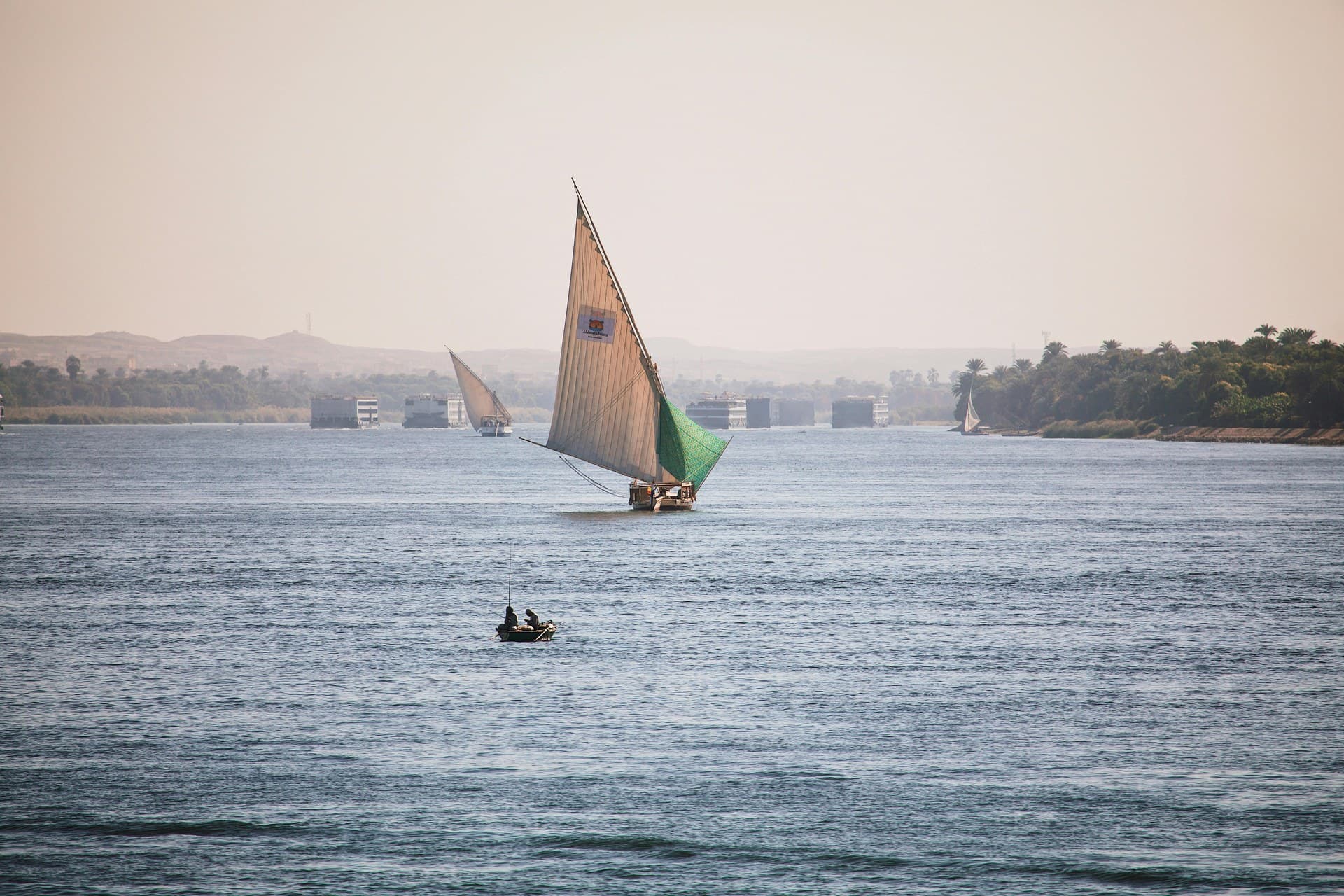
A felucca at sunset in Aswan is the single most reliable hour of any family trip to Egypt. No queue, no explanation needed, and they can usually help sail it.
And the balloon over Luxor is worth the terrible wake-up for children over about eight.
What to skip
- Long temple sequences. Karnak and Luxor Temple on the same day is too much for anyone under twelve.
- The Unfinished Obelisk and similar explain-it-to-appreciate-it sites, unless your child is the kind who likes engineering.
- Midday anywhere between May and September.
- Any day with two internal flights in it.
The pacing rule
One major site per day. That is the whole trick, and it is the one most families discover on day three rather than before they book.
It means an early start, one thing done properly, and the afternoon at the hotel or the pool. Egypt in the afternoon is hot enough that this is not laziness — it is what local families do.
That pacing is why eleven days is the most common family length on this site. It fits the classic route at half speed and still leaves the Red Sea at the end.
Why a cruise helps
On a Nile cruise the hotel moves while you sleep. There is no packing, no transfer, no checking in, and the pool is on the roof. For families that removes most of the friction of a multi-city trip.
Shore excursions are short by design, which suits children, and the boat is somewhere to retreat to immediately afterwards. Kom Ombo in particular is a fifteen-minute walk up from the mooring, which is about the right size of outing.
Practical things that matter
- Hats and long sleeves beat sunscreen alone. See what to wear in Egypt.
- Refillable bottles and more water than you think. Dehydration in children shows up as bad temper long before it shows up as thirst.
- Closed shoes. Site ground is rubble and there is no way round it.
- Bring something for the transfers. Drives between sites are longer than the map suggests.
- Toilets at sites are variable. Use the ones at hotels, restaurants and museums when you pass them.