The obelisk is generally attributed to Hatshepsut, in the 15th century BC, and may have been intended as a companion to one she raised at Karnak.
Had it been finished it would have stood around 42 metres and weighed something over a thousand tonnes — larger than any obelisk that was ever successfully raised, anywhere. That is the fact that makes the site worth thirty minutes: you are looking at the outer limit of what the technology could attempt.
Work stopped when fissures appeared in the granite. Rather than risk a shaft that would fail during transport or erection, the quarrymen abandoned it where it lay and started elsewhere.
The method is visible in the rock. Workers pounded the separation trenches with hand-held balls of dolerite, a stone harder than granite, crushing the surface away rather than cutting it. The rounded pits they left are still there along both sides of the shaft.
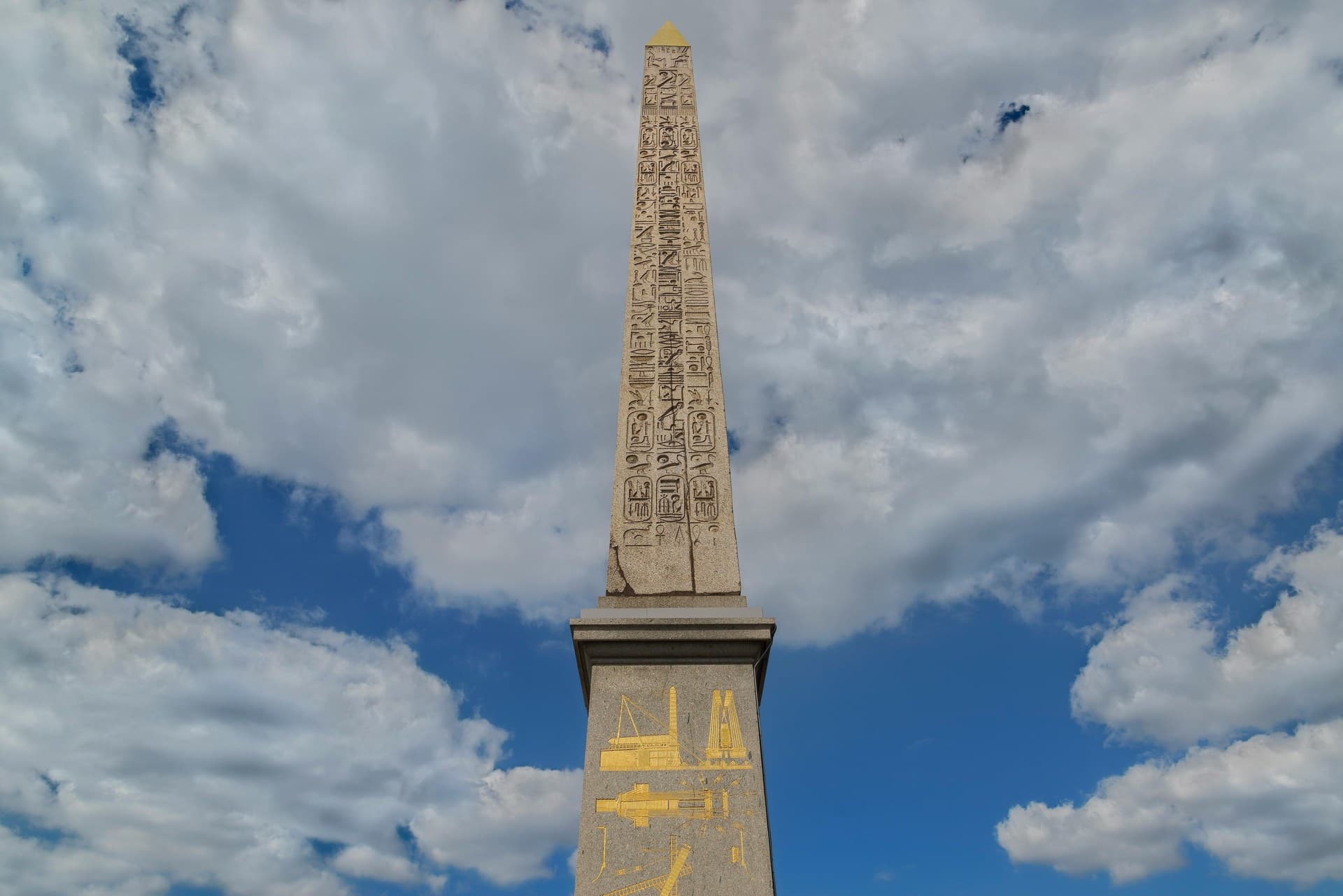
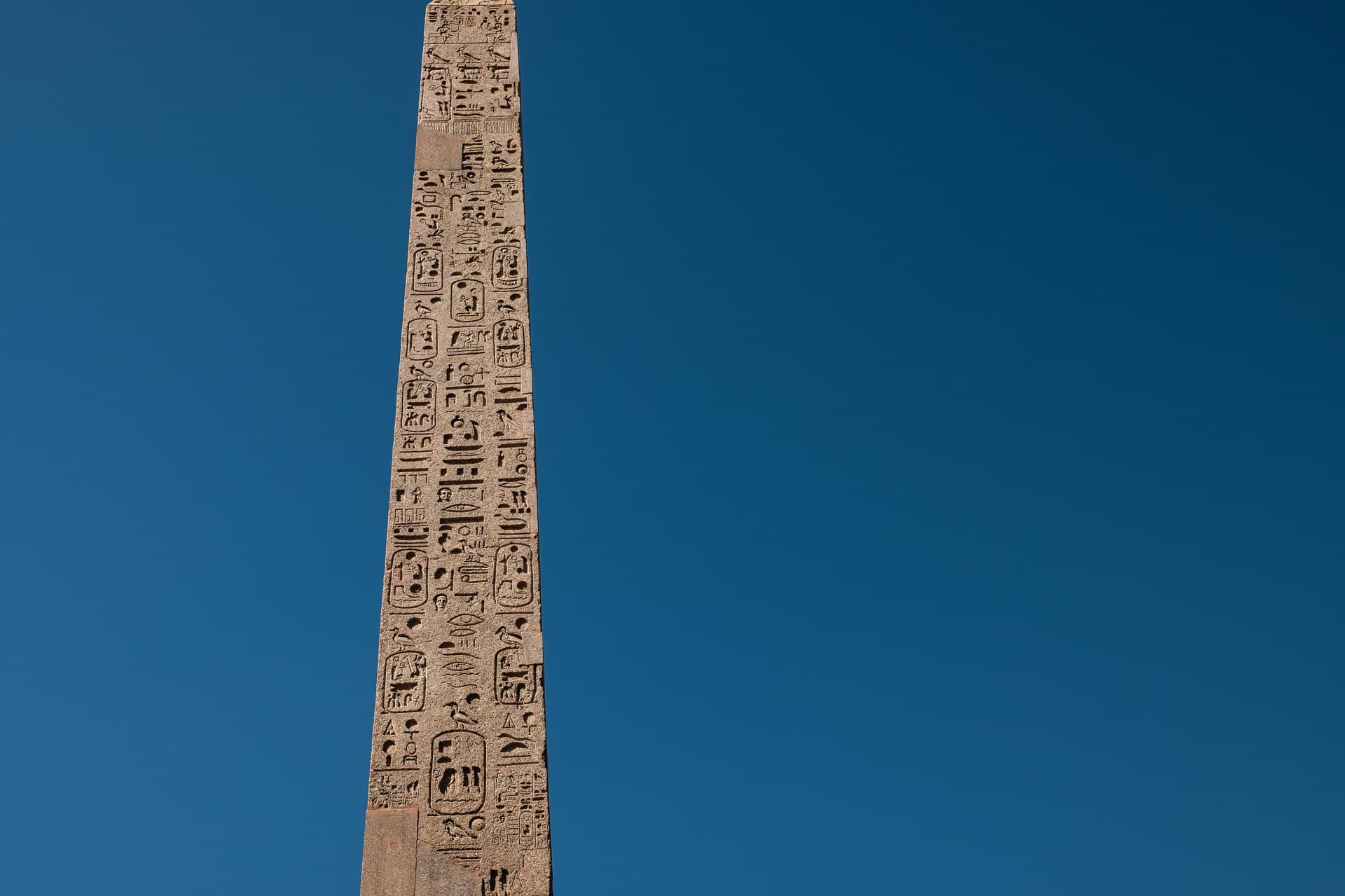
Aswan granite was quarried here for thousands of years and shipped downriver — the sarcophagi at Giza, the colossi at Luxor and the obelisks now standing in Rome, Paris, London and New York all came out of this ground.