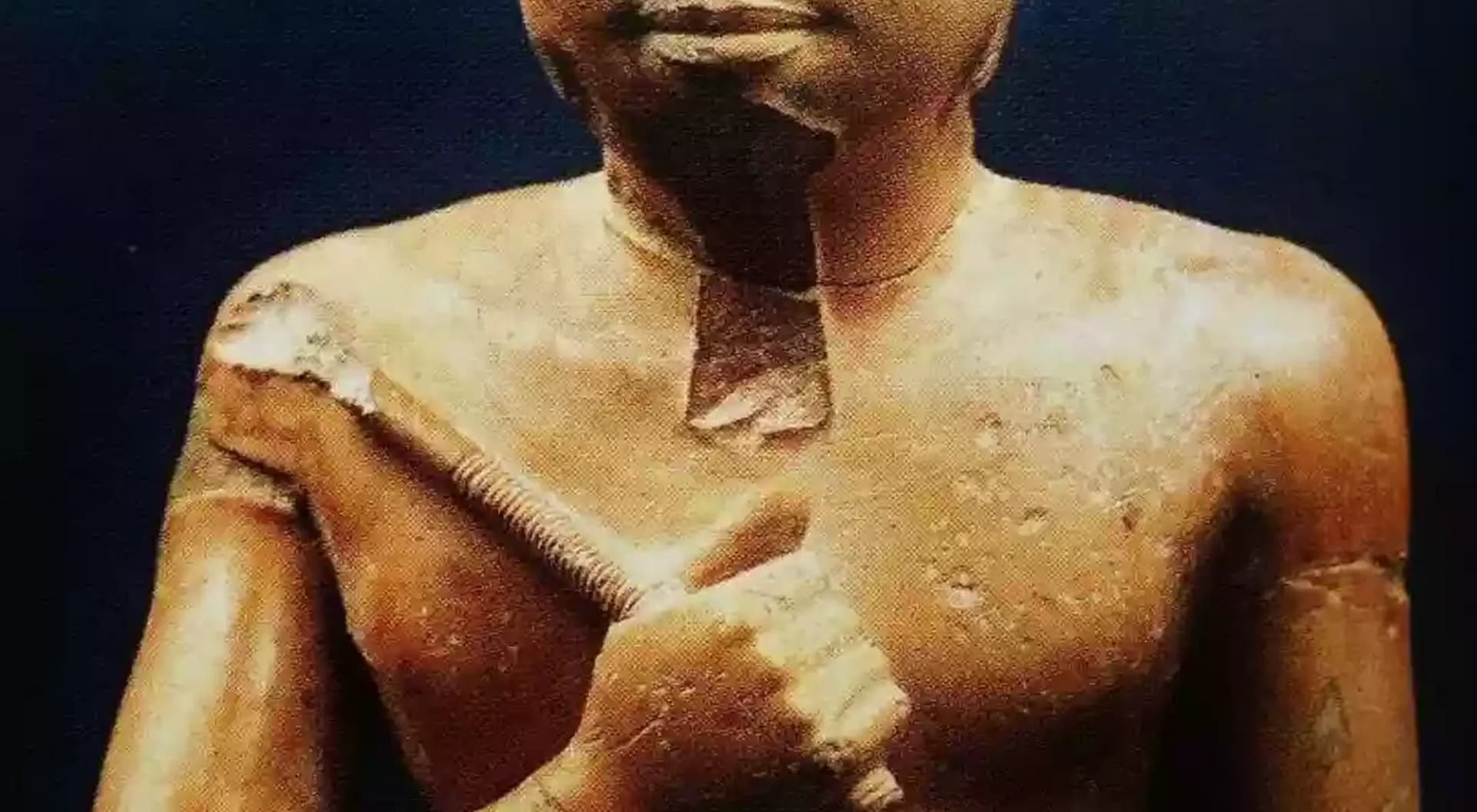
Magic And Amulets In Ancient Egypt: Protection In Daily Life
Magic and amulets were essential elements of ancient Egyptian life, serving as powerful tools for protection, healing, and daily well-being. Egyptians believed that magical practices and protective charms could influence both the seen and unseen worlds, safeguarding individuals from harm, illness, and evil forces. Their faith in these objects was woven into rituals, personal adornment, and even monumental art, reflecting a culture deeply invested in the mystical and the divine.
Key Takeaways
- Amulets in ancient Egypt were crafted for protection, health, and good fortune, often shaped as gods, animals, or symbols.
- Magic was a respected science and spiritual practice, utilized by priests, healers, and ordinary people alike.
- Many amulets were made from faience, gold, or semi-precious stones, believed to enhance their magical properties.
- Protective spells and charms were commonly inscribed on jewelry, coffins, and temple walls.
- The practice of using amulets continues to fascinate visitors at museums and archaeological sites across Egypt.
The Role of Magic in Ancient Egyptian Society
Magic, known as heka in ancient Egyptian, was not merely superstition but a fundamental force believed to maintain the order of the universe. Egyptians saw magic as a divine gift, accessible to both gods and humans. It permeated every aspect of life, from medicine and childbirth to agriculture and statecraft. Priests and magicians, trained in the sacred temples, wielded intricate knowledge of spells, rituals, and incantations. These specialists were called upon to heal the sick, protect the dead, and ensure the favor of the gods. Ordinary people, too, performed simple magical rites at home, demonstrating how deeply magic was integrated into daily life.
Types of Amulets and Their Symbolism
Amulets were small objects imbued with protective powers, worn by Egyptians of all social classes. Their shapes and materials were chosen for specific symbolic meanings. The ankh represented life, while the scarab beetle stood for regeneration and transformation. The Eye of Horus (Wedjat) was a potent symbol of healing and protection against evil. Animal-shaped amulets, such as cats, cobras, and falcons, invoked the qualities of the creatures they depicted. Materials like gold, carnelian, and turquoise were selected for their perceived magical potency. These amulets were not only worn in life but were also placed among the wrappings of mummies to protect the deceased in the afterlife.
Amulets in Daily Life: Protection and Healing
In daily life, amulets served a multitude of purposes. Parents placed protective charms around their children's necks to ward off illness and misfortune. Farmers buried amulets in their fields to ensure bountiful harvests, and soldiers carried them into battle for courage and safety. Healing amulets, inscribed with spells, were used to treat ailments and snake bites. Some charms were designed to bring luck in love or success in business. The widespread use of amulets highlights the Egyptians' desire to control their environment and destiny through magical means, blending faith and practicality in their pursuit of well-being.
Magic and Amulets in Funerary Practices
Magic played a vital role in ancient Egyptian funerary customs. The journey to the afterlife was fraught with dangers, and amulets were considered essential for safe passage. Mummies were adorned with dozens of charms, each serving a specific protective function. The heart scarab was placed over the heart to ensure a favorable judgment in the afterlife, while the djed pillar symbolized stability and resurrection. Spells from the Book of the Dead were written on papyrus scrolls or directly onto coffins, offering guidance and magical protection. These practices reveal the depth of Egyptian belief in magic as a bridge between life and death.
Crafting Amulets: Materials and Techniques
Ancient Egyptian artisans demonstrated remarkable skill in crafting amulets. Faience, a glazed ceramic material, was popular for its bright colors and lustrous finish. Gold, valued for its incorruptibility, was reserved for the wealthiest individuals and for amulets dedicated to the gods. Semi-precious stones like lapis lazuli, carnelian, and turquoise were also favored for their beauty and symbolic associations. Amulet makers employed molds, carving tools, and intricate inlay techniques to create detailed and durable charms. The selection of materials and craftsmanship was believed to enhance the amulet's magical efficacy, making each piece a unique conduit for protective power.
Magic in Temples and Sacred Spaces
Temples were the epicenters of magical practice in ancient Egypt. Priests performed complex rituals to invoke the protection of the gods and to maintain cosmic balance. Sacred objects, such as statues and ritual implements, were themselves considered amulets on a grand scale. Protective spells were carved into temple walls and gateways, ensuring that only benevolent forces could enter. Visitors to Egypt today can witness these magical inscriptions at sites throughout the country. For those interested in exploring the spiritual heritage of Egypt, a private tour package offers in-depth access to these ancient sanctuaries, where the legacy of magic endures in stone and symbol.
Amulets and Magic in Modern Museums
The fascination with ancient Egyptian magic and amulets continues in the modern era. Museums across Egypt, including the renowned Egyptian Museum and the Grand Egyptian Museum, display vast collections of these mystical objects. Visitors can admire amulets of every shape and size, from tiny beads to elaborate jewelry sets. Interactive exhibits and guided tours provide insights into the beliefs and techniques behind these artifacts. For travelers seeking to immerse themselves in Egypt's magical past, a guided tour of the Egyptian Museum is an unforgettable experience, revealing the artistry and spirituality that defined an ancient civilization.
Magic, Amulets, and Daily Rituals Along the Nile
Life along the Nile has always been shaped by ritual and tradition. In ancient times, villagers performed daily rites to honor river gods and ensure the fertility of their lands. Amulets were often used in these ceremonies, symbolizing the connection between the people, the river, and the divine. The rhythms of rural life, from planting to harvest, were intertwined with magical beliefs. Modern travelers can witness echoes of these ancient customs in Upper Egypt, where traditional practices endure. Exploring village life along the Nile offers a unique perspective on the continuity of magical thinking in Egyptian culture. For more on rural traditions, discover village life along the Nile and its enduring customs.
Exploring Magic and Amulets Throughout Egypt
Egypt's rich heritage of magic and amulets is not confined to a single region. From the bustling streets of Cairo to the temples of Luxor and the tombs of Middle Egypt, evidence of magical practice can be found everywhere. Travelers interested in this aspect of ancient culture can design their itineraries to include museums, archaeological sites, and workshops specializing in traditional crafts. Middle Egypt, with its lesser-known but significant sites, offers a quieter yet equally fascinating glimpse into the magical traditions of the past. For those planning a journey off the beaten path, Middle Egypt provides a rewarding destination filled with mystical history.
Magic and Amulets in Ancient Egyptian Banquets and Celebrations
Social gatherings in ancient Egypt, such as banquets and festivals, were occasions for both celebration and spiritual protection. Hosts often distributed amulets to guests as tokens of goodwill and safety, while magical rituals ensured the event's success. Food and drink were sometimes blessed with protective spells, and musicians invoked deities through song and dance. These customs highlight the integration of magic into every facet of Egyptian life, from the mundane to the momentous. To delve deeper into the role of ritual in social events, read about banquets and party etiquette in ancient Egypt.
Frequently Asked Questions
-
What was the purpose of amulets in ancient Egypt?
Amulets in ancient Egypt were used for protection, health, good fortune, and to invoke the power of gods or animals. They were believed to shield the wearer from harm and to bring blessings in daily life and the afterlife. -
Were magic and amulets used by everyone or just the elite?
Magic and amulets were used by all social classes in ancient Egypt. While wealthier individuals could afford more elaborate charms, even ordinary people wore simple amulets for protection and well-being. -
What materials were commonly used to make Egyptian amulets?
Egyptian amulets were made from faience, gold, semi-precious stones like carnelian and turquoise, and other materials believed to possess magical properties. -
Can visitors see ancient amulets in museums today?
Yes, visitors can see a wide variety of ancient amulets in museums across Egypt, such as the Egyptian Museum in Cairo and the Grand Egyptian Museum, where these objects are displayed with detailed explanations of their significance. -
Did ancient Egyptians use magic only for protection?
Ancient Egyptians used magic for many purposes, including healing, ensuring fertility, securing safe passage to the afterlife, and influencing everyday events. Protection was a primary goal, but magic encompassed much more. -
Are there modern practices in Egypt related to ancient magic and amulets?
While modern Egyptians do not practice magic in the same way, some traditional beliefs and the use of protective charms persist, especially in rural areas, reflecting a cultural continuity with ancient customs.