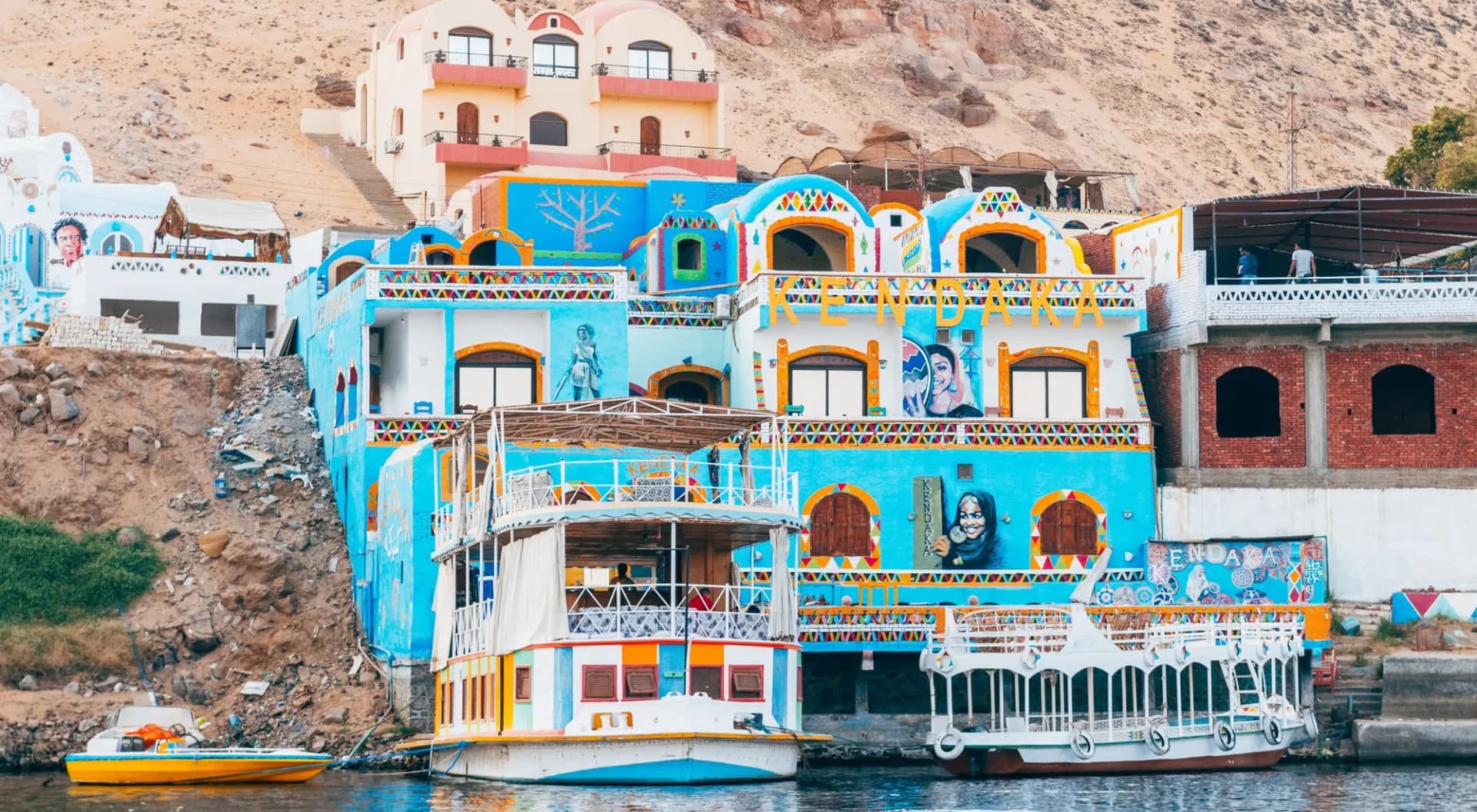
Sugarcane Harvest In Upper Egypt: Village Life Along The Nile
The sugarcane harvest in Upper Egypt is a vibrant annual event that shapes village life along the Nile. From January to May, locals gather to cut, transport, and process sugarcane, blending ancient agricultural traditions with communal celebrations. Visitors can witness this unique spectacle, experience rural Egyptian hospitality, and gain insight into the rhythms of life along the river.
Key Takeaways
- The sugarcane harvest in Upper Egypt typically occurs from January through May, depending on weather and local conditions.
- Villages along the Nile, especially between Luxor and Aswan, are the heart of Egypt’s sugarcane industry.
- Harvesting is a communal event, involving families and neighbors in both work and celebration.
- Sugarcane fields are often located right along the banks of the Nile, making river cruises an excellent way to observe the harvest.
- Local customs, music, and food are integral parts of the harvest season, offering a rich cultural experience for visitors.
The Importance of Sugarcane in Upper Egypt
Sugarcane is one of Upper Egypt’s most significant crops, providing both economic sustenance and cultural identity for villages along the Nile. The region’s warm climate and fertile alluvial soil create ideal growing conditions. Sugarcane fields stretch for kilometers, their tall green stalks forming a lush ribbon along the riverbanks. The harvest is not just an agricultural task but a cornerstone of rural life, supporting families and funding village infrastructure. Much of Egypt’s sugar supply comes from these fields, making Upper Egypt a vital contributor to the nation’s food security.
When and Where the Sugarcane Harvest Happens
The sugarcane harvest season in Upper Egypt begins in January and can extend into May. The busiest period is typically February and March, when the weather is cooler and the cane is at its sweetest. Villages between Luxor and Aswan, such as Armant, Esna, and Kom Ombo, are renowned for their vast sugarcane plantations. Travelers along this stretch of the Nile may see entire communities at work in the fields, with donkeys, carts, and tractors transporting cut cane to local mills. The harvest’s timing also coincides with the high season for Nile cruises, providing a unique opportunity for visitors to witness the process firsthand.
Village Life During Harvest Season
Harvest time transforms village life along the Nile. Families rise before dawn to begin cutting cane, working in teams to maximize efficiency. The day is punctuated by shared meals, songs, and laughter, as neighbors help one another in a spirit of cooperation. Children often join in lighter tasks, learning traditional methods from their elders. Women prepare hearty meals to sustain the workers, while elders oversee the operation and ensure the harvest proceeds smoothly. The communal nature of the harvest fosters a strong sense of unity and pride among villagers, and visitors are often welcomed to observe or even participate in the festivities.
Traditional Harvest Methods and Tools
Despite the introduction of modern equipment in some areas, much of the sugarcane in Upper Egypt is still harvested by hand. Workers use sharp sickles called “machetes” to cut the tall stalks, carefully bundling them for transport. The process is labor-intensive and requires skill to avoid damaging the cane or injuring oneself. In some villages, donkeys or oxen are used to haul the bundles to nearby collection points, where they are loaded onto trucks or boats for delivery to sugar mills. This blend of traditional and modern techniques reflects the resilience and adaptability of rural Egyptian communities.
Harvest Festivals and Local Customs
The end of the sugarcane harvest is often marked by lively celebrations. Villagers gather for music, dance, and feasting, expressing gratitude for a successful season. Traditional instruments such as the rababa (a type of fiddle) and tabla (drum) provide the soundtrack for these gatherings. Special dishes, including sweet treats made from fresh sugarcane juice, are prepared and shared among neighbors. These festivals offer visitors a chance to experience authentic Egyptian hospitality and learn about the customs that have shaped rural life for generations.
Sugarcane Processing: From Field to Factory
After harvest, sugarcane is quickly transported to local mills to prevent spoilage. In the mills, the cane is crushed to extract its juice, which is then boiled and refined into sugar. Some villages operate small-scale presses, producing fresh sugarcane juice for immediate consumption or sale at local markets. Larger mills process thousands of tons of cane each season, supplying sugar to cities across Egypt. The journey from field to factory is a testament to the hard work and ingenuity of Upper Egypt’s farming communities.
Experiencing the Sugarcane Harvest as a Visitor
Travelers interested in rural culture and agriculture will find the sugarcane harvest a fascinating spectacle. Many Nile cruises and village tours offer opportunities to observe or participate in harvest activities. Visitors can join farmers in the fields, sample fresh sugarcane juice, and enjoy traditional meals with local families. The authenticity of these experiences provides a unique window into Egyptian life beyond the monuments and museums. For those seeking a deeper connection with the land and its people, the sugarcane harvest is an unforgettable highlight.
For those planning a river journey, the Nile River remains the lifeblood of Egypt, and witnessing the harvest from a boat offers a unique perspective on both agriculture and daily life.
Nile Cruises and Rural Encounters
Nile cruises are a popular way to explore Upper Egypt, and the sugarcane harvest adds a seasonal dimension to these journeys. As boats glide past lush fields and bustling villages, passengers can see firsthand the interplay between the river and the land. Some cruise itineraries include stops at rural communities, where guests can disembark and engage with local farmers. Guides often explain the significance of the harvest, the history of sugarcane cultivation, and the role of the Nile in supporting agriculture. These experiences enrich the standard cruise, offering a deeper understanding of Egypt’s living traditions.
Travelers interested in combining a cruise with immersive rural experiences may find helpful advice in Nile Cruise Guides that detail the best routes and seasonal highlights.
Connecting Sugarcane Harvest to Egypt’s Broader Heritage
The sugarcane harvest is just one facet of Egypt’s rich agricultural and cultural heritage. It reflects centuries of adaptation to the Nile’s rhythms and the enduring importance of community in rural life. While ancient temples and tombs draw most visitors, the fields and villages along the river offer their own stories and traditions. Exploring these aspects of Egyptian culture provides a more complete picture of the country’s past and present. The harvest is a living tradition that continues to shape the identity of Upper Egypt and its people.
For a broader exploration of Egypt’s diverse landscapes and experiences, travelers can consult resources about Egypt to plan their itineraries beyond the well-trodden tourist trail.
Planning Your Trip: Practical Tips
If you wish to witness the sugarcane harvest, plan your visit between January and May, when activity is at its peak. Rural hospitality is generous, but it is respectful to ask permission before entering fields or photographing workers. Lightweight clothing, sturdy shoes, and sun protection are recommended for field visits. While Nile cruises offer comfortable access to many villages, independent travelers can also arrange day trips from Luxor or Aswan. Always check for the latest opening hours and local guidelines, as schedules and access may change. Official fees, ticketing, and exemptions for monuments and museums are revised periodically, so confirm details on the Ministry’s ticketing portal before your visit.
If you’re looking for a comprehensive itinerary, the 8 Days Egypt Highlights Tour with Nile Cruise includes both iconic sites and opportunities to experience rural life along the Nile.
Day Tours and Deeper Immersion
For travelers seeking a more intimate look at village life, guided day tours to rural communities can be arranged from major cities. These excursions may include hands-on participation in the harvest, traditional cooking demonstrations, and visits to local markets. The Nubian villages near Aswan, for example, are known for their warm hospitality and vibrant culture, offering a different perspective on life along the Nile. Such tours provide valuable context for understanding the interconnectedness of agriculture, community, and the river.
To experience the unique atmosphere of these communities, consider a Nubian Village Tour by Boat for a blend of scenic beauty and cultural immersion.
Frequently Asked Questions
-
When does the sugarcane harvest take place in Upper Egypt?
The sugarcane harvest in Upper Egypt typically occurs from January through May, with peak activity in February and March when the weather is cooler and the cane is at its best. -
Which villages are best for experiencing the sugarcane harvest?
Villages between Luxor and Aswan, such as Armant, Esna, and Kom Ombo, are known for their extensive sugarcane fields and vibrant harvest traditions. -
Can tourists participate in the sugarcane harvest?
Yes, many villages welcome visitors to observe or even help with the harvest. Joining a guided tour or arranging a village visit through a reputable operator is the best way to participate respectfully. -
What should I bring if I want to visit during harvest season?
Bring lightweight, breathable clothes, sturdy shoes for walking in fields, sun protection, and a camera. Always ask permission before taking photos of people or private property. -
How does the sugarcane harvest impact village life?
The harvest is a communal effort that involves the entire village, fostering unity and celebration. It provides vital income and supports traditional customs, music, and food. -
Are there any special festivals during the harvest?
Many villages celebrate the end of the harvest with music, dancing, and feasting, offering visitors a chance to experience authentic rural Egyptian culture.