Banquets In Ancient Egypt: Food, Wine And Party Etiquette
Banquets in ancient Egypt were lavish affairs central to both religious and social life, featuring abundant food, fine wine, and intricate etiquette. These feasts, held by royalty and elites, showcased Egypt’s agricultural bounty and reinforced social hierarchies, while guests followed strict customs regarding seating, attire, and behavior to honor their hosts and the gods.
Key Takeaways
- Ancient Egyptian banquets featured a wide variety of breads, meats, fruits, and wine, reflecting the region’s agricultural richness.
- Banquet etiquette included specific seating arrangements, handwashing rituals, and the use of perfumed cones.
- Women and men often dined together, with music and entertainment provided by professional performers.
- Wine was a symbol of status, with the finest vintages reserved for the elite and religious ceremonies.
- Many banquet customs can still be traced in modern Egyptian hospitality and celebrations.
The Role of Banquets in Ancient Egyptian Society
Banquets in ancient Egypt were more than just meals—they were essential social events that reinforced political alliances, celebrated religious festivals, and displayed wealth and power. Pharaohs and nobles hosted grand feasts to mark significant occasions such as coronations, religious holidays, and successful military campaigns. These gatherings served as platforms for diplomacy and cultural exchange, bringing together guests from across the kingdom and even foreign dignitaries. The banquets also played a key role in funerary traditions, where offerings of food and drink were made to honor the deceased and ensure their comfort in the afterlife.
For travelers interested in exploring Egypt’s rich heritage, understanding the significance of feasting helps contextualize the grandeur of ancient monuments and the stories depicted on their walls. Many temples and tombs, especially in Middle Egypt, showcase detailed banquet scenes, illustrating the importance of these events in daily and spiritual life.
Foods Served at Ancient Egyptian Banquets
The menu at an ancient Egyptian banquet was a testament to the Nile’s fertility and the ingenuity of Egyptian cooks. Breads of various shapes and flavors were staple items, often accompanied by honey, dates, and figs. Meats such as beef, duck, goose, and fish were served to guests of high status, while vegetables like onions, garlic, lettuce, and lentils provided balance. Dairy products, including cheese and butter, also made appearances on the table. Fruits such as grapes, pomegranates, and melons added sweetness and color to the feast.
Banquets were opportunities to display rare and luxurious foods, with imported delicacies sometimes featured for the wealthiest hosts. The abundance and variety of dishes underscored the host’s prosperity and hospitality, making these events memorable for all who attended.
Wine and Beverages: The Drink of the Elite
Wine held a special place at ancient Egyptian banquets, symbolizing sophistication and divine favor. While beer was the common drink for everyday Egyptians, wine—produced mainly in the Nile Delta—was reserved for the upper classes and religious ceremonies. Red and white wines were both enjoyed, often flavored with herbs and sweetened with honey.
Special wine jars were labeled with the vineyard, vintage, and sometimes the name of the winemaker, indicating the importance of provenance and quality. The finest wines were offered to the gods and served at royal banquets, while lesser varieties might be shared among lower-ranking guests. For those interested in the broader context of Egyptian culture and travel, the Egypt destination page provides insights into modern and ancient traditions.
Banquet Etiquette: Dress, Seating, and Rituals
Etiquette at ancient Egyptian banquets was elaborate and strictly observed. Guests arrived in their finest linen garments, often adorned with jewelry and perfumed oils. Upon arrival, servants presented scented lotus flowers and perfumed cones, which guests placed on their heads to release fragrance throughout the evening. Seating was carefully arranged by rank and relationship to the host, with the most honored guests closest to the head of the table.
Handwashing was an important ritual before eating, reflecting the Egyptians’ emphasis on cleanliness. Food was eaten with the fingers, and servants ensured guests’ hands remained clean throughout the meal. Conversation was expected to be polite and respectful, with deference shown to elders and high-ranking individuals. These customs highlight the sophistication of ancient Egyptian society and its enduring influence on hospitality practices.
Music, Dance, and Entertainment
No Egyptian banquet was complete without music and entertainment. Professional musicians played harps, lutes, and flutes, while singers performed both secular and religious songs. Dancers, often women, captivated guests with graceful movements, sometimes accompanied by acrobats or jugglers. Storytellers and poets also contributed to the festive atmosphere, reciting tales of gods, heroes, and past feasts.
Entertainment was not merely for amusement; it was considered a vital part of honoring the guests and the gods. The presence of skilled performers demonstrated the host’s wealth and appreciation for the arts. For travelers keen on cultural experiences, exploring Egypt’s living traditions—such as music and dance—can provide a connection to these ancient practices.
Symbolism and Religious Significance of Banquets
Banquets in ancient Egypt were deeply intertwined with religious beliefs. Many feasts were held in honor of specific deities, with offerings of food and drink presented at temples or tombs. The act of sharing a meal was seen as a way to commune with the gods and ensure blessings for the host and their community. In funerary contexts, banquets were depicted on tomb walls to guarantee the deceased’s sustenance in the afterlife.
The symbolic importance of food and wine extended beyond the physical meal. Each dish and drink carried spiritual meaning, from the life-giving properties of bread to the ritual purity of wine. These traditions can be explored further during a trip to Giza Pyramids and Egyptian Museum, where artifacts and wall paintings depict ancient feasting scenes.
Banquets Along the Nile: Setting and Ambience
The Nile River was the lifeblood of ancient Egypt, and many banquets were held along its banks or aboard boats. Outdoor feasts took advantage of the pleasant climate, with gardens and pavilions decorated with flowers, palm branches, and colorful textiles. The river provided a picturesque backdrop, and cool breezes enhanced the comfort of guests.
Some of the most extravagant banquets took place on lavishly decorated boats, especially during festivals and royal processions. Today, travelers can experience echoes of this tradition with a Lake Nasser cruise, enjoying modern hospitality while gliding past ancient temples and scenic landscapes.
Legacy of Ancient Egyptian Banquets in Modern Culture
The legacy of ancient Egyptian banquets endures in contemporary Egyptian hospitality, where sharing food remains a cornerstone of social life. Many traditional dishes—such as flatbreads, stews, and sweet desserts—have roots in ancient recipes. The emphasis on generous hosting, respect for guests, and ceremonial aspects of dining can still be observed at weddings, religious festivals, and family gatherings.
Etiquette around food and drink, including the importance of polite conversation and offering the best to one’s guests, continues to shape Egyptian culture. For insight into how these customs have evolved, visitors may find it helpful to read about market etiquette in Egypt, which shares practical tips for navigating modern social interactions.
Banquets for Travelers: Experiencing Ancient Traditions Today
Modern travelers can immerse themselves in Egypt’s ancient banquet traditions by attending themed dinners, visiting museums, or participating in culinary tours. Many hotels and Nile cruise operators recreate the ambience of ancient feasts, complete with traditional music, costumes, and menus inspired by historical recipes. Museums, especially those in Cairo and Luxor, display banquet-related artifacts such as pottery, utensils, and jewelry, offering a tangible connection to the past.
For those planning an extended journey, the 14 Days Egypt itinerary provides opportunities to explore the country’s culinary heritage alongside its iconic monuments. Whether savoring local flavors or learning about ancient etiquette, visitors can gain a deeper appreciation for Egypt’s enduring traditions.
Banquet Scenes in Ancient Egyptian Art and Archaeology
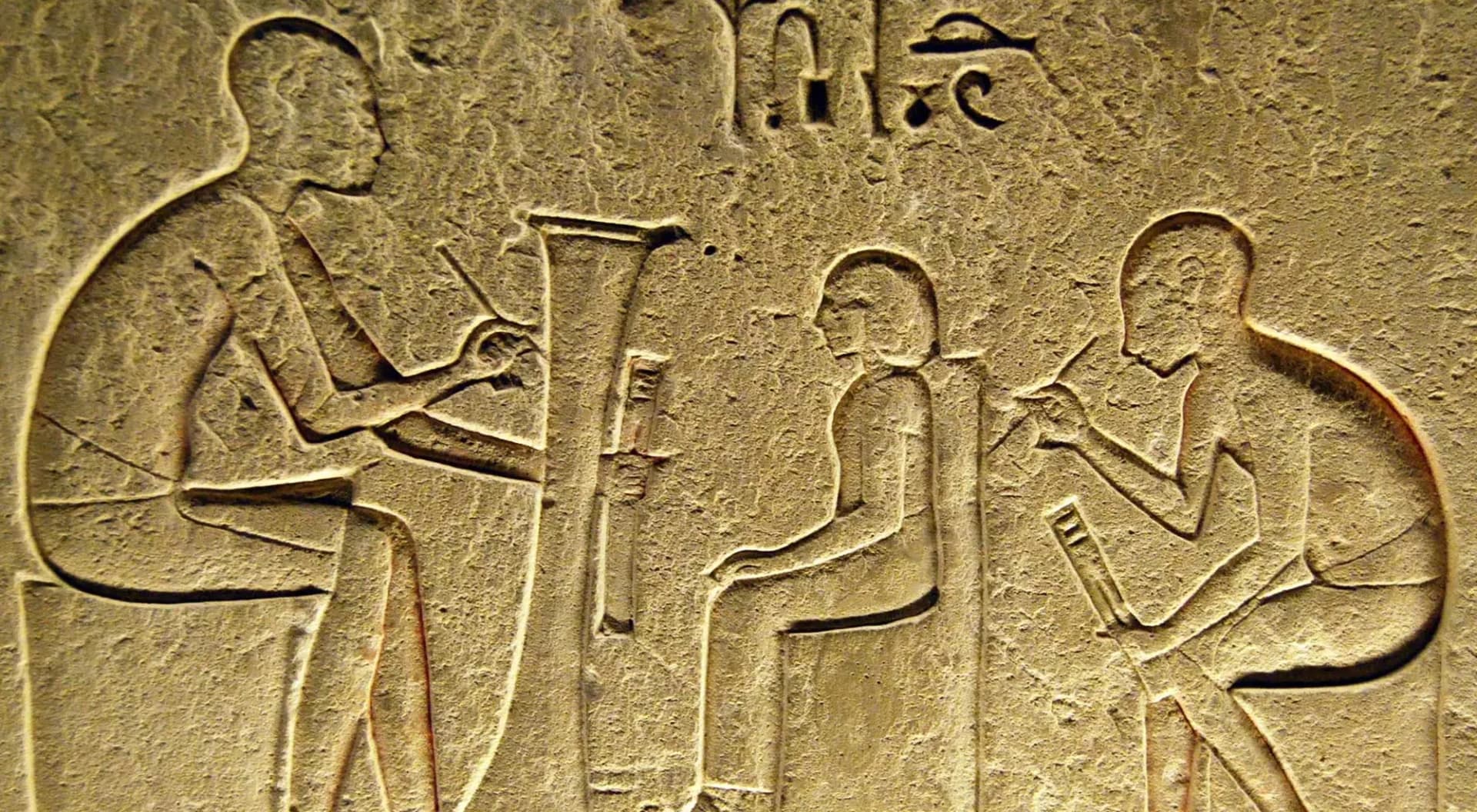
Much of what we know about ancient Egyptian banquets comes from tomb paintings, reliefs, and archaeological finds. These artistic depictions provide vivid details about the foods served, the layout of banquet halls, and the attire of guests. Scenes often show long tables laden with bread, meat, fruit, and wine, with guests seated in hierarchical order and servants attending to their needs.
Archaeological discoveries, such as pottery, wine jars, and remnants of food, help reconstruct the realities behind these artistic representations. For a closer look at these treasures, consider booking a Grand Egyptian Museum tour from Alexandria, where visitors can view artifacts that once graced the tables of pharaohs and nobles.
Frequently Asked Questions
-
What types of food were commonly served at ancient Egyptian banquets?
Ancient Egyptian banquets featured breads, meats like beef and duck, fish, vegetables, fruits such as dates and figs, and dairy products, reflecting the abundance of the Nile Valley. -
Was wine available to everyone at these feasts?
Wine was primarily reserved for the elite and used in religious ceremonies, while beer was the more common beverage for ordinary people in ancient Egypt. -
How did guests dress for a banquet in ancient Egypt?
Guests wore fine linen garments, adorned themselves with jewelry, and often used perfumed oils or cones to enhance their appearance and fragrance during the feast. -
What forms of entertainment were provided at Egyptian banquets?
Music, singing, dancing, acrobatics, and storytelling were common forms of entertainment, performed by professionals to create a lively and festive atmosphere. -
Are there modern ways to experience ancient Egyptian banquet traditions?
Yes, travelers can join themed dinners, Nile cruises, and museum tours that recreate the ambience of ancient feasts, offering traditional foods and entertainment inspired by historical practices. -
What etiquette rules were important at ancient Egyptian banquets?
Etiquette included washing hands before eating, seating guests by status, engaging in polite conversation, and showing respect to elders and the host.