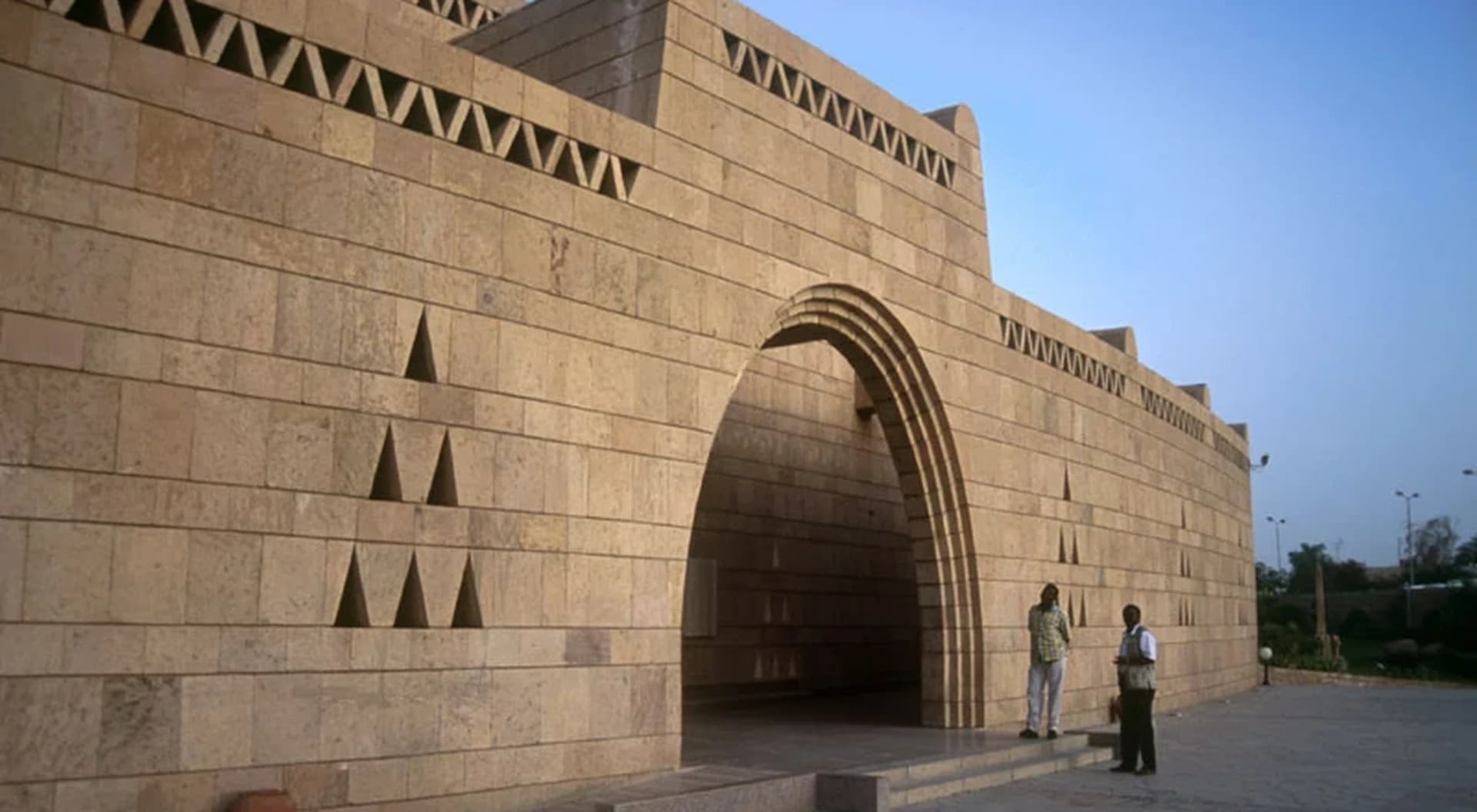
The Monastery Of St. Simeon In Aswan: Reaching It By Camel Or On Foot
The Monastery of St. Simeon in Aswan is best reached either by a scenic camel ride across the desert or by hiking on foot from the west bank of the Nile. Both options offer unique perspectives on the landscape and the ancient site, making the journey as memorable as the destination itself.
Key Takeaways
- The Monastery of St. Simeon is located on the west bank of the Nile, north of the Aga Khan Mausoleum in Aswan.
- Visitors can reach the monastery by hiring a camel or walking from the riverbank after crossing by boat.
- The site is an excellent example of early Christian monastic architecture in Egypt’s Nubian region.
- Aswan’s climate is hot, especially from May through September, so plan your visit during cooler morning hours.
- Official monument and museum ticket prices in Egypt are always in Egyptian Pounds (EGP), and mobile phone photography is free of charge at Ministry sites.
Introduction to the Monastery of St. Simeon
The Monastery of St. Simeon, also known as Anba Hatre, is one of Egypt’s most impressive and best-preserved early Christian monasteries. Situated on the west bank of the Nile, it dates back to the 7th century and was once a thriving spiritual center for Coptic monks and pilgrims. Its strategic location overlooking the river and desert made it both a place of worship and a defensive stronghold. The monastery’s massive walls, tranquil courtyards, and faded frescoes transport visitors back to a time when Christianity flourished in Upper Egypt.
For travelers interested in exploring the religious history and unique architecture of Aswan, the Monastery of St. Simeon is a must-see. Its remote setting adds to the sense of adventure, whether you arrive by camel or on foot. The journey itself is an integral part of the experience, offering sweeping views of the Nile, the desert, and the vibrant city of Aswan in the distance.
To better understand how the Monastery of St. Simeon fits into the broader context of Aswan’s attractions, consider reading Aswan: What Is Actually Worth Your Time for a detailed overview of the city’s highlights.
History and Significance of the Monastery
The Monastery of St. Simeon was originally founded in the 7th century and later expanded during the 10th century. It was dedicated to Anba Hatre, a local saint who became a monk after serving as a bishop. The monastery served as a spiritual retreat and a center for Christian learning, attracting monks and pilgrims from across Egypt and Nubia. Its strategic position also made it a defensive outpost against raids from the south.
The complex features a large basilica, monks’ quarters, storerooms, and defensive walls. Many of the original frescoes and inscriptions can still be seen, offering a glimpse into the daily life and artistic traditions of early Egyptian Christianity. The monastery was eventually abandoned in the 13th century, likely due to repeated attacks and the changing political landscape.
For a broader look at Aswan’s historical and cultural sites, explore the Aswan attraction page for more inspiration on what to see and do in the region.
Getting to the Monastery: By Camel
One of the most iconic ways to reach the Monastery of St. Simeon is by camel. After crossing the Nile by boat from the east bank (where most hotels and the city center are located), visitors can hire a camel and guide at the landing point. The camel ride across the sandy terrain takes about 30–40 minutes and is a highlight for many travelers, offering a sense of adventure and a glimpse into traditional desert transport.
The route winds through undulating dunes and rocky outcrops, with panoramic views of the Nile and Aswan’s skyline. Camels are well-suited to the desert environment, and experienced handlers ensure a safe and enjoyable journey. This mode of travel is particularly popular with families and those looking for a unique cultural experience.
If you are interested in the region’s camel culture, consider a side trip to the Daraw Camel Market: A Morning Detour Near Aswan for an authentic look at camel trading in Upper Egypt.
Getting to the Monastery: On Foot
For those who prefer a more active approach, walking to the Monastery of St. Simeon is a rewarding option. After taking a boat across the Nile, the footpath to the monastery is clearly marked and takes about 30–45 minutes at a comfortable pace. The trail leads through the desert landscape, past small villages and ancient ruins, with the imposing monastery visible on the horizon for much of the walk.
Walking allows visitors to fully appreciate the stark beauty of the desert, the silence interrupted only by the wind and the occasional bird. It’s an excellent opportunity for photography and quiet reflection. Be sure to wear sturdy shoes, bring water, and start early in the day to avoid the midday heat, especially since Aswan’s average daily high in May is 39.0°C, per the World Meteorological Organization.
For those planning an extended stay in the area, the Aswan day tour offers additional options for exploring the west bank and other key sites.
What to See at the Monastery
The Monastery of St. Simeon is a sprawling complex with several notable features. The main basilica, with its three aisles and remnants of intricate frescoes, is the centerpiece. Visitors can also explore the monks’ living quarters, storerooms, and the fortified outer walls that once protected the community from invaders. The upper level of the monastery offers sweeping views of the Nile, the desert, and the city of Aswan.
Many travelers are struck by the sense of tranquility that pervades the site, as well as the artistry of the faded wall paintings and inscriptions. The blend of Coptic and Nubian influences is evident in the architecture and decorative elements. Although much of the monastery is in ruins, its size and layout provide a vivid picture of monastic life in Egypt’s early Christian period.
For those interested in Egypt’s religious heritage, a visit to another famous monastery is possible with the Mount Sinai and St Catherine Monastery Tour, which explores one of the world’s oldest Christian communities in the Sinai Peninsula.
When to Visit and Practical Tips
Aswan’s climate is characterized by hot, dry weather, with temperatures peaking in the summer months. For example, the average daily high in July is 41.4°C and the low is 26.2°C, according to the World Meteorological Organization. The best time to visit the Monastery of St. Simeon is during the cooler months from October to April, or in the early morning hours to avoid the midday heat.
Wear comfortable shoes, a hat, and sunscreen, and bring plenty of water. There are no facilities at the monastery itself, so plan accordingly. Photography with a mobile phone is free of charge at Ministry sites. Official ticket prices for Egyptian monuments and museums are always in Egyptian Pounds (EGP), and free entry is available for children under 6, Egyptian seniors 60+, Egyptians with special needs, and orphaned children, per the Ministry of Tourism and Antiquities. Students must present a valid ID and their age must not exceed 24 to qualify for student tickets.
For more guidance on planning your Egyptian adventure, consult the Plan Your Trip category for expert advice and resources.
Pairing Your Visit: Other West Bank Attractions
The west bank of the Nile in Aswan is rich with attractions that can be combined with a visit to the Monastery of St. Simeon. Sites such as the Tombs of the Nobles, Qubbet el-Hawa, and the Aga Khan Mausoleum offer further insight into the region’s history and culture. Many visitors choose to book a guided tour that includes several of these highlights, making for a comprehensive day of exploration.
For travelers interested in Egypt’s ancient temples, the Tour to Kom Ombo and Edfu From Aswan provides a convenient way to experience two of the Nile Valley’s most significant archaeological sites in a single day.
To extend your journey along the Nile, consider a multi-day cruise that allows you to experience the changing landscapes and historic monuments at a relaxed pace.
If you are weighing whether to start your journey in Luxor or Aswan, the blog post Luxor to Aswan, or Aswan to Luxor? offers valuable insights into the pros and cons of each direction.
Combining the Monastery with a Nile Cruise
Many travelers to Aswan choose to experience the Nile by cruise, which often includes stops at major sites such as Philae Temple, Kom Ombo, and Edfu. While the Monastery of St. Simeon is not always part of standard cruise itineraries, it can often be added as a private excursion from Aswan. This allows visitors to enjoy the contrast between the lush riverbanks and the stark desert landscapes on the west bank.
For those interested in a classic Nile experience, the 4-Day Nile Cruise from Aswan to Luxor is a popular option, combining comfort, convenience, and access to Egypt’s most iconic monuments.
To further enhance your trip, consider a luxury travel package that includes both Nile cruising and guided tours of Aswan’s top attractions. The Luxury Cairo Luxor Aswan Package offers a curated experience for travelers seeking the best of Egypt in style.
Frequently Asked Questions
-
How do I get to the Monastery of St. Simeon from Aswan city?
The most common way is to take a boat across the Nile to the west bank, then either hire a camel or walk to the monastery along a marked desert path. -
Is it safe to ride a camel to the monastery?
Yes, camel rides are organized by experienced handlers and are a popular, safe way to reach the monastery, offering a unique desert experience. -
What should I bring when visiting the Monastery of St. Simeon?
Bring water, sun protection (hat and sunscreen), comfortable walking shoes, and a camera. There are no facilities at the site, so prepare accordingly. -
Can I take photos at the monastery?
Yes, photography with a mobile phone is free of charge at Ministry sites, including the Monastery of St. Simeon. Commercial photography requires prior permission. -
When is the best time of day to visit the monastery?
Early morning is recommended to avoid the intense heat, as Aswan’s temperatures can be very high, especially in summer. -
Are there ticket fees or entry requirements for the Monastery of St. Simeon?
The monastery is not always staffed, and entry fees may not be consistently collected. For other monuments in Egypt, all official ticket prices are in Egyptian Pounds (EGP), and free entry is available for certain groups such as children under 6 and Egyptian seniors 60+.