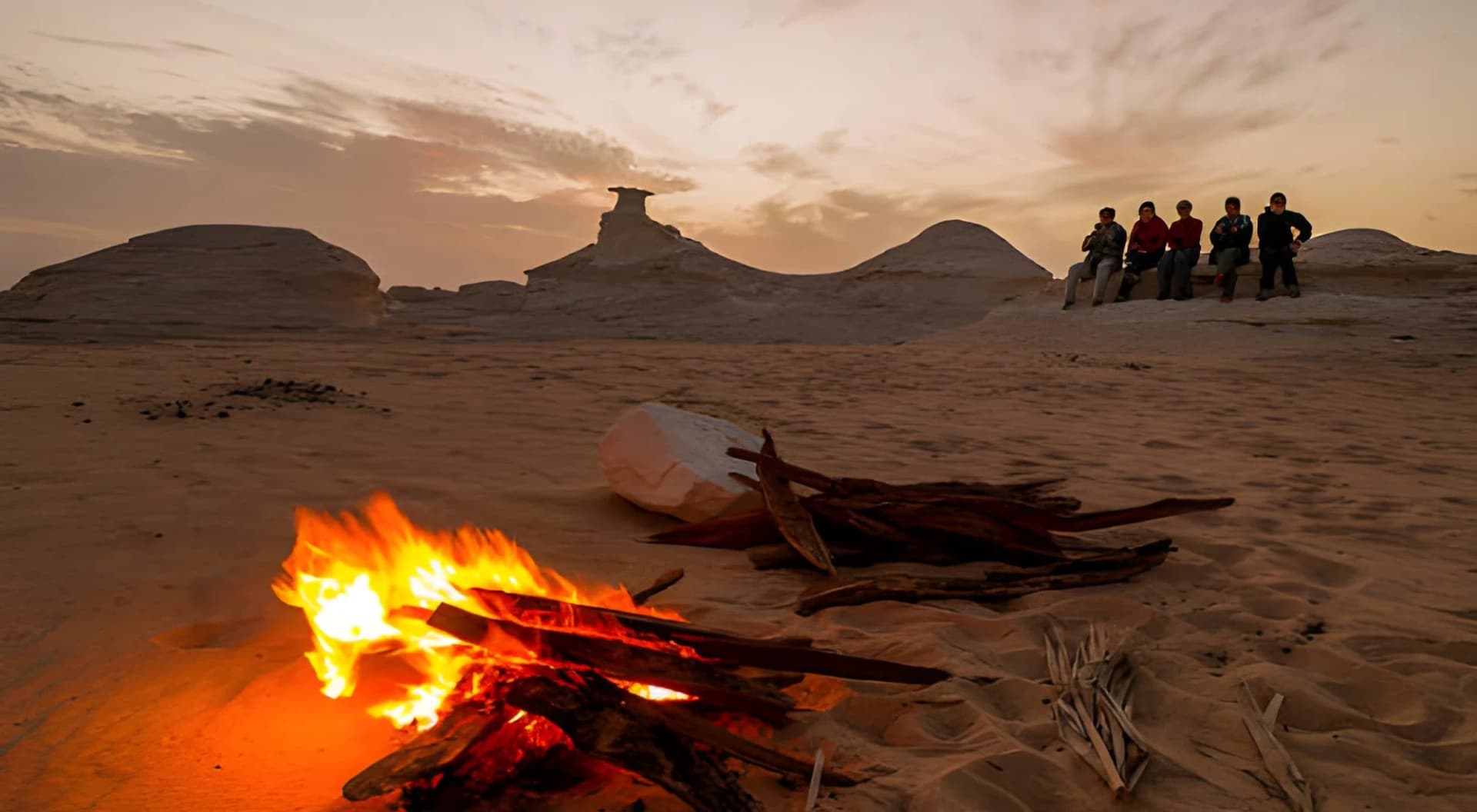
Night Sky Photography In The Egyptian Desert: Gear And Settings
Night sky photography in the Egyptian desert requires a sturdy tripod, a DSLR or mirrorless camera with manual controls, a wide-angle lens with a large aperture, and settings like high ISO, long exposure, and manual focus. The desert’s clear, dry air and minimal light pollution make it an exceptional location for capturing the Milky Way, constellations, and star trails.
Key Takeaways
- The Egyptian desert offers some of the world’s clearest night skies for astrophotography.
- Essential gear includes a tripod, wide-angle lens (f/2.8 or faster), and a camera with manual exposure settings.
- Ideal camera settings: ISO 1600–3200, aperture f/2.8, and exposure times of 15–30 seconds for sharp stars.
- Photography with a mobile phone is free of charge at Ministry sites, but drones require special permission per the Ministry of Defence.
- Always check the official booking portal for current Ramadan opening hours and other site-specific rules.
Why the Egyptian Desert is a Night Photographer’s Dream
The Egyptian desert, stretching across the Sahara and Eastern Desert, provides vast, unspoiled landscapes with minimal light pollution. The dry climate and clear skies make it an ideal destination for stargazers and astrophotographers. Whether you’re aiming to capture the Milky Way arching over sand dunes or the delicate glow of zodiacal light, Egypt’s deserts deliver breathtaking opportunities. The silence and remoteness also create an immersive experience, letting you focus entirely on your craft.
For travelers interested in exploring Egypt’s unique landscapes and cultural heritage, the Egypt page offers a comprehensive overview of must-see destinations and experiences.
Essential Gear for Desert Night Photography
To make the most of your night sky photography adventure, bring a camera with manual controls (DSLR or mirrorless), a wide-angle lens with an aperture of f/2.8 or faster, and a sturdy tripod to eliminate camera shake during long exposures. A remote shutter release helps prevent vibrations. Extra batteries and memory cards are vital, as long exposures drain power quickly and remote desert locations provide limited charging opportunities. Consider a headlamp with a red light to preserve your night vision. For those planning extended trips, a portable power bank or solar charger can be invaluable.
If you want to combine your photography journey with an adventurous excursion, the Desert Safari Trip is an excellent way to reach remote shooting locations while experiencing the thrill of the Egyptian wilderness.
Camera Settings for Capturing the Stars
Manual mode is essential for night sky photography. Set your lens to its widest aperture (f/2.8 or lower) to maximize light intake. Start with an ISO of 1600 to 3200; higher ISO values increase sensitivity but may introduce noise, which can be reduced in post-processing. Shutter speed depends on your focal length; to avoid star trails, use the “500 rule” (500 divided by your lens’ focal length in mm gives you the maximum exposure in seconds). For example, with a 24mm lens, use an exposure of about 20 seconds. Focus manually on a bright star using live view and magnification for sharp images.
For those seeking more inspiration about Egypt’s wonders, including its world-class museums, read Is the Grand Egyptian Museum Worth It for insights into another side of Egyptian heritage.
Best Locations for Night Sky Photography in Egypt
Egypt’s vast deserts offer a variety of photogenic sites. The White Desert, with its surreal chalk formations, is perfect for foreground interest beneath the stars. The Great Sand Sea near Siwa and the Eastern Desert’s rugged mountains also provide dramatic backdrops. The Abu Simbel temples, located near Lake Nasser, offer a unique blend of ancient architecture and celestial wonders. Always check site-specific rules, as some areas may have restrictions on overnight stays or photography.
If you’re fascinated by the intersection of astronomy and ancient heritage, the The Abu Simbel Sun Festival: 22 February and 22 October is a remarkable event where sunlight illuminates the temple’s inner sanctum, drawing photographers and history enthusiasts alike.
Planning Your Desert Night Photography Trip
Preparation is crucial for a successful photography outing. Research moon phases and choose nights close to the new moon for the darkest skies. The best months for clear skies are typically between October and April, when temperatures are milder and humidity is low. Always travel with a local guide, especially in remote regions, for safety and navigation. Bring plenty of water, snacks, and appropriate clothing for cold desert nights. Notify someone of your itinerary and check for any travel advisories or required permits.
For those interested in combining desert adventures with other Egyptian highlights, consider a Trip to Egypt and Jordan, which offers a seamless blend of ancient wonders, natural beauty, and unique photographic opportunities.
Legal and Safety Considerations for Photographers
Egypt enforces specific regulations on photography. Photography with mobile phones is free of charge at Ministry sites, but commercial filming and drone use require prior permission from the Ministry of Defence. It is illegal to photograph or share images considered damaging to the country’s image, and military sites or the Suez Canal are strictly off-limits. Always respect local customs and avoid photographing people without permission. Carry a copy of your passport, and ensure your equipment is insured against loss or damage, especially when traveling in remote areas.
To explore more about Egypt’s desert environments and discover other remarkable landscapes, browse the Desert category for curated tours and experiences.
Adding a Desert Safari to Your Photography Adventure
Desert safaris offer an excellent way to access remote locations ideal for night photography. Guided tours often include 4x4 vehicles, experienced drivers, and overnight camping, allowing you to focus on capturing the stars without logistical worries. Popular options include trips to the White Desert, Bahariya Oasis, and the dunes near Hurghada. Many tours provide meals, tents, and even astronomy guides who can help you identify constellations and celestial events.
If you’re staying near the Red Sea, the Hurghada Desert Safari by Jeep is a convenient way to experience the desert’s magic and photograph the night sky away from city lights.
Combining Night Photography with Nile Adventures
While the desert offers pristine skies, the Nile Valley also provides unique settings for astrophotography. Cruising between Luxor and Aswan, you can capture stars reflecting on the river and ancient temples silhouetted against the night. Many cruises anchor in tranquil locations, far from urban light pollution, giving you a chance to photograph the heavens from the deck. Bring your gear aboard and coordinate with staff for the best viewing spots and times.
To experience this blend of ancient history and natural beauty, consider the 4 Night Luxor to Aswan Nile Cruise for a memorable journey along Egypt’s most legendary waterway.
Tips for Photographing Ancient Sites Under the Stars
Some of Egypt’s most iconic monuments, like Abu Simbel and the temples of Luxor, can be photographed at night during special events or private tours. Look for opportunities during festivals, such as the Abu Simbel Sun Festival, when temples are illuminated in unique ways. Always check the specific site’s rules on night access and photography. Arrive at least one hour before closing, as recommended by the Ministry’s official ticketing service, to secure your spot and set up your equipment. Student discounts are available for those under 24 with a valid ID, and entry is free for children under 6, Egyptian seniors 60+, Egyptians with special needs, and orphaned children, per the Ministry of Tourism and Antiquities.
For practical advice on reaching Abu Simbel, see Abu Simbel: Fly, Drive or Cruise? to choose the best approach for your itinerary and photography goals.
Integrating Daytime Exploration with Night Photography
Maximize your Egyptian adventure by combining daytime sightseeing with night sky photography. Spend the day exploring museums, temples, and oases, then set up your camera for the evening’s celestial show. The Grand Egyptian Museum is a must-visit for history enthusiasts, offering unparalleled collections and insights into Egypt’s past. Afterward, head into the desert for a night under the stars. Many tours can be customized to include both cultural and astrophotography elements, ensuring a rich and varied experience.
Frequently Asked Questions
-
What camera settings are best for night sky photography in the Egyptian desert?
The best settings are manual mode, aperture f/2.8 or wider, ISO 1600–3200, and a shutter speed of 15–30 seconds. Adjust based on your lens and desired effect to capture sharp stars or star trails. -
Is it legal to photograph the night sky anywhere in Egypt?
It is legal to photograph the night sky in most desert locations, but photography is prohibited at military sites and the Suez Canal. Drones require permission from the Ministry of Defence, and it is illegal to share photos considered damaging to Egypt’s image. -
Do I need a permit to camp overnight in the Egyptian desert for photography?
In many desert areas, especially protected zones or near archaeological sites, you may need a permit or must join an organized tour. Always check with local authorities or your tour operator before camping overnight. -
Can I use my mobile phone for night sky photography at Egyptian monuments?
Photography with a mobile phone is free of charge at Ministry sites, but for best results in night sky photography, a camera with manual controls is recommended. -
What is the best time of year for night sky photography in the Egyptian desert?
The best months are from October to April, when the skies are clearest and temperatures are more comfortable for nighttime shooting. -
Are there guided tours that combine desert exploration and night photography?
Yes, many operators offer desert safaris and overnight trips that allow for night sky photography, providing transportation, guides, and camping equipment for a safe and rewarding experience.