Attraction

Philae Temple

The temple of Isis, taken apart and rebuilt stone by stone on a different island to save it from the dam — and the last place in Egypt where the old religion was still practised.

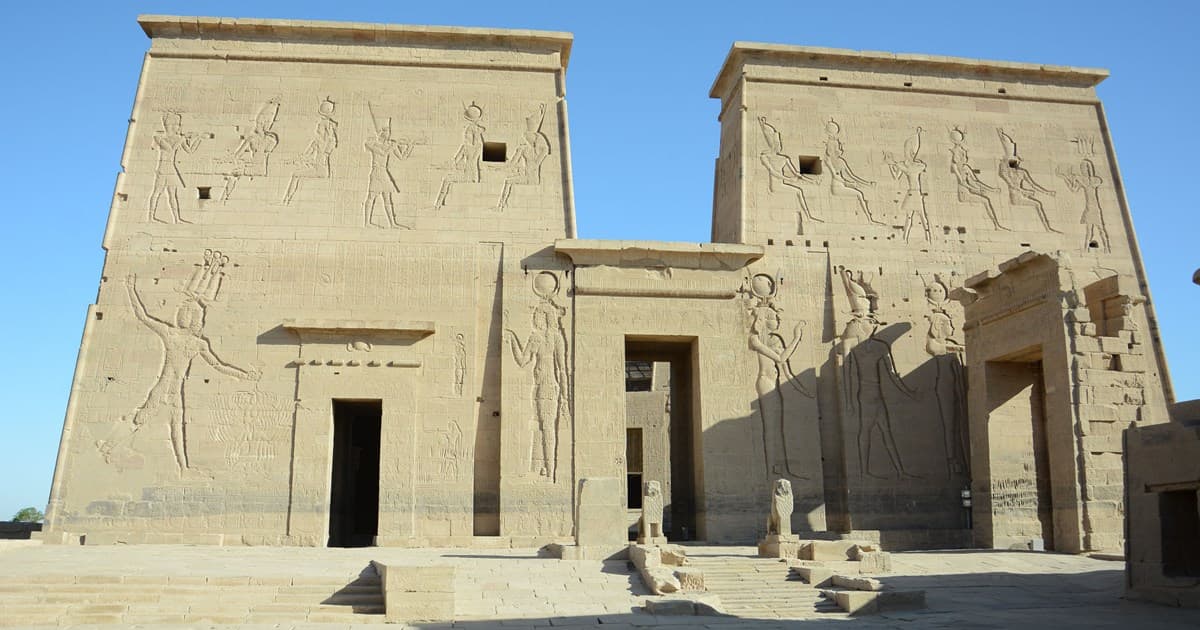
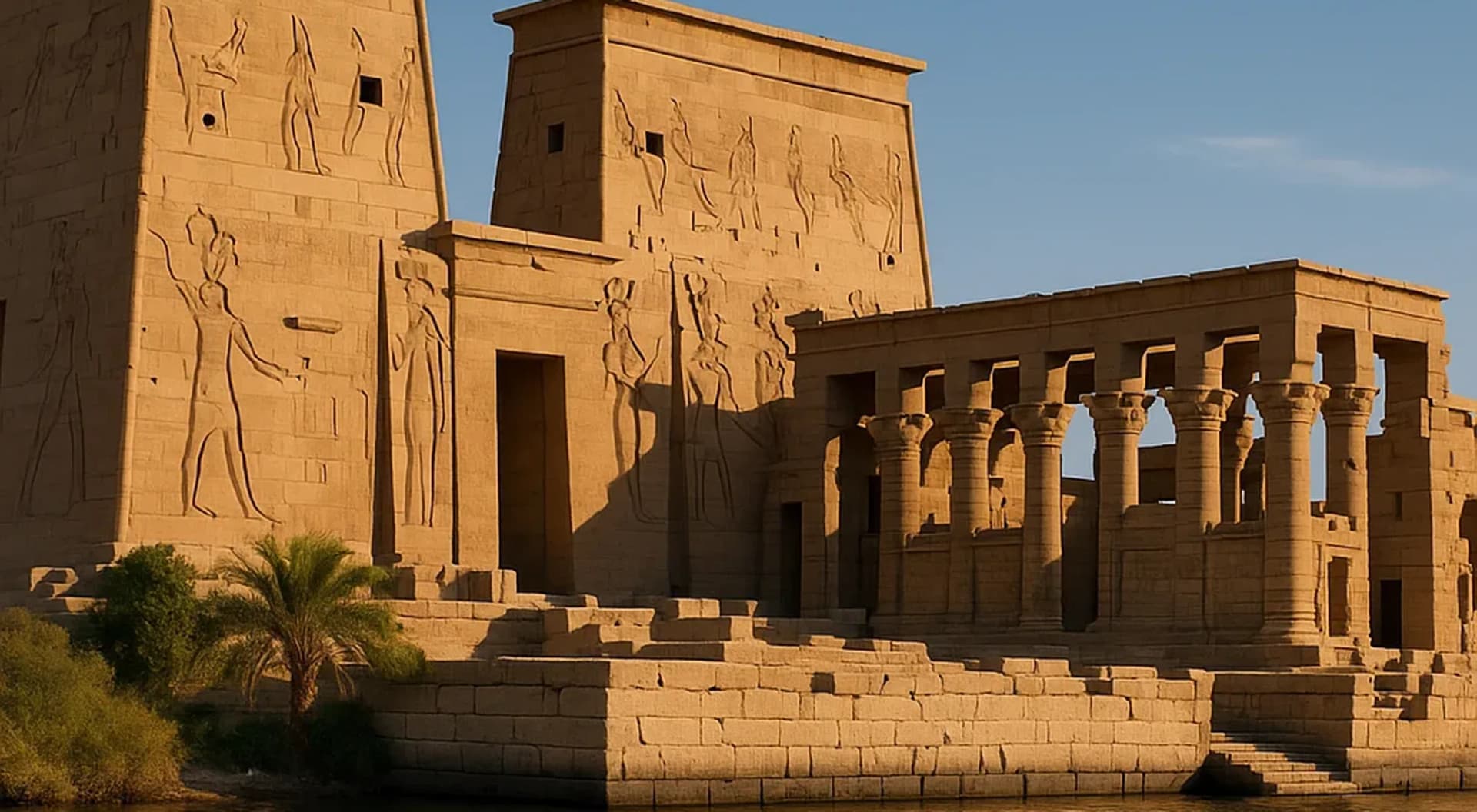
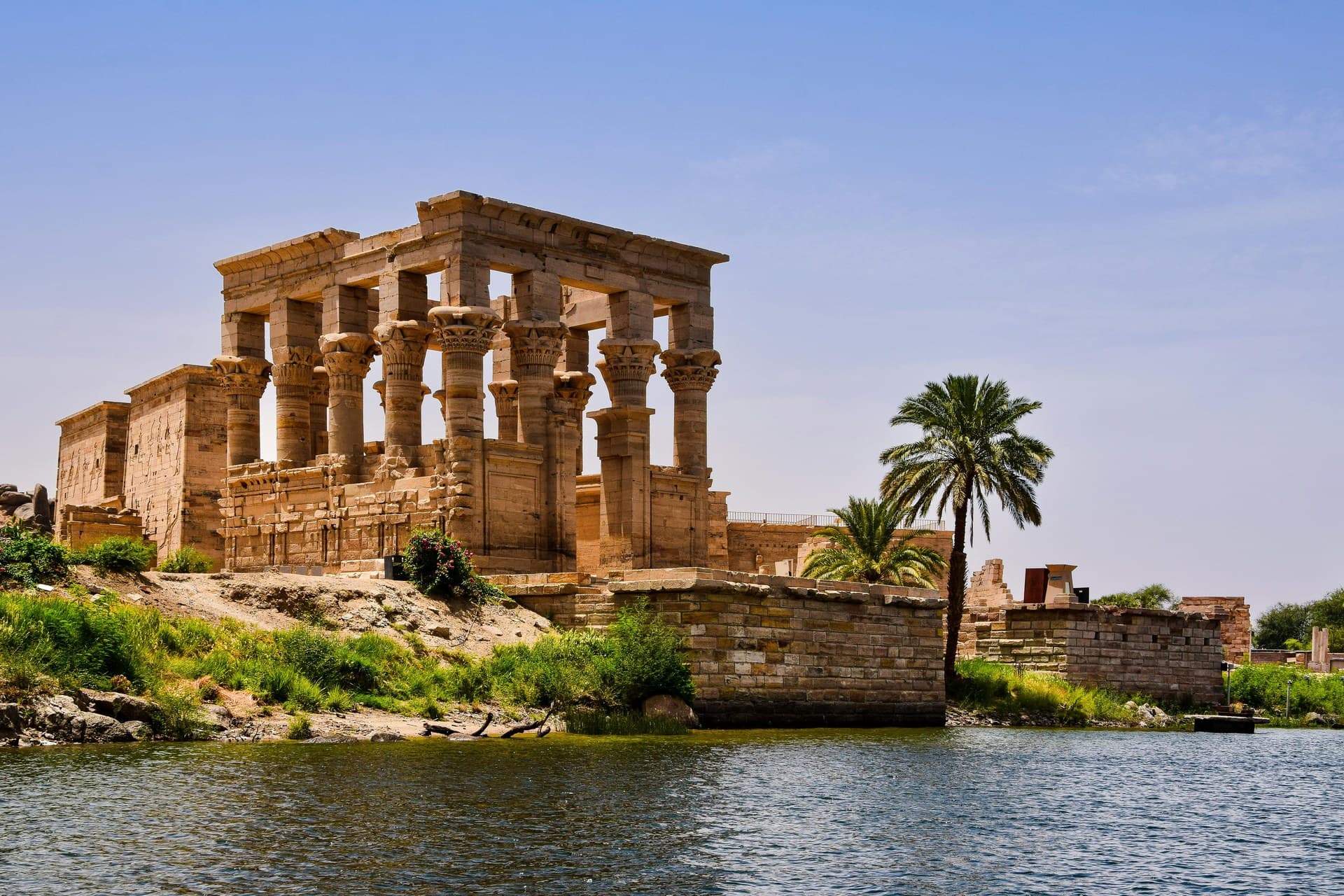
The Temple of Isis at Philae standing on its island in the Nile at Aswan
Most PopularTempleAswan & Nubia

Overview

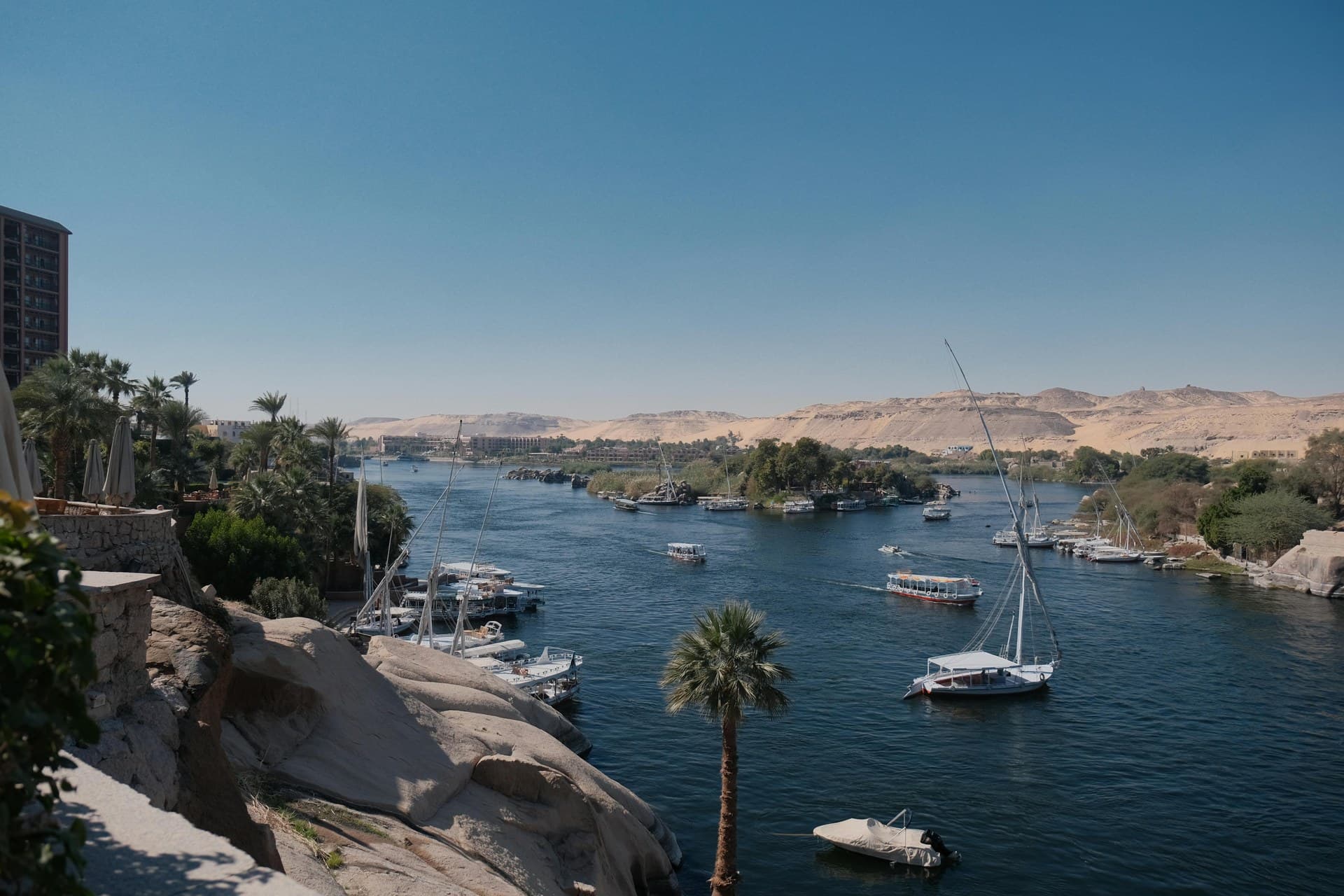
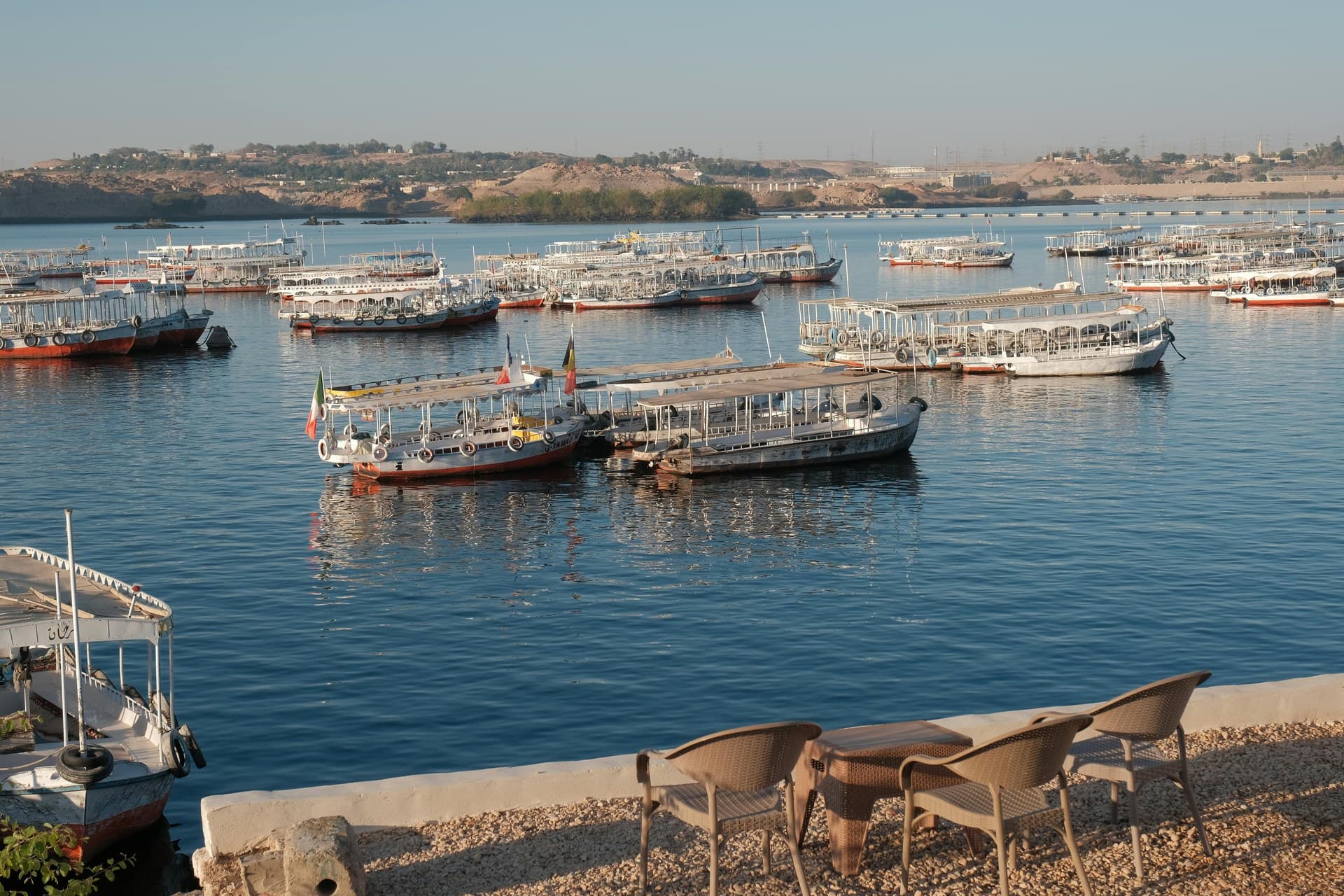
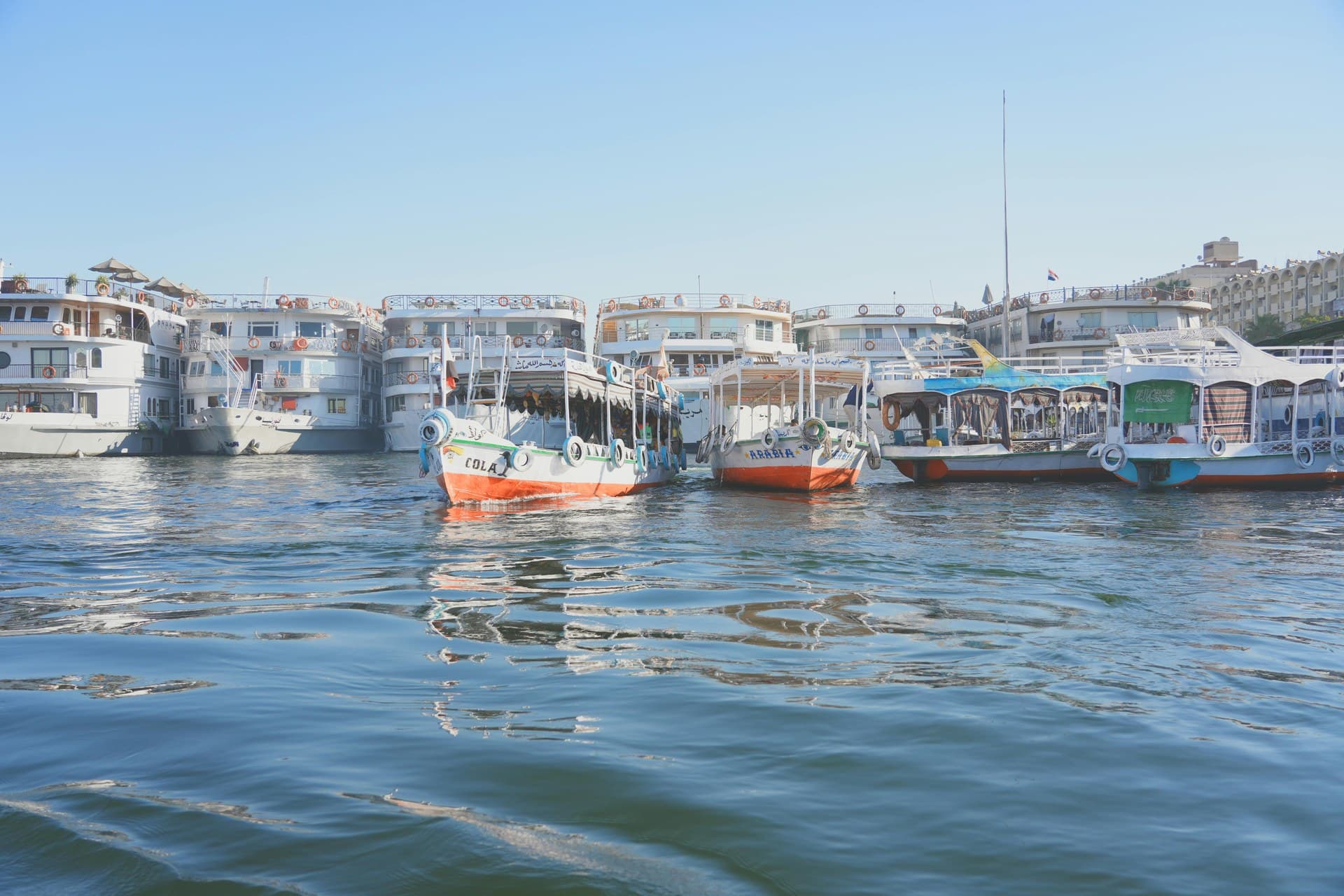
Philae is reached only by motorboat, from a jetty south of Aswan, and the approach is part of it: the temple rises out of the water with nothing else around it.

The island you land on is not the island it was built on. Philae proper is underwater. What you walk around was cut into forty thousand blocks, lifted, and rebuilt on higher ground nearby.

Why visit Philae Temple

The rescue is the story, and knowing it changes the visit. After the first Aswan dam was completed in 1902 the temple spent most of each year submerged; tourists were rowed between the tops of the columns and looked down through green water at the capitals. When the High Dam was planned it would have gone under permanently. Between 1972 and 1980 a UNESCO campaign built a coffer dam, pumped the site dry, numbered and dismantled the whole complex, and reassembled it on Agilkia island, reshaping that island to match the original topography. The joins are visible if you look for them.

It is also the last surviving corner of ancient Egyptian religion. The cult of Isis continued here for centuries after the rest of Egypt had turned Christian, and the last dated hieroglyphic inscription anywhere — AD 394 — is carved on this site, along with the last known inscription in demotic some decades later. The temple was finally closed under Justinian in the sixth century.

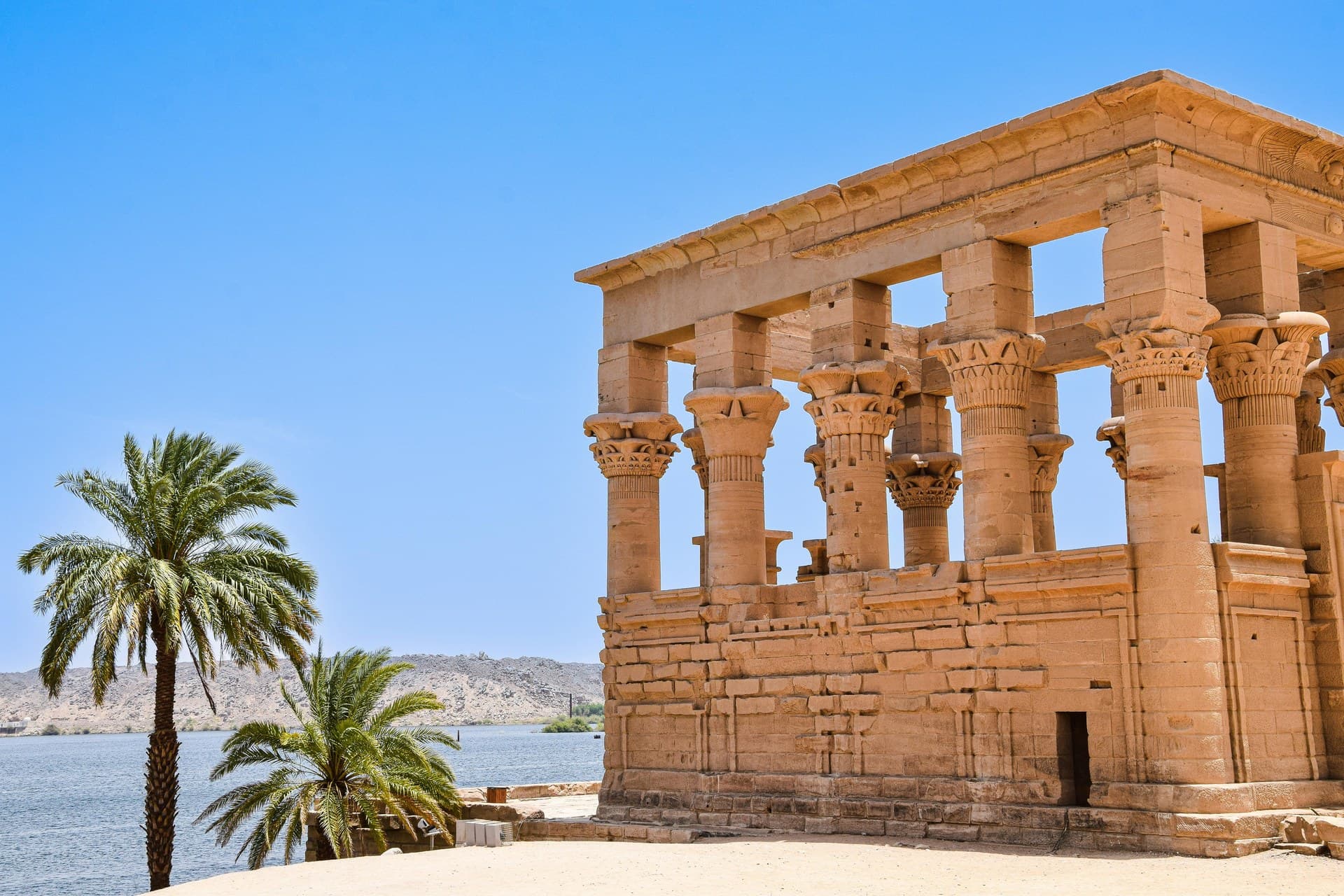
And the building itself is unusually easy to like. It is Ptolemaic and Roman rather than pharaonic, which means it is smaller, more decorative and better preserved than the great New Kingdom temples, with a kiosk on the water's edge that is the most photographed structure in Aswan.
History of Philae Temple

The main temple is dedicated to Isis and was built largely under the Ptolemies from the third century BC, with substantial Roman additions. Philae was a pilgrimage site, and its Isis cult drew worshippers from well beyond Egypt.

The Kiosk of Trajan, usually called Pharaoh's Bed, dates from the early second century AD. It was never finished — the column capitals are only partly carved — and it is the building most people picture when they think of Philae.

When the temple was converted to Christian use, crosses were carved into the walls of the hypostyle hall and some of the reliefs were deliberately chiselled away. Both the crosses and the damage are still there, side by side with the Egyptian carving.

The 1902 dam and its later heightenings put the island under water for most of the year for seven decades. The staining left by that submersion is still visible on the lower courses of the stone, which is the simplest way to see how high the water stood.

What to see at Philae Temple

  • The Kiosk of Trajan on the water's edge, with its unfinished capitals
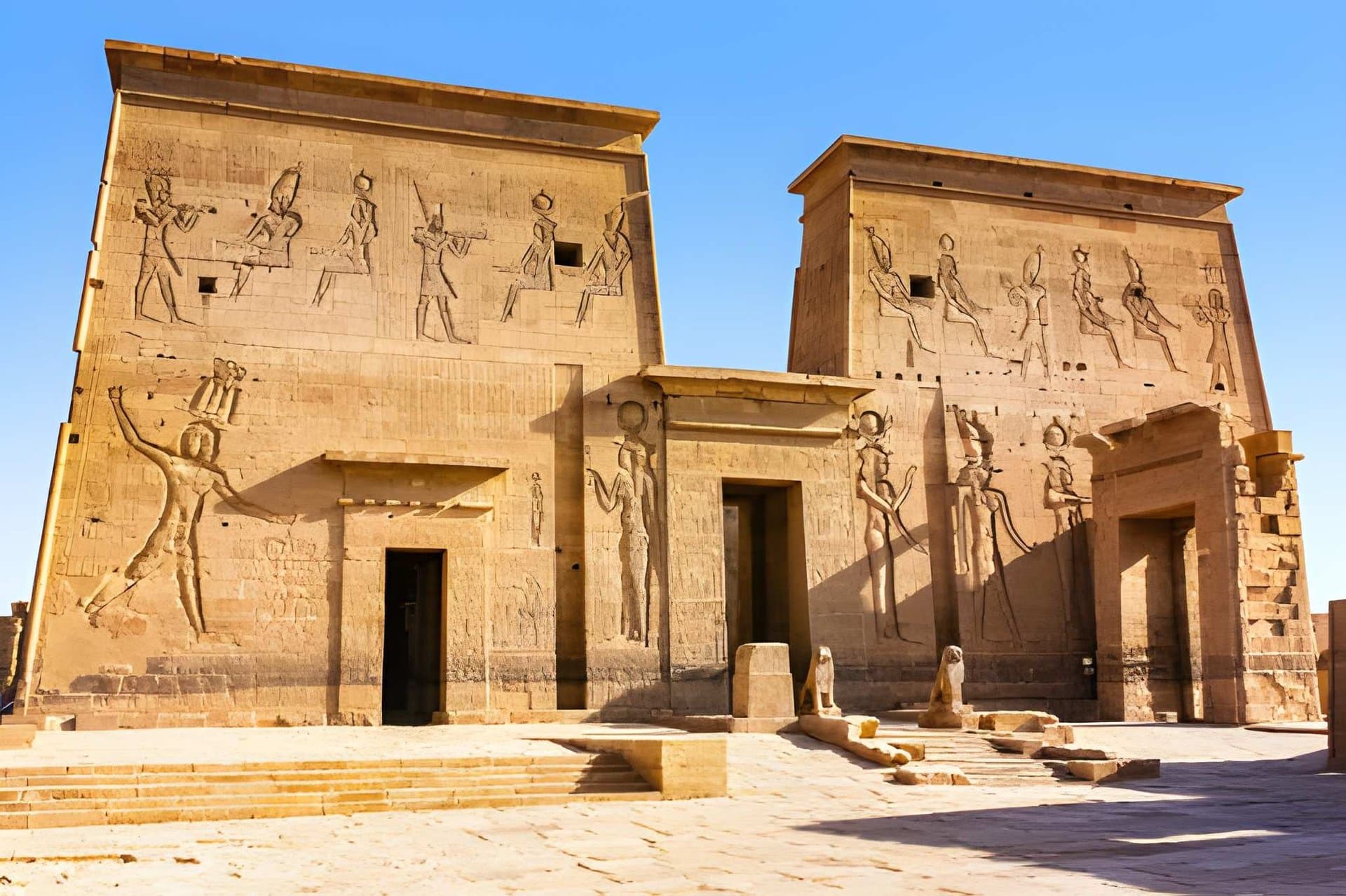
  • The first pylon, with colossal reliefs of Ptolemy XII smiting his enemies
  • The hypostyle hall, with Coptic crosses cut into the pharaonic reliefs
  • The Temple of Hathor and its reliefs of Bes playing music
  • The Gate of Diocletian at the northern end
  • The waterline staining that records seventy years of submersion
  • The approach by boat, which is the best view of the whole complex
  • The reassembly joins, once you know to look for them

Best time to visit Philae Temple

Early morning or late afternoon. October to April is comfortable; the island holds heat in summer.

Opening Hours and Tickets

Opening hours: Daytime hours with seasonal variation. The sound and light show runs in the evening on its own schedule.

An admission ticket is bought at the mainland jetty. The boat crossing is paid separately to the boatman and the fare is agreed before you board. The evening show is ticketed separately.

Opening hours and ticket prices may change. Please confirm the latest details before visiting.

How to get to Philae Temple

By motorboat from the Marina jetty south of Aswan, roughly fifteen minutes by car from the corniche and ten minutes on the water.

Nearby Attractions

Tours that include Philae Temple

Luxury Cairo, Luxor and Aswan Package

Luxury Cairo, Luxor and Aswan Package

An upscale private journey that combines Cairo highlights, a polished Luxor stay, and a refined Aswan finish.

09 Days Egypt and Nubia Tour

09 Days Egypt and Nubia Tour

Experience an extraordinary 9-day expedition through the heart of Egypt and Nubia, where ancient history and vibrant culture intertwine. Begin in Cairo, home to the timeless pyramids and the Grand Egyptian Museum, then journey south to Luxor and Aswan to uncover the temples, tombs, and treasures of the pharaohs. Sail along the Nile aboard a deluxe cruise, visit the awe-inspiring Abu Simbel temples, and immerse yourself in the warmth and traditions of the Nubian people. This journey offers a perfect blend of discovery, relaxation, and cultural connection.

4 Night Luxor to Aswan Nile Cruise

4 Night Luxor to Aswan Nile Cruise

A classic Nile cruise itinerary with temple visits, river views, and a comfortable four-night rhythm.

4-Day Nile Cruise from Aswan to Luxor

4-Day Nile Cruise from Aswan to Luxor

Set sail on a captivating 4-day Nile cruise from Aswan to Luxor, where the ancient world unfolds before your eyes. Journey along the legendary Nile River and uncover Egypt’s most iconic temples and monuments. Begin in Aswan with visits to the High Dam and the enchanting Philae Temple, then continue to Kom Ombo and Edfu to explore magnificent sanctuaries dedicated to ancient gods. As you sail northward, reach Luxor—the open-air museum of Egypt—home to the grand Karnak and Luxor Temples and the royal tombs of the Valley of the Kings. With expert-guided tours, comfortable accommodations, and full

4 Day 3 Night Nile Cruise from Aswan to Luxor

4 Day 3 Night Nile Cruise from Aswan to Luxor

Set sail on a remarkable 4-day, 3-night Nile cruise from Aswan to Luxor, where the grandeur of ancient Egypt unfolds before your eyes. Journey along the legendary Nile River aboard a comfortable cruise ship, visiting some of the most iconic archaeological sites in the world. Discover the enchanting Temple of Philae in Aswan, the twin sanctuaries of Kom Ombo, and the magnificent Temple of Horus in Edfu. Continue to Luxor to explore the Valley of the Kings, the Temple of Hatshepsut, and the colossal statues of Memnon on the West Bank, before concluding your adventure at the awe-inspiring Karnak

Luxor Day Trip from Aswan

Luxor Day Trip from Aswan

Set out on a remarkable full-day adventure from Aswan to Luxor, the world’s largest open-air museum. This private excursion immerses you in the splendor of ancient Egypt, where monumental temples and royal tombs reveal the legacy of the pharaohs. Designed for travelers eager to witness Luxor’s most iconic landmarks in a single day, this tour blends history, culture, and comfort for an unforgettable experience.

Travel Tips Before Visiting

The boat is a separate negotiation from the ticket. You buy admission at the jetty and then agree a price with a boatman for the return crossing and the waiting time. Settle it, out loud, before you get in. Go early or go at the end of the day. Mid-morning brings every cruise boat in Aswan at once, and the island is small enough that it matters. Give it longer than the boatman expects. An hour on the island is comfortable; most crossings are sold assuming forty minutes. Look for the crosses. The Christian re-use of the hypostyle hall is the most interesting thing on the site after the rescue itself, and almost nobody points it out. The evening sound and light show is worth it here more than at most sites, because you arrive by boat in the dark. It is a separate ticket and a separate trip.