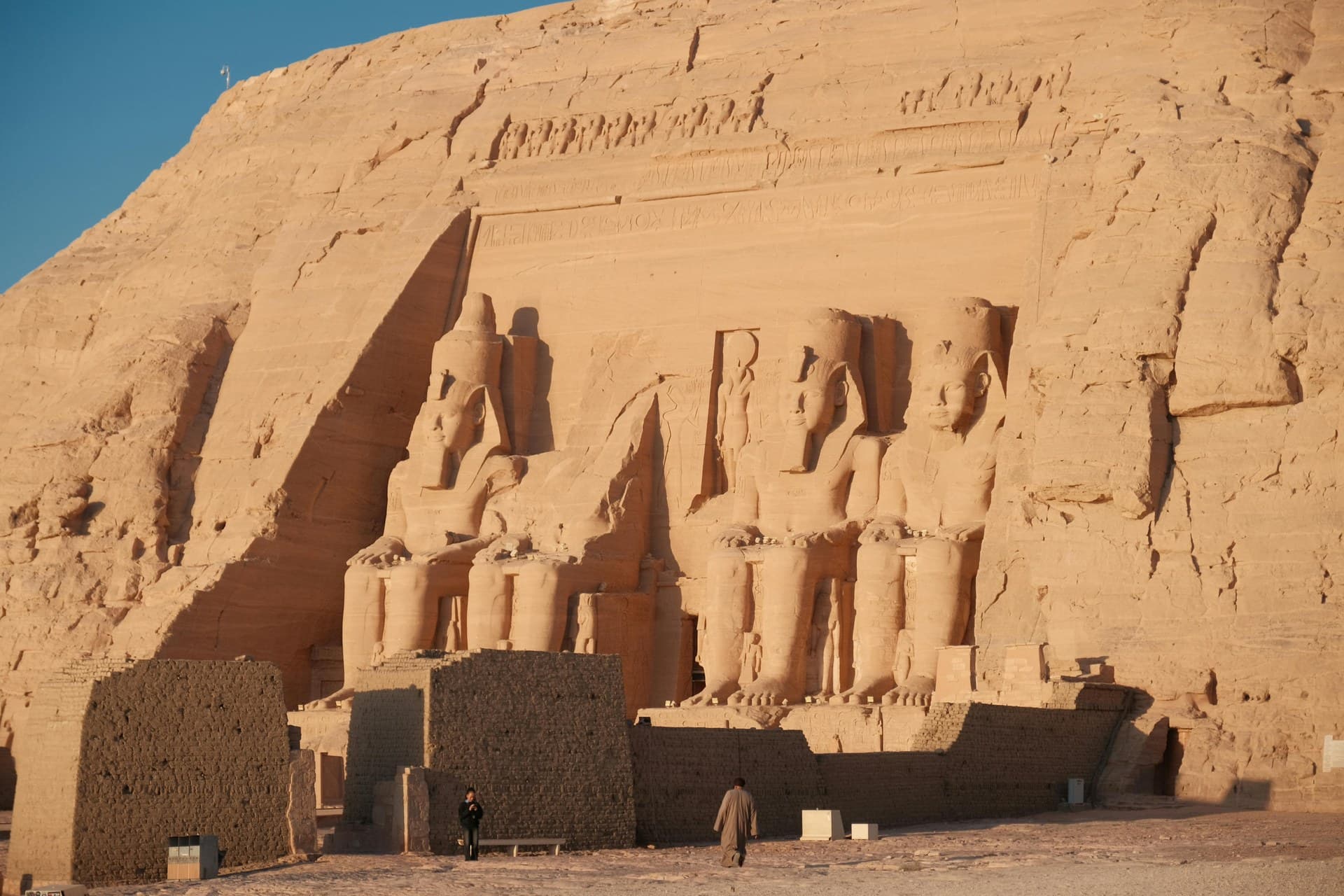
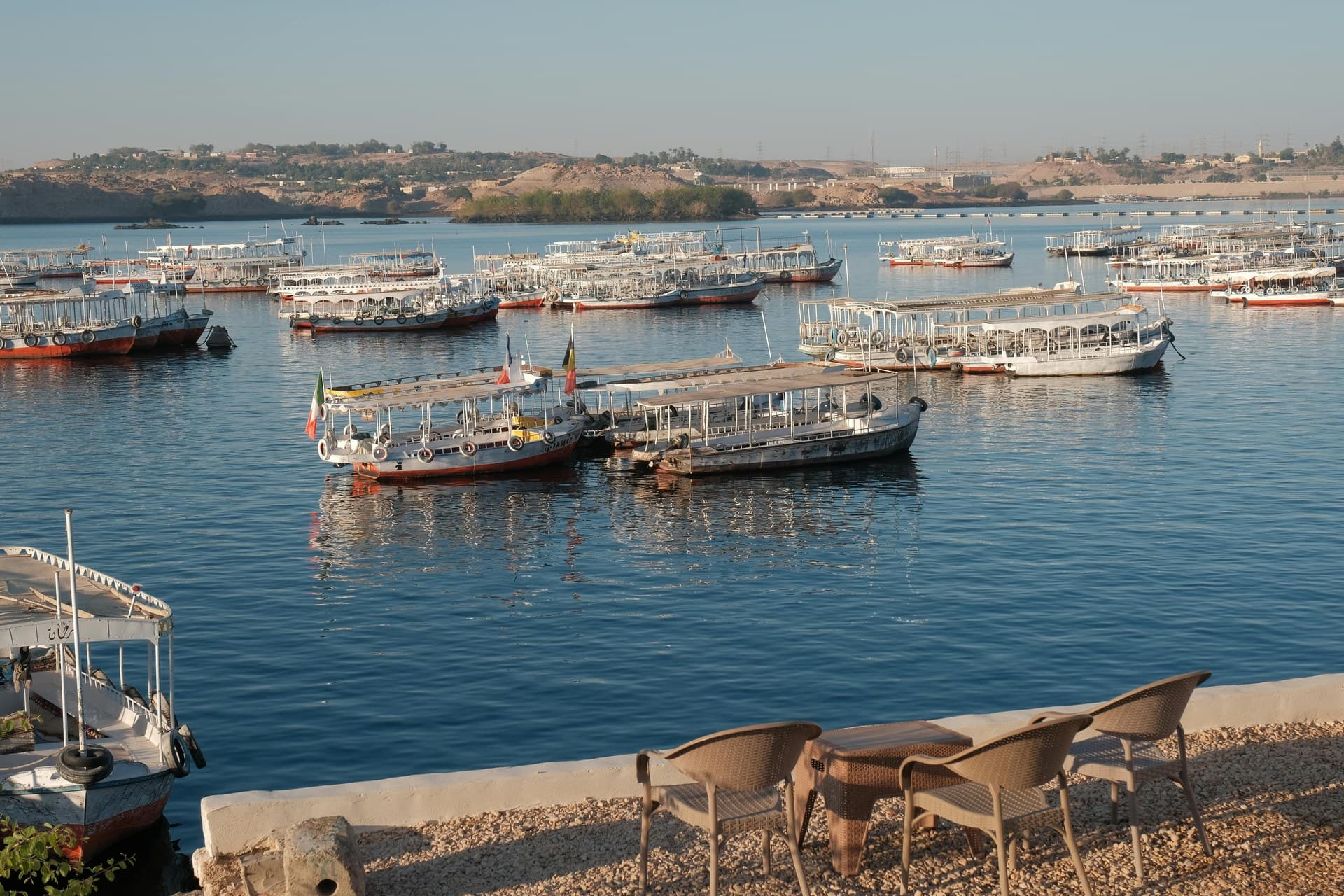
The Nubian people of this region were displaced repeatedly in the twentieth century — with each raising of the old Aswan dam, and then far more comprehensively when Lake Nasser filled behind the High Dam in the 1960s and drowned dozens of villages along with the valley they stood in.
Tens of thousands were resettled, some to purpose-built villages north of Aswan at Kom Ombo, some closer to the city. The villages visitors see today are partly original and partly the product of that displacement.
That is also why 'Nubian village' names two different things. Gharb Soheil and the island settlements are the river-edge communities tourism knows; the resettlement blocks at Kom Ombo, fifty kilometres north, took the majority of the displaced and are ordinary towns. What visitors see is the remnant closest to a much larger drowned homeland.
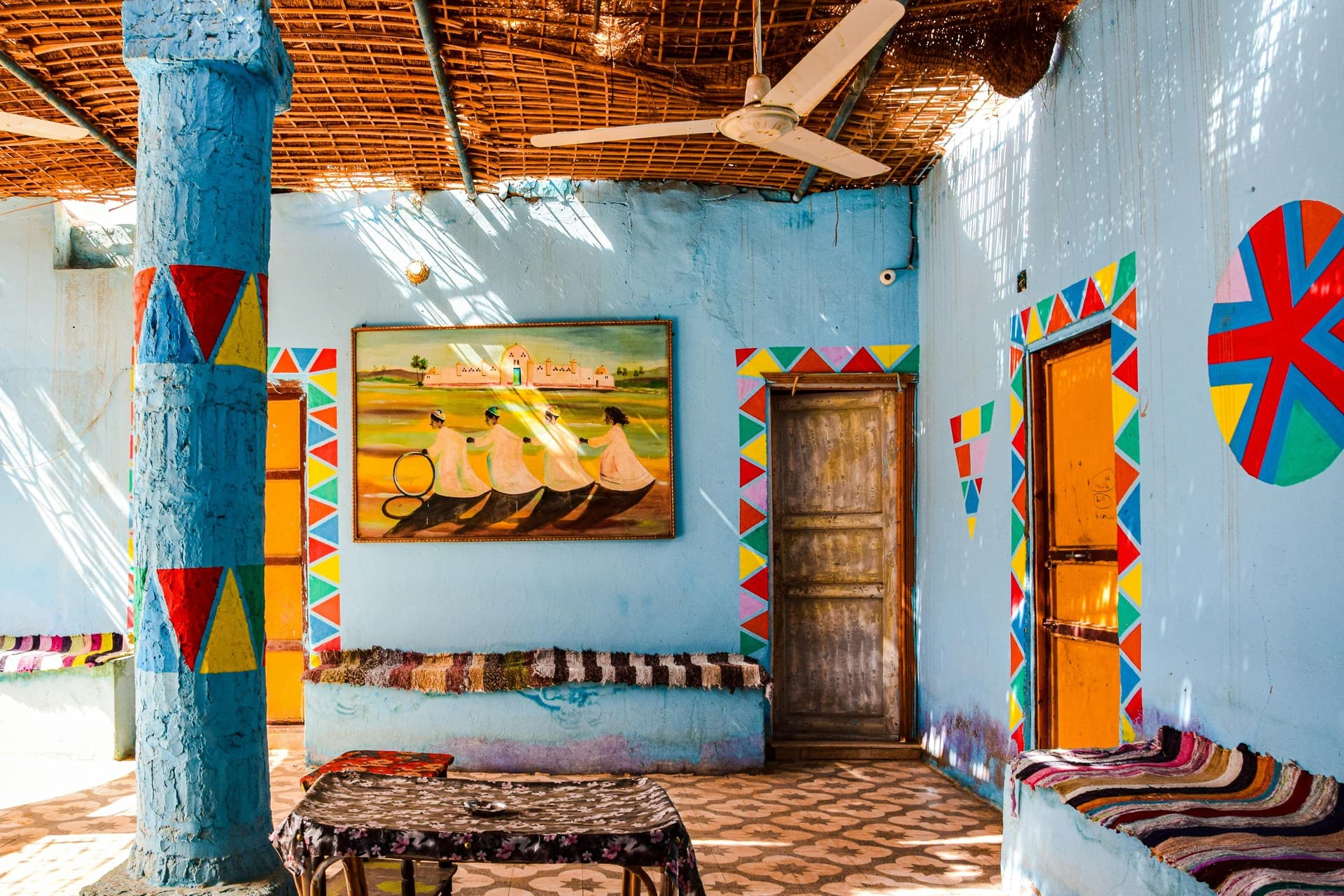
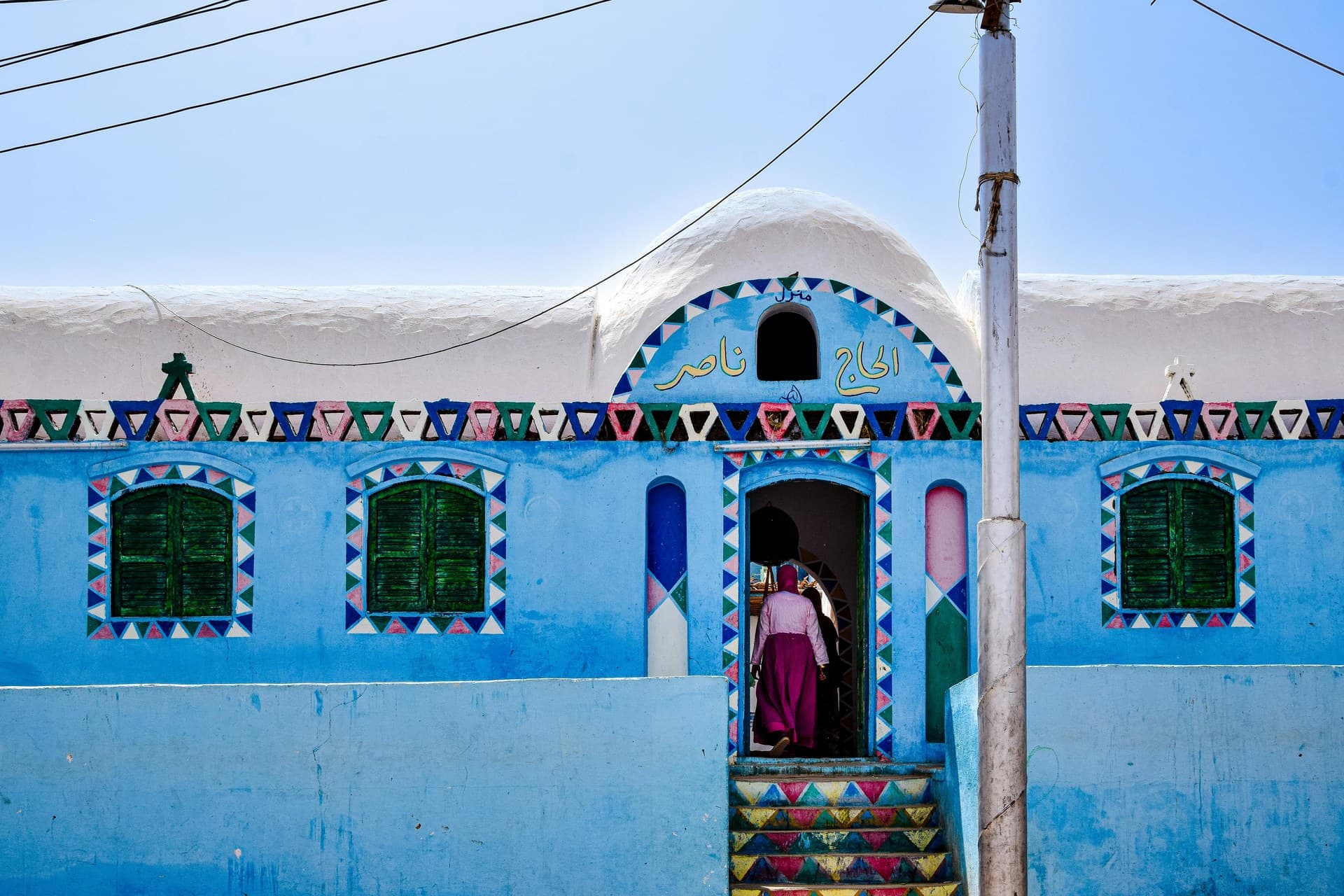
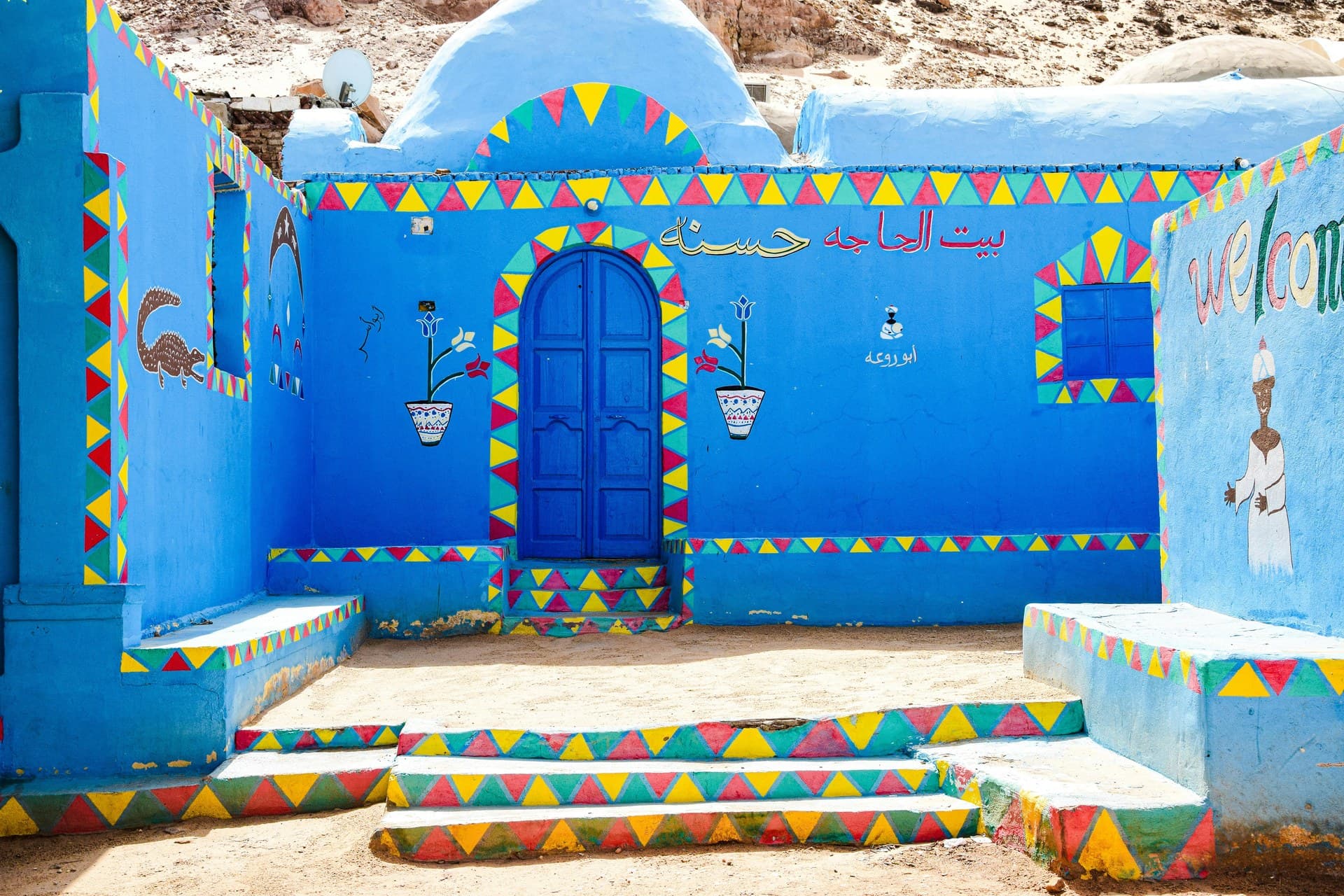
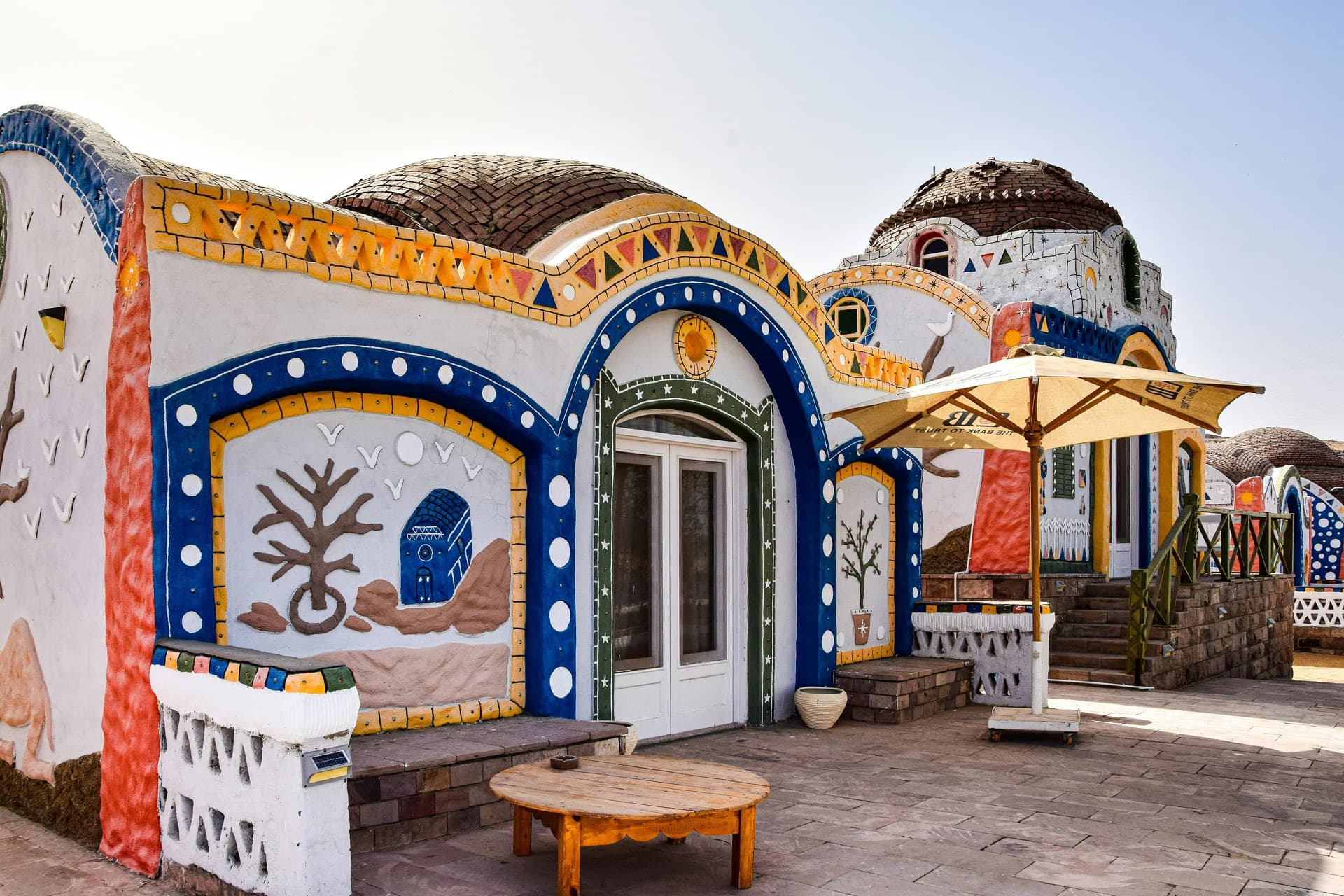
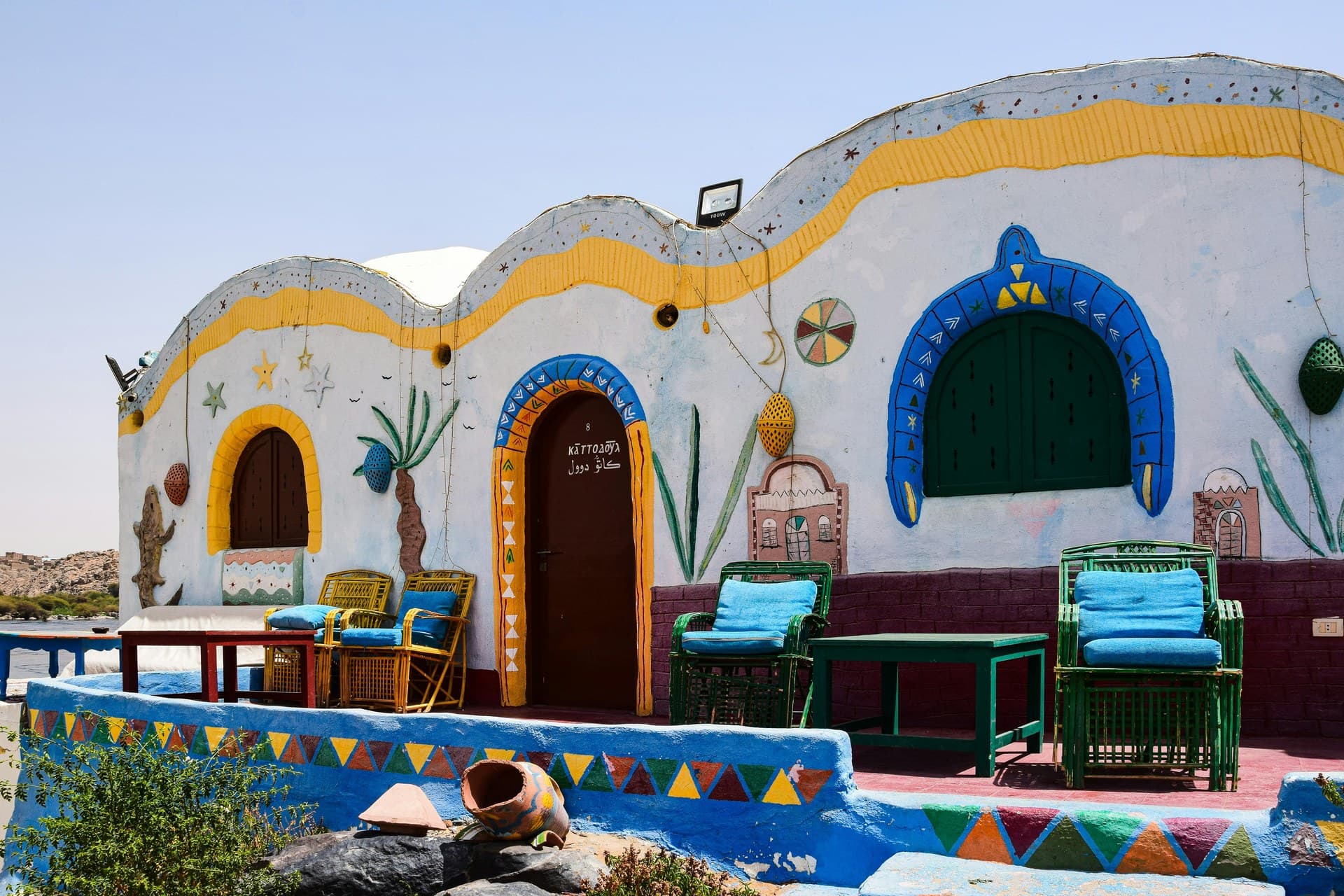
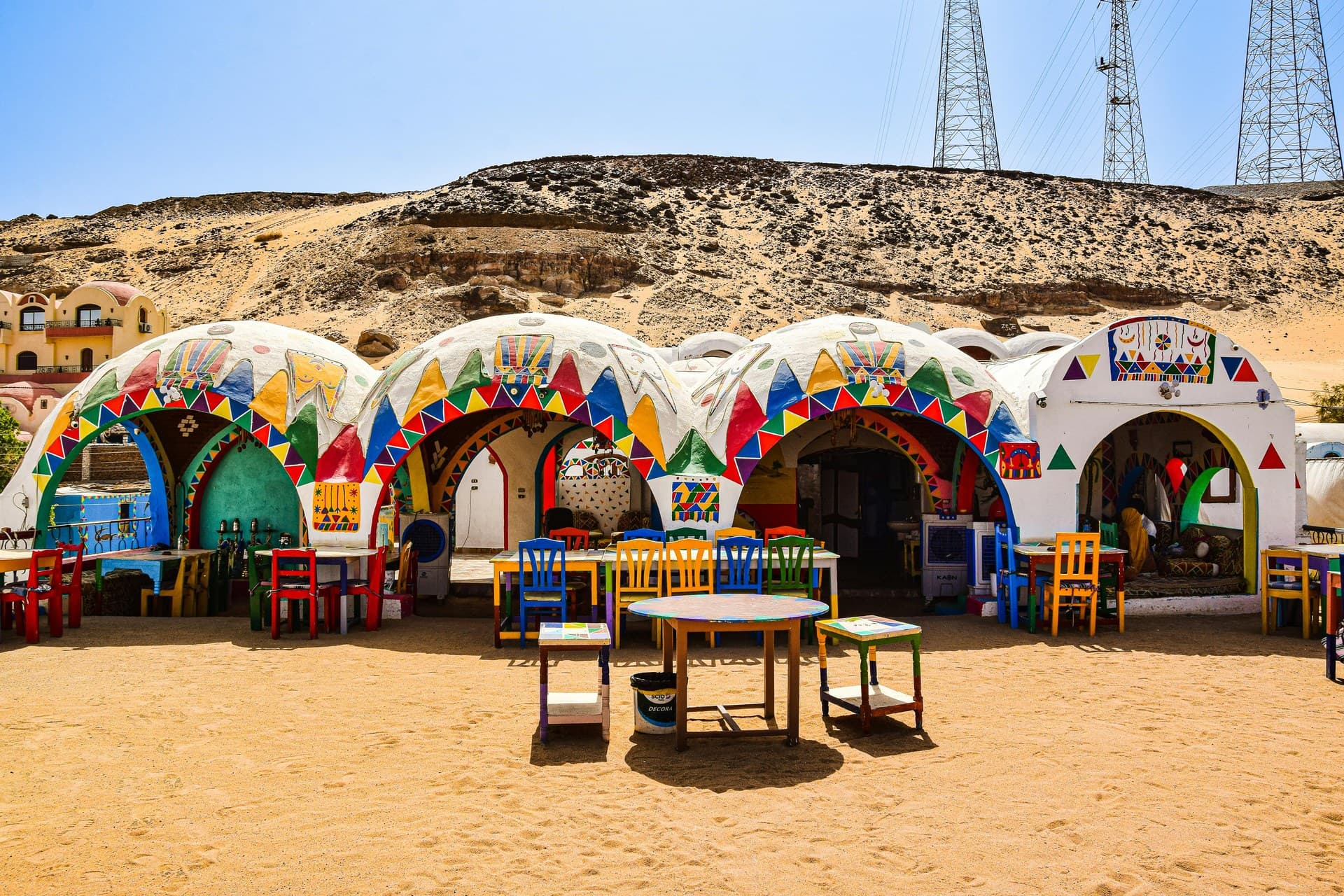
The building tradition is functional as well as beautiful. Lime wash and painted plaster protect mud brick; the domes and vaults are an old answer to a treeless country — roofs raised without timber, in a desert where palm trunks were too valuable to burn or build with.
The Nubian languages are still spoken, and the culture has become one of the reasons people come to Aswan at all — which is a complicated outcome to a forced resettlement, and worth holding in mind.