Attraction

The Aswan High Dam

The dam that ended the Nile flood, created the largest reservoir in Africa, and rewrote Egyptian agriculture, archaeology and politics in a decade.

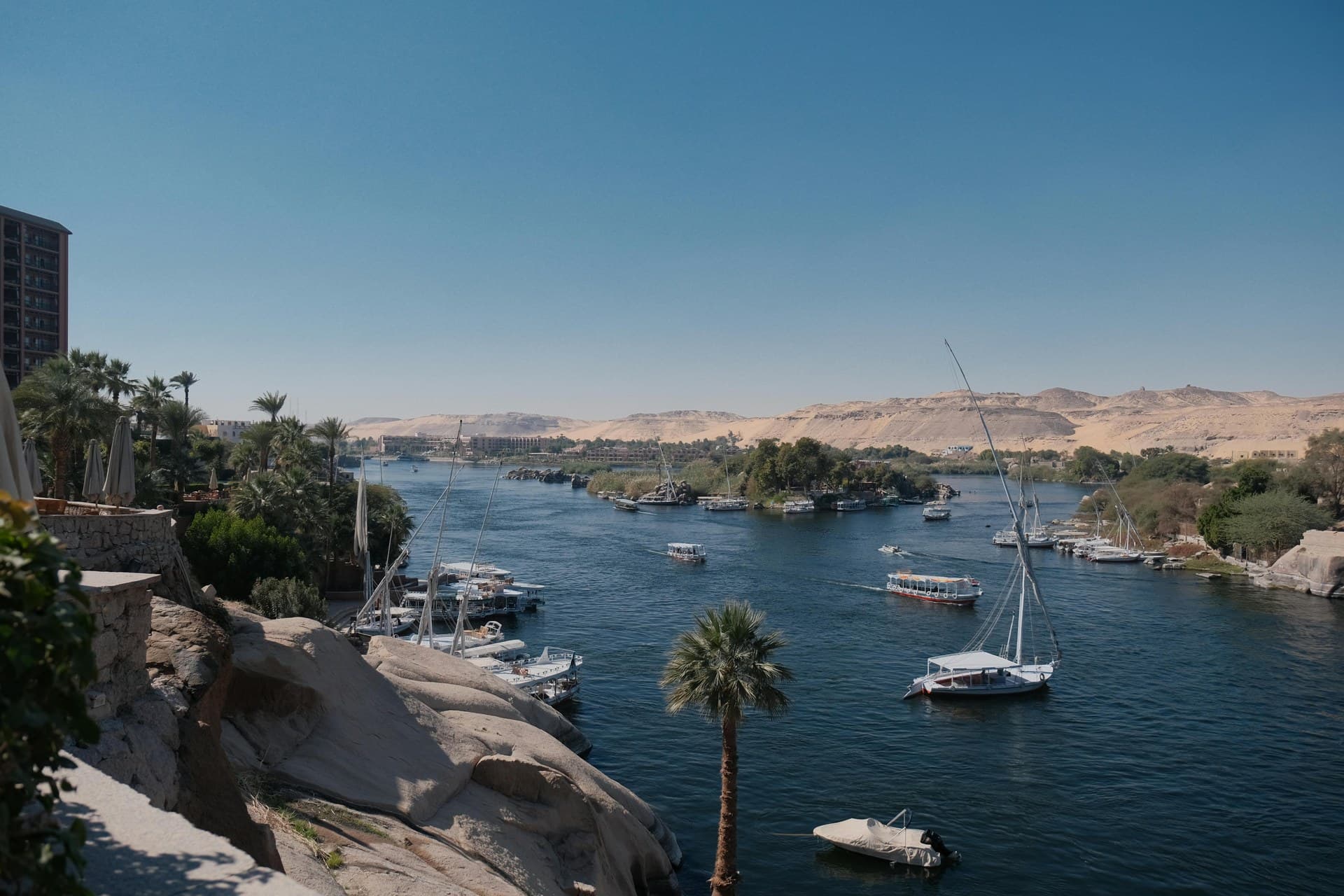
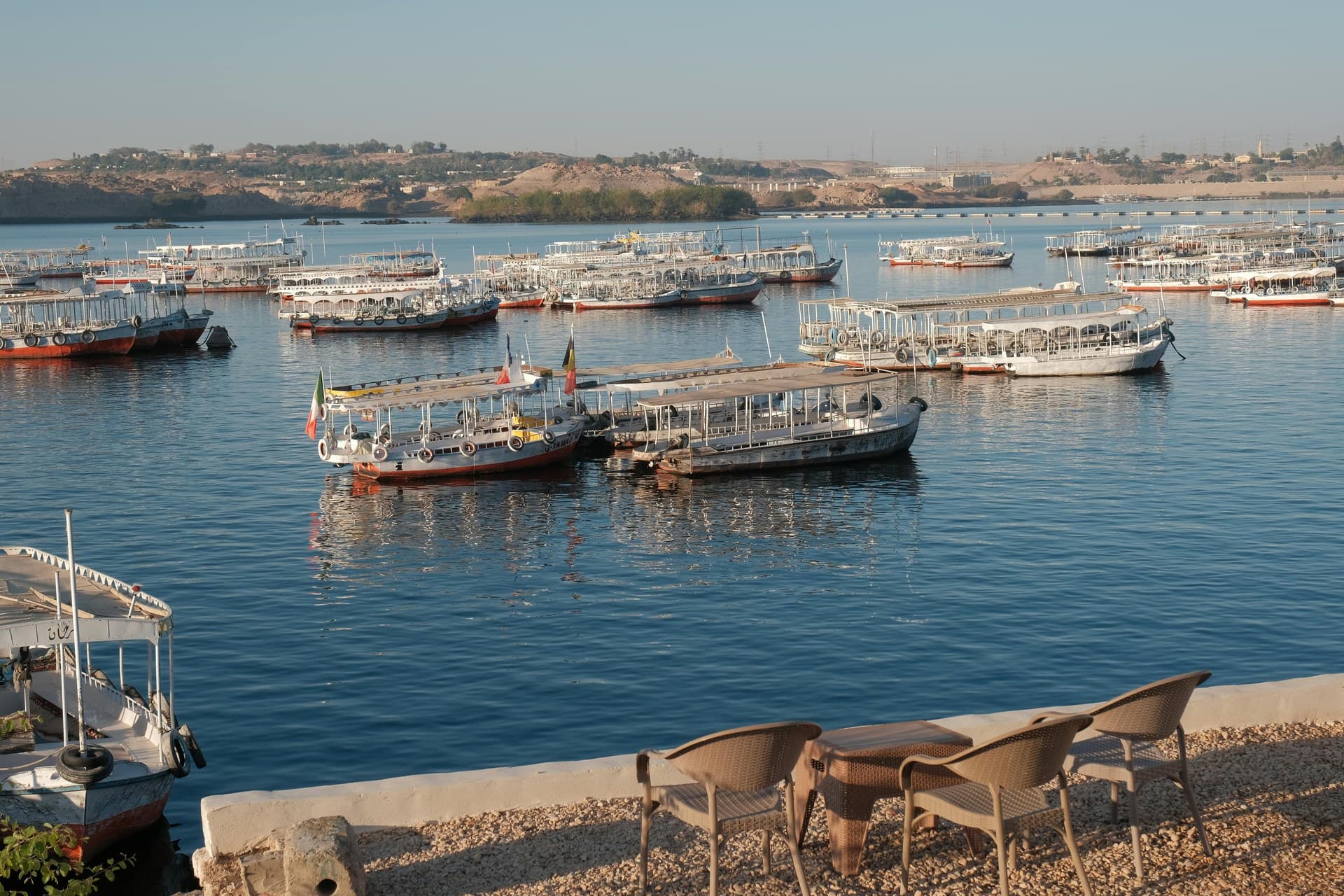
The broad wall of the Aswan High Dam with Lake Nasser stretching away behind it
RecommendedLandmarkAswan & Nubia

Overview

The High Dam is a short drive south of Aswan. As a sight it is a very large embankment with a monument on it and a great deal of water behind. Twenty minutes covers it.

As a subject it is one of the most consequential structures built anywhere in the twentieth century, and understanding it changes how you read everything else on the river.

Why visit The Aswan High Dam

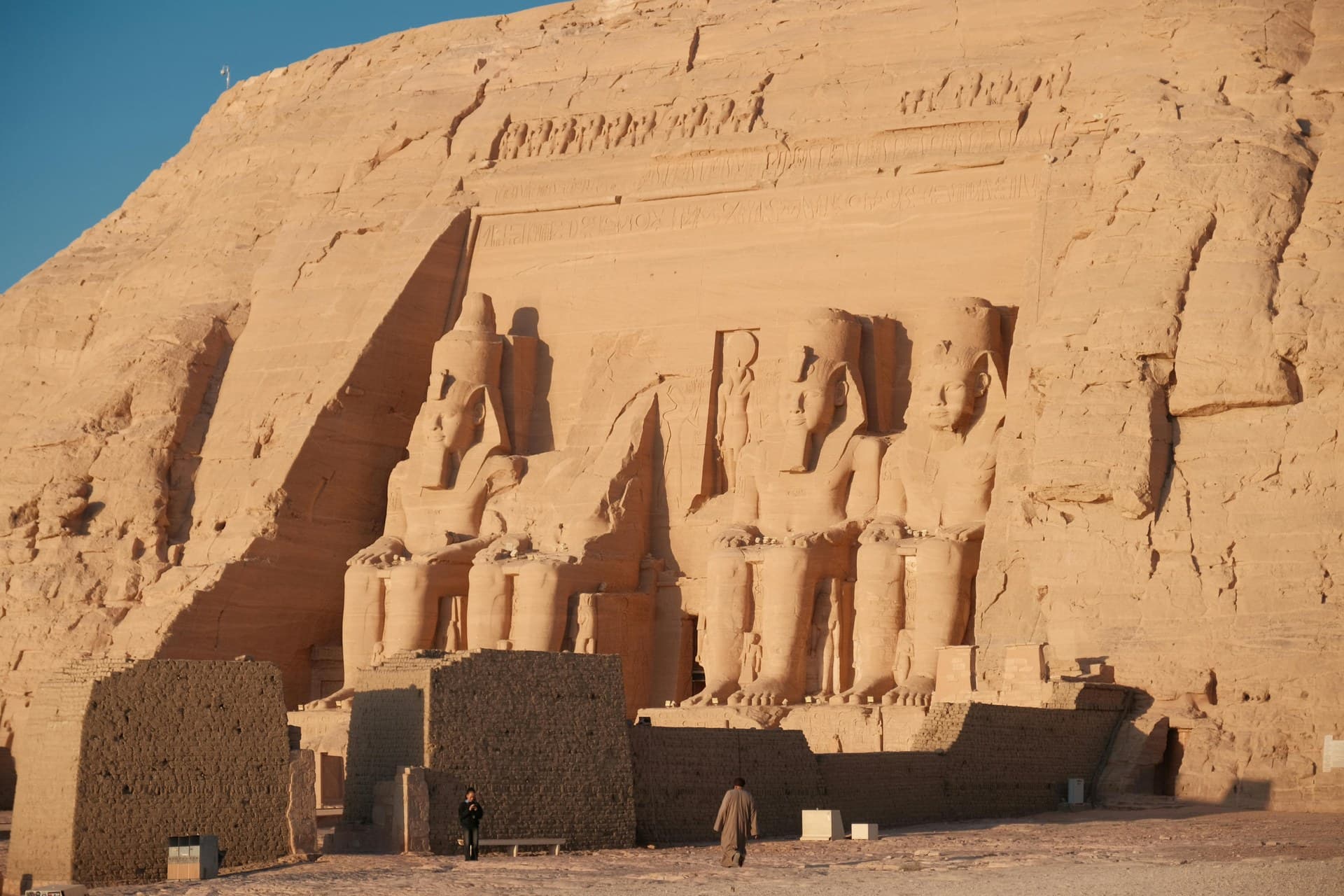
Every Egyptian site upstream and downstream of here was shaped by the flood, and the flood stopped in 1970. The temples you visit at Philae and Abu Simbel were moved because of this dam. The fields you see from a cruise boat are farmed three times a year instead of once because of this dam. It is the hinge between ancient Egypt and modern Egypt.

The view is genuinely impressive in its own way: Lake Nasser on one side, the old river far below on the other, and a sense of scale you do not get from statistics.

It is also on the road to Philae and the Unfinished Obelisk, so the stop costs almost nothing in time.

History of The Aswan High Dam

An earlier, much smaller dam had stood at Aswan since the turn of the twentieth century. The High Dam, built between 1960 and 1970 with Soviet engineering and finance, was on a different scale entirely.

The financing became a Cold War hinge. When the United States and the World Bank withdrew their funding offer in 1956, President Nasser nationalised the Suez Canal to pay for the dam — triggering the Suez Crisis — and the Soviet Union ultimately financed and engineered the project. The lotus-shaped Friendship Monument at the western end commemorates that partnership.

The numbers are worth having. The dam stands about 111 metres high and runs nearly four kilometres across the valley, and Lake Nasser behind it stretches roughly 500 kilometres southward into Sudan, where its far end is called Lake Nubia. It remains one of the largest reservoirs on earth.

It gave Egypt year-round irrigation, flood control and a large share of its electricity. It also stopped the annual deposit of silt that had fertilised the flood plain for millennia, so Egyptian farming now depends on manufactured fertiliser; it altered the Mediterranean coastline at the delta; and it displaced tens of thousands of Nubian people whose villages are now under Lake Nasser.

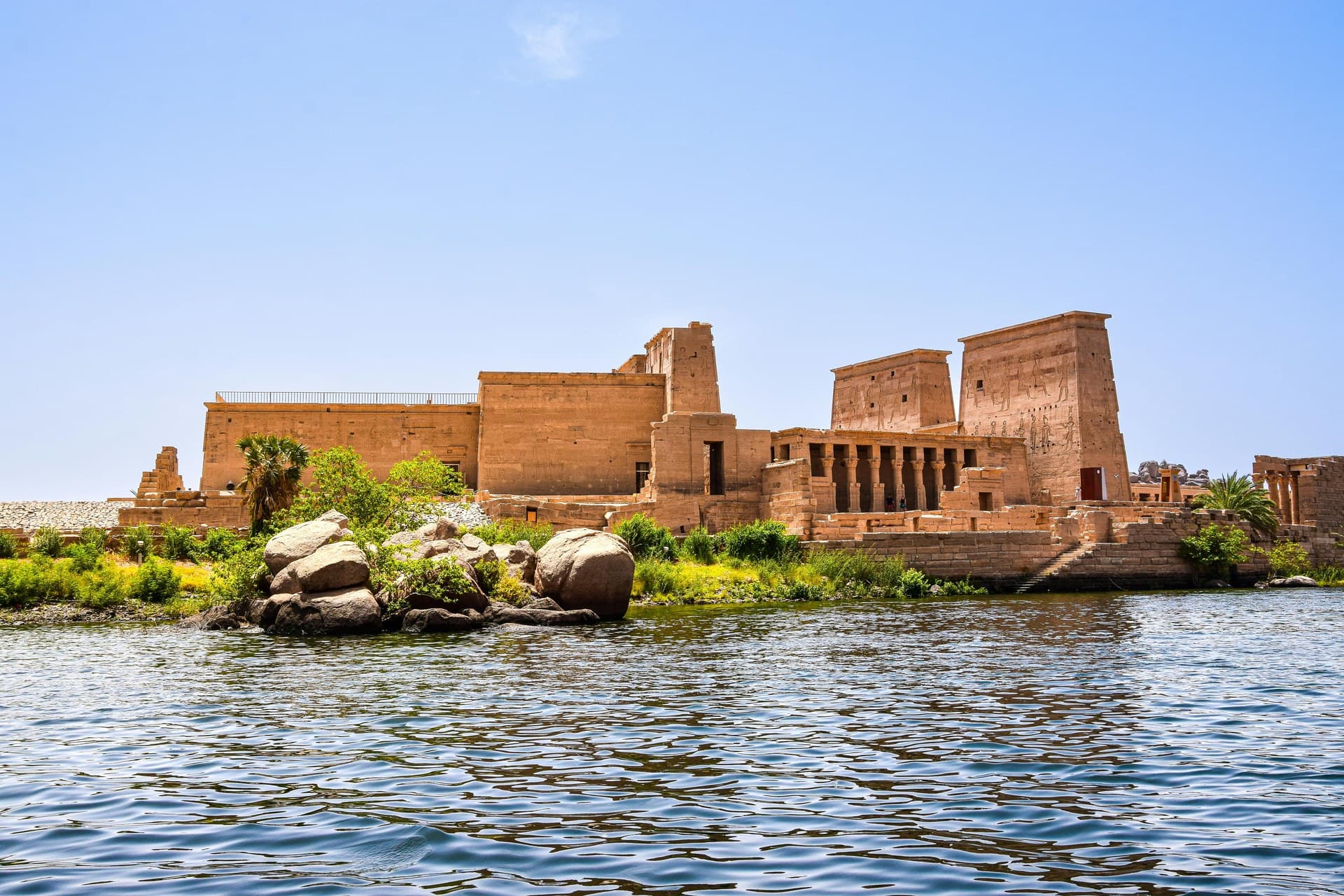
The rescue of the Nubian monuments — Abu Simbel, Philae and a dozen others — was the international response to the flooding, and it effectively created the modern practice of World Heritage.
What to see at The Aswan High Dam

  • The view over Lake Nasser from the top of the dam
  • The Egyptian–Soviet Friendship Monument, a lotus-shaped tower at the western end
  • The scale contrast between the reservoir and the river below
  • Kalabsha Temple on the lake shore nearby, itself relocated from a drowned site
  • The visitor pavilion with the model of the dam and the relocation project

Best time to visit The Aswan High Dam

Morning, combined with the other Aswan sites

Opening Hours and Tickets

Opening hours: Daytime access to the visitor area.

A small admission ticket for the visitor area, usually included in an Aswan tour.

Opening hours and ticket prices may change. Please confirm the latest details before visiting.

How to get to The Aswan High Dam

About 13 km south of Aswan. Visited by car as part of an Aswan half-day circuit.

Nearby Attractions

Tours that include The Aswan High Dam

Luxury Cairo, Luxor and Aswan Package

Luxury Cairo, Luxor and Aswan Package

An upscale private journey that combines Cairo highlights, a polished Luxor stay, and a refined Aswan finish.

09 Days Egypt and Nubia Tour

09 Days Egypt and Nubia Tour

Experience an extraordinary 9-day expedition through the heart of Egypt and Nubia, where ancient history and vibrant culture intertwine. Begin in Cairo, home to the timeless pyramids and the Grand Egyptian Museum, then journey south to Luxor and Aswan to uncover the temples, tombs, and treasures of the pharaohs. Sail along the Nile aboard a deluxe cruise, visit the awe-inspiring Abu Simbel temples, and immerse yourself in the warmth and traditions of the Nubian people. This journey offers a perfect blend of discovery, relaxation, and cultural connection.

4 Night Luxor to Aswan Nile Cruise

4 Night Luxor to Aswan Nile Cruise

A classic Nile cruise itinerary with temple visits, river views, and a comfortable four-night rhythm.

4-Day Nile Cruise from Aswan to Luxor

4-Day Nile Cruise from Aswan to Luxor

Set sail on a captivating 4-day Nile cruise from Aswan to Luxor, where the ancient world unfolds before your eyes. Journey along the legendary Nile River and uncover Egypt’s most iconic temples and monuments. Begin in Aswan with visits to the High Dam and the enchanting Philae Temple, then continue to Kom Ombo and Edfu to explore magnificent sanctuaries dedicated to ancient gods. As you sail northward, reach Luxor—the open-air museum of Egypt—home to the grand Karnak and Luxor Temples and the royal tombs of the Valley of the Kings. With expert-guided tours, comfortable accommodations, and full

4 Day 3 Night Nile Cruise from Aswan to Luxor

4 Day 3 Night Nile Cruise from Aswan to Luxor

Set sail on a remarkable 4-day, 3-night Nile cruise from Aswan to Luxor, where the grandeur of ancient Egypt unfolds before your eyes. Journey along the legendary Nile River aboard a comfortable cruise ship, visiting some of the most iconic archaeological sites in the world. Discover the enchanting Temple of Philae in Aswan, the twin sanctuaries of Kom Ombo, and the magnificent Temple of Horus in Edfu. Continue to Luxor to explore the Valley of the Kings, the Temple of Hatshepsut, and the colossal statues of Memnon on the West Bank, before concluding your adventure at the awe-inspiring Karnak

Luxor Day Trip from Aswan

Luxor Day Trip from Aswan

Set out on a remarkable full-day adventure from Aswan to Luxor, the world’s largest open-air museum. This private excursion immerses you in the splendor of ancient Egypt, where monumental temples and royal tombs reveal the legacy of the pharaohs. Designed for travelers eager to witness Luxor’s most iconic landmarks in a single day, this tour blends history, culture, and comfort for an unforgettable experience.

Travel Tips Before Visiting

It is a short stop, not a destination. Twenty minutes. Anyone selling you a longer visit is padding an itinerary. Photography is restricted in places — it is strategic infrastructure with a military presence. Follow the signs and do not photograph checkpoints or personnel. Bring the story with you. The dam is a viewpoint; what you get from it is what you brought to it. Ten minutes reading about the temple rescue or the Nubian relocations the night before repays itself on the spot. Add Kalabsha if the engineering interests you. The temple sits on the lake just west of the dam, moved stone by stone like Philae, reached by a short boat crossing, and it is almost always empty.

It is genuinely windy on top, and there is no shade.