Attraction

The Temple of Kom Ombo

A temple built twice over, perfectly symmetrical, shared between a crocodile god and a falcon god — with a hall of mummified crocodiles next door.

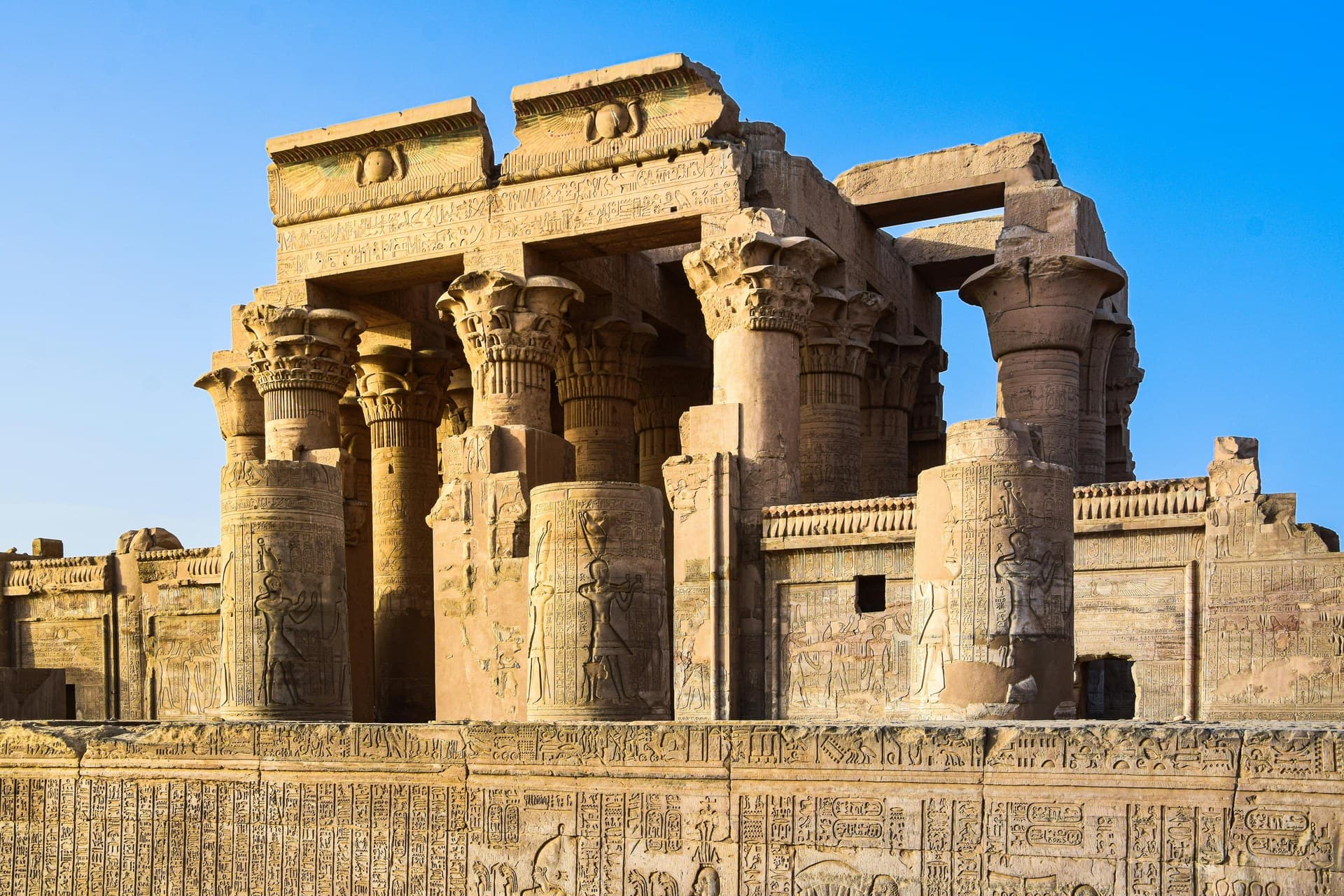
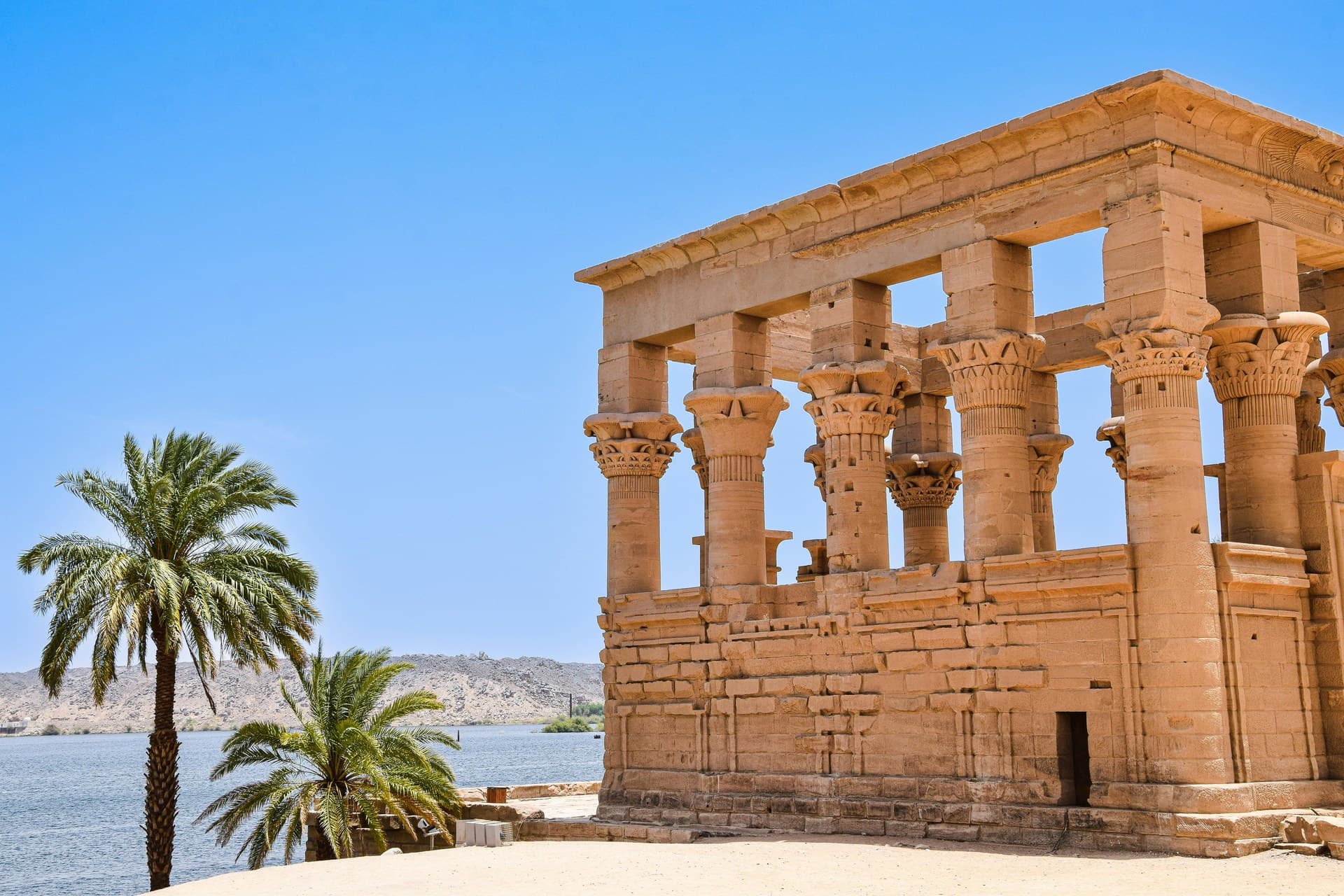
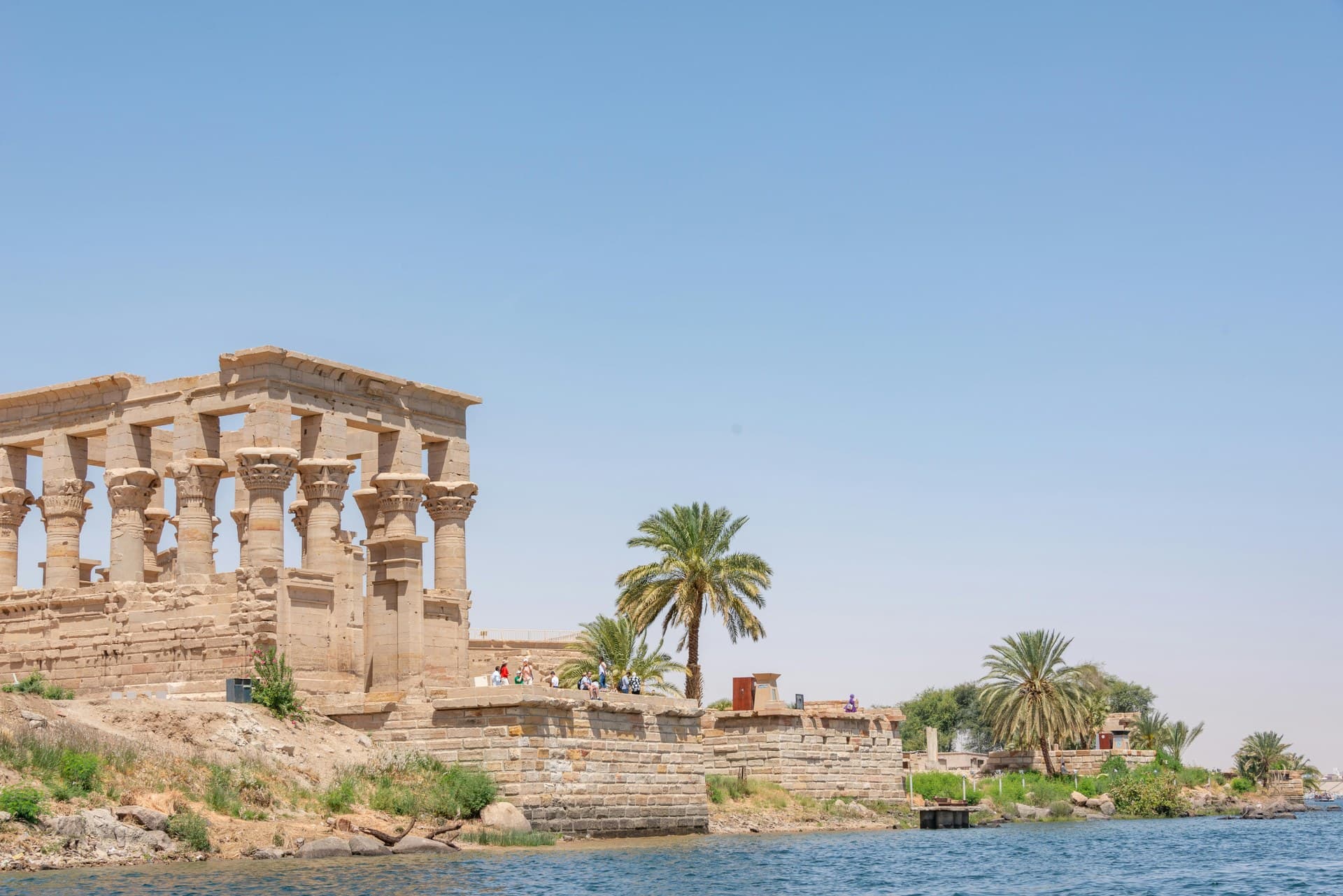
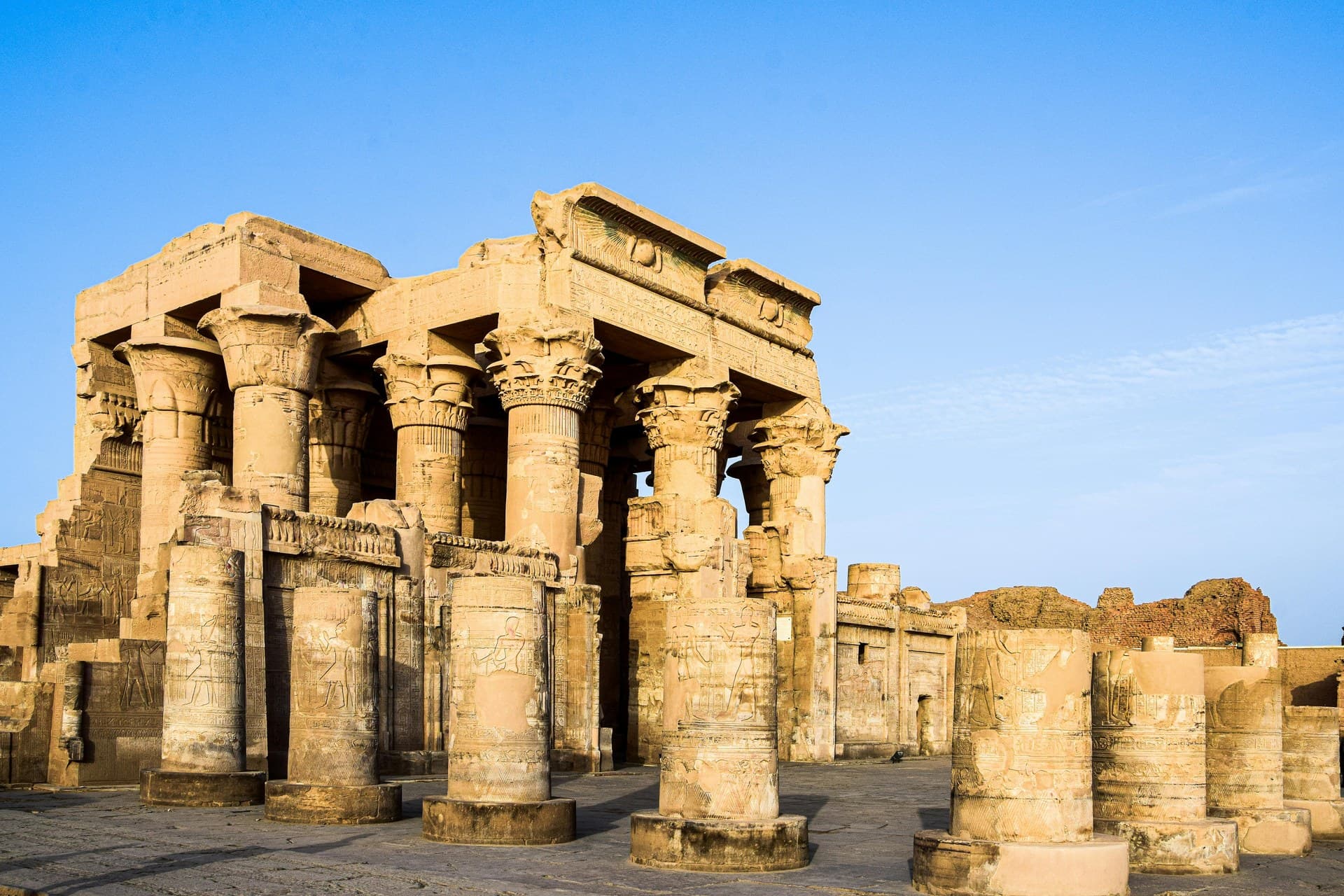
The riverside columns of the double temple at Kom Ombo lit at dusk above the Nile
RecommendedTempleNile Valley Temples

Overview

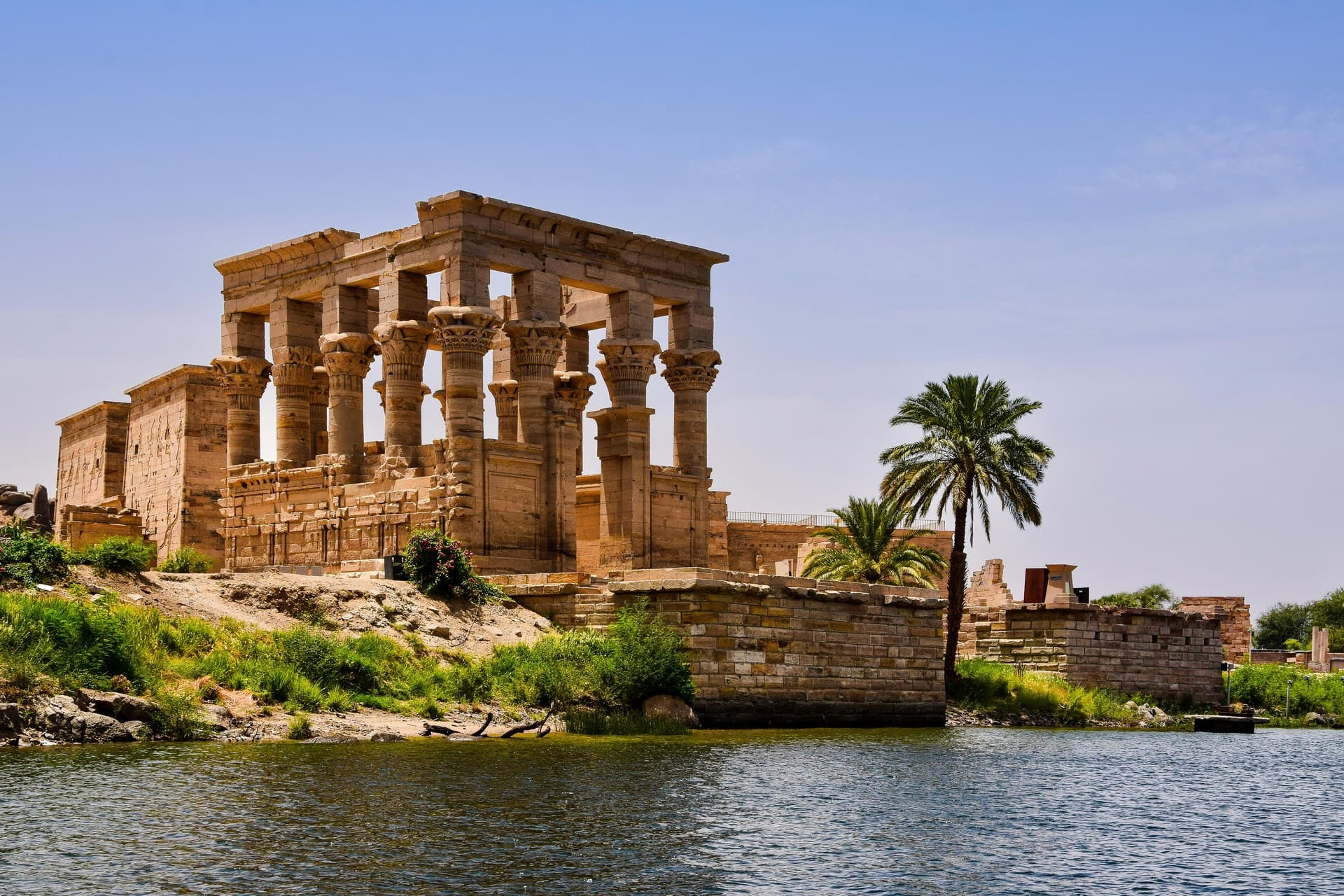
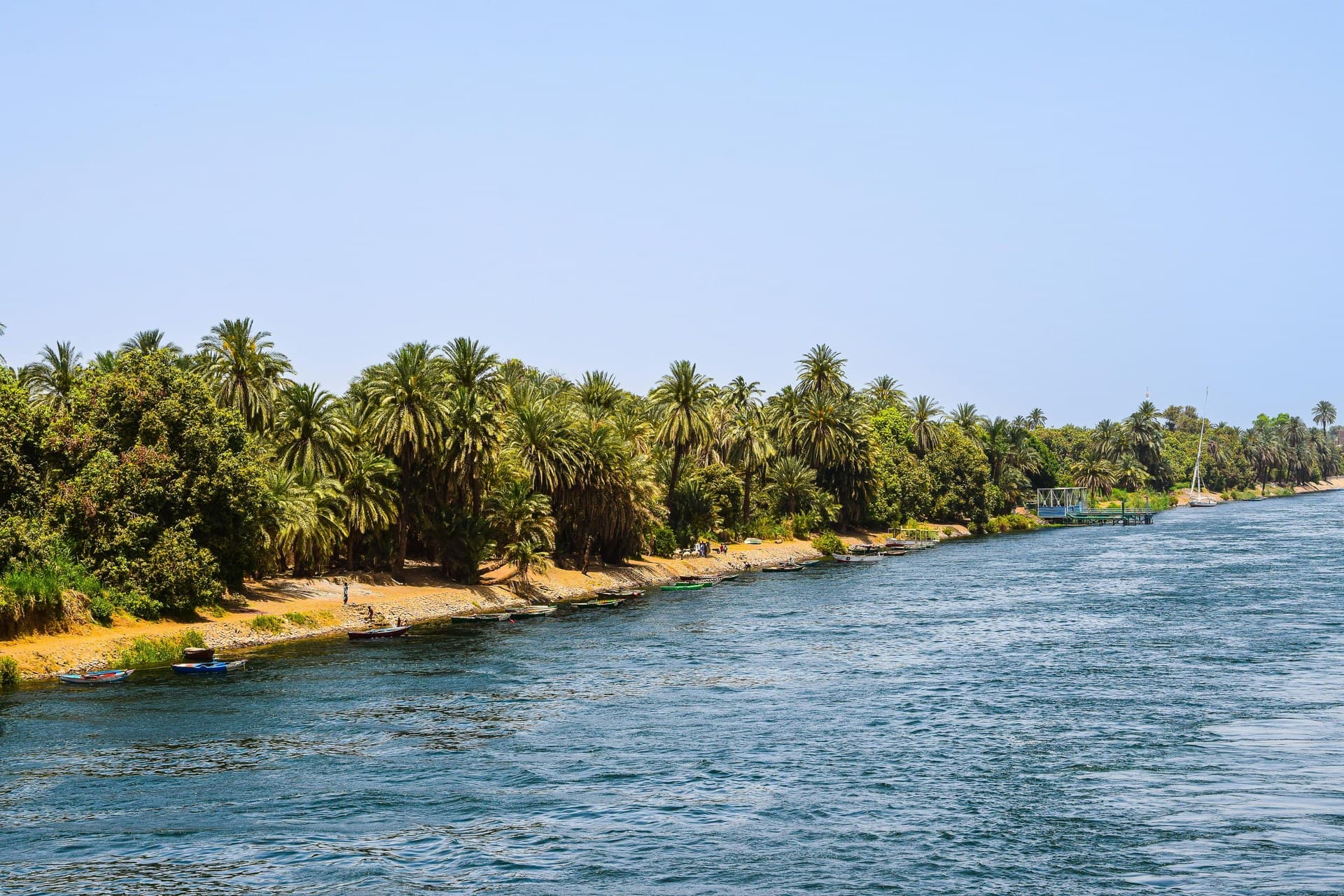
Kom Ombo stands directly on a bend of the Nile between Edfu and Aswan, on a low hill above the water. Cruise boats moor at its foot and you walk up.

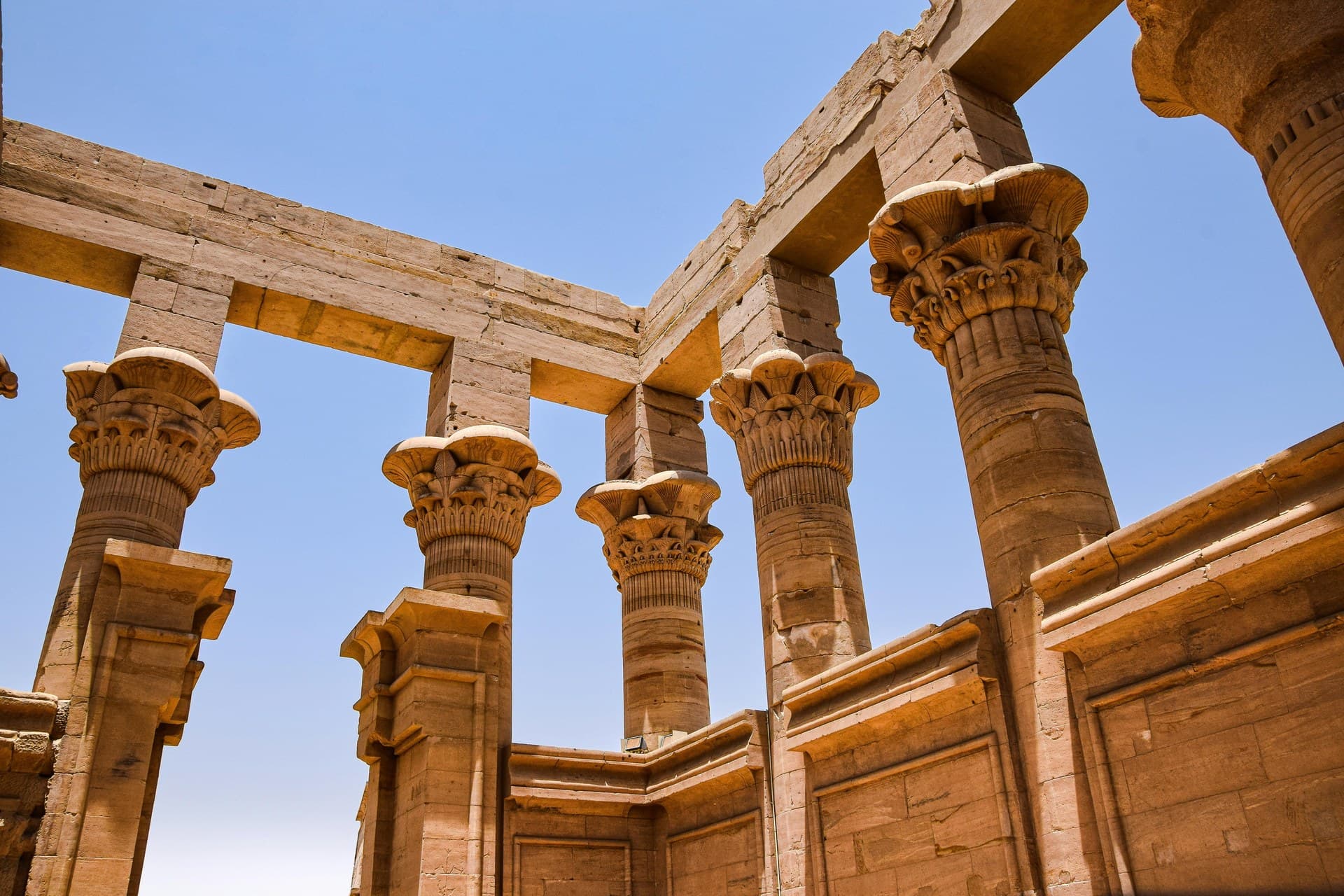
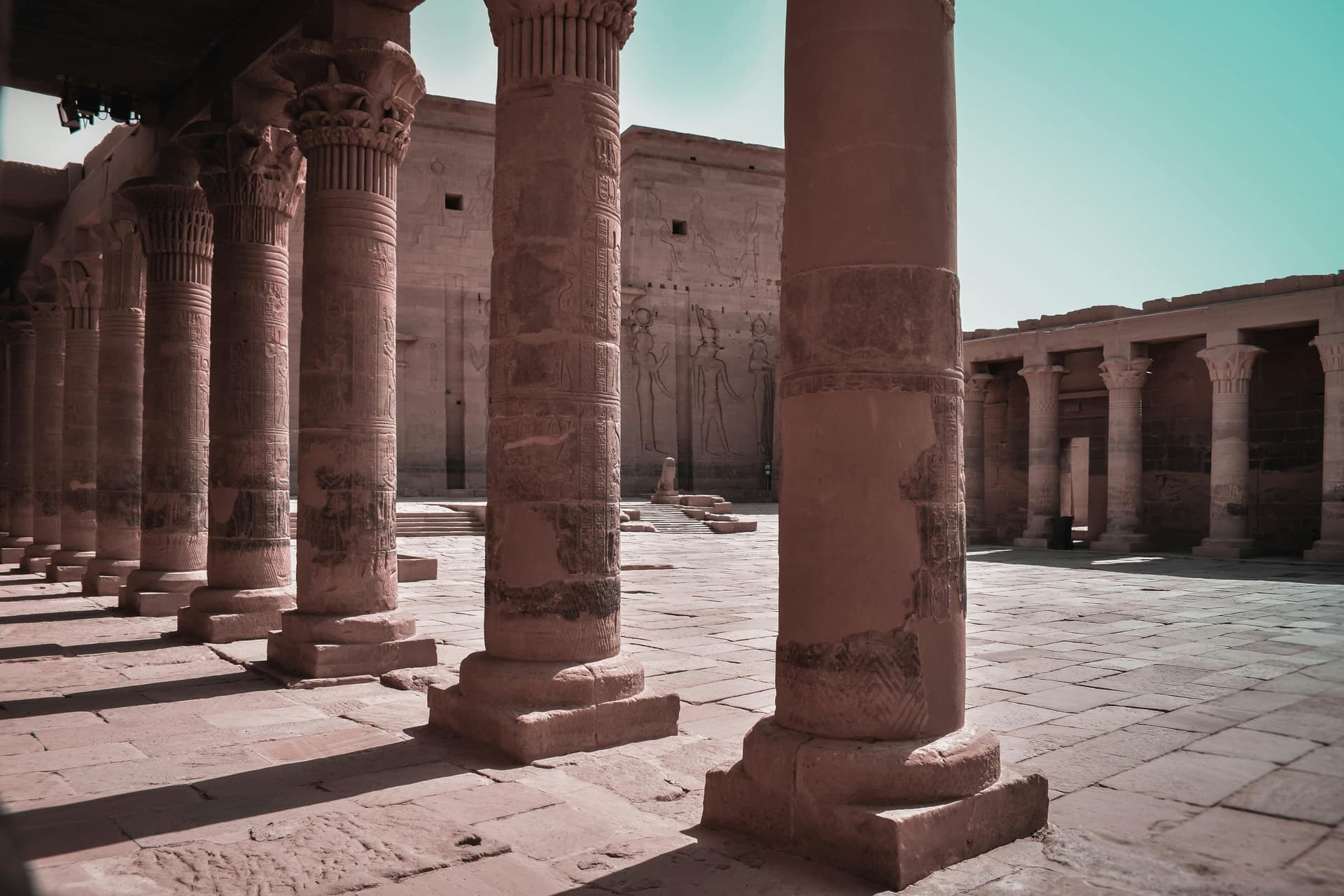
It is unique in Egypt: a completely double temple, mirrored along its central axis, with two entrances, two hypostyle halls and two sanctuaries.

Why visit The Temple of Kom Ombo

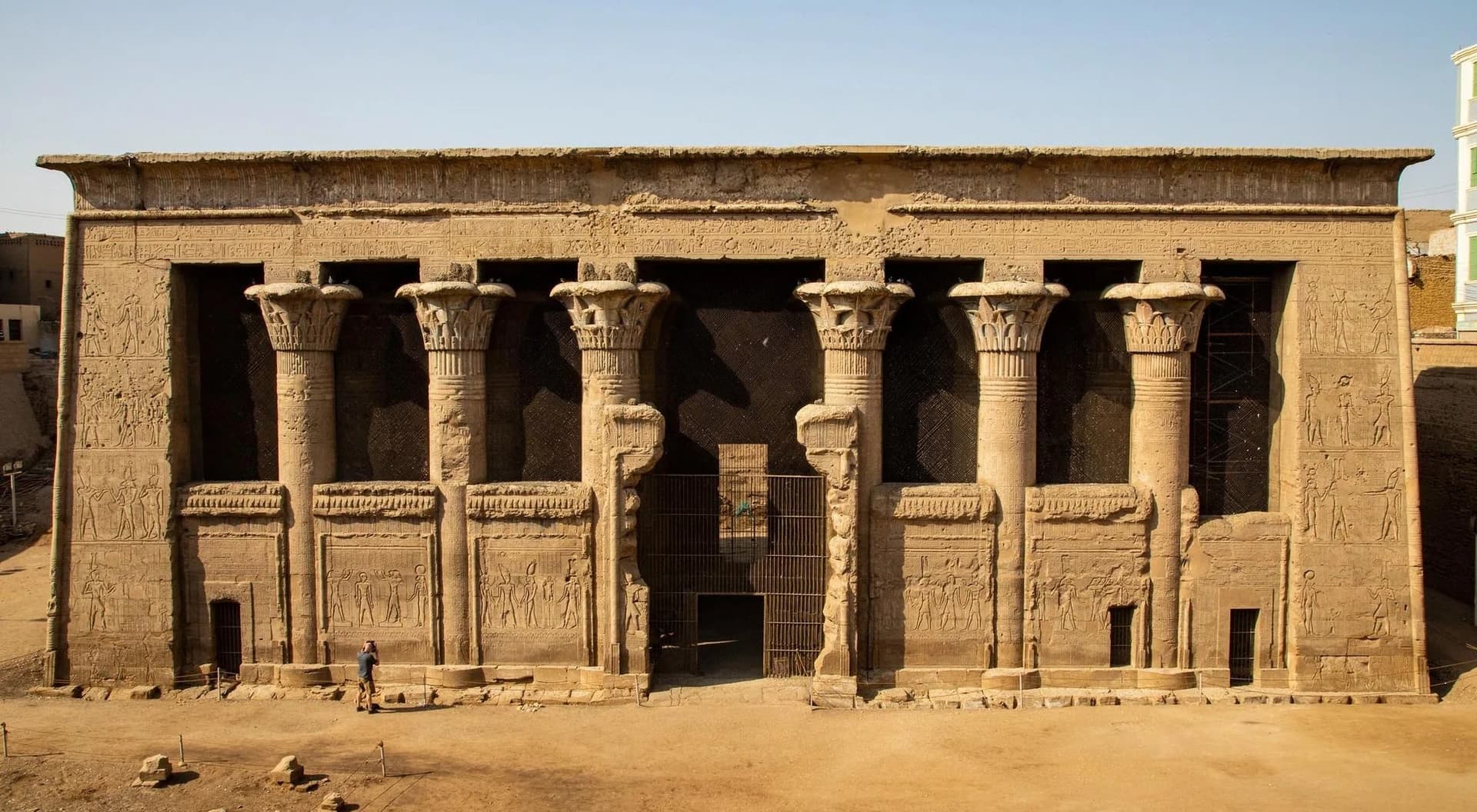
The symmetry is the attraction. The southern half belongs to Sobek, the crocodile god, and the northern half to Haroeris — Horus the Elder. Everything is duplicated. Two gods with separate priesthoods and separate rituals, served in one building, with a shared wall down the middle.

It has the best position of any temple on the river. It sits right at the water's edge, and at sunset, lit, seen from a boat deck, it is the image people remember from a Nile cruise.

The famous relief on the outer wall shows a set of objects usually interpreted as surgical instruments — scalpels, forceps, scales, suction cups. Egyptologists disagree about how literally to read it, but it is a striking wall either way.

And there is the crocodile museum beside the temple, which holds mummified crocodiles recovered from the area. Sobek was worshipped here because this stretch of river was full of them.
History of The Temple of Kom Ombo

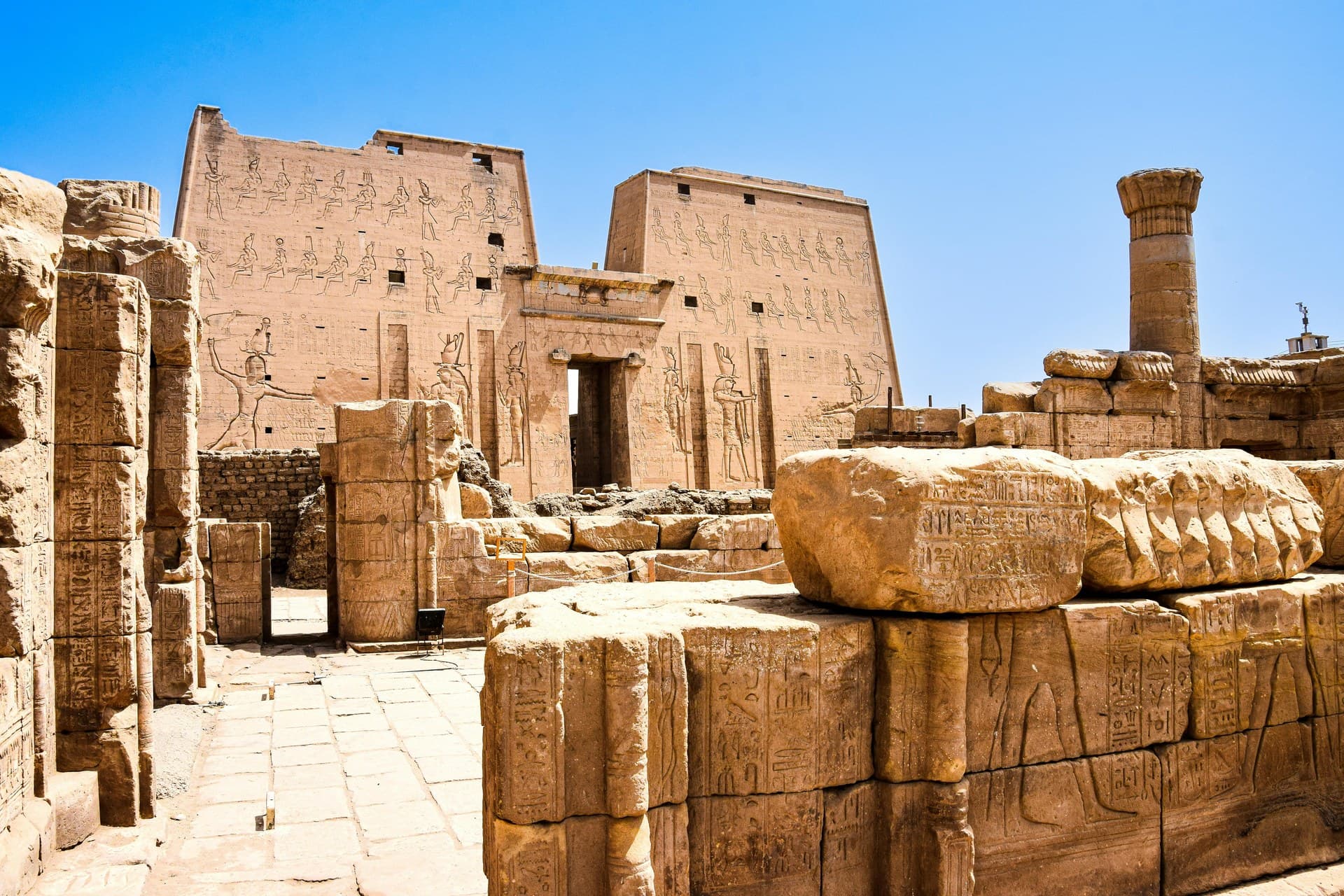
Like Edfu, Kom Ombo is Ptolemaic, built mostly in the second and first centuries BC on the site of earlier structures, and added to under the Romans.

The double dedication reflects a genuinely divided local religious geography rather than an architectural whim: Sobek the crocodile god and Haroeris, Horus the Elder, were both long established here, and the building gives them equal standing — twin entrances, twin colonnades, twin sanctuaries, one perfectly mirrored plan.

Crocodiles were the reason for the Sobek cult and the reason the site is where it is. This stretch of river was known for them, and the animals were kept, fed and mummified as part of the temple's business. Several hundred mummified crocodiles were found in the area.

The site was damaged over time by the river itself — the Nile eroded part of the front of the temple away — and by earthquake and by stone robbing. What stands is roughly the back two-thirds of the original building.

What to see at The Temple of Kom Ombo

  • The mirrored double plan, with two sanctuaries side by side
  • The relief usually read as a set of surgical and medical instruments
  • The calendar wall, listing the festivals of the temple year
  • The Nilometer within the enclosure, a deep circular well used to gauge the flood
  • The Crocodile Museum and its rows of mummified crocodiles
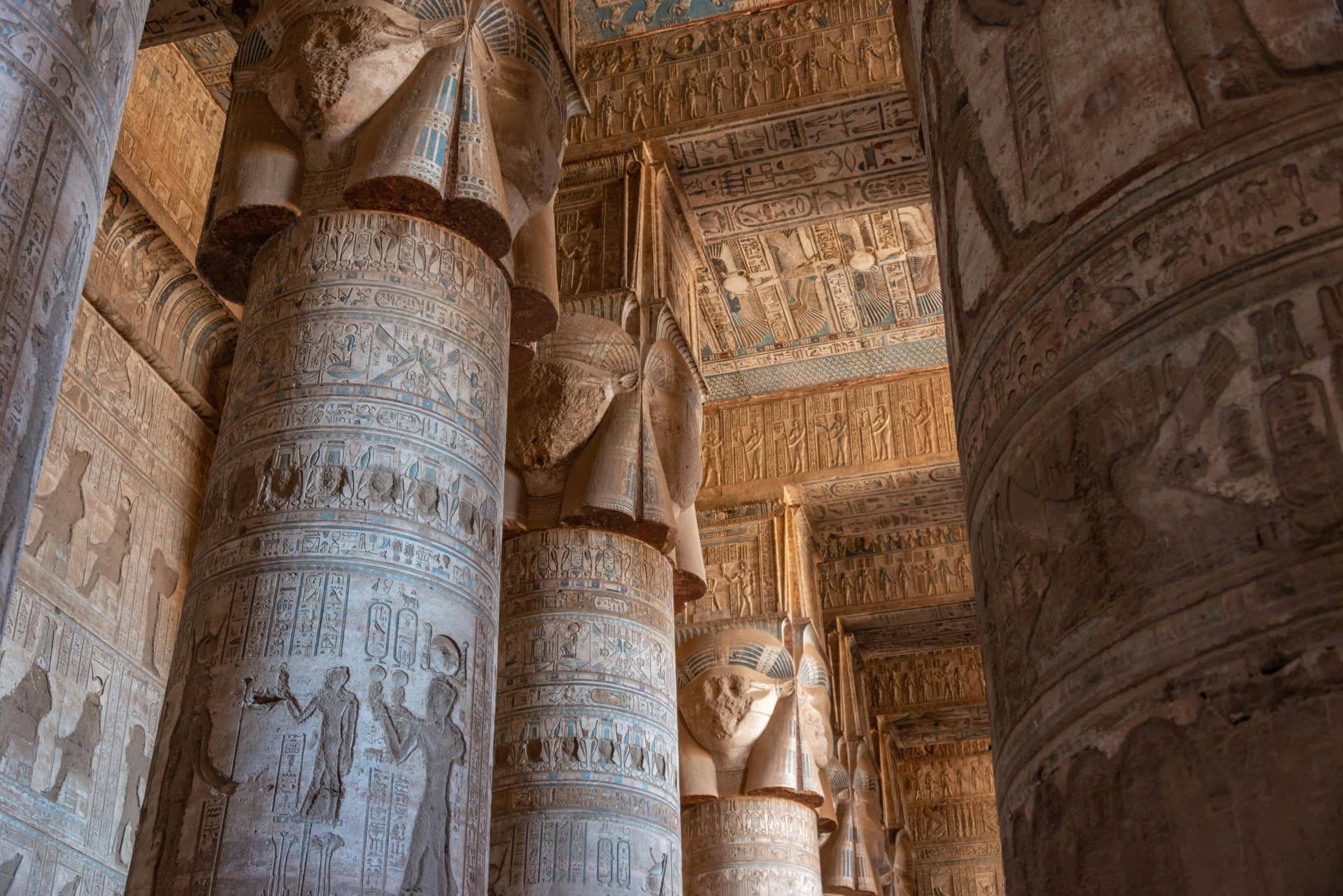
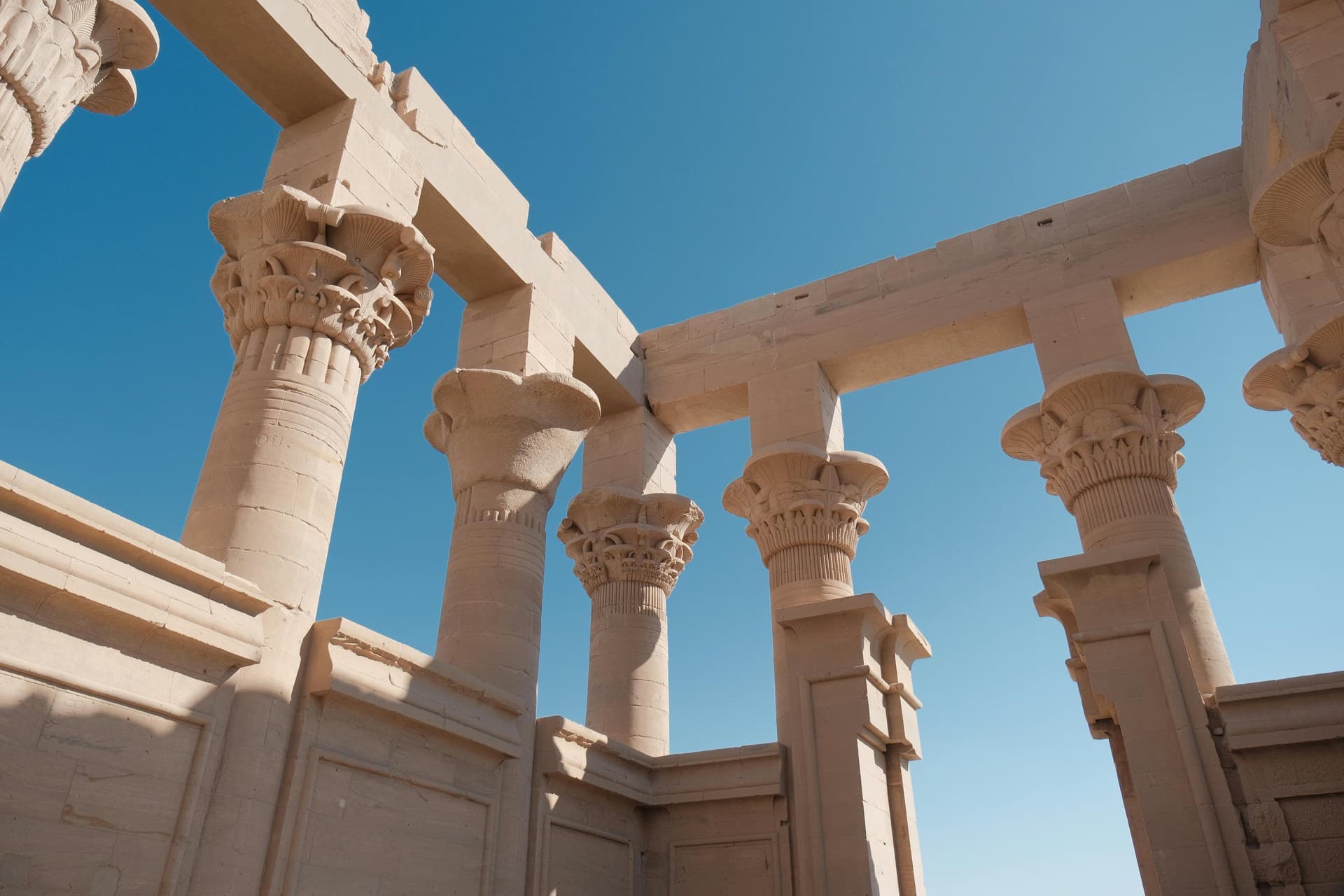
  • The Roman-period colour surviving on the ceiling of the outer hypostyle hall
  • The temple's position directly above the river, best seen from the water at dusk
  • The remains of the birth house at the front, half-taken by the Nile

Best time to visit The Temple of Kom Ombo

Late afternoon or sunset

Opening Hours and Tickets

Opening hours: Daytime and into the early evening for the cruise traffic.

A single admission ticket covering the temple and the crocodile museum, usually included in a cruise programme.

Opening hours and ticket prices may change. Please confirm the latest details before visiting.

How to get to The Temple of Kom Ombo

On the east bank of the Nile between Edfu and Aswan, about 45 km north of Aswan. Almost all visitors arrive by cruise boat and walk up from the mooring; it is also an easy road trip from Aswan.

Nearby Attractions

Tours that include The Temple of Kom Ombo

10 Days Egypt and Jordan Tours with Nile Cruise

10 Days Egypt and Jordan Tours with Nile Cruise

Experience the essence of two ancient civilizations on this 10-day Egypt and Jordan tour with a Nile Cruise. Journey through Egypt’s timeless wonders—from the Great Pyramids and the Sphinx to the temples of Luxor and Aswan—while enjoying the serene beauty of the Nile aboard a luxury cruise. Then, cross into Jordan to uncover the rose-red city of Petra, the Roman ruins of Jerash, and the tranquil waters of the Dead Sea. This itinerary blends history, culture, and comfort for travelers seeking an extraordinary adventure across two legendary lands.

10-Day Egypt Luxury Journey with Dahabiya Nile Cruise

10-Day Egypt Luxury Journey with Dahabiya Nile Cruise

Embark on an extraordinary 10-day luxury expedition through Egypt, blending the cultural treasures of Cairo and Luxor with the serene charm of a 4-night Dahabiya Nile Cruise. Begin in Cairo, where the Giza Pyramids, the Grand Egyptian Museum, and the city’s vibrant atmosphere reveal the essence of ancient and modern Egypt. Continue to Luxor to uncover the grandeur of temples and royal tombs guided by expert Egyptologists. Then, board the elegant Dahabiya Akhnaton to sail the Nile in refined tranquility, visiting hidden gems such as El Kab, Gebel el-Silsila, and Kom Ombo. Conclude your journey

8 Days Egypt Highlights Tour with Nile Cruise

8 Days Egypt Highlights Tour with Nile Cruise

Discover the essence of Egypt on this 8-day adventure that blends the country’s most celebrated treasures with the comfort of a luxury Nile cruise. Begin in Cairo, where you’ll marvel at the Pyramids of Giza, explore the Grand Egyptian Museum, and savor authentic Egyptian cuisine. Then fly to Luxor to embark on a deluxe cruise along the Nile, gliding through the heart of ancient civilization. Visit the Valley of the Kings, the temples of Karnak, Edfu, Kom Ombo, and Philae, and journey south to the magnificent Abu Simbel Temples before returning to Cairo for a relaxing finale. With professional

3 Nights Nile Cruise Egypt

3 Nights Nile Cruise Egypt

Set sail on a captivating 3-night Nile cruise from Aswan to Luxor, tracing the path of Egypt’s ancient civilization along the world’s most legendary river. This journey reveals the timeless beauty of the Nile Valley, where temples, tombs, and monuments tell stories of gods and pharaohs. Visit the magnificent temples of Kom Ombo and Edfu, the grand Karnak Temple, and the royal tombs in the Valley of the Kings. With expert guides, comfortable accommodations, and full-board service, this cruise offers an unforgettable immersion into Egypt’s history and culture.

Egypt Nile Cruise Luxury

Egypt Nile Cruise Luxury

Embark on an extraordinary voyage of refinement and discovery with this Egypt Nile Cruise Luxury experience. Sail between Luxor and Aswan aboard a five-star floating hotel where elegance, comfort, and history blend seamlessly. Each day reveals new wonders—from the monumental temples of Karnak and Edfu to the tranquil beauty of the Nile Valley. Relax on the sun deck, savor gourmet meals, and enjoy private guided excursions that bring the ancient world to life. Whether you seek cultural immersion or indulgent relaxation, this journey promises sophistication, wonder, and authentic connection alon

8 Days Egypt Luxury Tour

8 Days Egypt Luxury Tour

Indulge in the finest blend of history, culture, and comfort with this 8-day luxury tour across Egypt. This exclusive travel experience is designed for discerning travelers who seek both authenticity and sophistication. Explore the legendary Pyramids of Giza and the Sphinx, uncover the treasures of the Egyptian Museum, and sail the Nile aboard a five-star cruise that glides between Luxor and Aswan. Discover the magnificent temples, royal tombs, and timeless landscapes that define Egypt’s heritage, all while enjoying seamless service, expert guidance, and handpicked luxury accommodations. Every

Travel Tips Before Visiting

Most boats stop here in the late afternoon or at sunset, which is the right time. If you have a choice, take it lit rather than at midday. The site is small. An hour covers it comfortably, including the museum. The best photograph is from the boat, not from inside the temple. Be on deck for the approach and the departure. Walk the two halves separately. The point of the building is the mirroring, and it only registers if you go up one side, come back, and then go up the other. Find the calendar and the instrument relief before you leave. Both are small, both are on the outer walls, and most visitors walk past them looking at the columns.