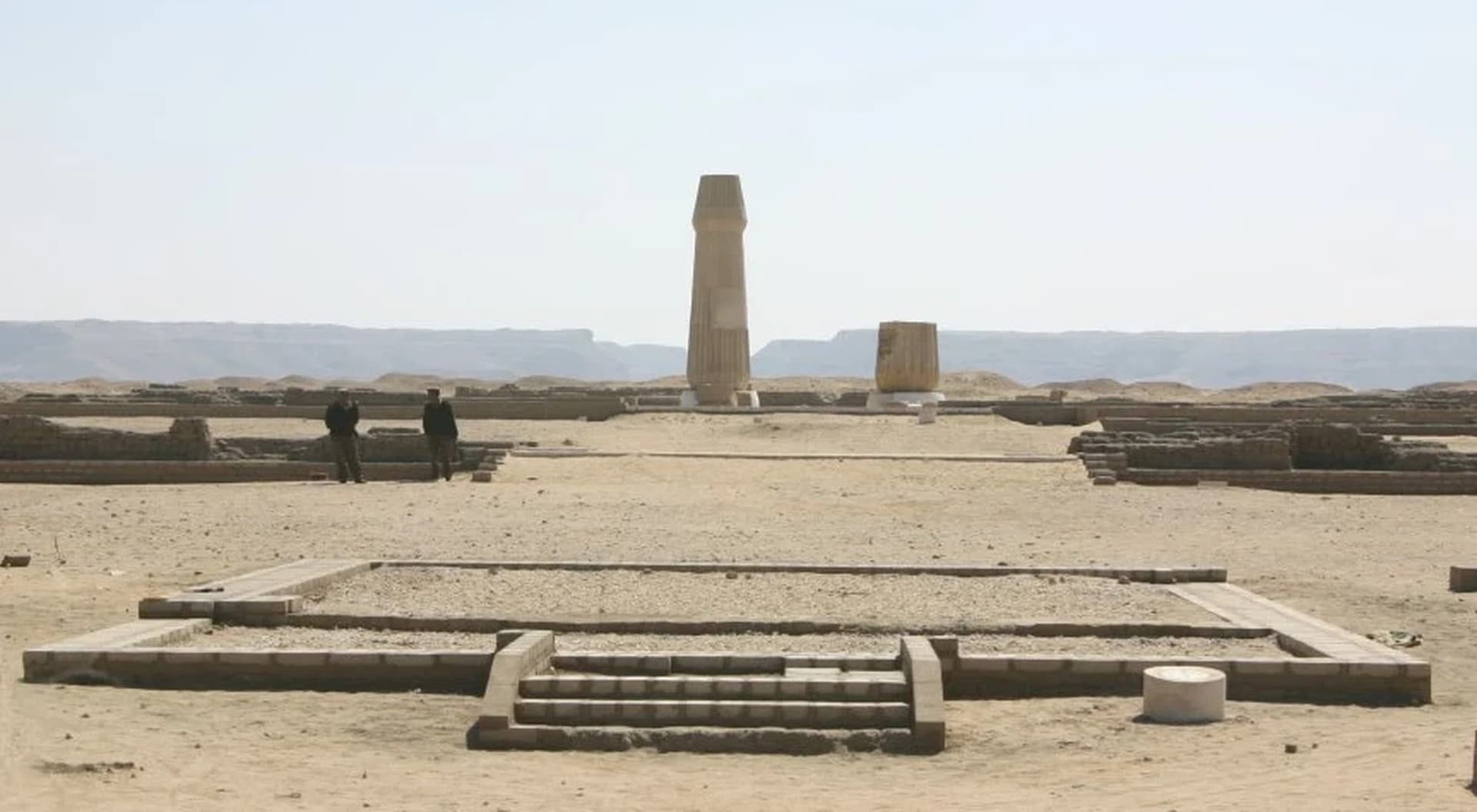
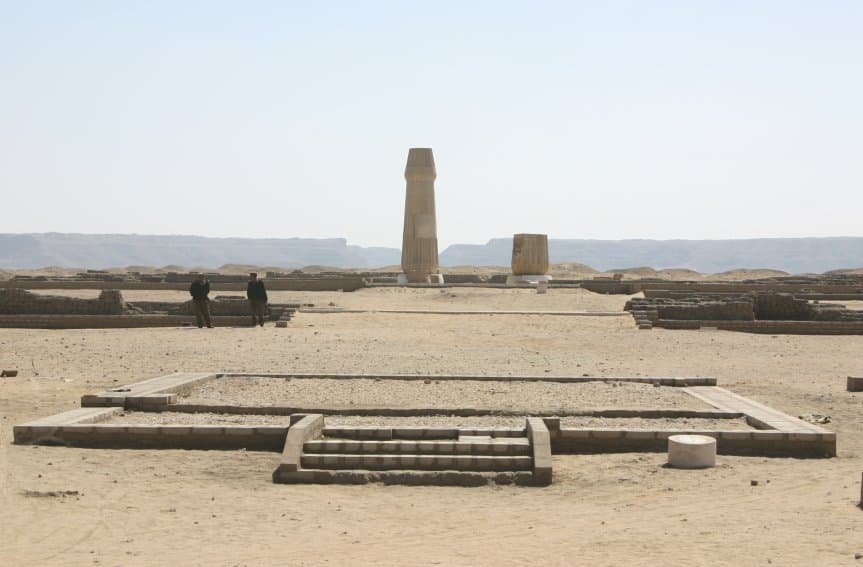
Because of what the absence gives you. Every other Egyptian city was lived in continuously and rebuilt for thousands of years. Amarna was founded on virgin ground, occupied for something like fifteen years, then abandoned and never properly reoccupied. What survives is a single moment: one city, one generation, laid out flat and readable. It is the closest thing Egyptian archaeology has to a fixed photograph.
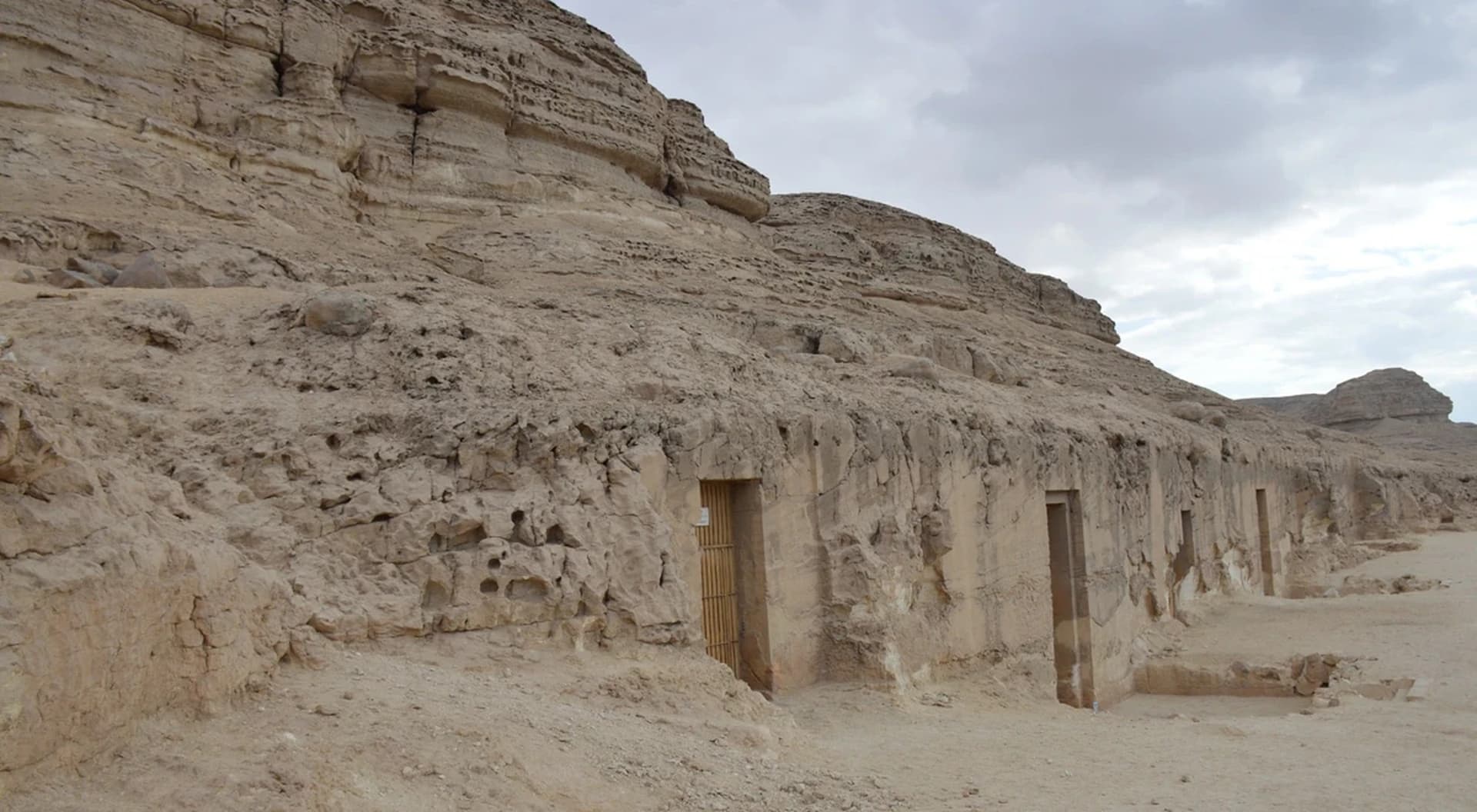
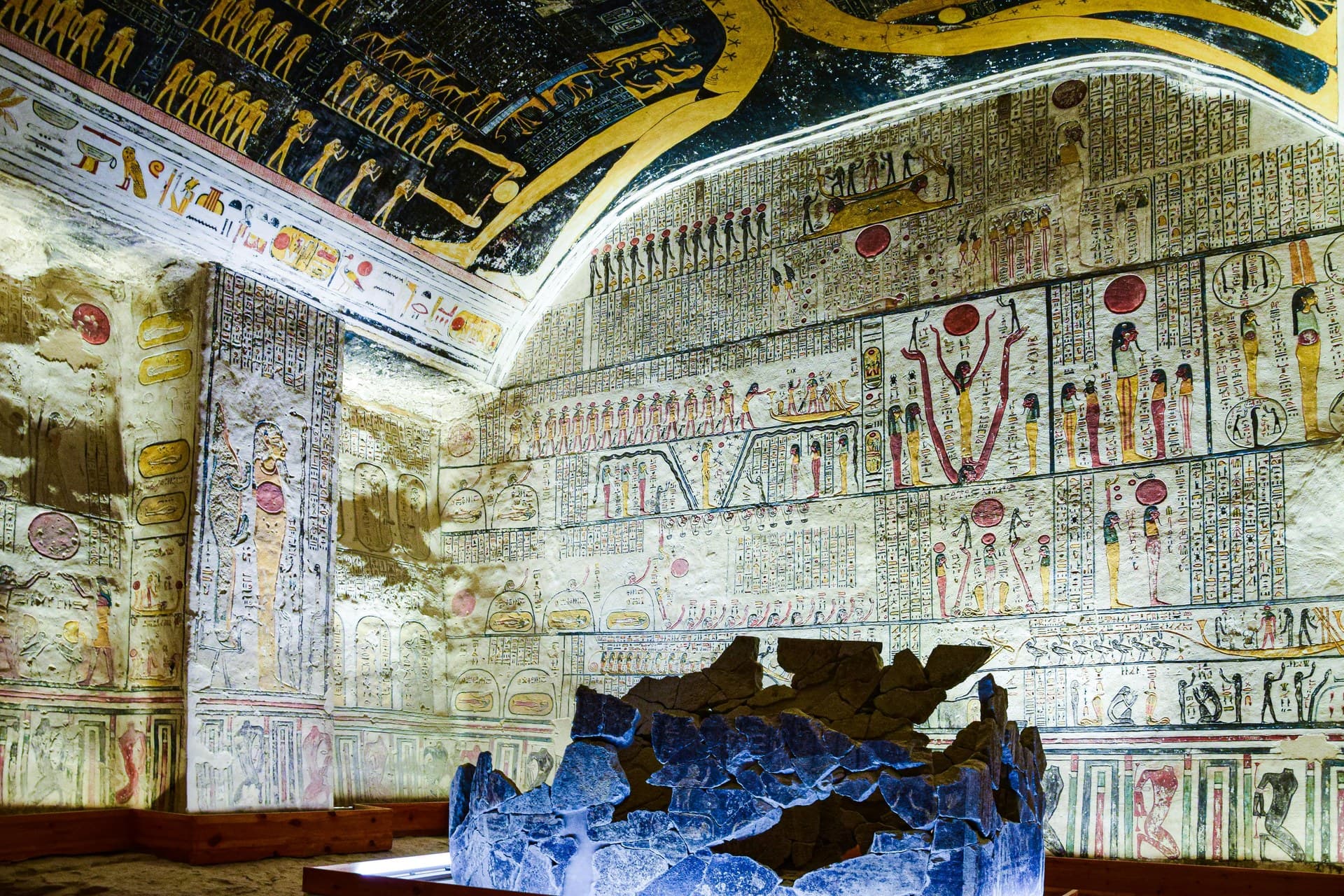
The tombs in the cliffs carry the art of the Amarna period, which broke every convention of Egyptian representation — long skulls, heavy hips, the royal family shown embracing, eating and grieving, and the Aten's rays ending in small hands over them. The tombs of Meryre and Ay have the best-preserved scenes.
And this is where the Amarna Letters were found: a cache of clay tablets in cuneiform, the diplomatic correspondence between the Egyptian court and the kings of Babylon, Assyria, Mitanni, Hatti and the city-states of the Levant. They are the single richest source for how the Late Bronze Age world actually talked to itself.