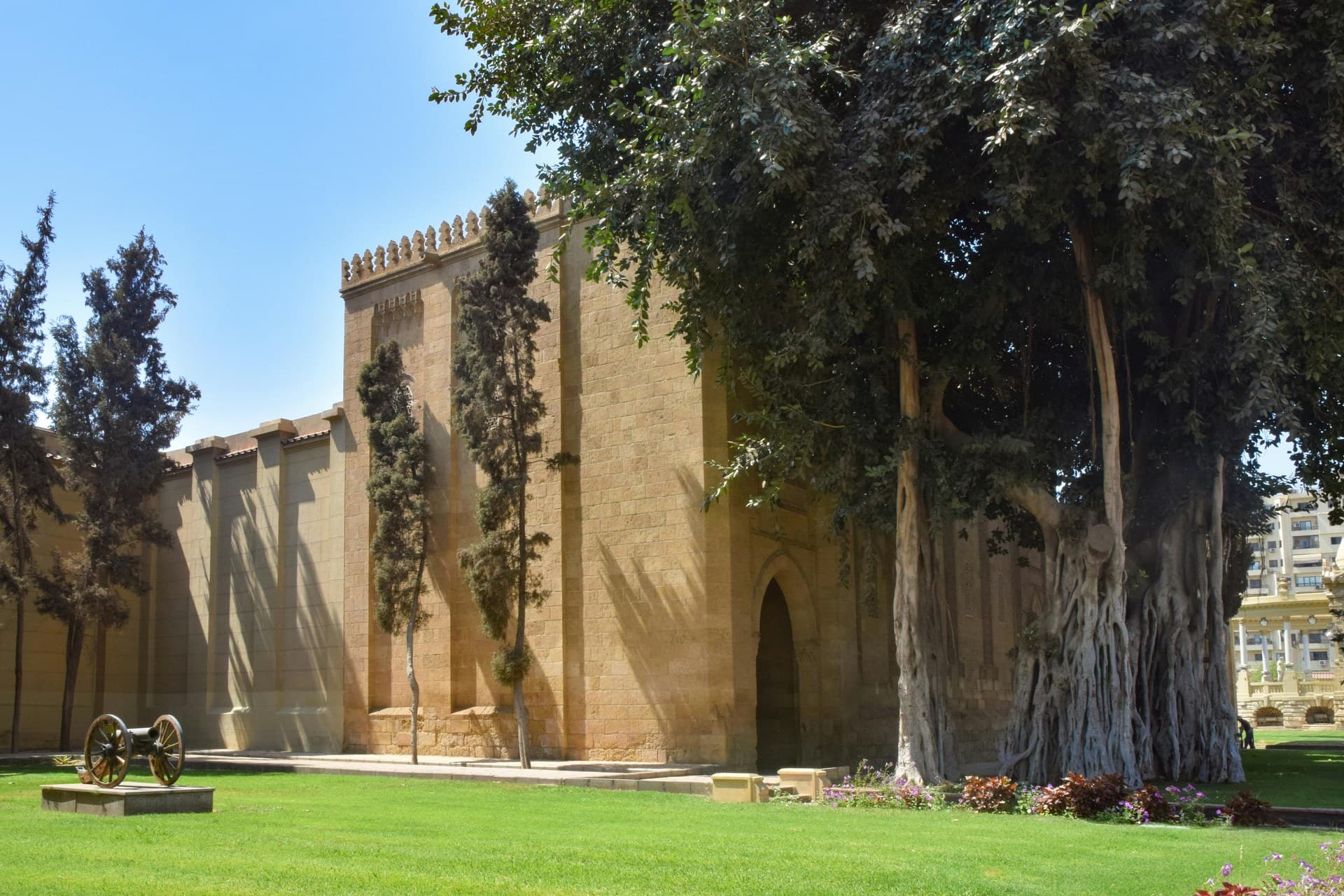
The Romans built the fortress of Babylon here to control the point where the Nile met a canal to the Red Sea. Two of its towers still stand, and much of the quarter is built directly on and into its walls.
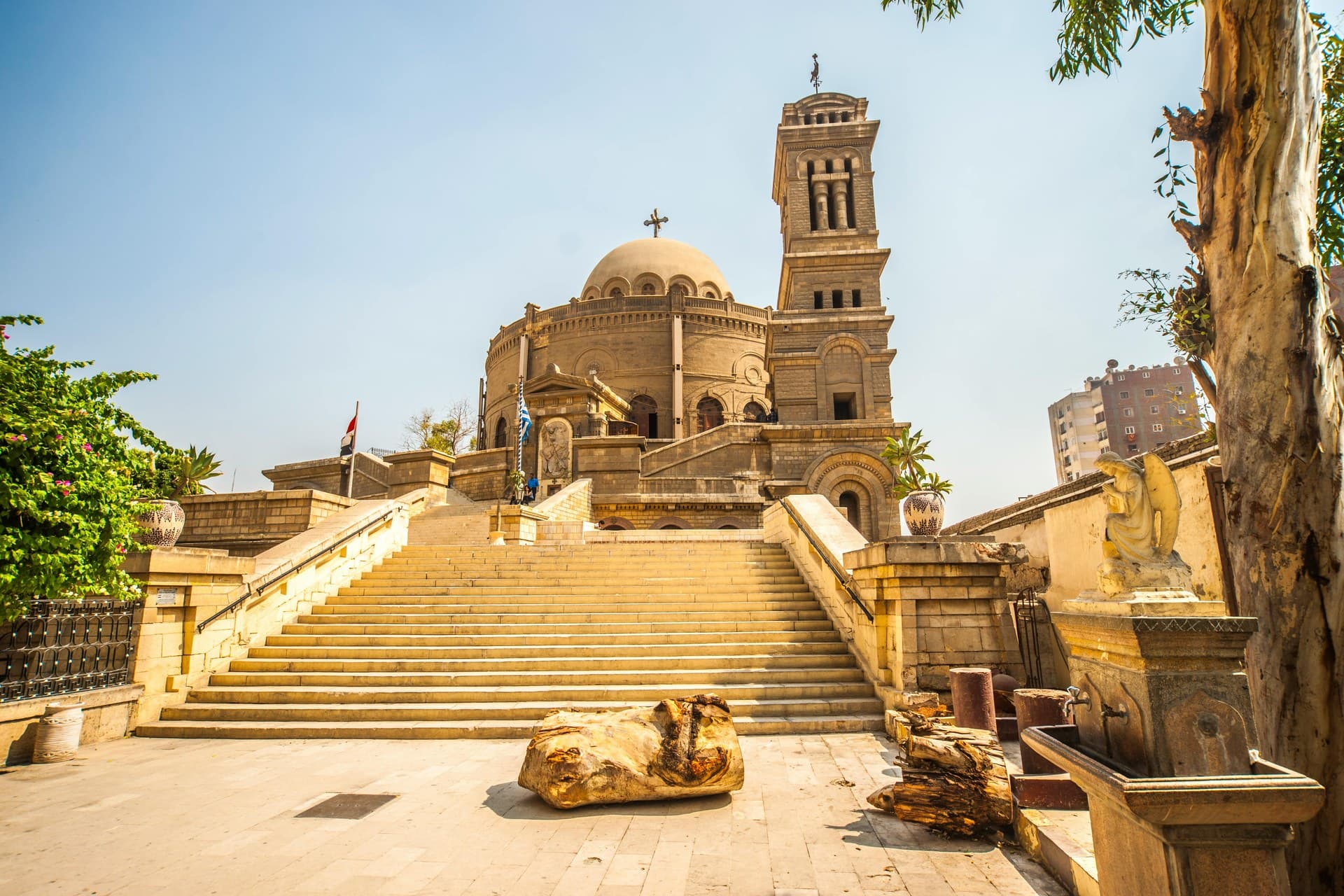
Christianity in Egypt is traditionally traced to the first century, and the community that became the Coptic Orthodox Church was well established long before the Arab conquest in the seventh century. Several churches in the quarter claim foundations from the fourth to seventh centuries, rebuilt many times since.
The Church of St Sergius and Bacchus is traditionally held to stand over a crypt where the Holy Family sheltered during the flight into Egypt. Whether or not you take the tradition literally, it has shaped the quarter's importance to pilgrims for well over a thousand years.
The Geniza deserves its own sentence. Because Jewish practice forbade destroying papers that might carry the divine name, the community at Ben Ezra dropped nearly a thousand years of letters, contracts, shopping lists and marriage deeds into a storeroom. Recovered in the 1890s, those documents rewrote the history of the medieval Mediterranean from the middle of society outward — trade, prices, family life — rather than from the palaces down.
The layering here is physical. The Hanging Church sits on the Roman gatehouse, the Coptic Museum stands inside the fortress circuit, and the Mosque of Amr — the first mosque in Egypt — was founded a short walk away when the conquering army camped at Fustat. Egypt's great transitions of faith all happened within sight of this one small quarter.