Attraction

The Ramesseum, Luxor

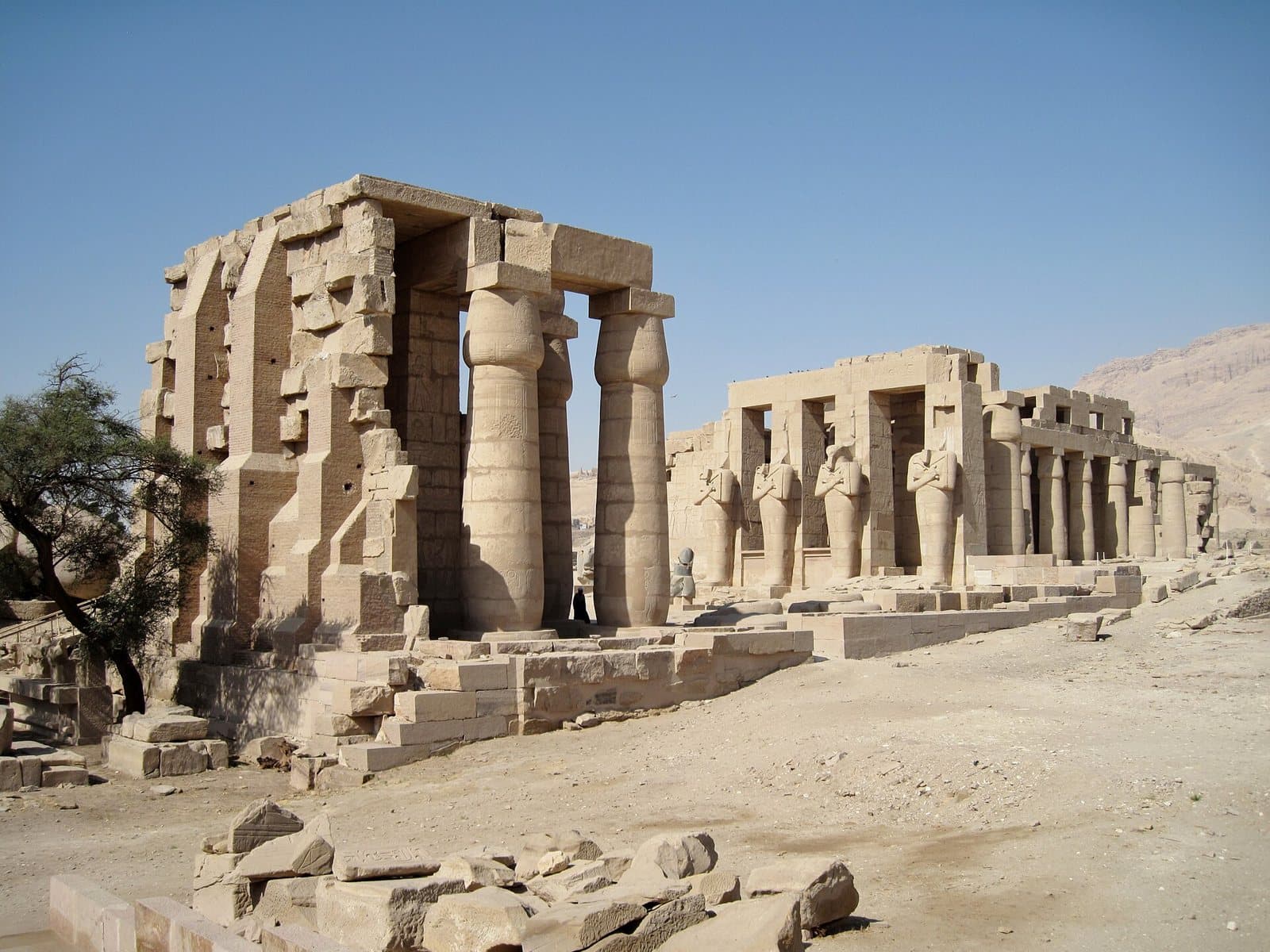
The mortuary temple of Ramesses II on Luxor's west bank, a quiet site with Osiride statues and the shattered remains of a granite colossus once about 18 metres tall.

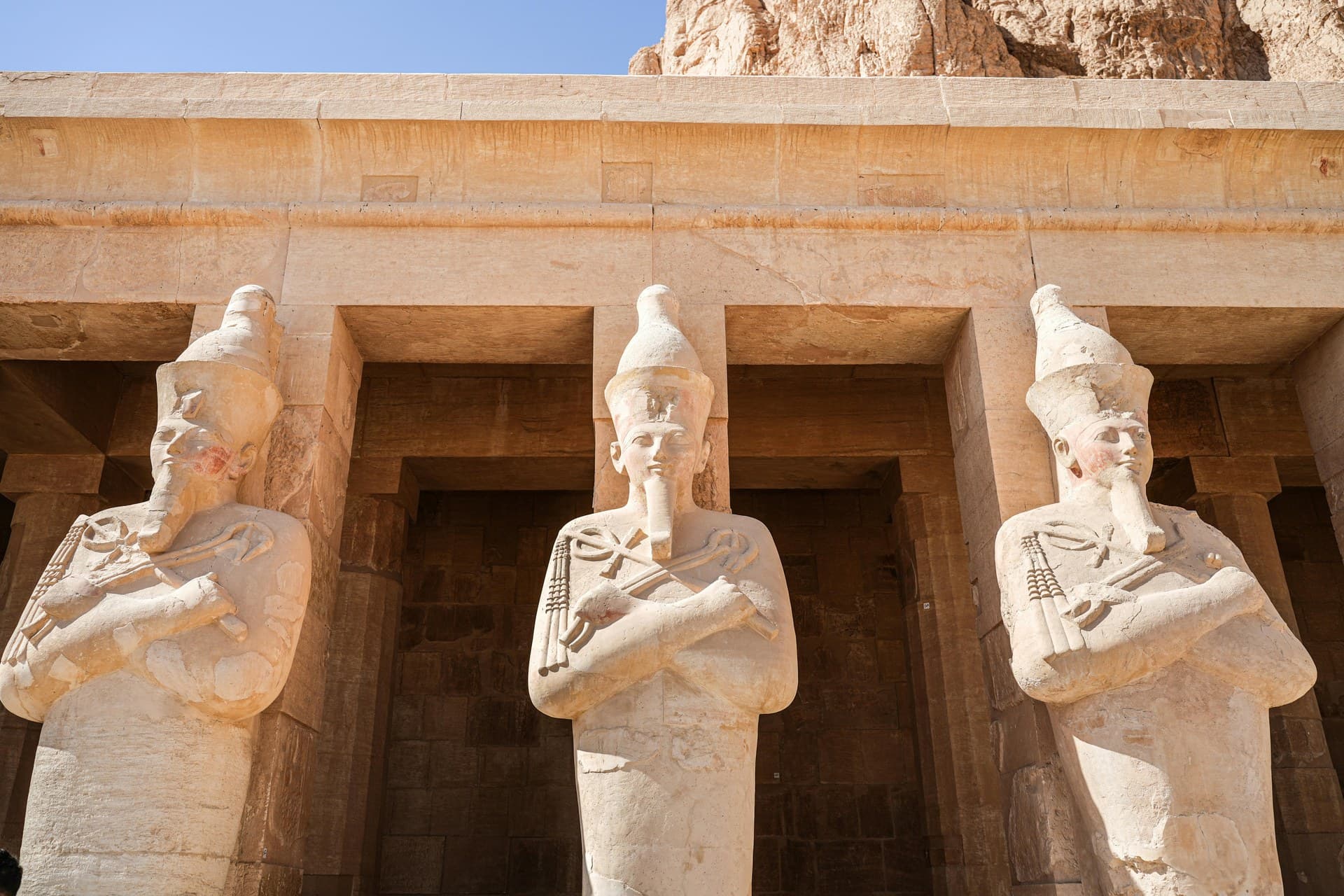
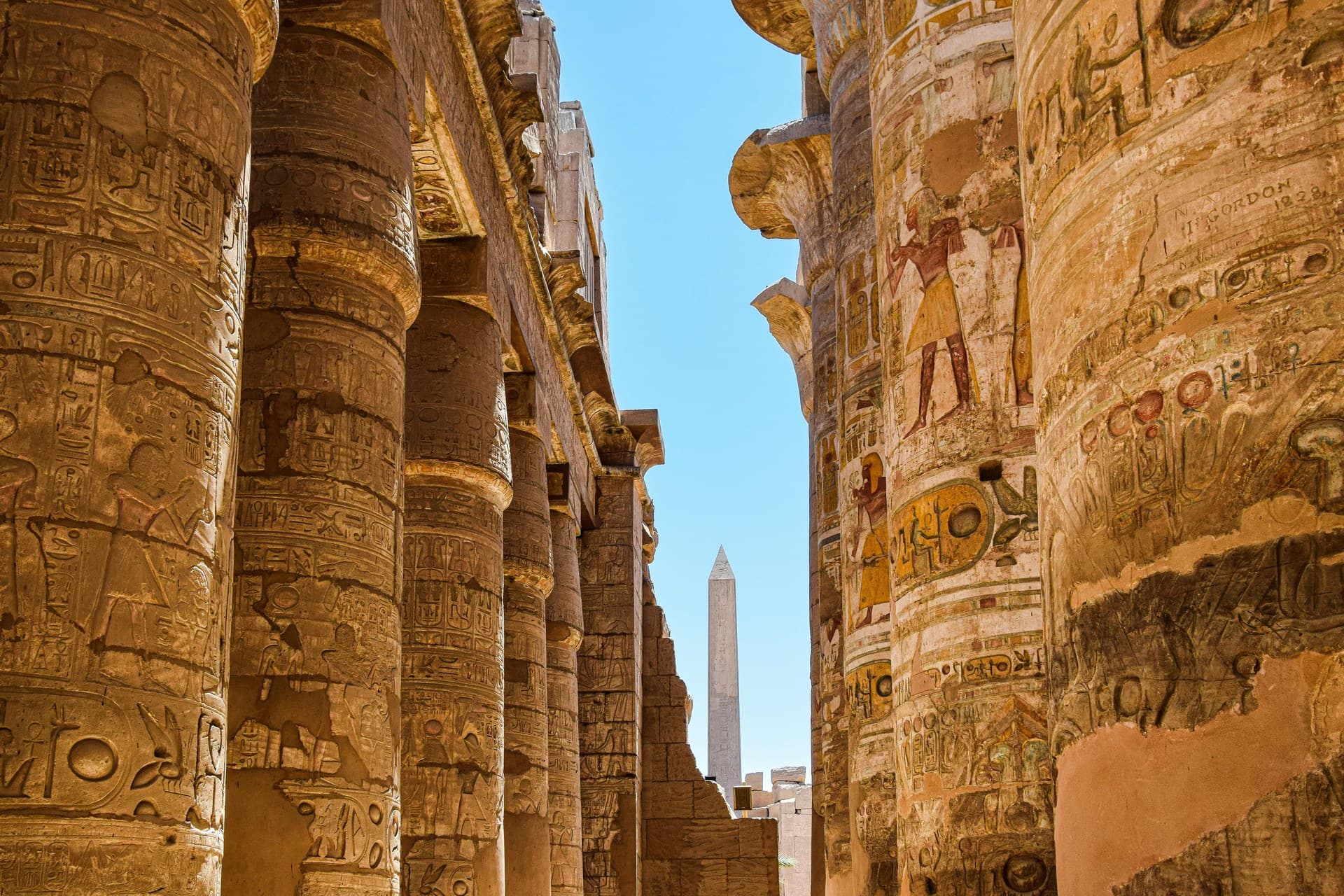
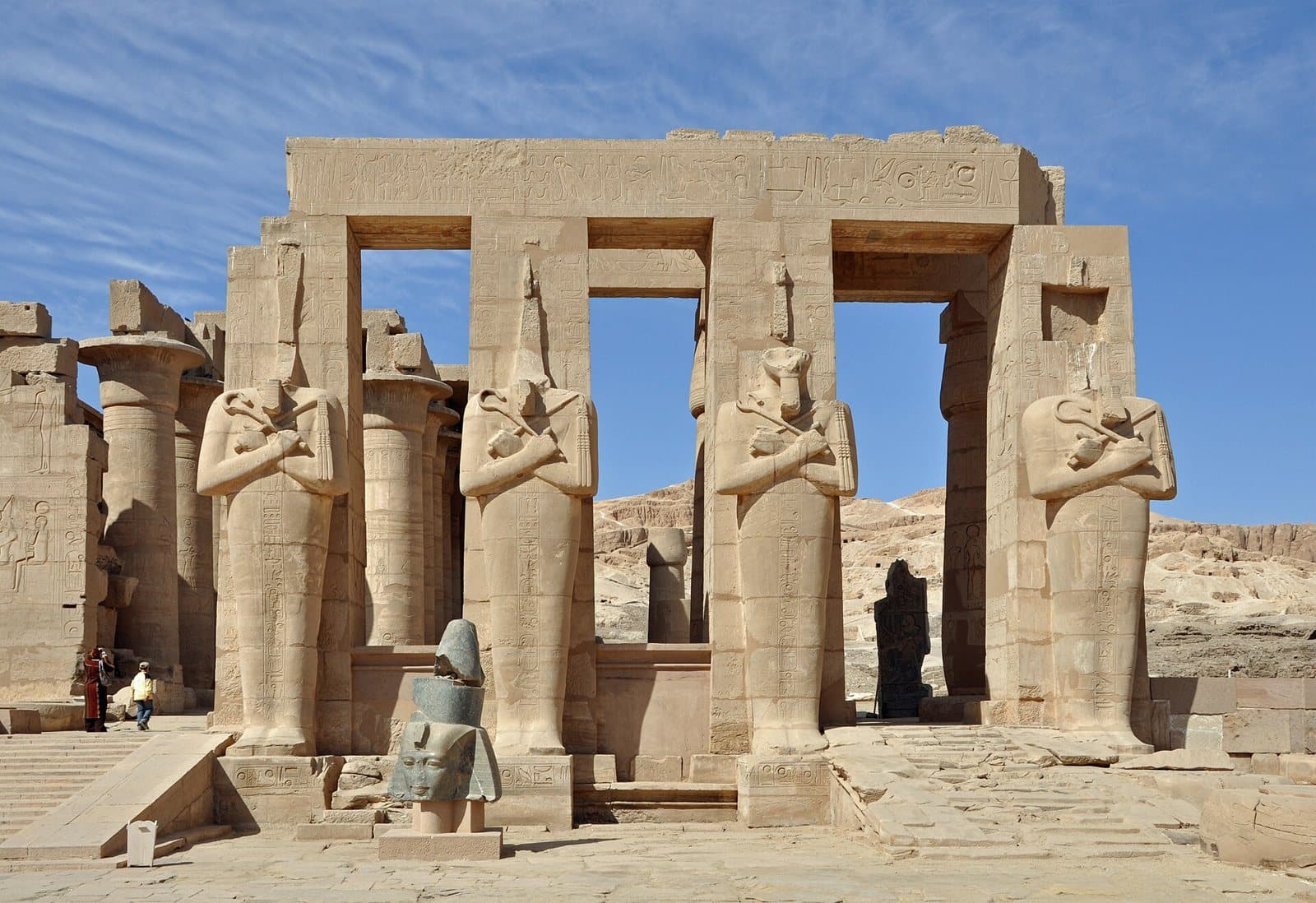
The facade of the Ramesseum with a row of Osiride statues of Ramesses II standing in front of tall square pillars
Mortuary templeLuxor

Overview

The Ramesseum is the mortuary temple of Ramesses II, on the west bank of the Nile opposite Luxor. After the king was buried in the Valley of the Kings it served his funerary cult for almost a century. One source places his reign in the 13th century BC, from 1279 to 1213 BC, and says he spent twenty of his sixty-seven years on the throne building it.

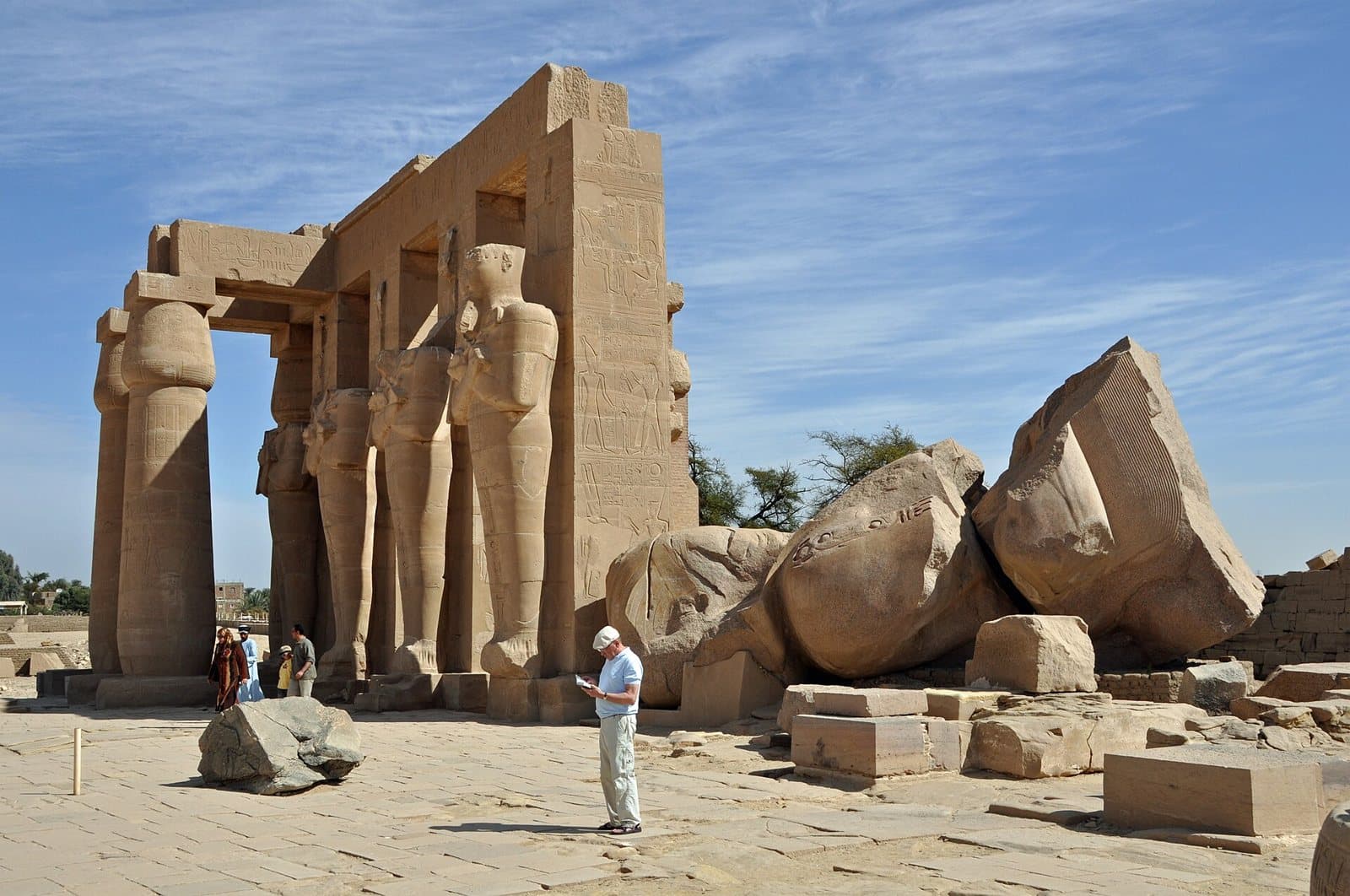
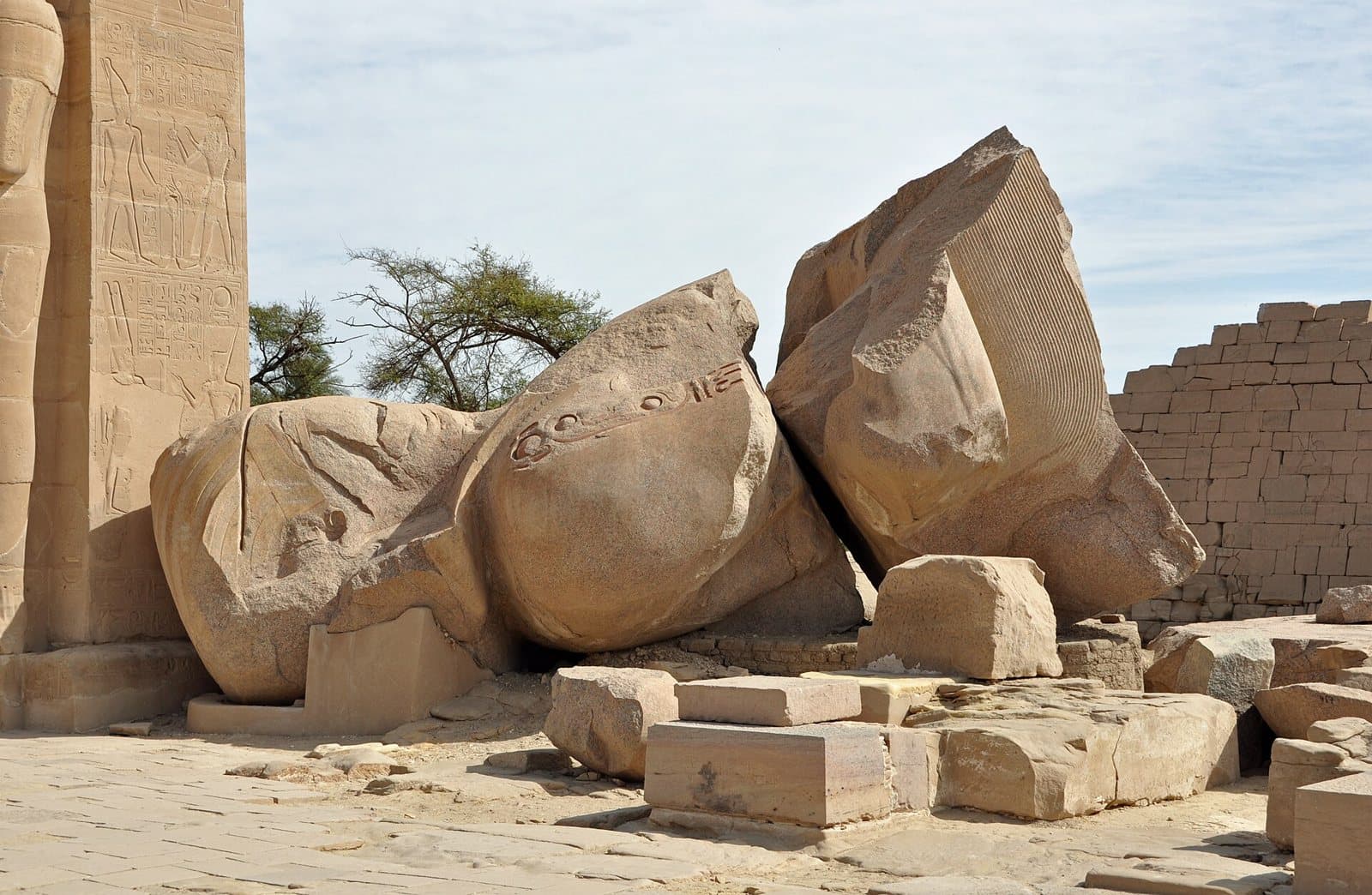
It is a ruin, and a quieter stop than the big west-bank sites, but it has one of the most photographed fragments of the pharaonic world: the remains of a monolithic granite colossus of the king that stood in the first court and is described as originally about 18 metres tall.
Why visit The Ramesseum, Luxor

The broken colossus tells the story of the site better than any plaque. It is now a heap of enormous fragments, and standing next to them gives a sense of scale that restored monuments do not.

The temple facade retains rows of Osiride statues, figures of the king in the pose of the god Osiris, in front of tall square pillars.

It is far less crowded than the Valley of the Kings or Hatshepsut's temple, which makes it a pleasant place to slow down on a west-bank day.

History of The Ramesseum, Luxor

Ramesses II built the temple as a place where his cult would be kept up after his death, in the same way as the other mortuary temples of the Theban west bank.

The first court held the great seated colossus, which was monolithic, made of a single block of granite. It is now fragmentary, and the sources we found do not agree on any figure for its weight, so none is given here.

One travel account links the site to Shelley's poem about Ozymandias, which draws on the Greek form of part of the king's throne name, Usermaatre. Treat that as a literary connection, not a documented one.

What to see at The Ramesseum, Luxor

  • The shattered granite colossus of Ramesses II
  • Osiride statues of the king in front of square pillars
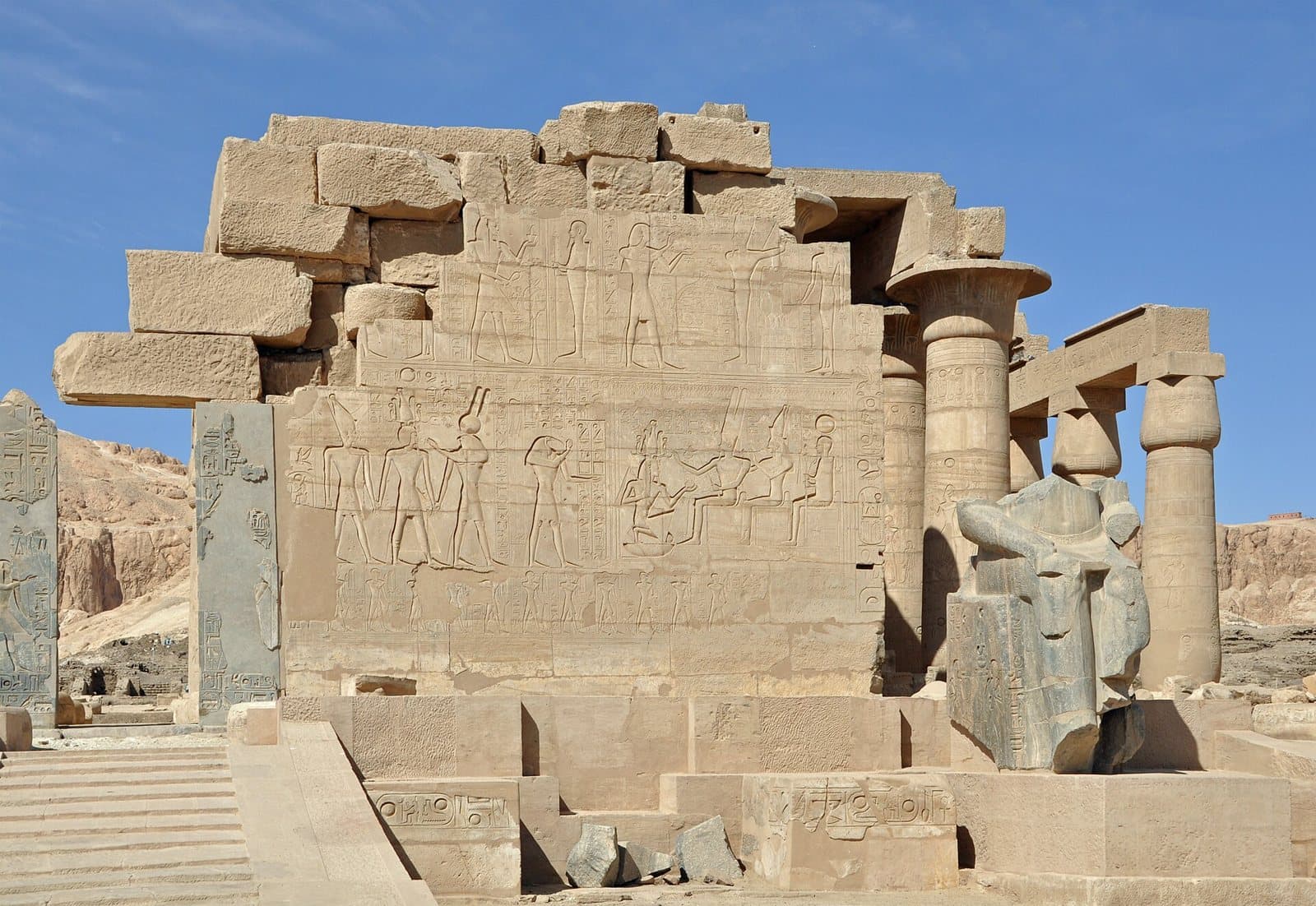
  • Carved wall scenes on the pylon
  • A quiet site on the Theban west bank

Best time to visit The Ramesseum, Luxor

Early morning, for the heat and the low light on the stone. October to April is the comfortable season.

Opening Hours and Tickets

Opening hours: From 06:00, last entry 17:00 in summer and 16:00 in winter and Ramadan. Ministry portal, checked 13 August 2026. Hours change, so confirm before you go.

Ministry ticketing portal, checked 13 August 2026: foreign adult EGP 220 and foreign student EGP 110. Ticket prices at Egyptian monuments are revised often, so confirm on the day.

Opening hours and ticket prices may change. Please confirm the latest details before visiting.

How to get to The Ramesseum, Luxor

On the west bank of the Nile at Luxor, opposite Luxor Temple, in the area of the mortuary temples. Reached by driver or tour; it is too far to walk from the ferry.

Nearby Attractions

Tours that include The Ramesseum, Luxor

Luxury Cairo, Luxor and Aswan Package

Luxury Cairo, Luxor and Aswan Package

An upscale private journey that combines Cairo highlights, a polished Luxor stay, and a refined Aswan finish.

Classic Cairo and Luxor Private Tour

Classic Cairo and Luxor Private Tour

A first-time Egypt itinerary that balances Cairo icons with Luxor's major temple sites over one well-paced private journey.

06 Days Cairo to Luxor Tour

06 Days Cairo to Luxor Tour

Experience the essence of Egypt in just six days on this immersive journey from Cairo to Luxor. Begin in the capital, where you’ll stand before the legendary Pyramids of Giza, explore the Grand Egyptian Museum, and wander through the historic Citadel and the lively Khan El Khalili Bazaar. Then, fly south to Luxor to uncover the monumental temples of Karnak and Luxor, glide above the ancient city in a hot air balloon, and walk through the Valley of the Kings.

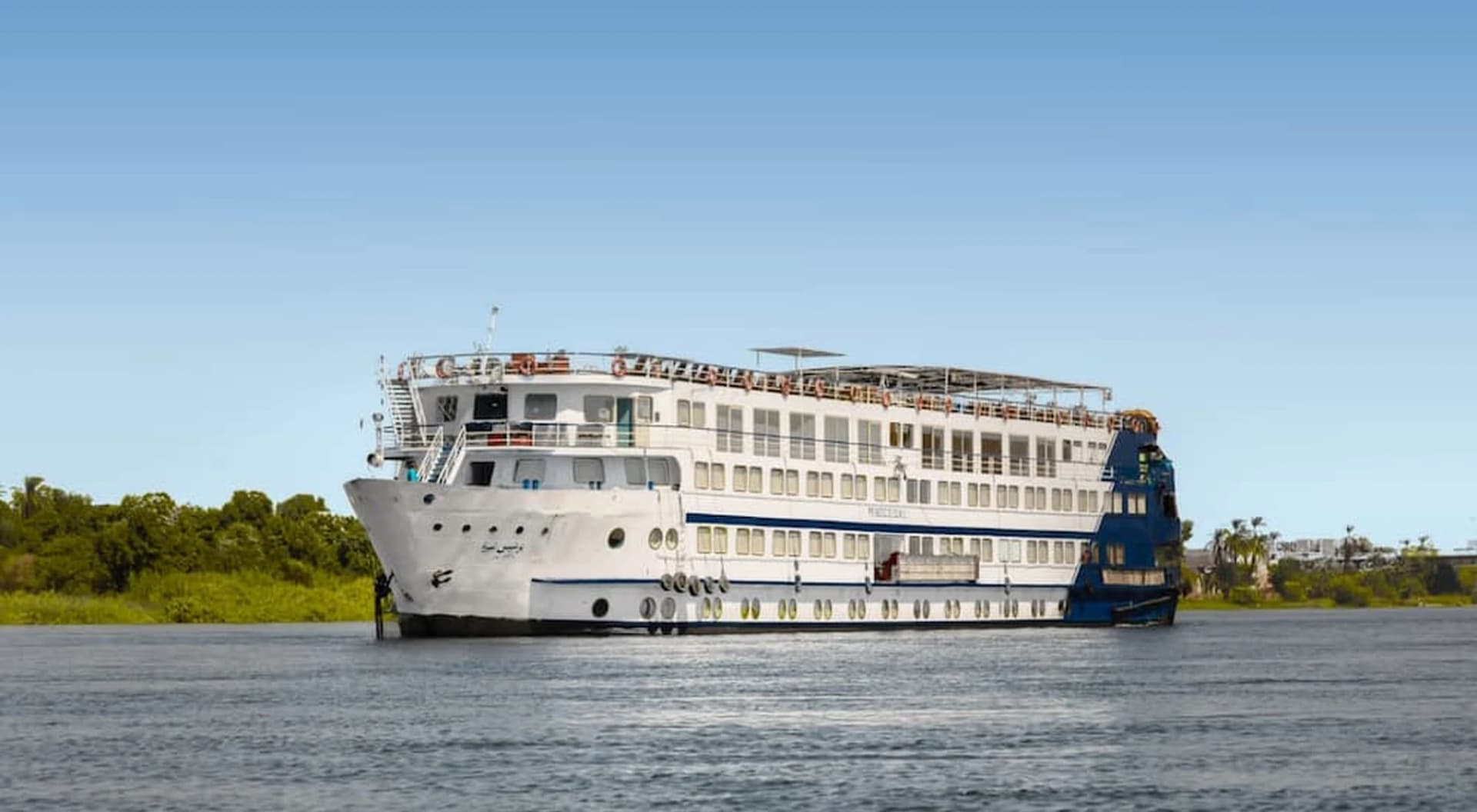
4 Night Luxor to Aswan Nile Cruise

4 Night Luxor to Aswan Nile Cruise

A classic Nile cruise itinerary with temple visits, river views, and a comfortable four-night rhythm.

4-Day Nile Cruise from Aswan to Luxor

4-Day Nile Cruise from Aswan to Luxor

Set sail on a captivating 4-day Nile cruise from Aswan to Luxor, where the ancient world unfolds before your eyes. Journey along the legendary Nile River and uncover Egypt’s most iconic temples and monuments. Begin in Aswan with visits to the High Dam and the enchanting Philae Temple, then continue to Kom Ombo and Edfu to explore magnificent sanctuaries dedicated to ancient gods. As you sail northward, reach Luxor—the open-air museum of Egypt—home to the grand Karnak and Luxor Temples and the royal tombs of the Valley of the Kings.

4 Day 3 Night Nile Cruise from Aswan to Luxor

4 Day 3 Night Nile Cruise from Aswan to Luxor

Set sail on a remarkable 4-day, 3-night Nile cruise from Aswan to Luxor, where the grandeur of ancient Egypt unfolds before your eyes. Journey along the legendary Nile River aboard a comfortable cruise ship, visiting some of the most iconic archaeological sites in the world. Discover the enchanting Temple of Philae in Aswan, the twin sanctuaries of Kom Ombo, and the magnificent Temple of Horus in Edfu.

Travel Tips Before Visiting

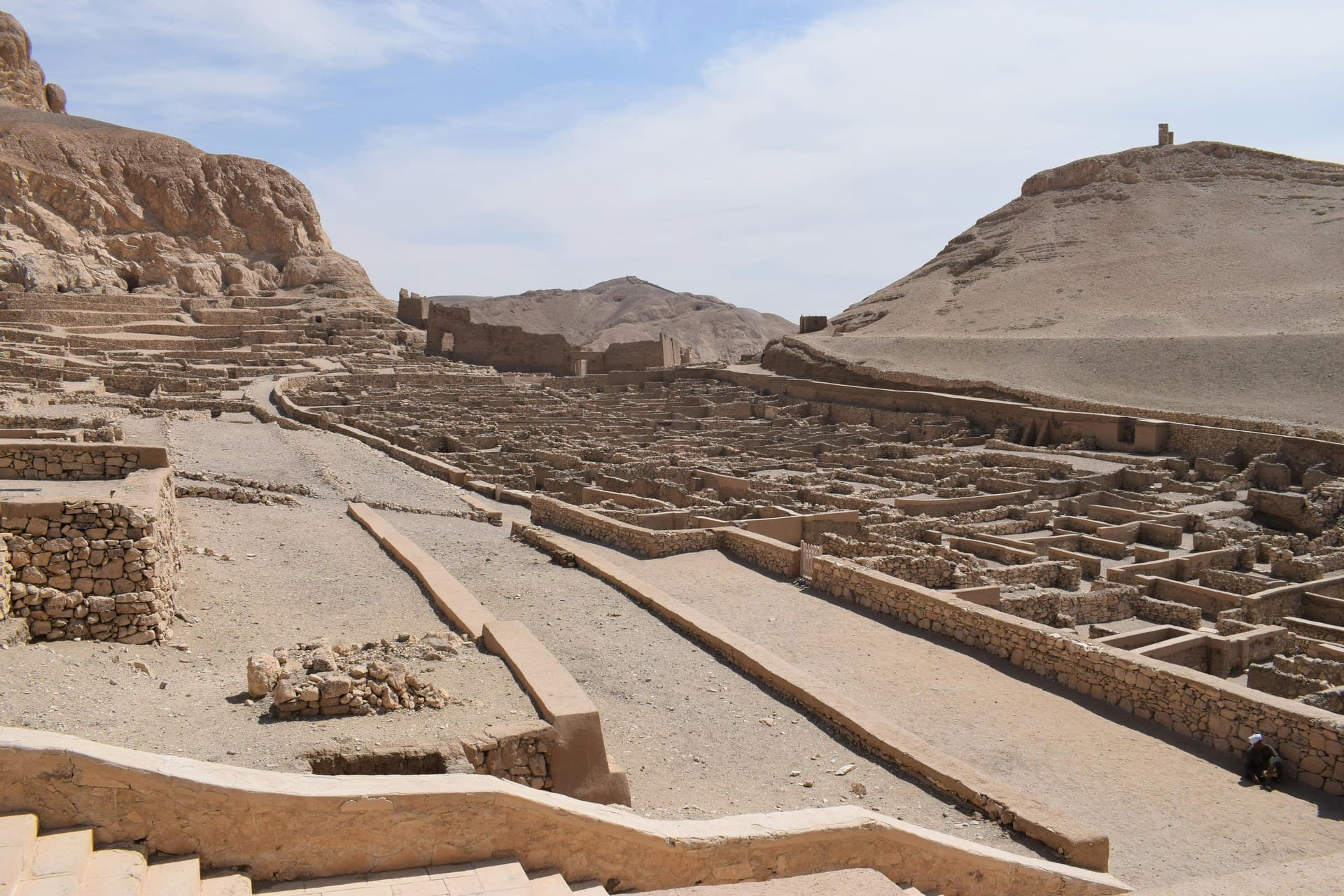
Go early. The ministry portal lists opening from 06:00, and the site is exposed with little shade. Look for the colossus fragments first, then work back through the courts to the facade; it makes the scale easier to read. Pair it with Medinet Habu and Deir el-Medina. All three sit on the southern part of the west bank and are quieter than the northern circuit.