Attraction

The Avenue of Sphinxes, Luxor

The sphinx-lined road, about 2.7 km long, that joined Karnak and Luxor Temple, reopened in a night parade in November 2021 — what it is and what you actually see.

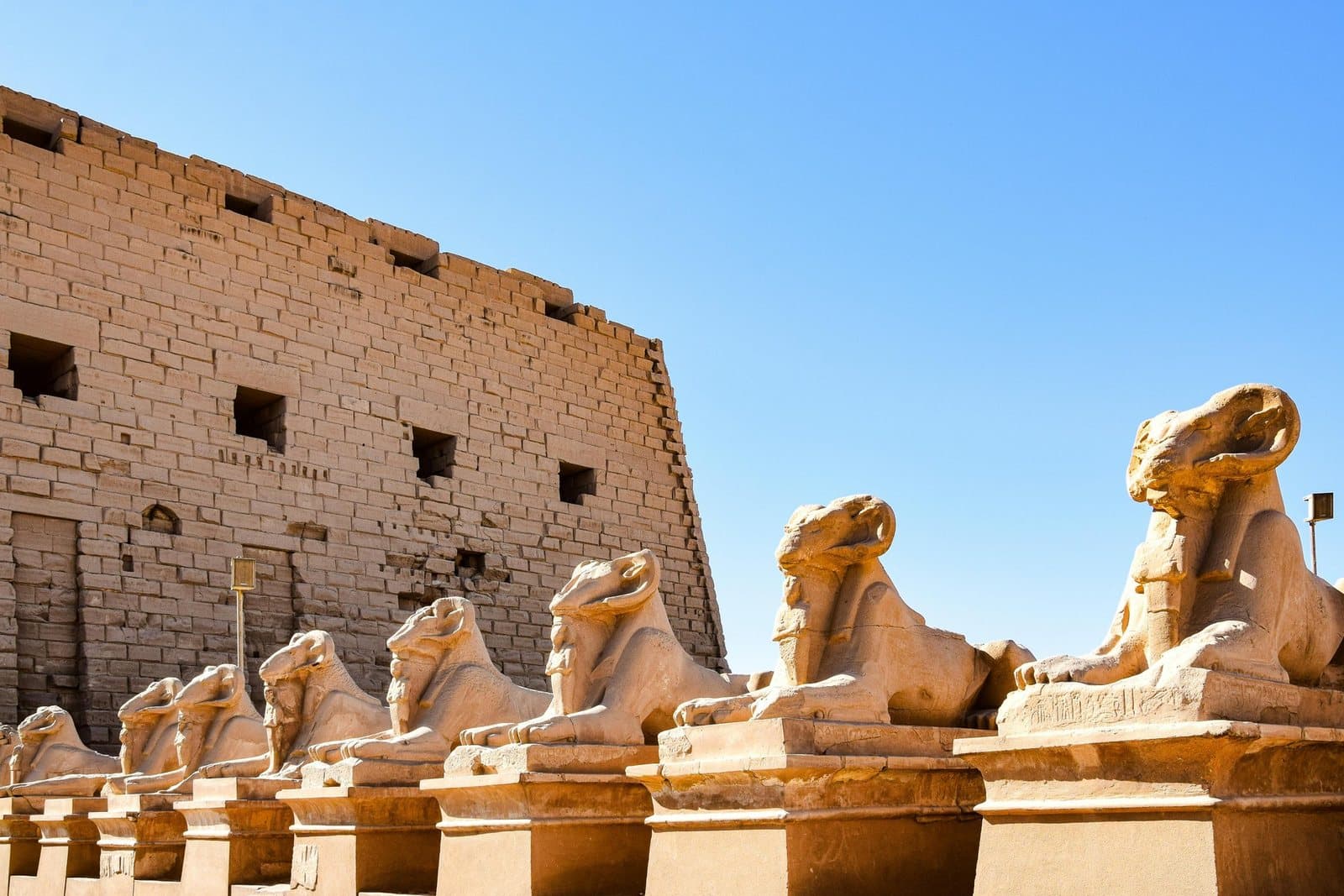
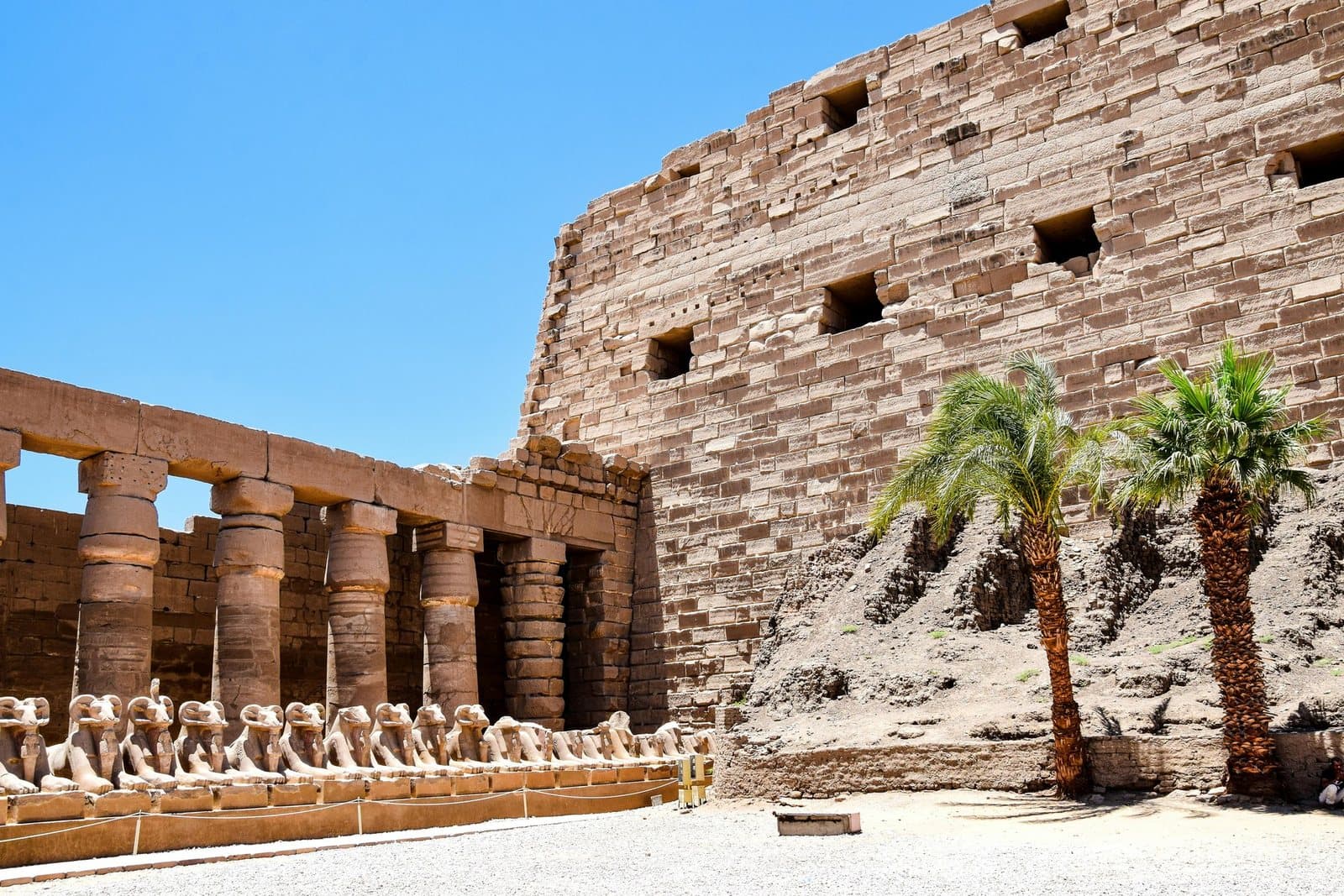
A row of ram-headed sphinxes on stone plinths beside a pylon wall at Karnak under a blue sky
Ancient processional roadLuxor

Overview

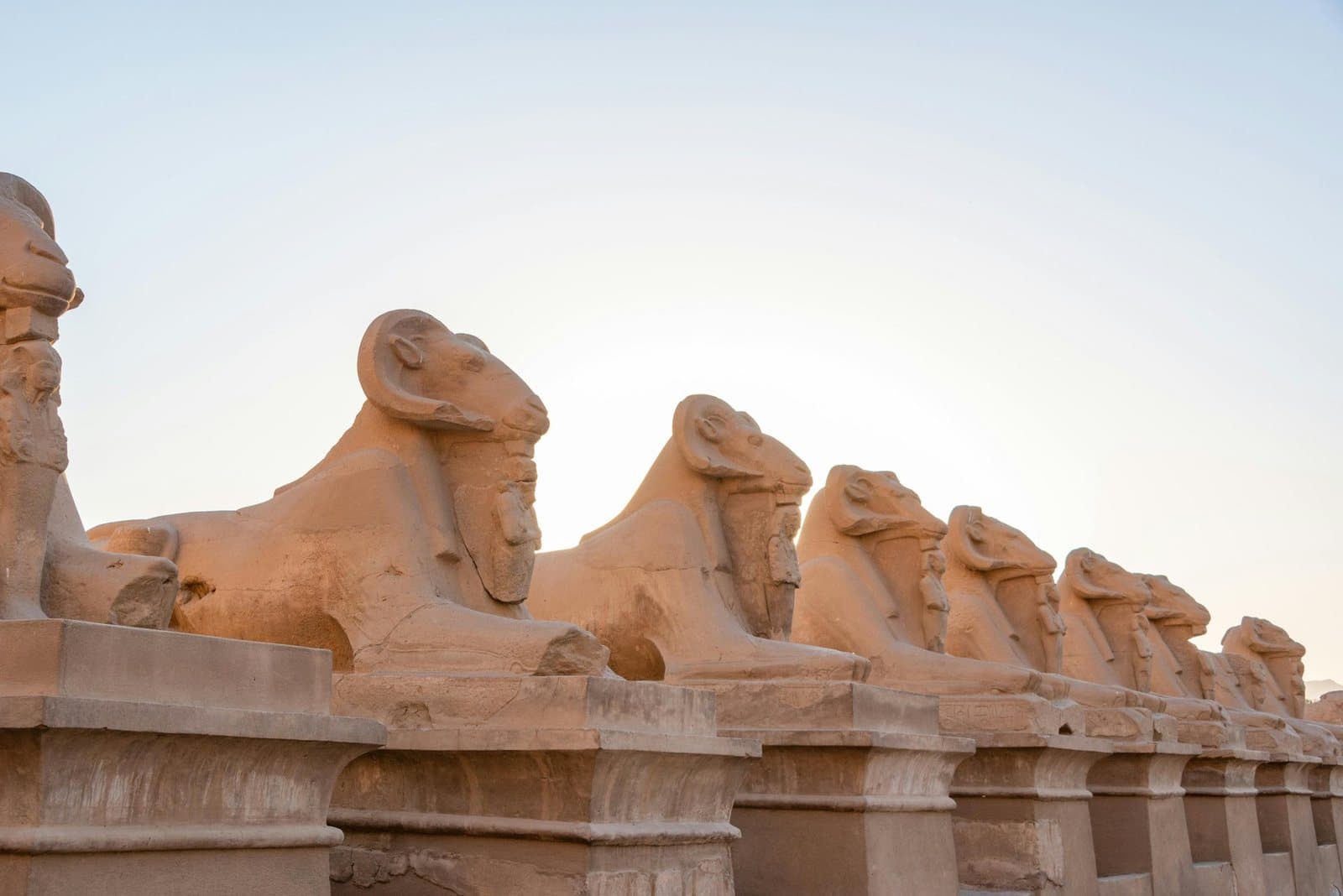
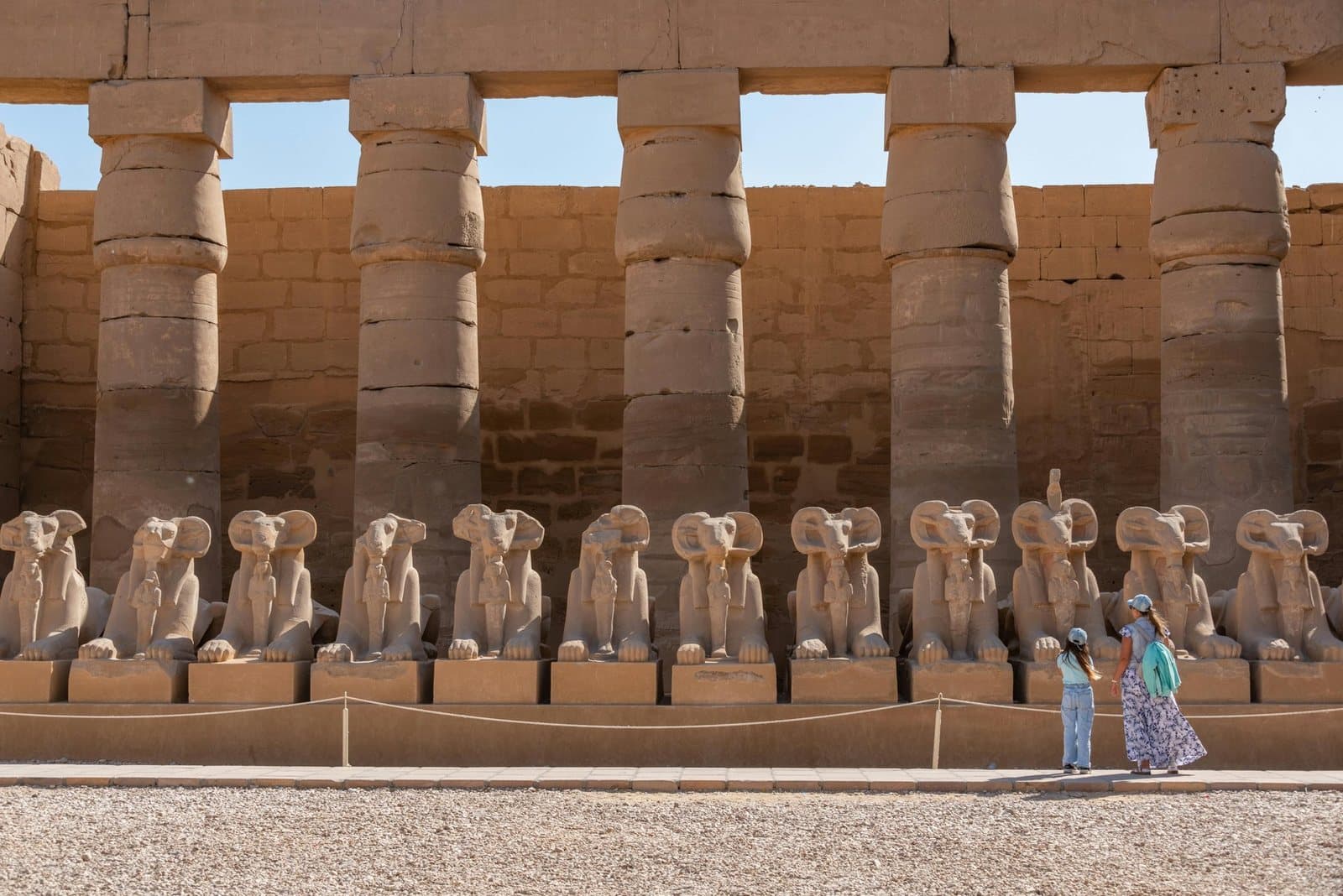
The Avenue of Sphinxes is the ancient ceremonial road between Karnak Temple and Luxor Temple. Reports from its reopening give its length as about 2.7 kilometres and its width as up to seven metres, and it was lined on both sides with sphinx statues. The ram-headed form is the one you meet at the entrance to Karnak.

Egypt reopened the restored avenue on 25 November 2021 with a night-time parade that included a re-enactment of the Opet Festival. Clearing the road had taken roughly seven decades, since the first eight sphinxes were found in front of Luxor Temple in 1949.
Why visit The Avenue of Sphinxes, Luxor

It explains why Karnak and Luxor Temple belong together. The road was the route of the Opet Festival, when the statues of the gods Amun, Mut and Khonsu were carried from Karnak to Luxor Temple in procession.

The rows of ram-headed sphinxes at the Karnak end give the approach to the temple a scale that photographs rarely show, and they are an easy stop within a Karnak visit.

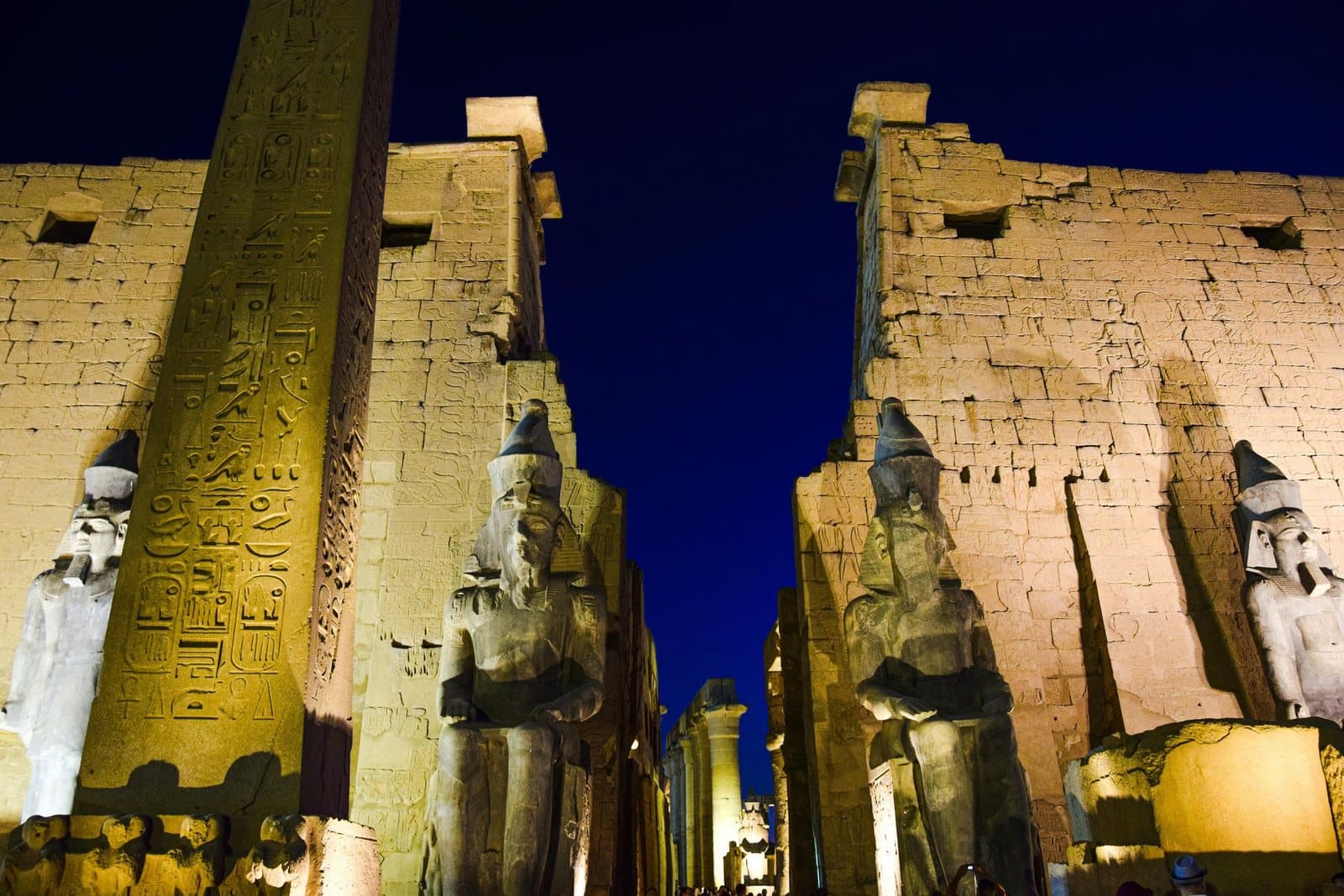
At the other end, the avenue arrives at Luxor Temple's pylon, where the obelisk and the colossal statues of Ramesses II stand in front of the gateway, floodlit in the evening.

History of The Avenue of Sphinxes, Luxor

Sources do not agree on the avenue's age. Reports from the 2021 reopening give it as 3,000 years in some places and 3,400 years in others, so you will meet different dates depending on who is telling the story.

The number of sphinxes is also quoted differently. Reports of the reopening range from roughly 700 to more than 1,000, so a guide's figure and a guidebook's figure may both be defensible.

What is not in dispute is the purpose: a processional way linking the two great temples of Thebes on the east bank of the Nile.

What to see at The Avenue of Sphinxes, Luxor

  • Ram-headed sphinxes at the entrance to Karnak
  • The link between Karnak and Luxor Temple, and the Opet Festival that used it
  • Luxor Temple's pylon with its obelisk and the colossi of Ramesses II
  • The 2021 reopening parade and the decades of excavation behind it

Best time to visit The Avenue of Sphinxes, Luxor

Early morning or late afternoon, for the heat and the light on the stone. October to April is the comfortable season.

Opening Hours and Tickets

Opening hours: No separate official opening hours confirmed. Karnak and Luxor Temple keep their own hours, which are on their own pages.

We found no official source for a separate ticket price to the avenue, so none is quoted here. Karnak and Luxor Temple are ticketed separately. Ask your guide how your route handles the avenue.

Opening hours and ticket prices may change. Please confirm the latest details before visiting.

How to get to The Avenue of Sphinxes, Luxor

The avenue runs between Karnak Temple in the north and Luxor Temple in the south, on the east bank of the Nile in Luxor. Most visitors meet it at the entrance to Karnak or in front of Luxor Temple as part of a temple tour.

Nearby Attractions

Tours that include The Avenue of Sphinxes, Luxor

Luxury Cairo, Luxor and Aswan Package

Luxury Cairo, Luxor and Aswan Package

An upscale private journey that combines Cairo highlights, a polished Luxor stay, and a refined Aswan finish.

Classic Cairo and Luxor Private Tour

Classic Cairo and Luxor Private Tour

A first-time Egypt itinerary that balances Cairo icons with Luxor's major temple sites over one well-paced private journey.

06 Days Cairo to Luxor Tour

06 Days Cairo to Luxor Tour

Experience the essence of Egypt in just six days on this immersive journey from Cairo to Luxor. Begin in the capital, where you’ll stand before the legendary Pyramids of Giza, explore the Grand Egyptian Museum, and wander through the historic Citadel and the lively Khan El Khalili Bazaar. Then, fly south to Luxor to uncover the monumental temples of Karnak and Luxor, glide above the ancient city in a hot air balloon, and walk through the Valley of the Kings.

4 Night Luxor to Aswan Nile Cruise

4 Night Luxor to Aswan Nile Cruise

A classic Nile cruise itinerary with temple visits, river views, and a comfortable four-night rhythm.

4-Day Nile Cruise from Aswan to Luxor

4-Day Nile Cruise from Aswan to Luxor

Set sail on a captivating 4-day Nile cruise from Aswan to Luxor, where the ancient world unfolds before your eyes. Journey along the legendary Nile River and uncover Egypt’s most iconic temples and monuments. Begin in Aswan with visits to the High Dam and the enchanting Philae Temple, then continue to Kom Ombo and Edfu to explore magnificent sanctuaries dedicated to ancient gods. As you sail northward, reach Luxor—the open-air museum of Egypt—home to the grand Karnak and Luxor Temples and the royal tombs of the Valley of the Kings.

4 Day 3 Night Nile Cruise from Aswan to Luxor

4 Day 3 Night Nile Cruise from Aswan to Luxor

Set sail on a remarkable 4-day, 3-night Nile cruise from Aswan to Luxor, where the grandeur of ancient Egypt unfolds before your eyes. Journey along the legendary Nile River aboard a comfortable cruise ship, visiting some of the most iconic archaeological sites in the world. Discover the enchanting Temple of Philae in Aswan, the twin sanctuaries of Kom Ombo, and the magnificent Temple of Horus in Edfu.

Travel Tips Before Visiting

Treat the avenue as part of a Karnak and Luxor Temple day. The two ends are the part every visitor sees: the sphinx-lined approach at Karnak and the stretch in front of Luxor Temple. Ask what is open on your date. We found no official source for current access to the full 2.7 km, so ask your guide or the ticket office which stretches you can walk. Bring a hat and water. It is an open-air road with little shade. Photograph the sphinxes in low light. Early morning and late afternoon bring out the sandstone and avoid the flat midday glare.