Attraction

The Citadel of Qaitbay

A fifteenth-century fort built on the foundations — and partly out of the stones — of the Lighthouse of Alexandria.

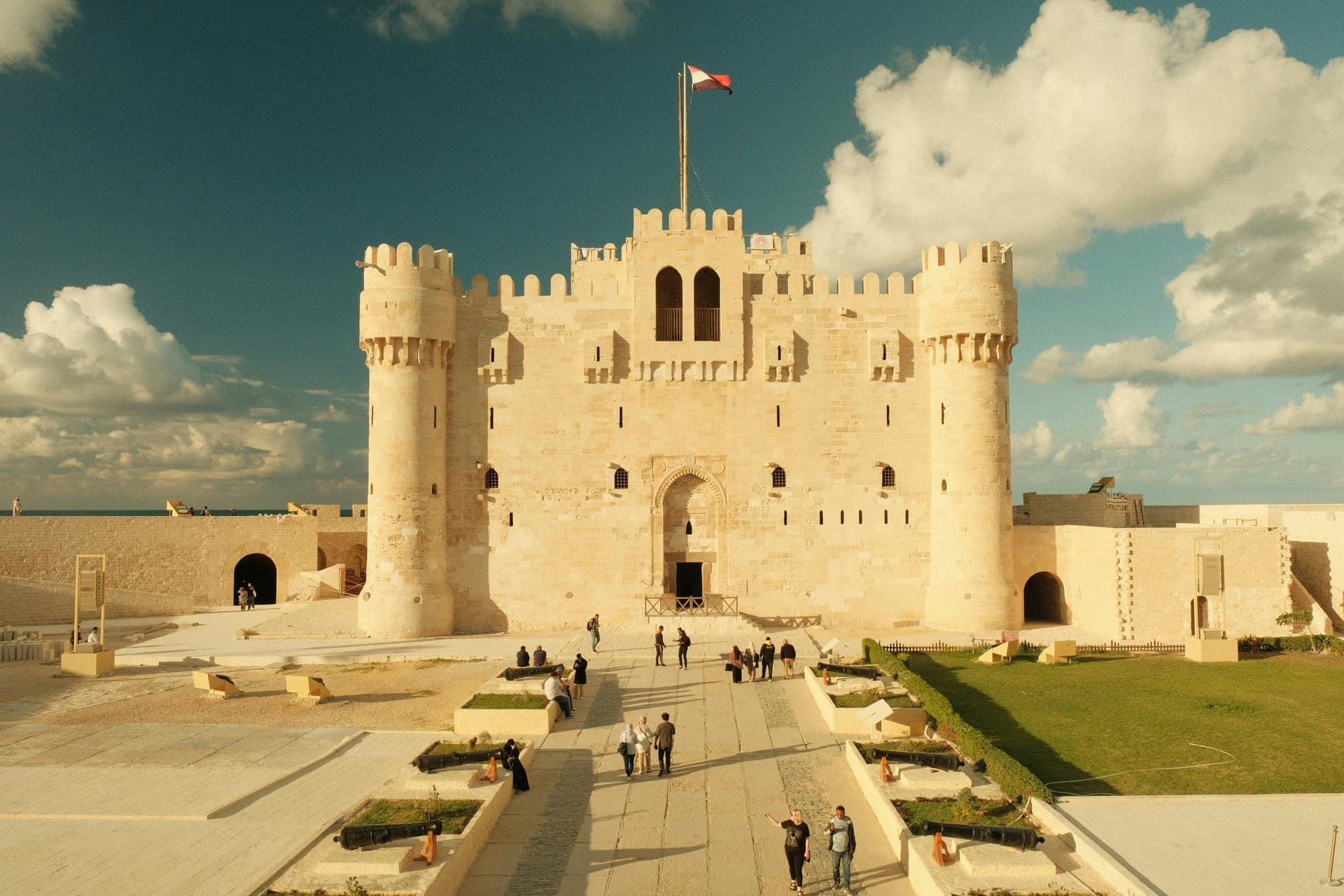
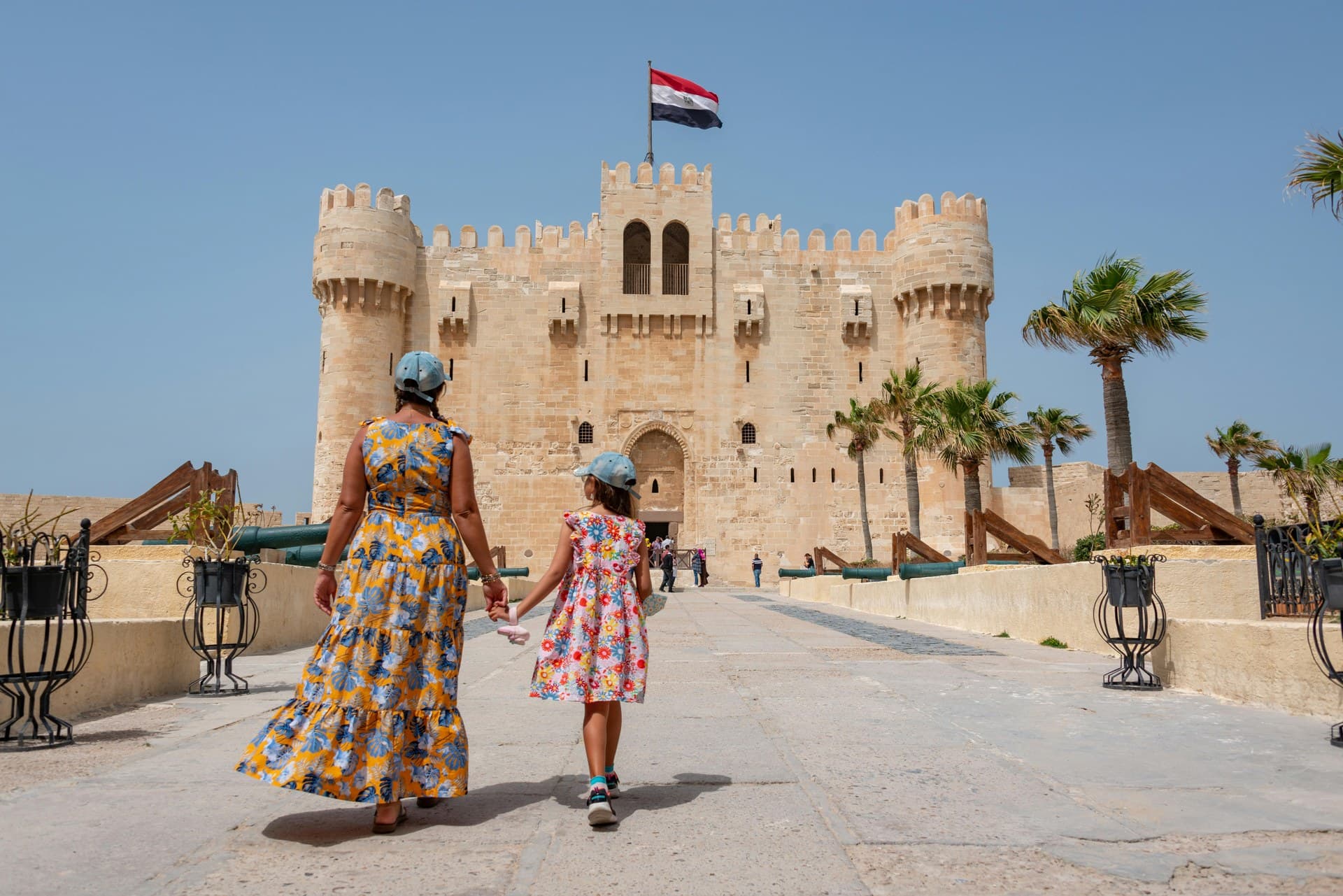
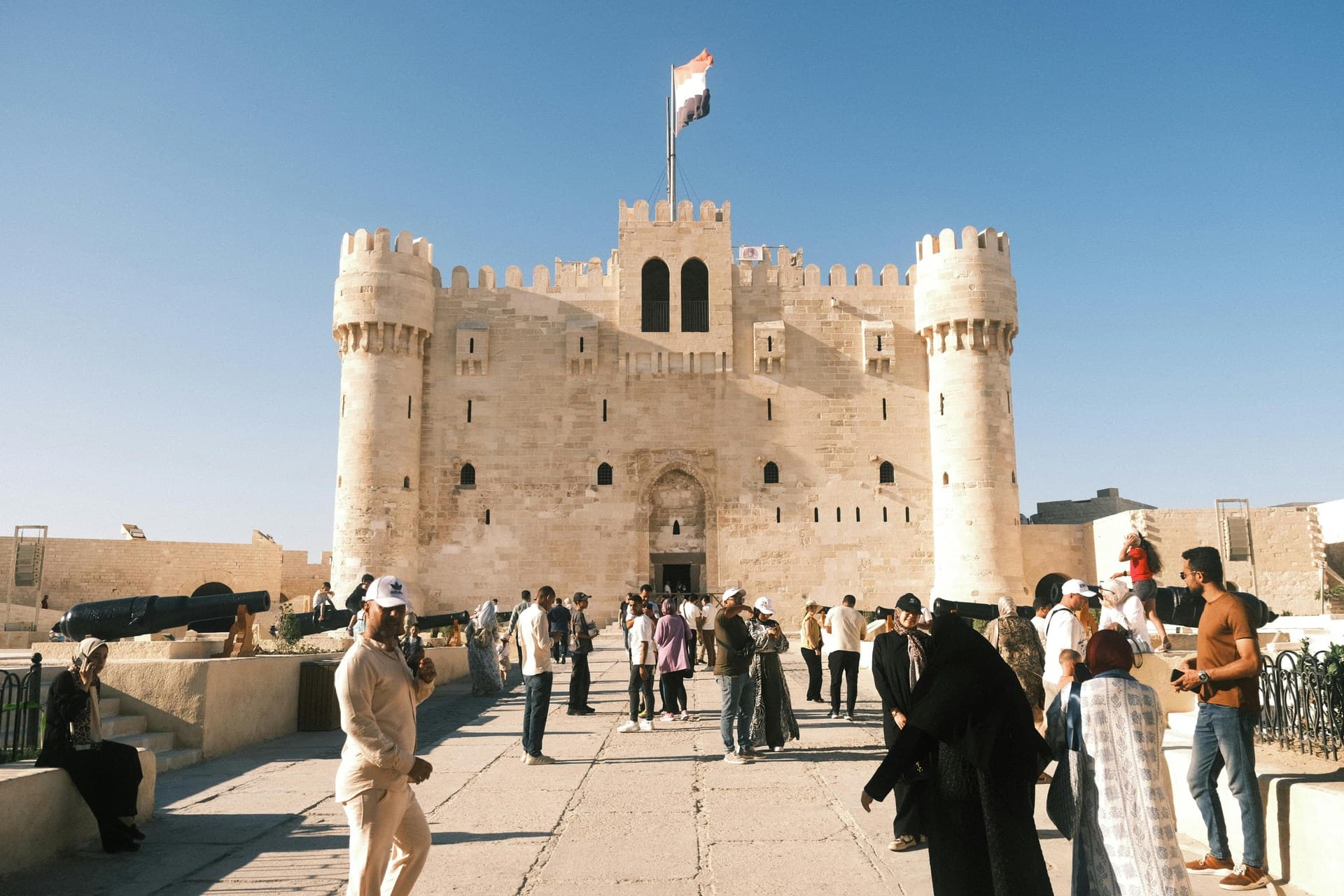
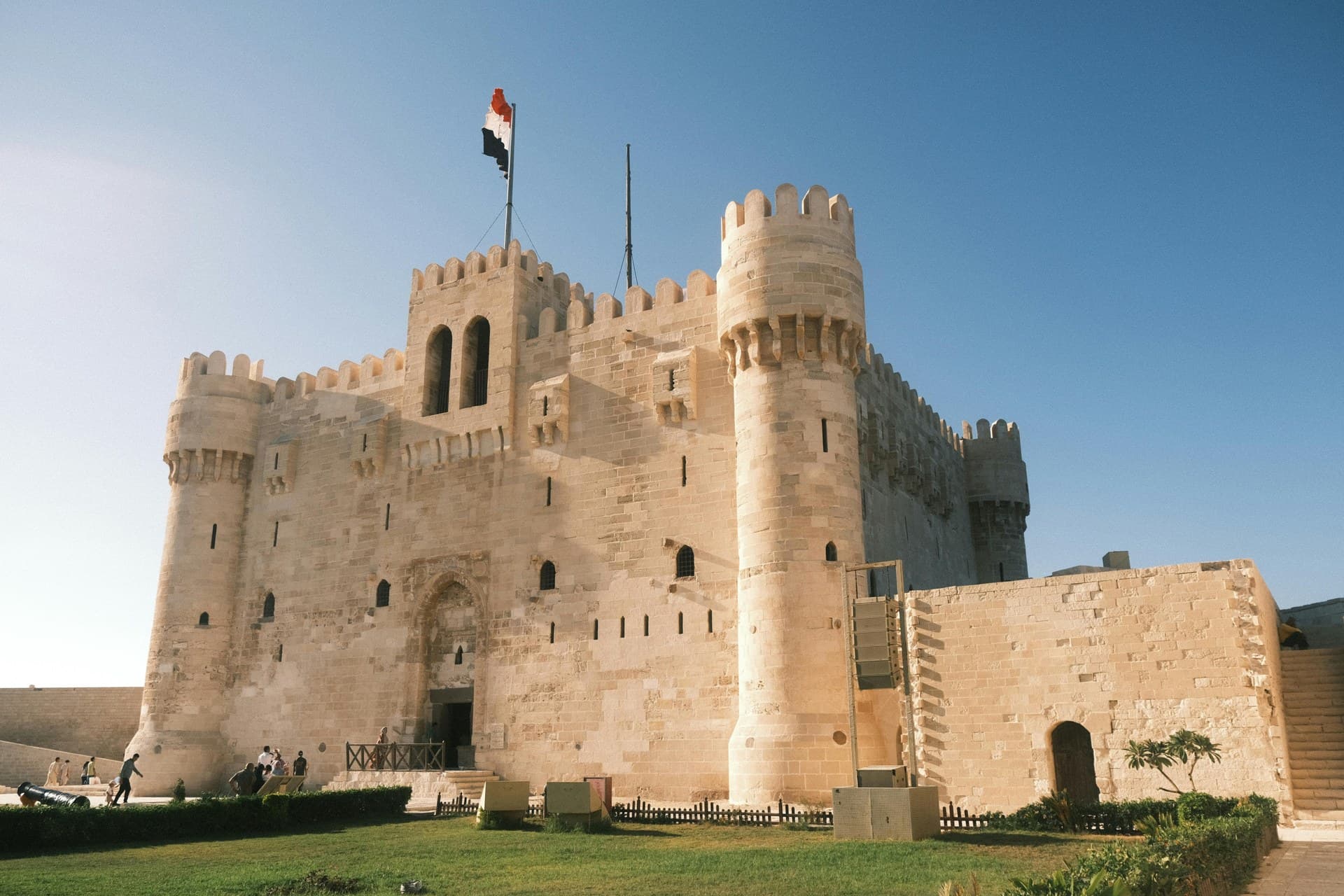
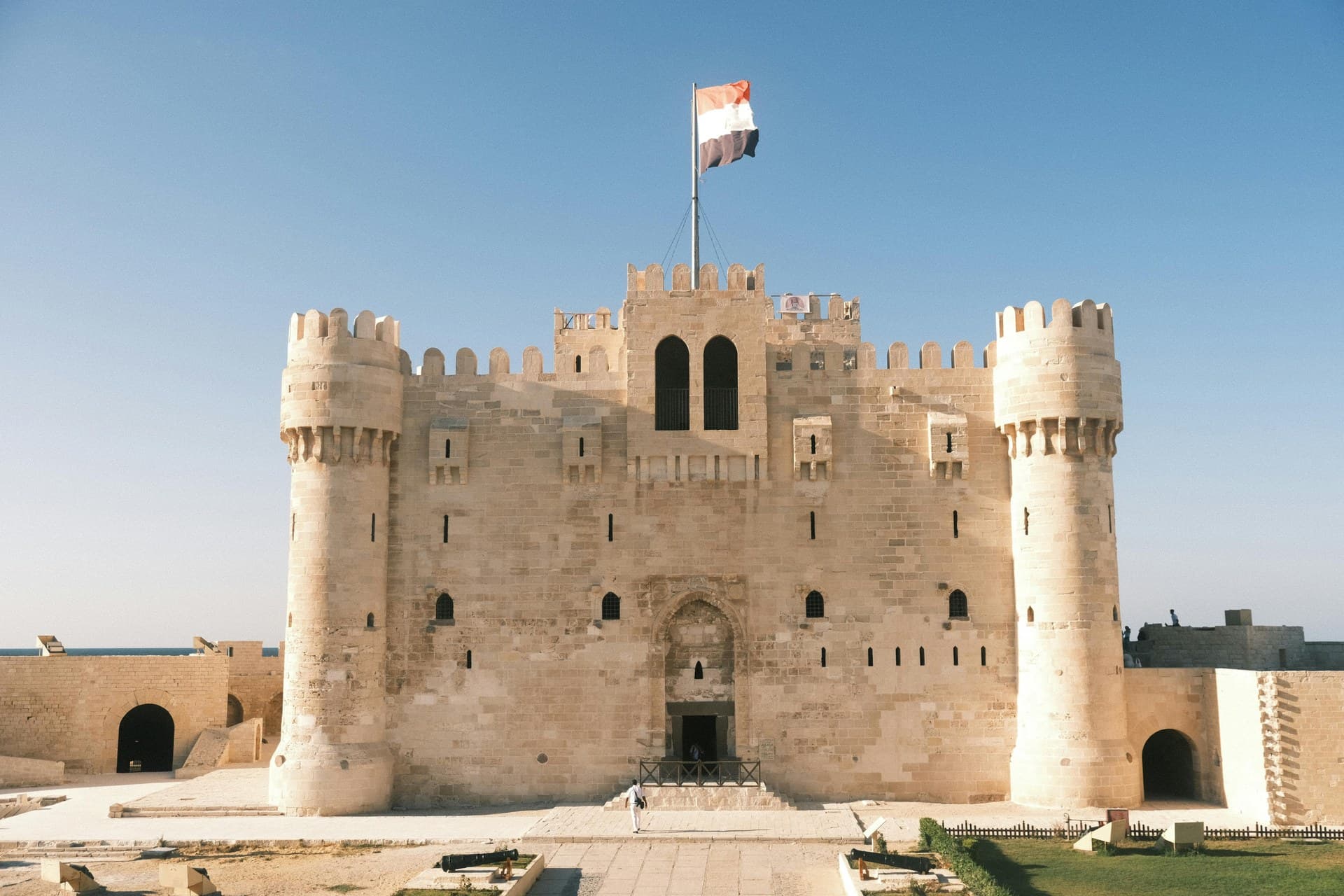
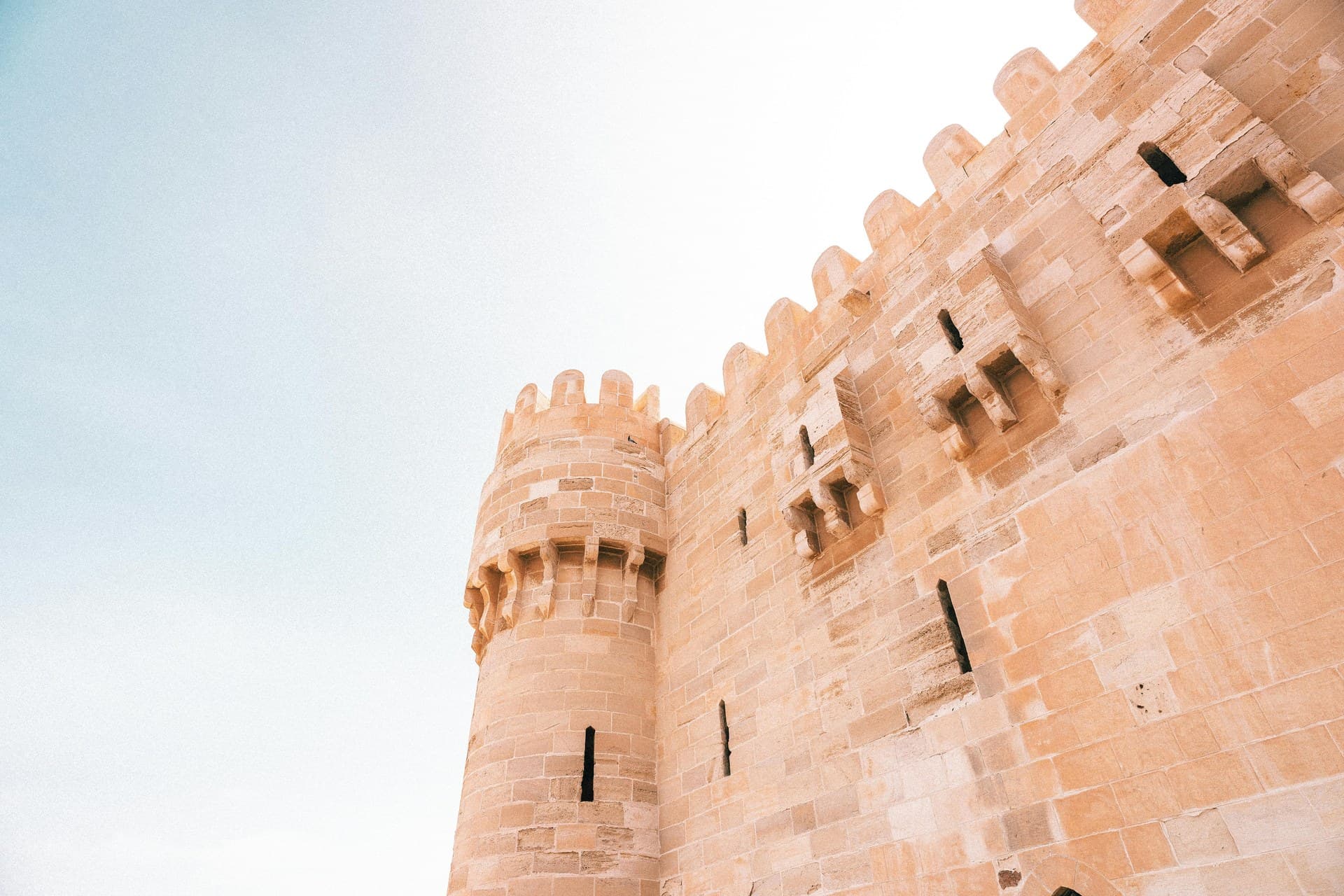
The pale stone walls of Qaitbay Citadel on its breakwater at the entrance to Alexandria's eastern harbour

Overview

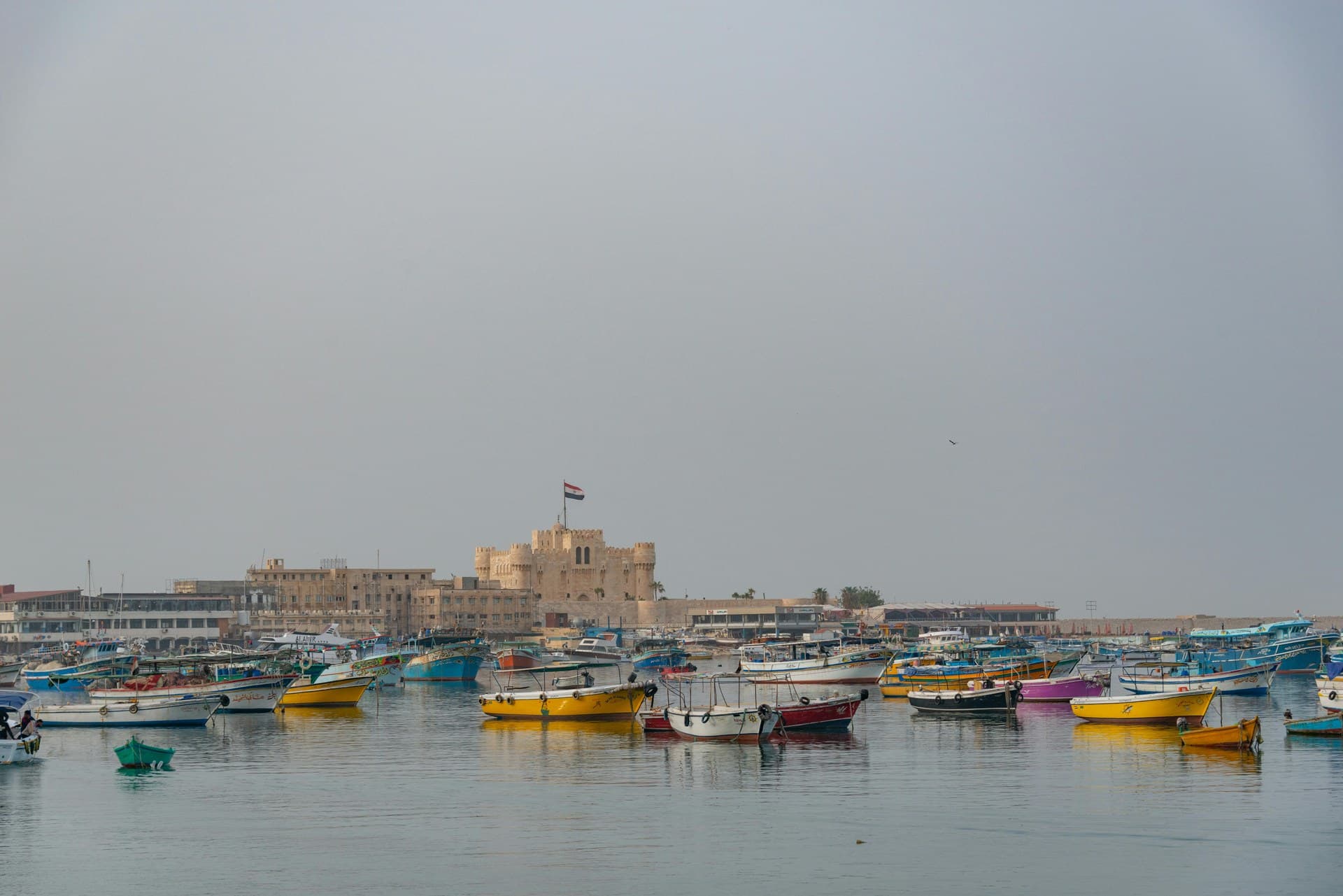
Qaitbay Citadel stands at the tip of a breakwater at the entrance to Alexandria's eastern harbour, surrounded by sea on three sides. It is the city's defining image.

It occupies the exact site of the Pharos of Alexandria — the lighthouse that was one of the seven wonders of the ancient world.

Why visit The Citadel of Qaitbay

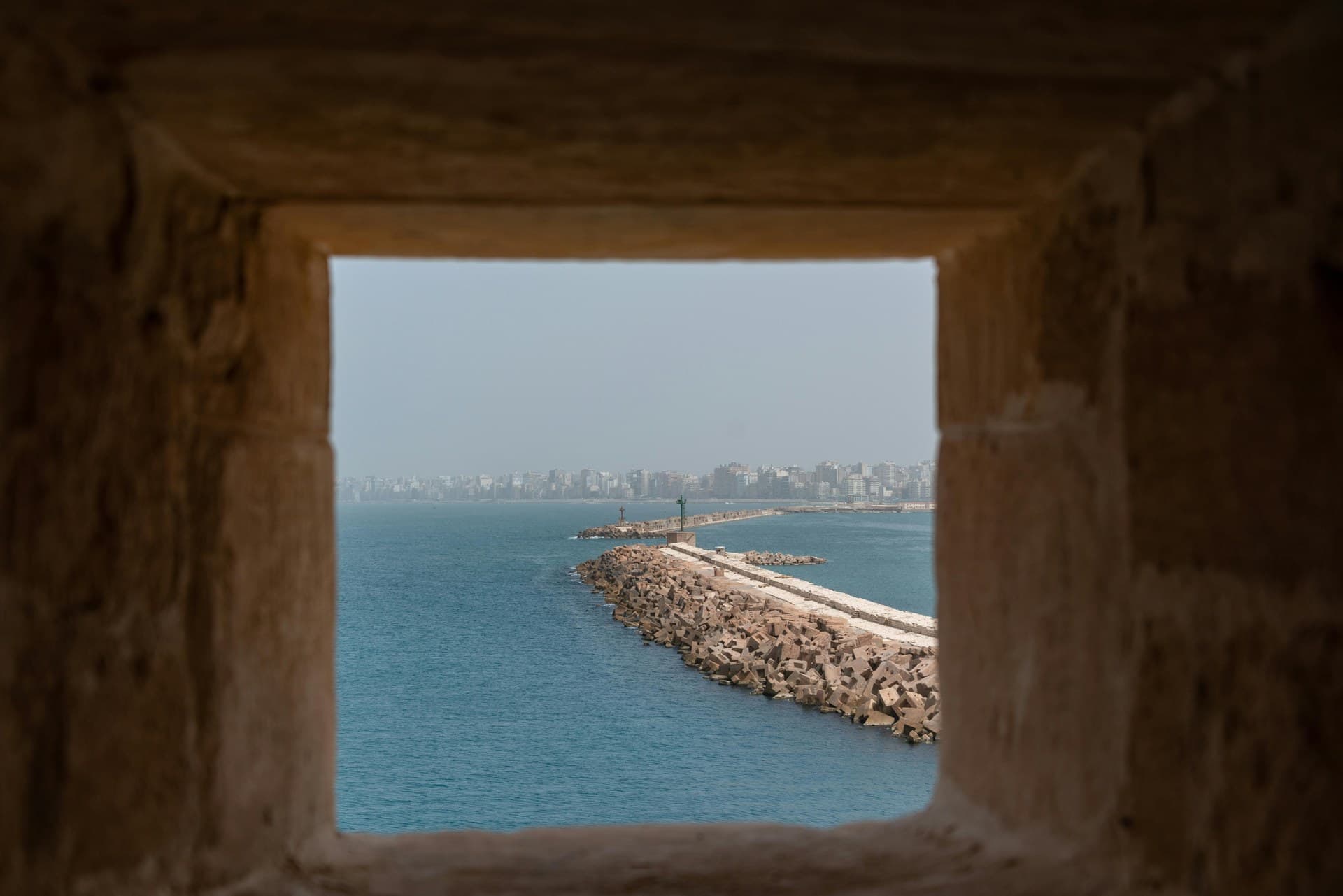
The location is superb. Sea on three sides, the whole curve of the Corniche visible from the ramparts, fishing boats working around the breakwater, and wind coming straight off the Mediterranean. After the heat of Upper Egypt it is a genuine change of climate.

The lighthouse connection is real, not marketing. The Pharos stood here for well over a thousand years before earthquakes brought it down, and when Sultan Qaitbay built his fort in the 1480s he used the fallen material. Large blocks and red granite columns in the walls are widely accepted as lighthouse stone.

More of the Pharos is in the water. Underwater surveys in the harbour have mapped a large field of blocks, columns and statuary, some of it lighthouse debris and some from the sunken royal quarter. Diving on it is possible with local operators.

The fort itself is compact and easy to walk, with a small naval museum inside.
History of The Citadel of Qaitbay

The Pharos of Alexandria was built in the third century BC under Ptolemy II, stood over a hundred metres high, and remained one of the tallest structures in the world for centuries. A series of earthquakes between the tenth and fourteenth centuries brought it down.

Sultan Al-Ashraf Qaitbay built the fortress on the ruins in the 1480s as part of a chain of coastal defences against Ottoman expansion, using the fallen stone that was lying on the site. Granite columns and large blocks that almost certainly came from the lighthouse are visible in the walls.

The fort was damaged by the British naval bombardment of Alexandria in 1882, which also destroyed much of the surrounding city, and it has been restored several times since.

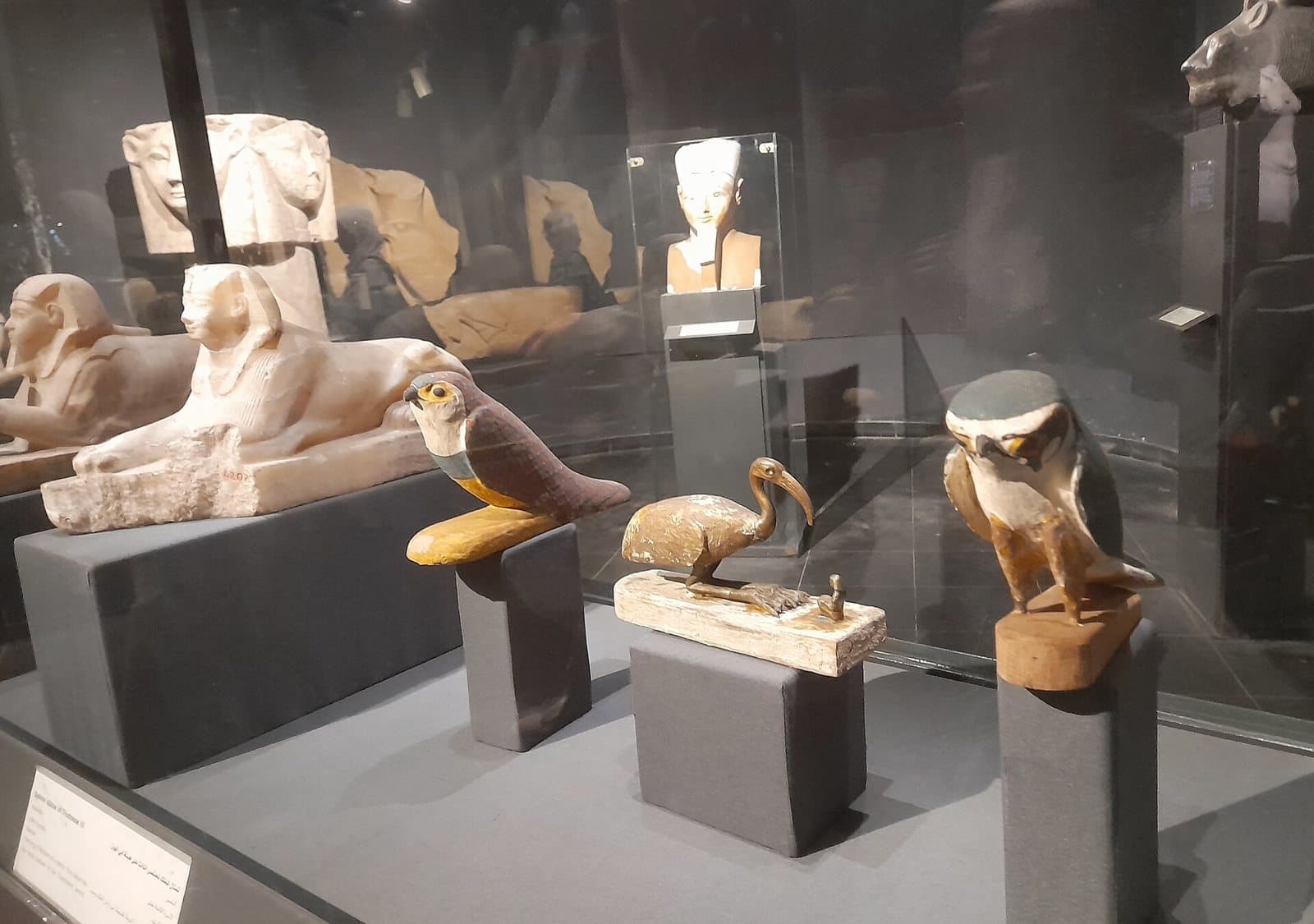
Since the 1990s underwater archaeology in the eastern harbour has recovered columns, sphinxes and colossal statuary from the seabed just off the fort — including blocks believed to be from the Pharos itself. Some of that material is now displayed on land; a good deal of it is still down there.

What to see at The Citadel of Qaitbay

  • The seaward ramparts and the view back along the Corniche
  • Re-used granite blocks and columns in the walls, believed to come from the Pharos
  • The mosque within the keep, one of the oldest surviving in Alexandria
  • The naval museum inside the fort
  • The fishing harbour immediately beside it, still working
  • The position itself — you are standing on the footprint of one of the seven wonders
  • The Mediterranean breaking against the breakwater on a windy day
  • The evening crowd on the Corniche, which is Alexandria at its most itself

Best time to visit The Citadel of Qaitbay

Late afternoon, spring or autumn

Opening Hours and Tickets

Opening hours: Daytime hours.

A single admission ticket at the gate.

Opening hours and ticket prices may change. Please confirm the latest details before visiting.

How to get to The Citadel of Qaitbay

At the western end of the eastern harbour in Alexandria, on its own breakwater. A short taxi ride along the Corniche from the city centre.

Nearby Attractions

Tours that include The Citadel of Qaitbay

Egypt and Jordan Itinerary 7 Days

Egypt and Jordan Itinerary 7 Days

Embark on an extraordinary 7-day adventure through two of the world’s most captivating destinations—Egypt and Jordan. Witness the timeless grandeur of the Pyramids of Giza, explore the treasures of the Grand Egyptian Museum, and wander through the ancient streets of Old Cairo. Then, cross into Jordan to marvel at the rose-red city of Petra, float in the mineral-rich waters of the Dead Sea, and stand atop Mount Nebo where history and faith intertwine. This journey blends cultural discovery, historical exploration, and modern comfort into one unforgettable experience.

Best 6 Days Egypt Itinerary

Best 6 Days Egypt Itinerary

Experience the timeless beauty of Egypt on this 6-day adventure through its most iconic destinations. Begin in Cairo with a guided exploration of the Pyramids of Giza, the enigmatic Sphinx, and the remarkable Grand Egyptian Museum. Continue to Luxor to uncover the grandeur of the East and West Banks, including the magnificent Karnak and Luxor Temples, the Valley of the Kings, and the Temple of Queen Hatshepsut. Conclude your journey in Aswan, where you’ll visit the serene Philae Temple, the impressive High Dam, and immerse yourself in the colorful culture of a Nubian Village.

08 Days Dubai and Egypt Vacation Package

08 Days Dubai and Egypt Vacation Package

Embark on an extraordinary 8-day adventure that blends the timeless heritage of Egypt with the futuristic allure of Dubai. Begin your exploration in Cairo, where the Great Pyramids of Giza, the Grand Egyptian Museum, and the Egyptian Museum reveal the splendor of ancient civilization. Then, fly to Dubai to experience a city that harmoniously merges tradition and innovation — from its historic souks and cultural landmarks to its glittering skyline and desert landscapes. This journey offers a perfect balance of history, luxury, and modern excitement, creating memories that will last a lifetime.

10 Days Egypt and Jordan Tours with Nile Cruise

10 Days Egypt and Jordan Tours with Nile Cruise

Experience the essence of two ancient civilizations on this 10-day Egypt and Jordan tour with a Nile Cruise. Journey through Egypt’s timeless wonders—from the Great Pyramids and the Sphinx to the temples of Luxor and Aswan—while enjoying the serene beauty of the Nile aboard a luxury cruise. Then, cross into Jordan to uncover the rose-red city of Petra, the Roman ruins of Jerash, and the tranquil waters of the Dead Sea. This itinerary blends history, culture, and comfort for travelers seeking an extraordinary adventure across two legendary lands.

15 Days Egypt and Morocco Tour Package

15 Days Egypt and Morocco Tour Package

Embark on a remarkable 15-day adventure that unites the timeless heritage of Egypt with the colorful charm of Morocco. This exclusive itinerary is designed for travelers who seek cultural depth, comfort, and personalized service. Begin your journey in Egypt, where you’ll stand before the Great Pyramids and Sphinx, cruise the Nile aboard a 5-star vessel, and explore the temples of Luxor and Aswan. Then, continue to Morocco to discover the imperial cities of Rabat, Fez, and Marrakech, each offering a unique blend of history, art, and architecture.

7 Days Egypt Tour in December

7 Days Egypt Tour in December

Embark on a 7-day adventure through Egypt during the pleasant month of December, when the weather is mild and the crowds are fewer. Discover the timeless wonders of Cairo, including the Great Pyramids of Giza and the Grand Egyptian Museum, before flying south to Aswan and Luxor. Cruise along the Nile aboard a five-star vessel, visiting ancient temples and marveling at the beauty of Egypt’s landscapes. This journey blends history, culture, and comfort for an unforgettable winter escape.

Travel Tips Before Visiting

It is windy and exposed. That is pleasant in summer and cold in January — bring a layer if you are coming in winter, and expect spray on the seaward side. Come late in the afternoon. The light on the pale stone and the harbour is best then, and it is when Alexandrians are out walking the Corniche. The interior is a series of narrow stone stairs and passages, not step-free, and the upper levels involve tight spiral steps. Manage the expectation before you go in. This is a Mamluk fort, not a Ptolemaic ruin. The wonder is underneath it and out in the water, not standing up. Look down at the rocks on the seaward side. Large worked blocks are visible in the shallows on a calm day, which is the closest most visitors get to the Pharos.