Attraction

Pompey's Pillar

A single column of Aswan granite on a hill of rubble — the last thing standing of the Serapeum, and nothing whatever to do with Pompey.

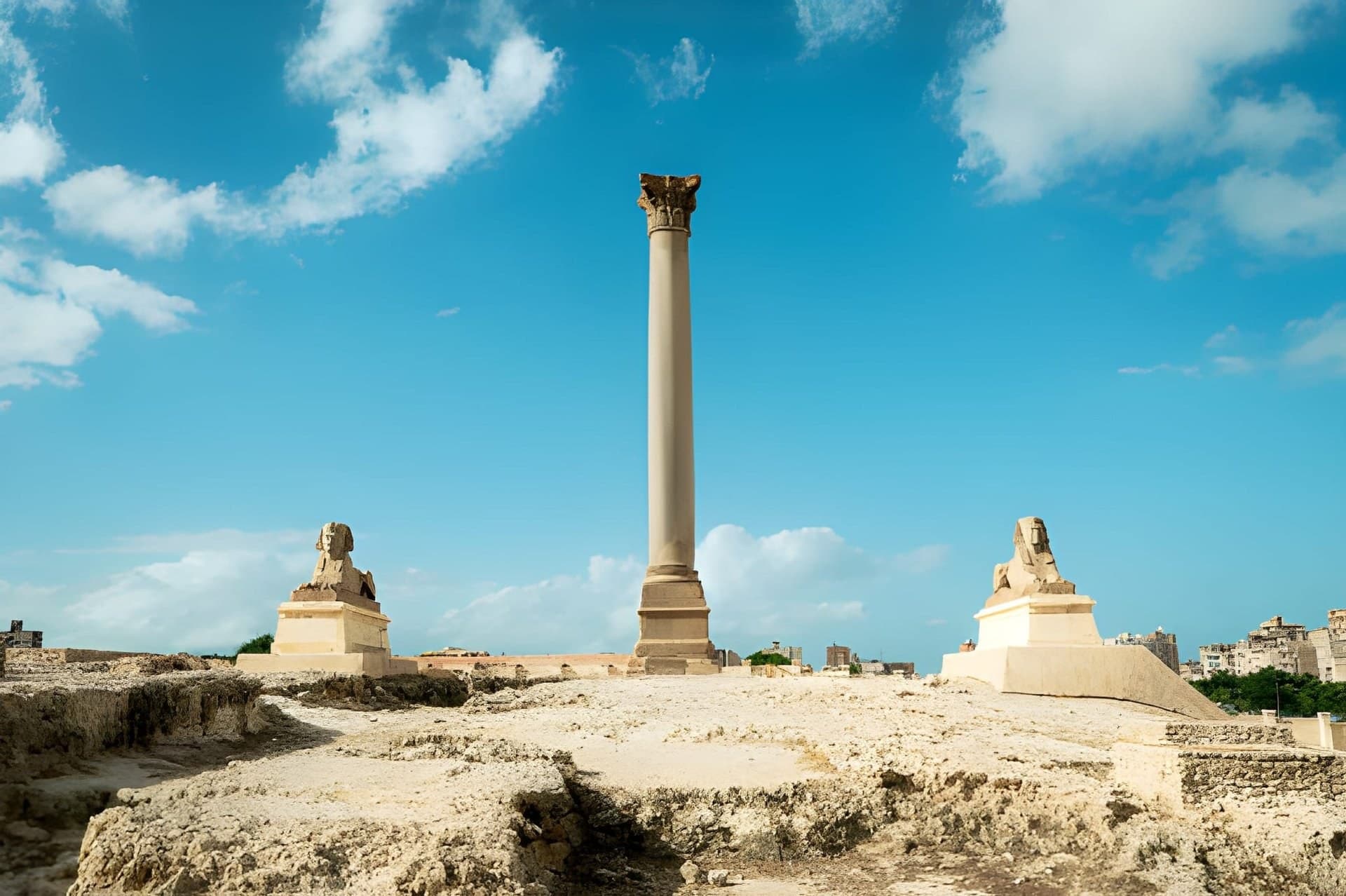
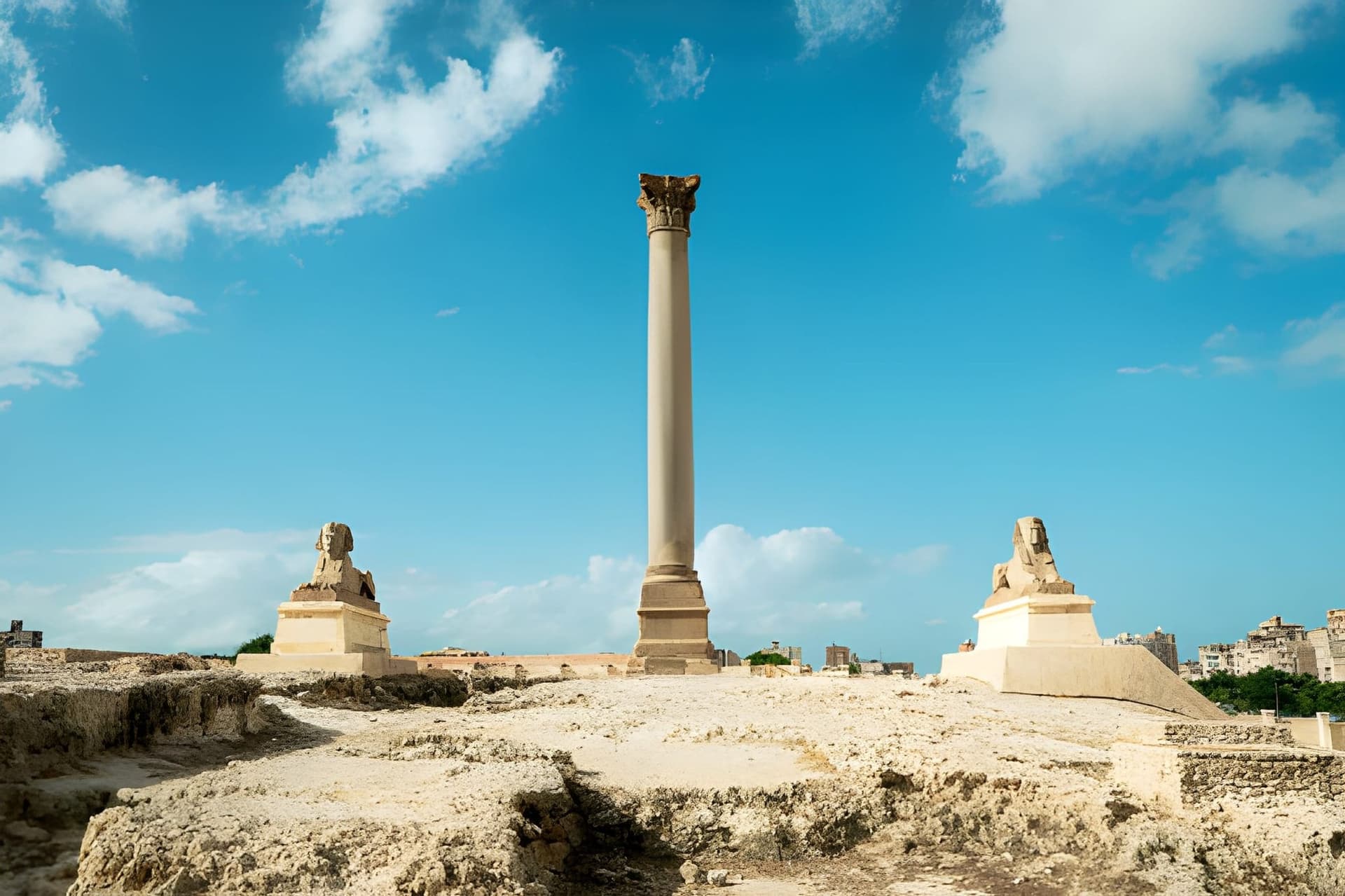
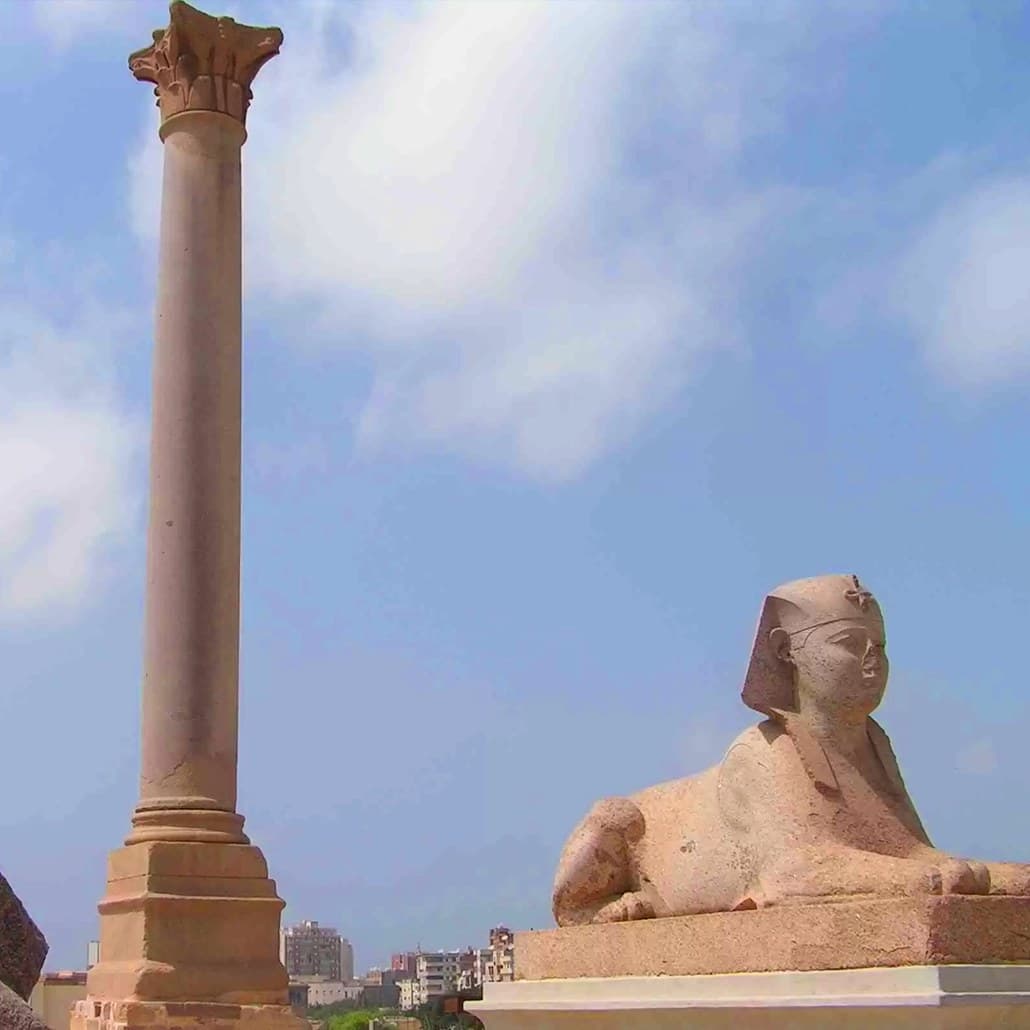
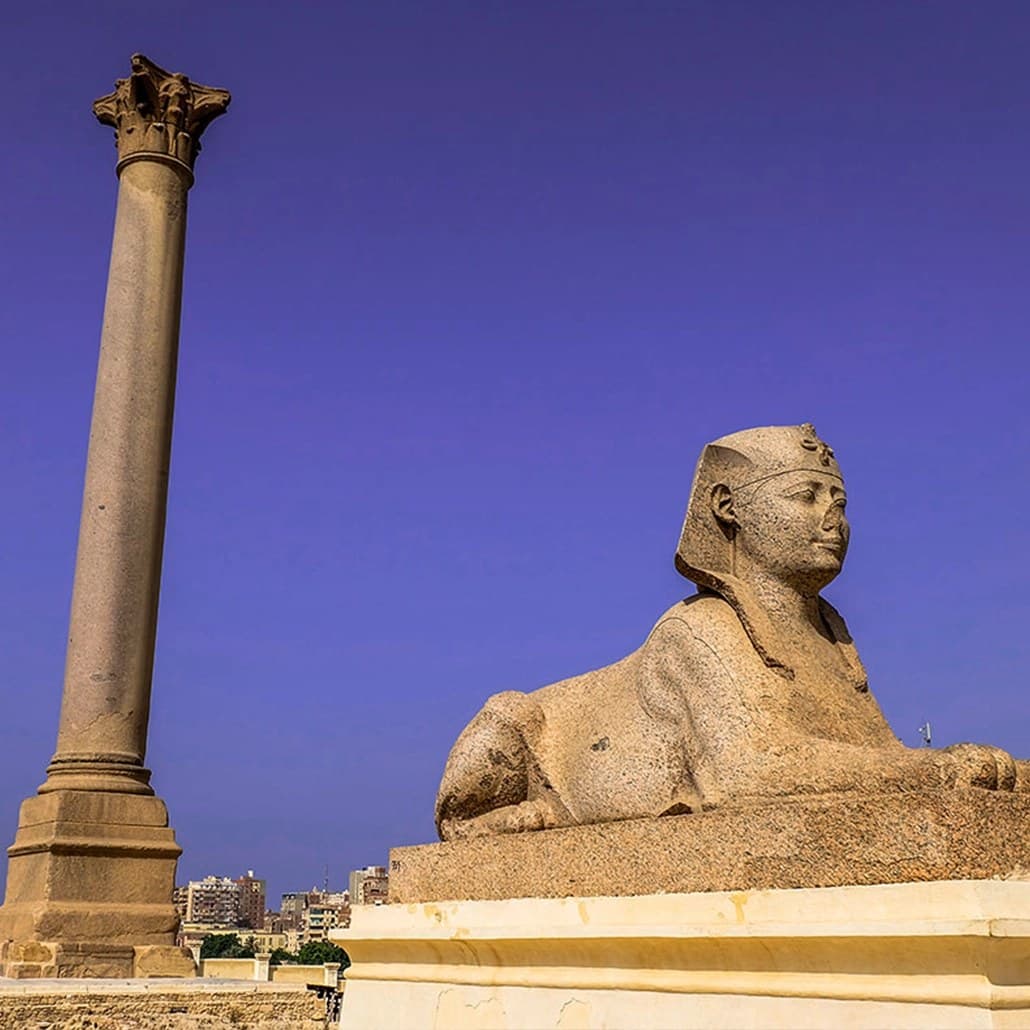
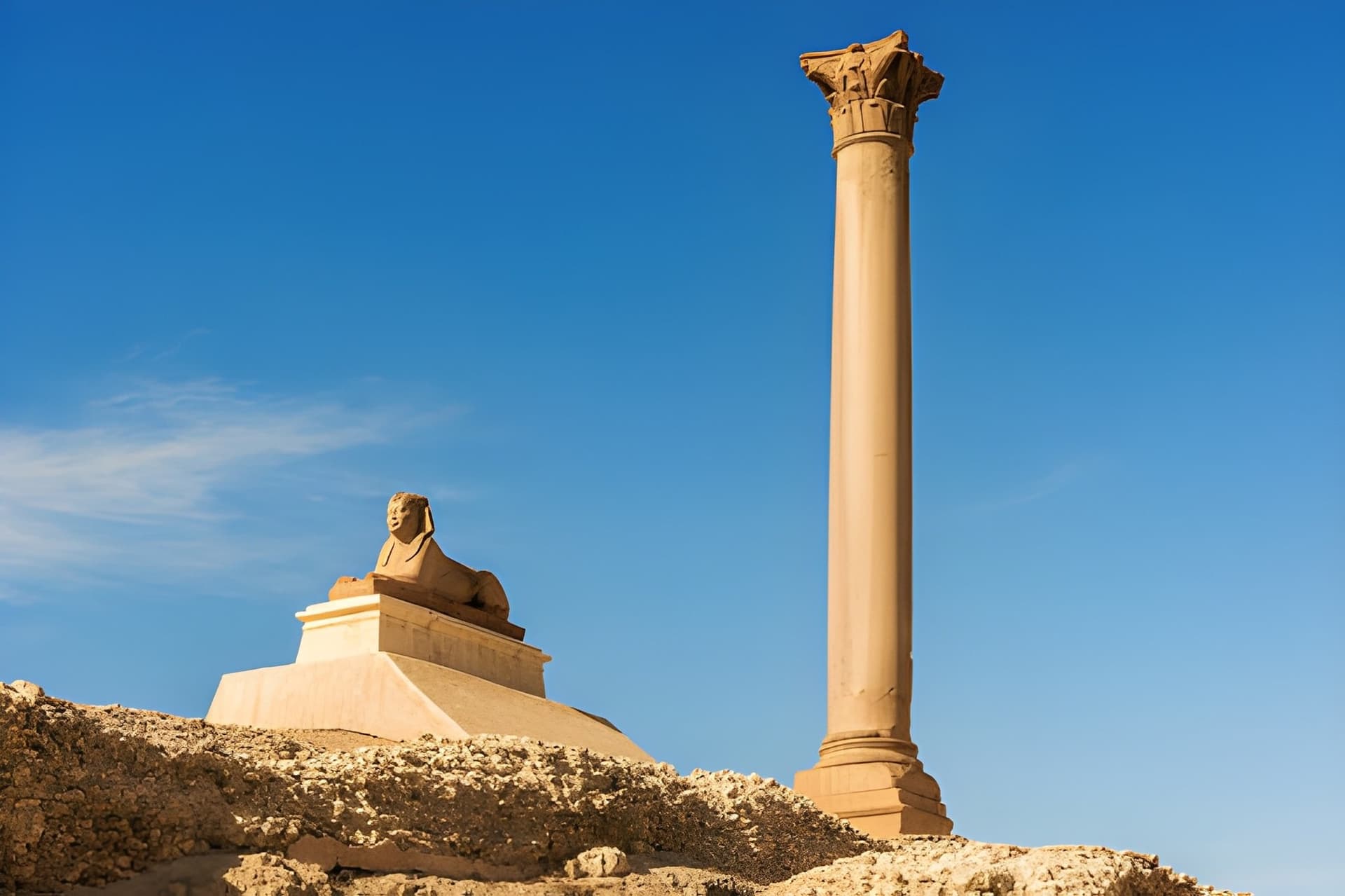
The granite shaft of Pompey's Pillar rising above a sphinx on the ruined Serapeum hill in Alexandria

Overview

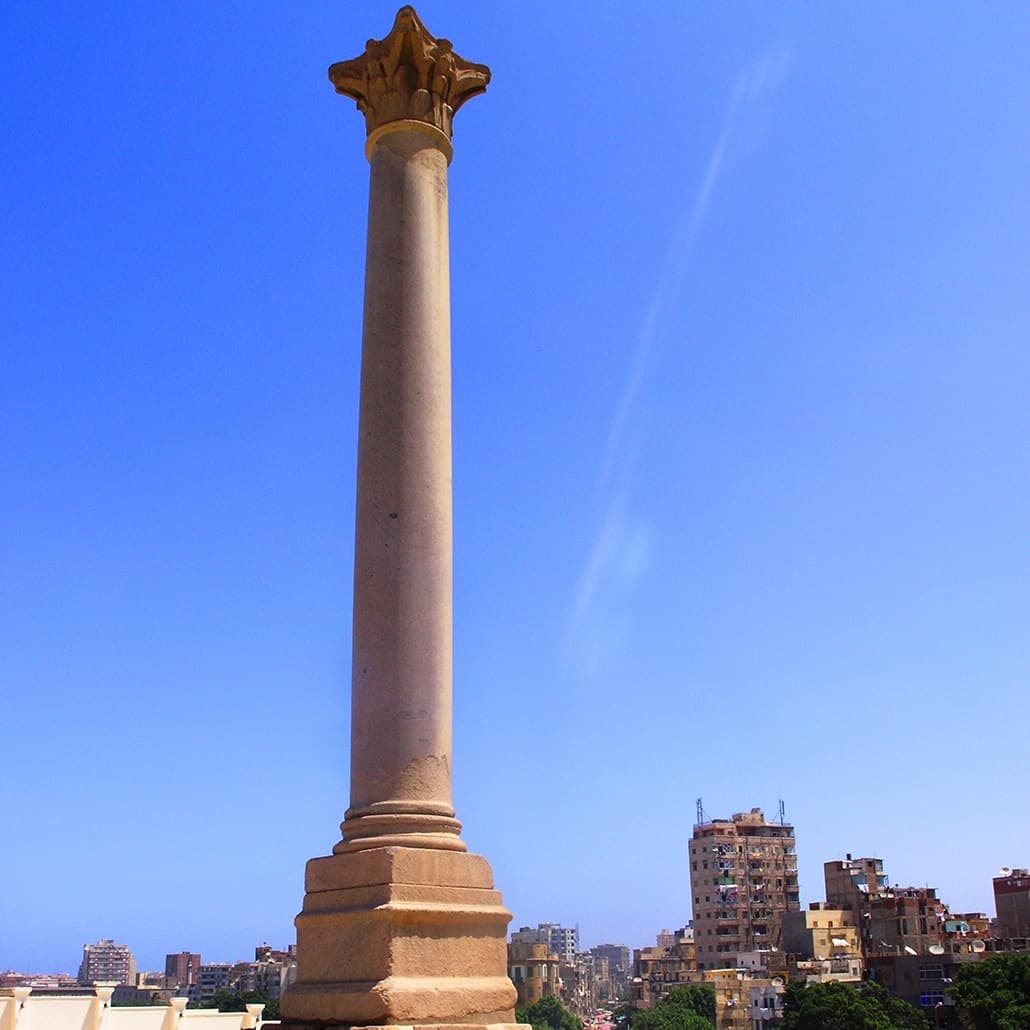
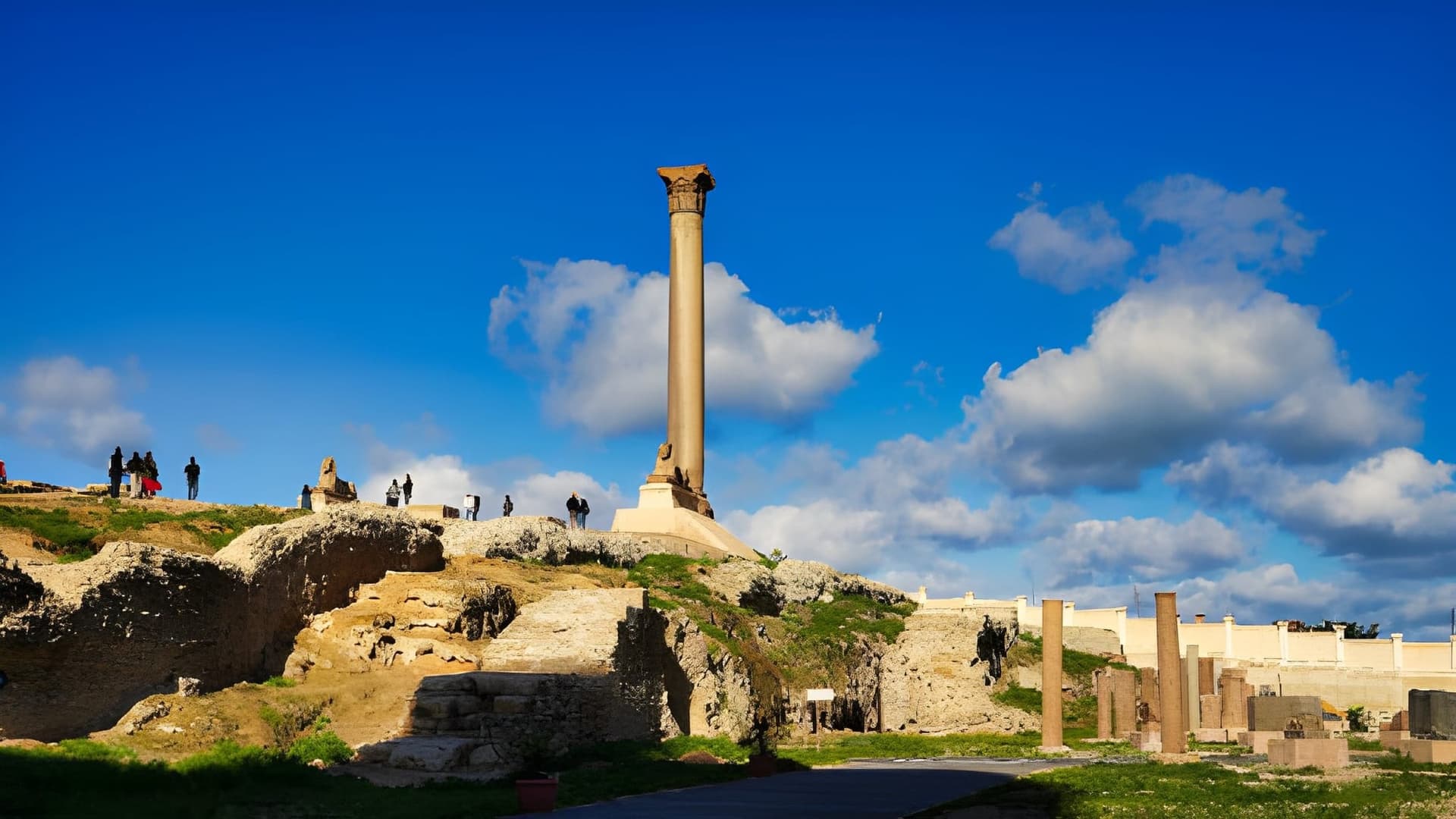
Pompey's Pillar stands on a low hill in the Karmouz district of Alexandria, visible from a long way off across the rooftops. It is a single shaft of red Aswan granite, roughly twenty-seven metres tall with its base and capital.

It is the tallest ancient monolithic column of its kind still standing where it was raised, and it is almost the only thing left of the building it belonged to.

Why visit Pompey's Pillar

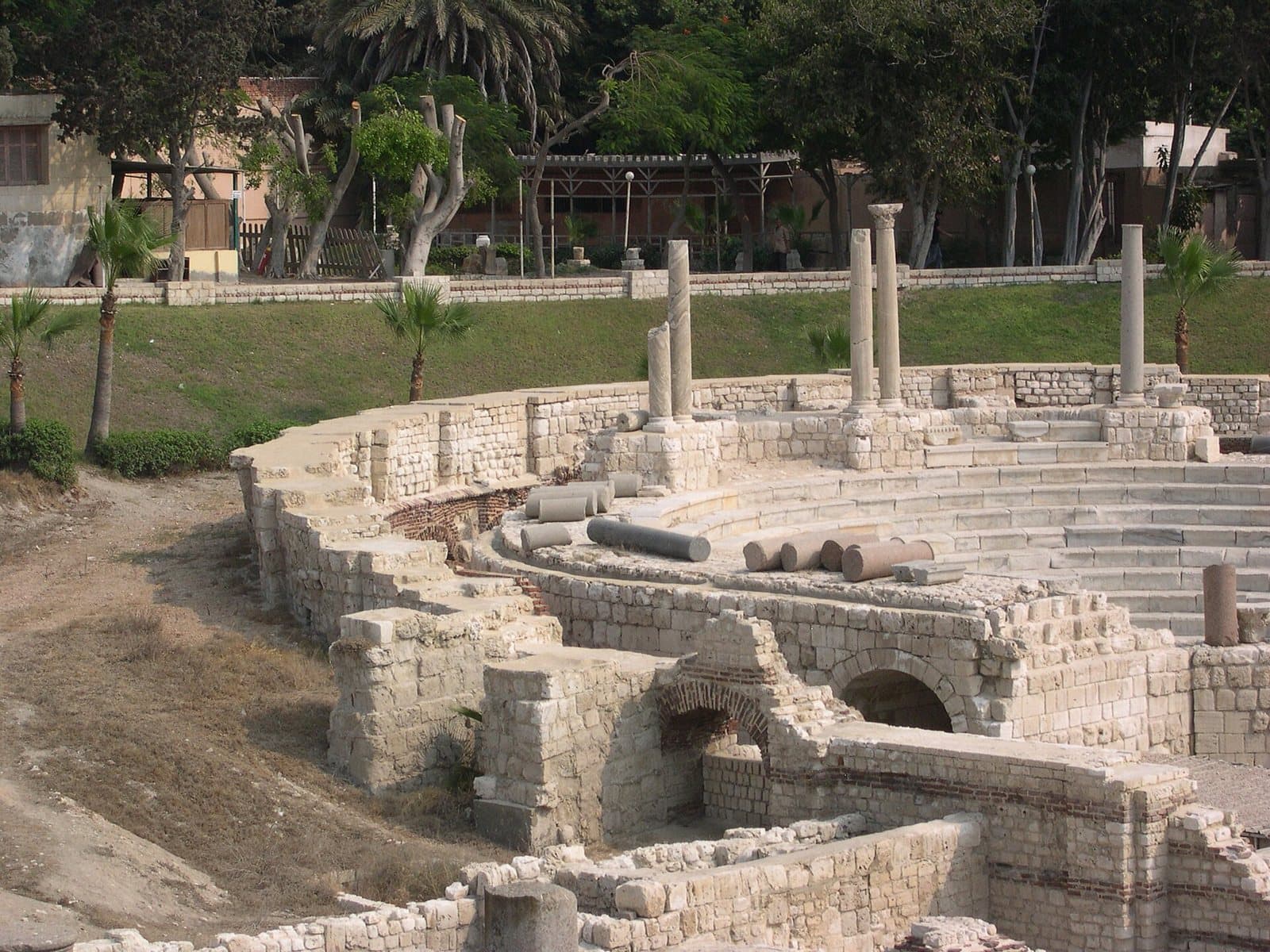
For the scale of what is missing. This hill was the Serapeum, the great temple of Serapis and the religious centre of Greek and Roman Alexandria. It held a daughter collection of the Library of Alexandria. It was destroyed at the end of the fourth century, and what you are standing in is the footprint. One column, two sphinxes and a scatter of granite is what four centuries of the most cosmopolitan city in the ancient world came down to.

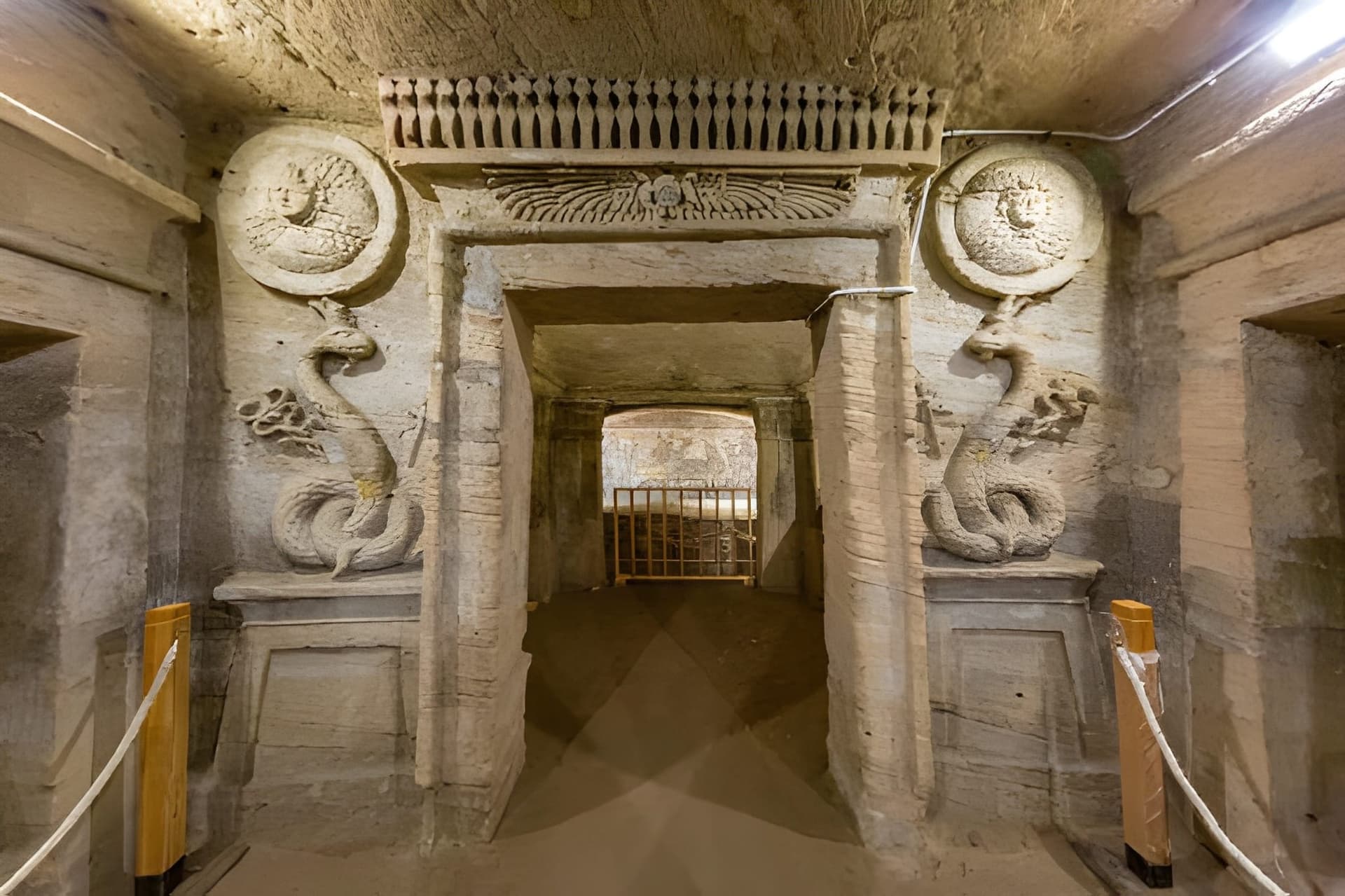
The underground parts are the surprise, and most visitors miss them. There are rock-cut galleries and chambers below the platform, including a Nilometer and passages associated with the sacred Apis bull. You can go down into them.

And the name is a good story in itself. The column has nothing to do with Pompey. Its Greek inscription, on the base, dedicates it to the emperor Diocletian around AD 300. The Pompey name came from medieval visitors who assumed the great general's ashes were in a pot on top of it, and it stuck for eight hundred years.

History of Pompey's Pillar

The Serapeum was founded under the Ptolemies for the cult of Serapis, a deliberately synthetic god combining Egyptian Osiris-Apis with Greek attributes, created to give the city's Greek and Egyptian populations a shared object of worship.

The founder was Ptolemy III Euergetes, who reigned from 246 to 222 BC. Bilingual foundation plaques in Greek and hieroglyphs, recovered when Alan Rowe excavated the hill in the 1940s, record the dedication in his name. The complex was rebuilt on a larger scale in the Roman period.

The column was raised around AD 300, according to the dedication cut into its base, in honour of Diocletian. It has stood on that spot ever since.

In AD 391 the temple was destroyed during the campaign against pagan cults in the city under the patriarch Theophilus. A church was raised on the ruins, and the ground was quarried and built over for centuries afterwards. The hill itself is not a heap of rubble, though: it is the natural rock ridge of old Rhakotis, buried under later occupation debris — which is why the galleries and cisterns beneath the platform could be cut into solid stone. The monument's own Arabic name is Amud el-Sawari, the pillar of columns.

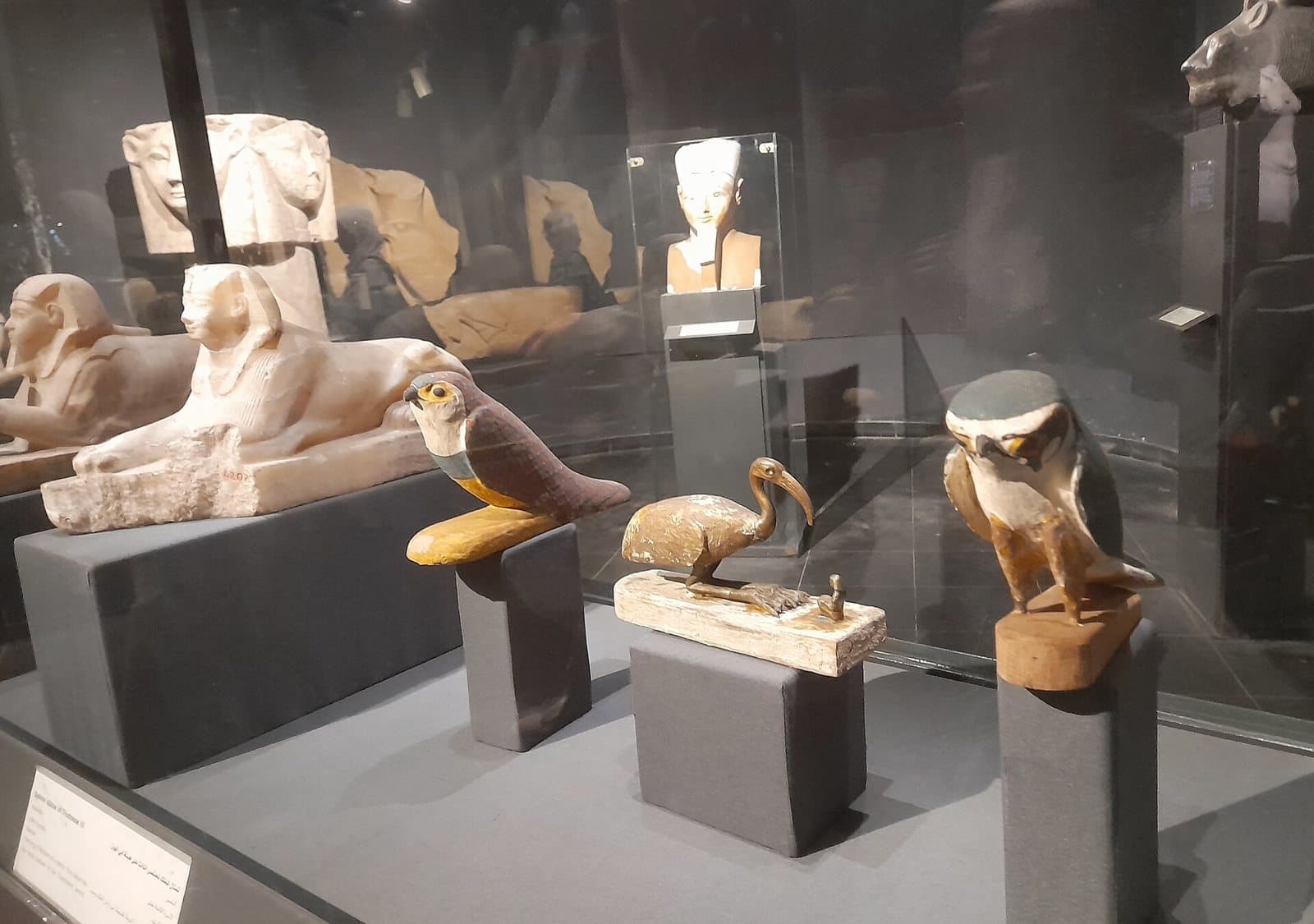
The galleries under the platform were opened up in the 1890s by Giuseppe Botti, the first director of Alexandria's Greco-Roman Museum. What came out of them included a black stone statue of the Apis bull, of Roman date, now in the city's museum collection.
What to see at Pompey's Pillar

  • The column itself, still standing in its original position
  • The Corinthian capital at the top, which is thought to have carried a statue of the emperor
  • Two granite sphinxes on the platform beside it
  • The underground galleries and chambers below the site
  • The nilometer cut into the rock
  • The view across Alexandria's rooftops from the hilltop

Best time to visit Pompey's Pillar

Morning, or late afternoon for the light on the granite. October to May is the comfortable season on the coast.

Opening Hours and Tickets

Opening hours: Daytime hours with seasonal variation.

A single admission ticket at the entrance. Ask whether a combined ticket with the Catacombs of Kom el-Shoqafa is available.

Opening hours and ticket prices may change. Please confirm the latest details before visiting.

How to get to Pompey's Pillar

In the Karmouz district of Alexandria, a short taxi ride from Misr station and walking distance from the Catacombs of Kom el-Shoqafa.

Nearby Attractions

Tours that include Pompey's Pillar

Egypt and Jordan Itinerary 7 Days

Egypt and Jordan Itinerary 7 Days

Embark on an extraordinary 7-day adventure through two of the world’s most captivating destinations—Egypt and Jordan. Witness the timeless grandeur of the Pyramids of Giza, explore the treasures of the Grand Egyptian Museum, and wander through the ancient streets of Old Cairo. Then, cross into Jordan to marvel at the rose-red city of Petra, float in the mineral-rich waters of the Dead Sea, and stand atop Mount Nebo where history and faith intertwine. This journey blends cultural discovery, historical exploration, and modern comfort into one unforgettable experience.

Best 6 Days Egypt Itinerary

Best 6 Days Egypt Itinerary

Experience the timeless beauty of Egypt on this 6-day adventure through its most iconic destinations. Begin in Cairo with a guided exploration of the Pyramids of Giza, the enigmatic Sphinx, and the remarkable Grand Egyptian Museum. Continue to Luxor to uncover the grandeur of the East and West Banks, including the magnificent Karnak and Luxor Temples, the Valley of the Kings, and the Temple of Queen Hatshepsut. Conclude your journey in Aswan, where you’ll visit the serene Philae Temple, the impressive High Dam, and immerse yourself in the colorful culture of a Nubian Village.

08 Days Dubai and Egypt Vacation Package

08 Days Dubai and Egypt Vacation Package

Embark on an extraordinary 8-day adventure that blends the timeless heritage of Egypt with the futuristic allure of Dubai. Begin your exploration in Cairo, where the Great Pyramids of Giza, the Grand Egyptian Museum, and the Egyptian Museum reveal the splendor of ancient civilization. Then, fly to Dubai to experience a city that harmoniously merges tradition and innovation — from its historic souks and cultural landmarks to its glittering skyline and desert landscapes. This journey offers a perfect balance of history, luxury, and modern excitement, creating memories that will last a lifetime.

10 Days Egypt and Jordan Tours with Nile Cruise

10 Days Egypt and Jordan Tours with Nile Cruise

Experience the essence of two ancient civilizations on this 10-day Egypt and Jordan tour with a Nile Cruise. Journey through Egypt’s timeless wonders—from the Great Pyramids and the Sphinx to the temples of Luxor and Aswan—while enjoying the serene beauty of the Nile aboard a luxury cruise. Then, cross into Jordan to uncover the rose-red city of Petra, the Roman ruins of Jerash, and the tranquil waters of the Dead Sea. This itinerary blends history, culture, and comfort for travelers seeking an extraordinary adventure across two legendary lands.

15 Days Egypt and Morocco Tour Package

15 Days Egypt and Morocco Tour Package

Embark on a remarkable 15-day adventure that unites the timeless heritage of Egypt with the colorful charm of Morocco. This exclusive itinerary is designed for travelers who seek cultural depth, comfort, and personalized service. Begin your journey in Egypt, where you’ll stand before the Great Pyramids and Sphinx, cruise the Nile aboard a 5-star vessel, and explore the temples of Luxor and Aswan. Then, continue to Morocco to discover the imperial cities of Rabat, Fez, and Marrakech, each offering a unique blend of history, art, and architecture.

7 Days Egypt Tour in December

7 Days Egypt Tour in December

Embark on a 7-day adventure through Egypt during the pleasant month of December, when the weather is mild and the crowds are fewer. Discover the timeless wonders of Cairo, including the Great Pyramids of Giza and the Grand Egyptian Museum, before flying south to Aswan and Luxor. Cruise along the Nile aboard a five-star vessel, visiting ancient temples and marveling at the beauty of Egypt’s landscapes. This journey blends history, culture, and comfort for an unforgettable winter escape.

Travel Tips Before Visiting

Go underground. Most people photograph the column from the entrance and leave in fifteen minutes. The stairs down into the galleries are the more interesting half of the site. It is open ground with no shade. Fine in winter, hot at midday in summer. Look at the base. The worn Greek dedication on the pedestal is what settles the column's real date and dedicatee — it names Diocletian, not Pompey. Little of it is legible now without raking light, and the pedestal sits well above head height, so go knowing what it says rather than expecting to read it off the stone. Bring a torch for the galleries. Lighting below ground can be patchy, and the rock-cut passages and their stairs are worn and uneven. Shoot it from the low ground. Standing back at the foot of the mound gives the shaft something to measure itself against; from directly underneath it loses its height. Combine it with the catacombs. Kom el-Shoqafa is a few minutes away in the same district.