Attraction

The Nubia Museum, Aswan

Aswan's museum of Nubian history, opened in 1997 with more than 3,000 pieces, and the place that explains why Philae, Kalabsha and Abu Simbel were moved.

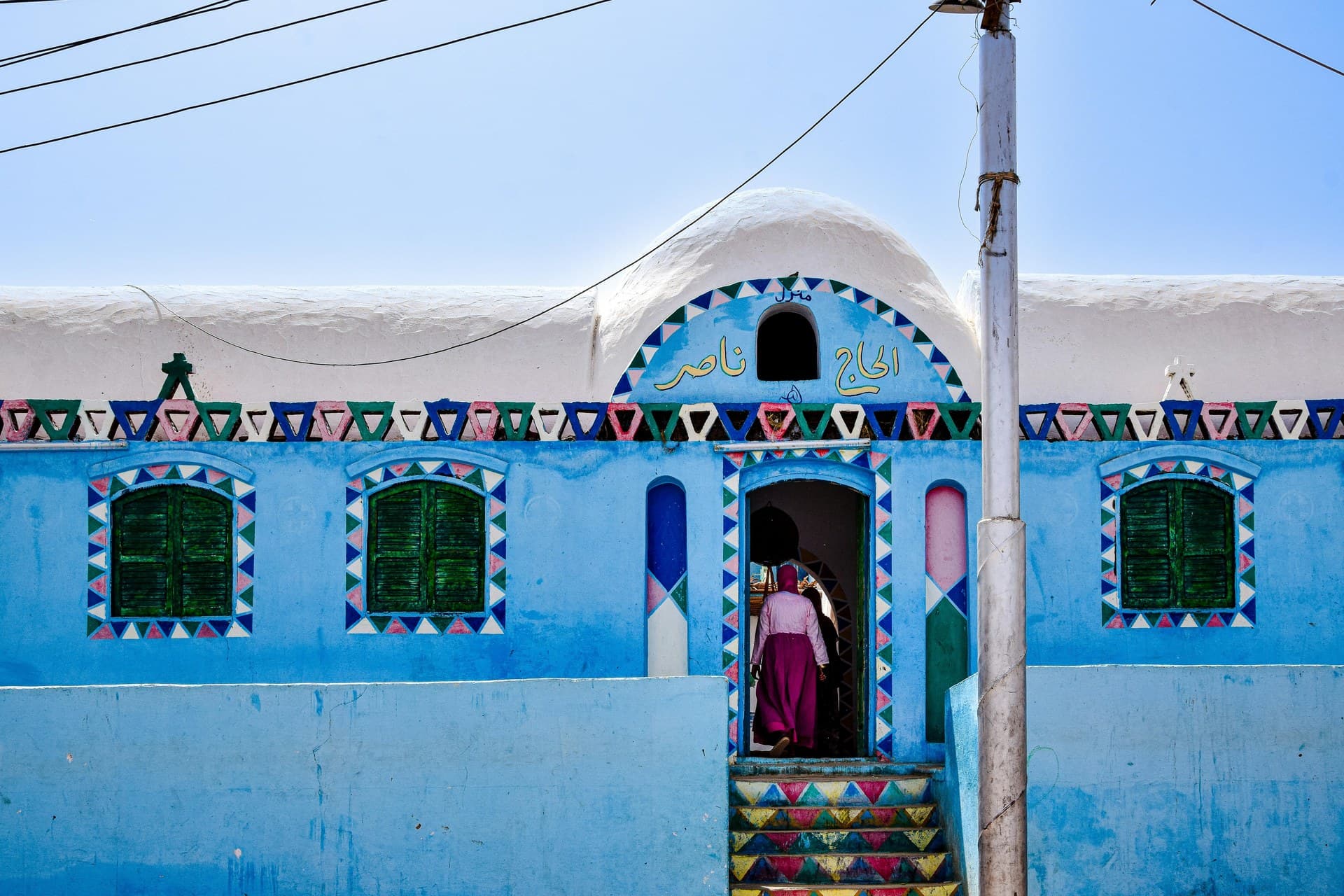
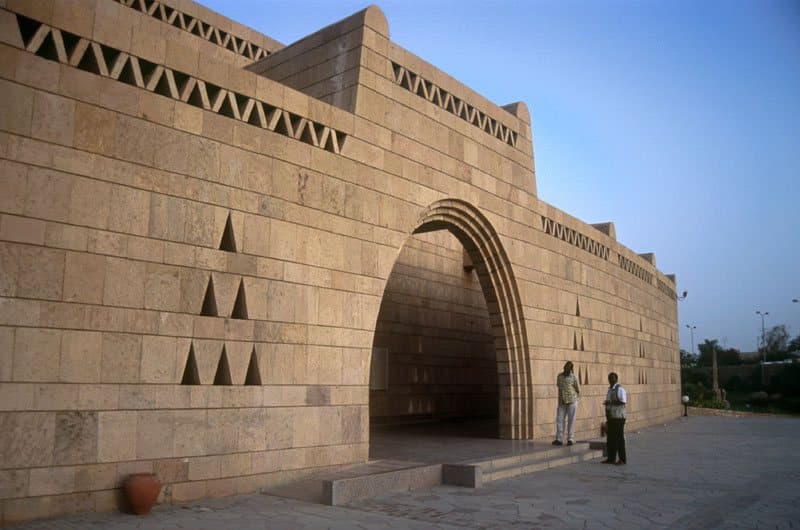
The sandstone entrance of the Nubia Museum in Aswan, with a deep arched doorway, triangular window openings and two visitors at the door

Overview

The Nubia Museum is in Aswan and tells the story of Nubia, the stretch of the Nile valley south of Aswan that now lies largely under Lake Nasser. It was formally opened on 23 November 1997, and its collection is usually given as more than 3,000 pieces.

The museum grew out of the UNESCO international campaign to save the monuments of Nubia, which began in 1960 at Egypt's request as the High Dam was planned. The building, designed by the Egyptian architect Mahmoud El-Hakim, received the Aga Khan Award for Architecture in 2001, according to the Ministry of Tourism and Antiquities.
Why visit The Nubia Museum, Aswan

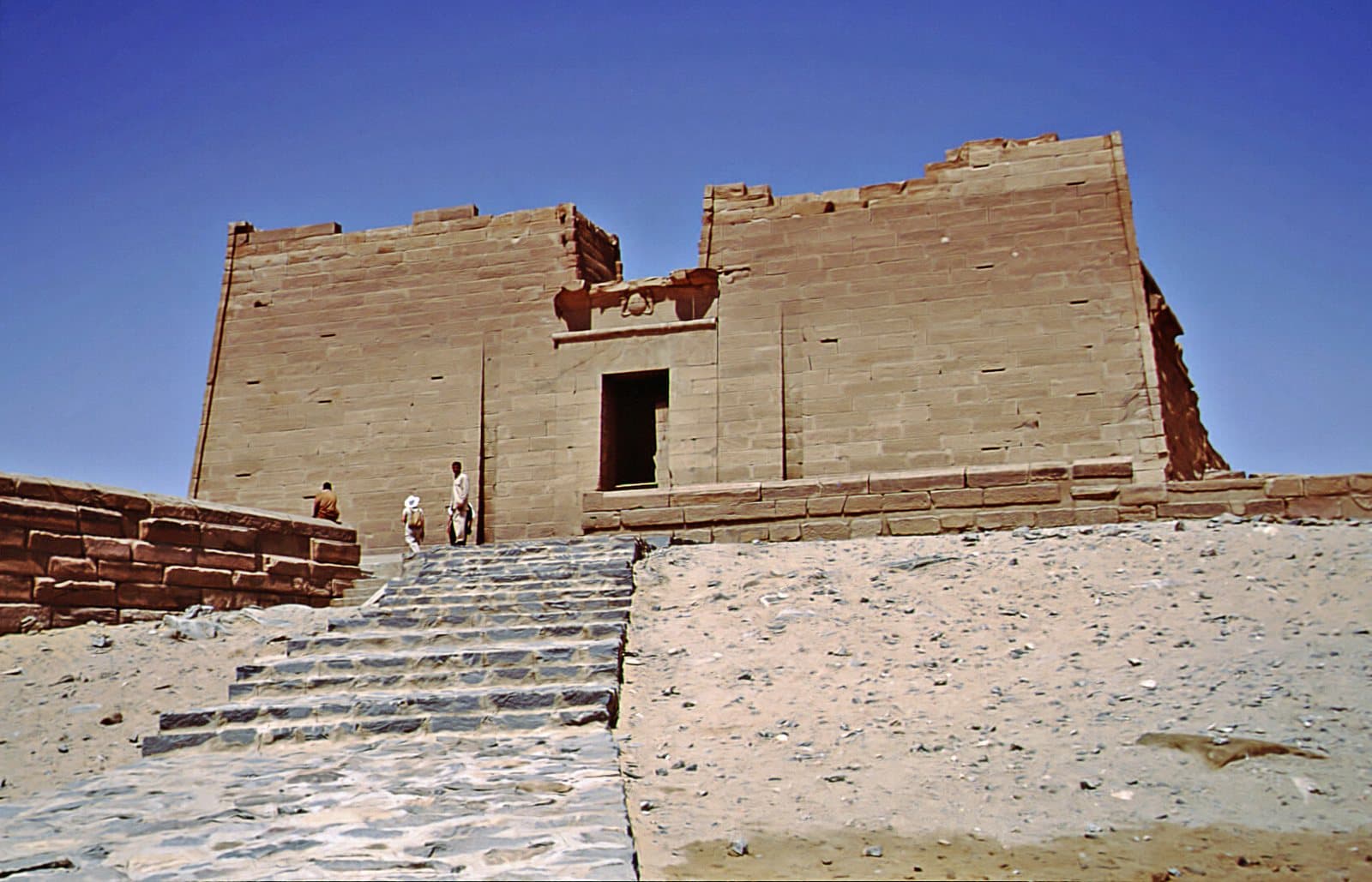
It gives context to what you see elsewhere on an Aswan trip. Philae, Kalabsha and Abu Simbel are all monuments that were moved to save them from the rising water, and this is the museum built out of that rescue effort.

It covers the people as well as the monuments. Nubia has its own long history and culture, and the collection ranges across the periods of that history rather than treating Nubia only as a place the pharaohs passed through.

It is indoors, which makes it a sensible slot in the middle of an Aswan day when the open-air sites are at their hottest.

History of The Nubia Museum, Aswan

When the High Dam was built in the 1960s, the water that formed Lake Nasser covered much of Lower Nubia. Egypt asked UNESCO for help in 1960, and the resulting campaign moved temples including Abu Simbel and Philae and relocated Kalabsha, among others.

The Nubia Museum was conceived as part of that legacy. It opened in 1997, and the Ministry of Tourism and Antiquities lists its architecture award in 2001 among its distinctions.

What to see at The Nubia Museum, Aswan

  • More than 3,000 pieces from the periods of Nubian history
  • The link to the UNESCO campaign that moved Philae, Kalabsha and Abu Simbel
  • A building that won the Aga Khan Award for Architecture in 2001
  • An indoor stop in the middle of an Aswan day

Best time to visit The Nubia Museum, Aswan

Midday, when the open-air sites are at their hottest, is a good time for an indoor museum.

Opening Hours and Tickets

Opening hours: Daily 09:00 to 17:00, last entry 16:00. Ministry portals, checked 13 August 2026. Hours change, so confirm before you go.

Ministry ticketing portal, checked 13 August 2026: foreign adult EGP 400 and foreign student EGP 200. Ticket prices at Egyptian museums are revised often, so confirm on the day.

Opening hours and ticket prices may change. Please confirm the latest details before visiting.

How to get to The Nubia Museum, Aswan

In Aswan, near the Nile. Most visitors reach it by taxi or as part of an Aswan sightseeing tour. Ask for 'the Nubian Museum' or 'the Nubia Museum'.

Nearby Attractions

Tours that include The Nubia Museum, Aswan

Luxury Cairo, Luxor and Aswan Package

Luxury Cairo, Luxor and Aswan Package

An upscale private journey that combines Cairo highlights, a polished Luxor stay, and a refined Aswan finish.

09 Days Egypt and Nubia Tour

09 Days Egypt and Nubia Tour

Experience an extraordinary 9-day expedition through the heart of Egypt and Nubia, where ancient history and vibrant culture intertwine. Begin in Cairo, home to the timeless pyramids and the Grand Egyptian Museum, then journey south to Luxor and Aswan to uncover the temples, tombs, and treasures of the pharaohs. Sail along the Nile aboard a deluxe cruise, visit the awe-inspiring Abu Simbel temples, and immerse yourself in the warmth and traditions of the Nubian people. This journey offers a perfect blend of discovery, relaxation, and cultural connection.

4 Night Luxor to Aswan Nile Cruise

4 Night Luxor to Aswan Nile Cruise

A classic Nile cruise itinerary with temple visits, river views, and a comfortable four-night rhythm.

4-Day Nile Cruise from Aswan to Luxor

4-Day Nile Cruise from Aswan to Luxor

Set sail on a captivating 4-day Nile cruise from Aswan to Luxor, where the ancient world unfolds before your eyes. Journey along the legendary Nile River and uncover Egypt’s most iconic temples and monuments. Begin in Aswan with visits to the High Dam and the enchanting Philae Temple, then continue to Kom Ombo and Edfu to explore magnificent sanctuaries dedicated to ancient gods. As you sail northward, reach Luxor—the open-air museum of Egypt—home to the grand Karnak and Luxor Temples and the royal tombs of the Valley of the Kings.

4 Day 3 Night Nile Cruise from Aswan to Luxor

4 Day 3 Night Nile Cruise from Aswan to Luxor

Set sail on a remarkable 4-day, 3-night Nile cruise from Aswan to Luxor, where the grandeur of ancient Egypt unfolds before your eyes. Journey along the legendary Nile River aboard a comfortable cruise ship, visiting some of the most iconic archaeological sites in the world. Discover the enchanting Temple of Philae in Aswan, the twin sanctuaries of Kom Ombo, and the magnificent Temple of Horus in Edfu.

Day Tour in Aswan (Unfinished Obelisk, High Dam, and Philae Temple)

Day Tour in Aswan (Unfinished Obelisk, High Dam, and Philae Temple)

Uncover the beauty and history of southern Egypt on this immersive Aswan day excursion. Begin your journey at the impressive High Dam, a modern engineering achievement that reshaped Egypt’s landscape and created the vast Lake Nasser. Continue to the ancient granite quarries to witness the Unfinished Obelisk, an enormous monument that reveals the remarkable stone-carving skills of ancient craftsmen.

Travel Tips Before Visiting

Mind the last entry. The ministry portals list the museum as open daily from 09:00 with the last entry at 16:00, an hour before the listed closing time. Visit it before the Nubian temples if you can. It makes Philae and Abu Simbel easier to place, because the museum explains why those monuments now stand where they do. Allow time to read. It is a museum for people who like context, so rushing it in twenty minutes wastes the entry fee.