Attraction

The Nile River

The reason Egypt exists — and, between Luxor and Aswan, still the best way to travel through it.

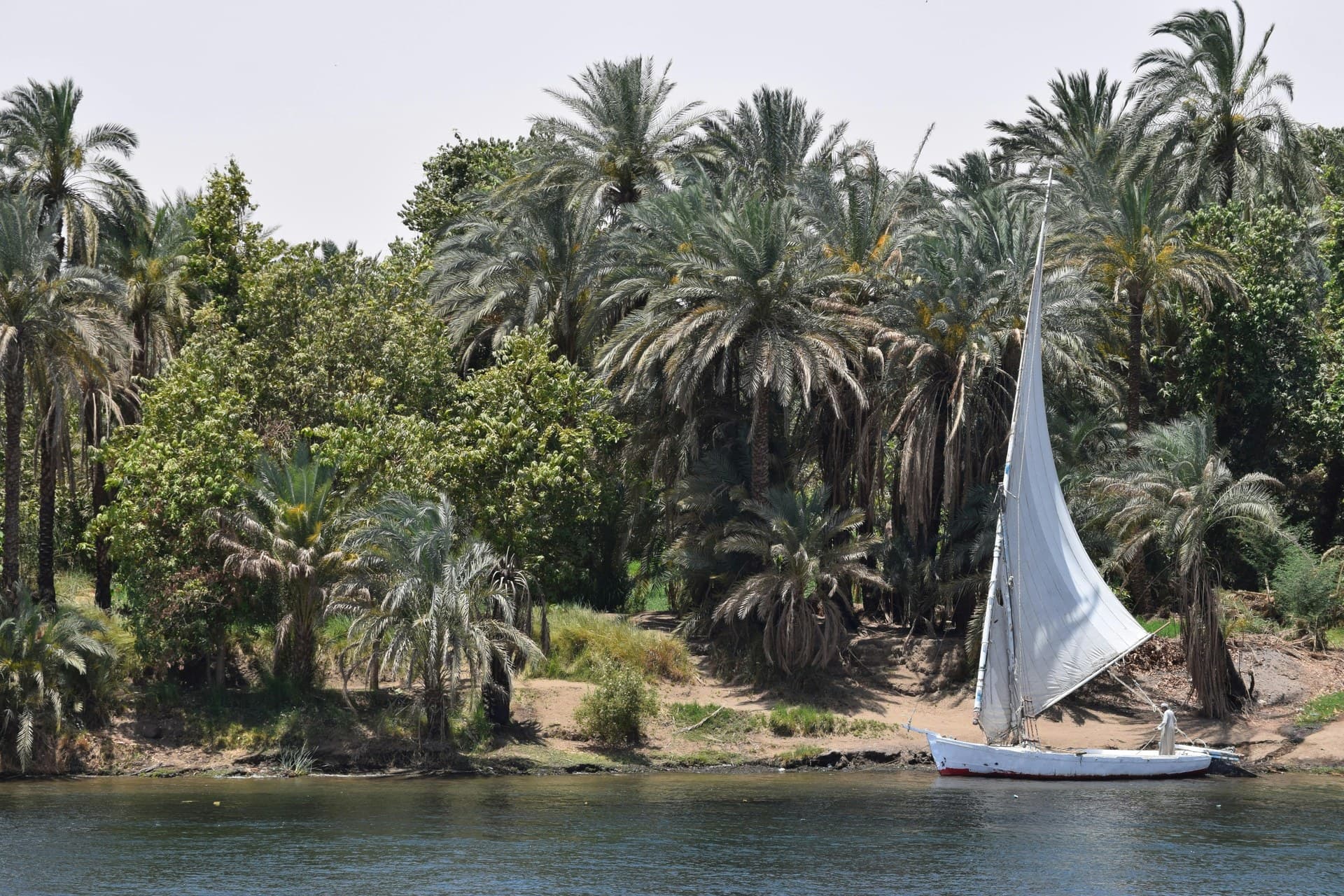
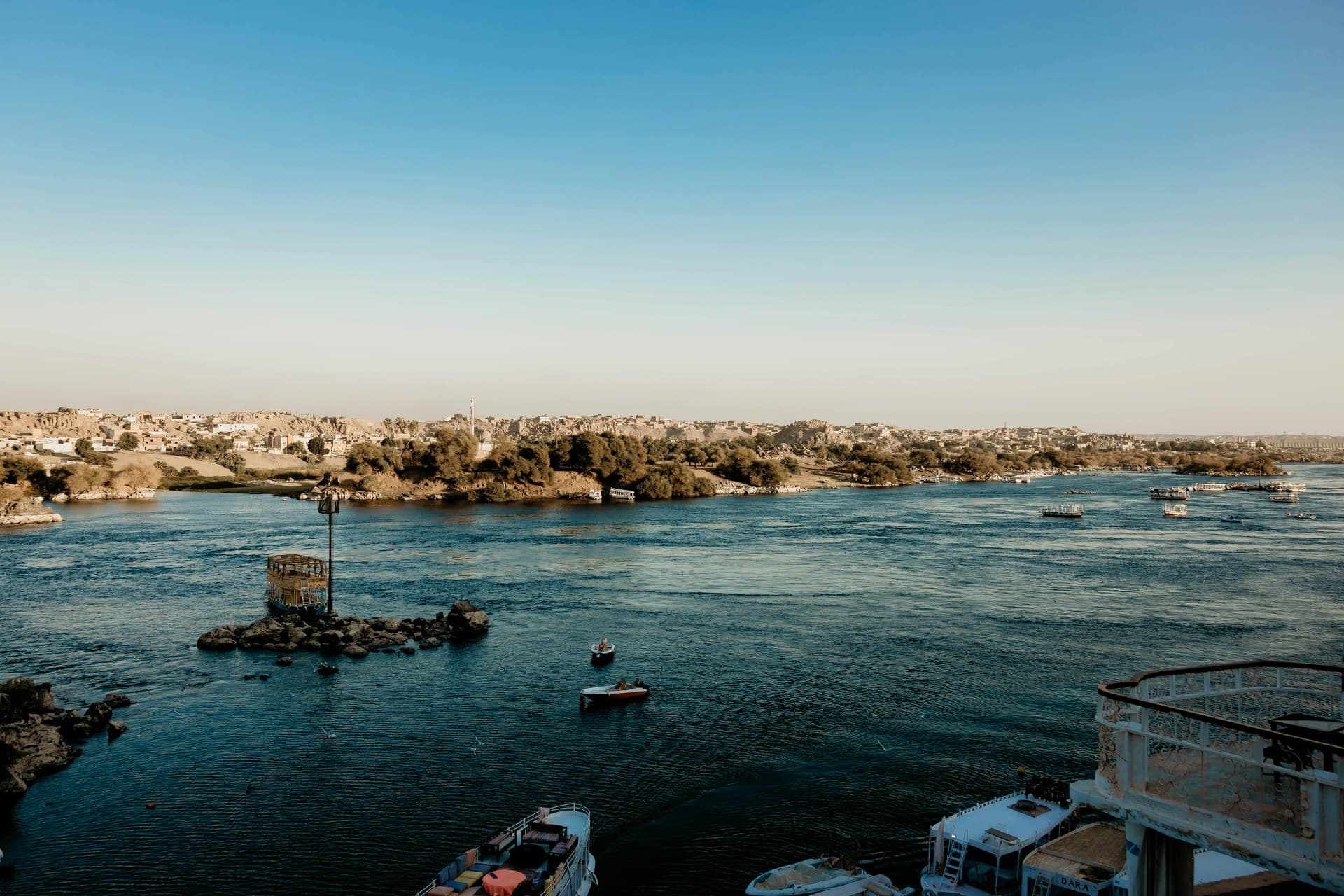
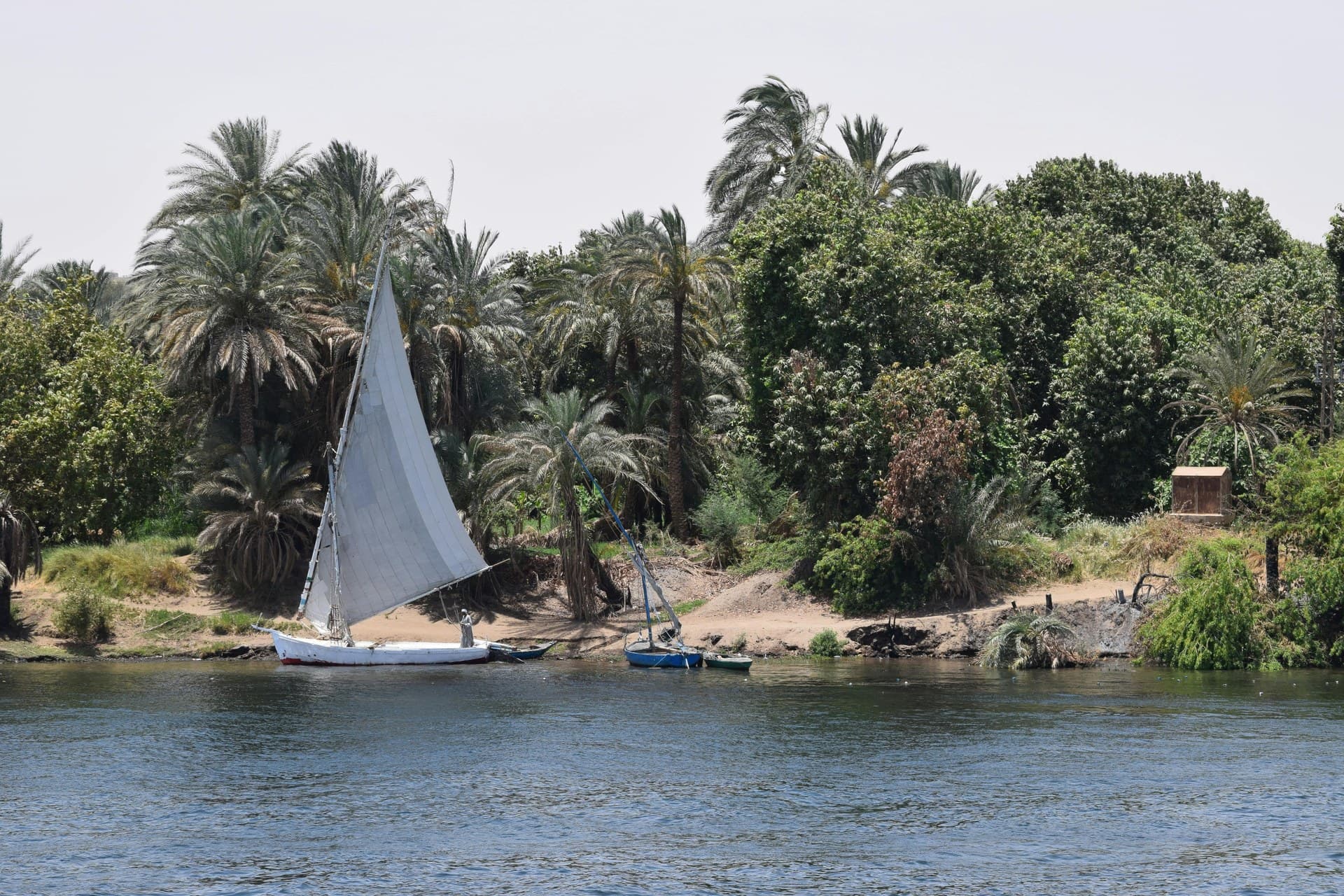
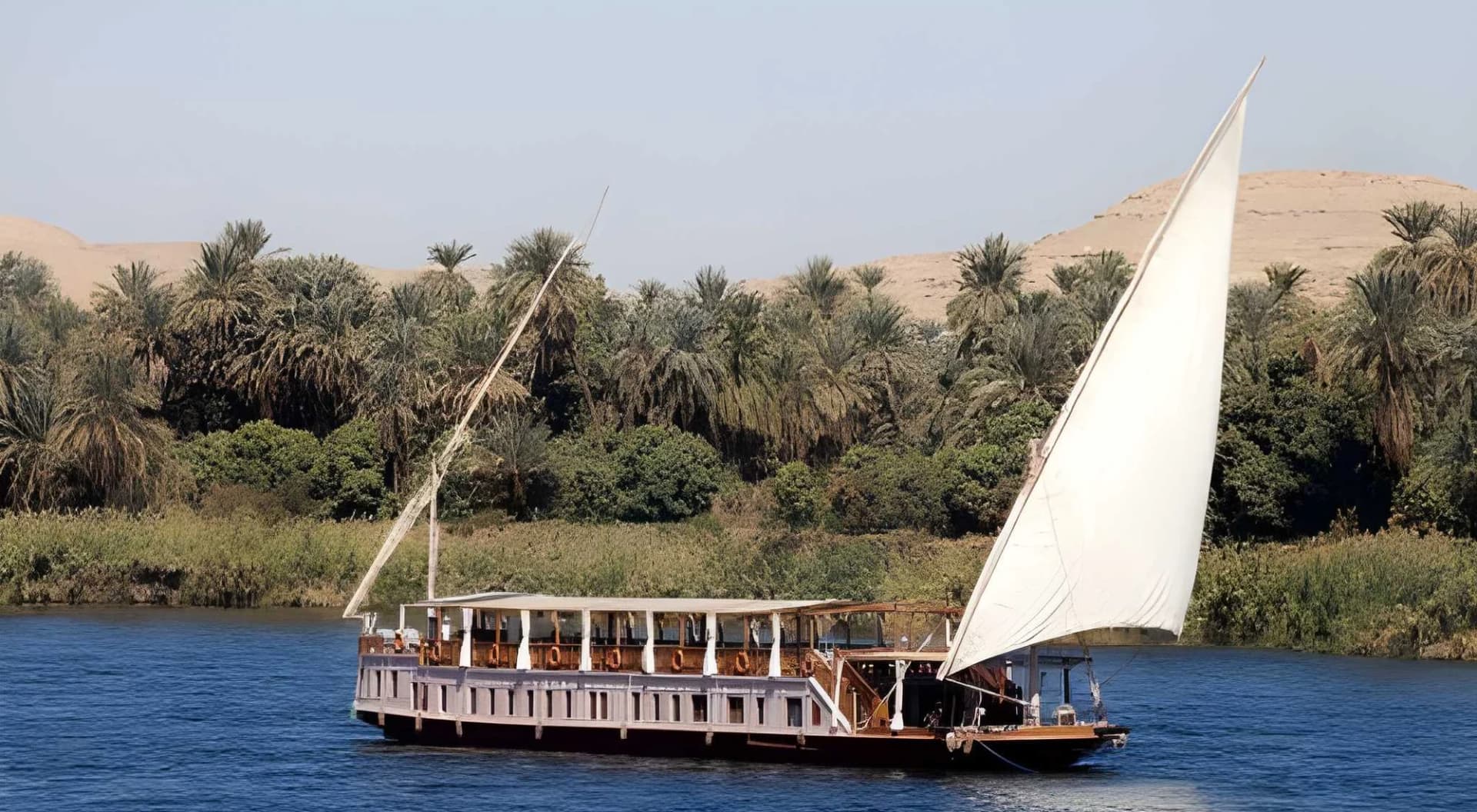
The Nile at dusk with palms along the bank and a felucca sail on the water
RecommendedNatural landmarkNile Valley Temples

Overview

Egypt is a river with a country attached to it. Almost the entire population lives on a strip of green a few kilometres wide either side of the Nile, and everything beyond that strip is desert.

For visitors, the practical version of this is simple: the stretch between Luxor and Aswan is the most rewarding way to move through Egypt, because the temples were built on the bank and the river is still the road.

Why visit The Nile River

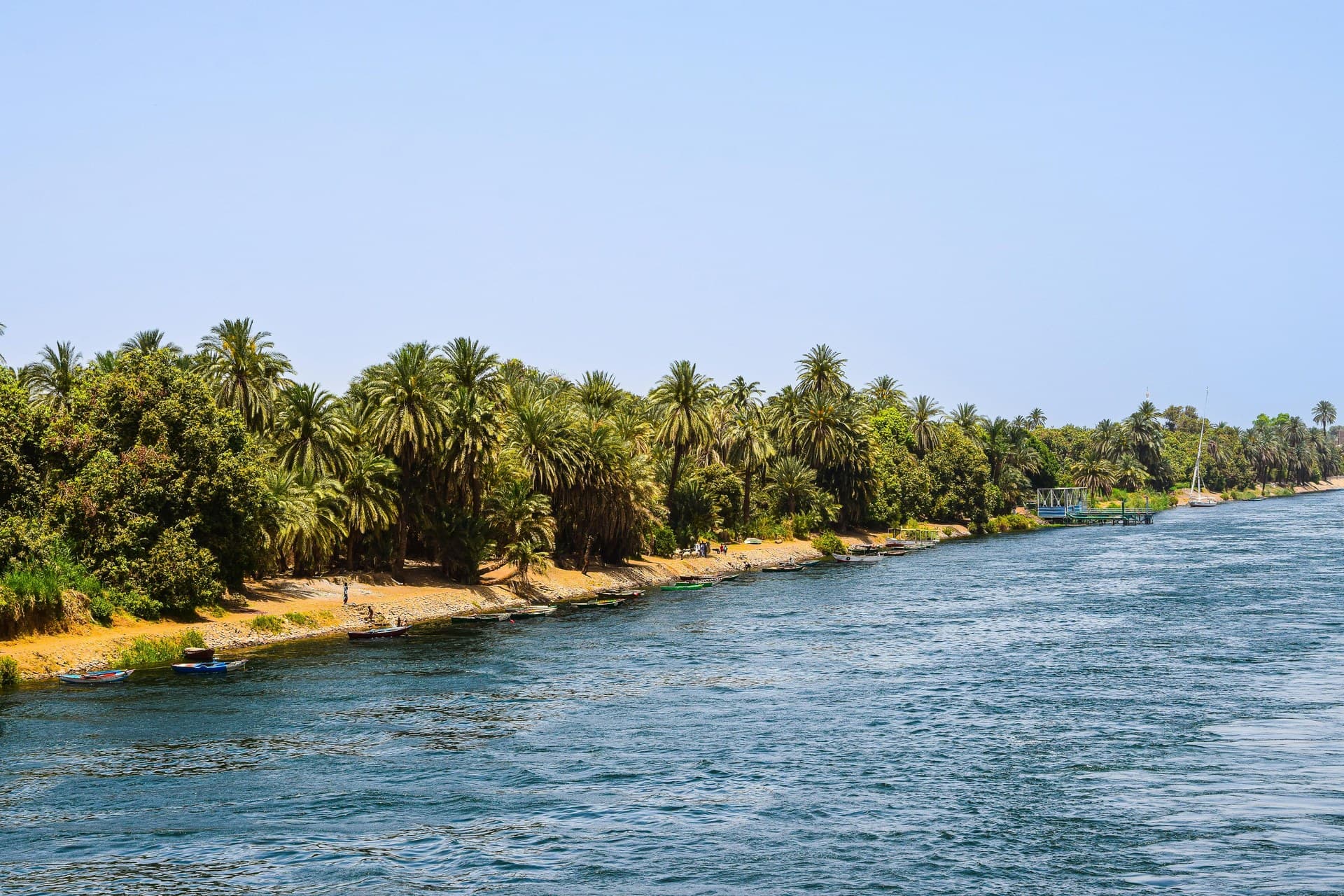
You see the country rather than the highway. From the water the flood plain is unbroken: cane fields, buffalo, mud-brick villages, mango and date palms, children on the bank, and then, without transition, the desert cliff. From a coach you see none of it.

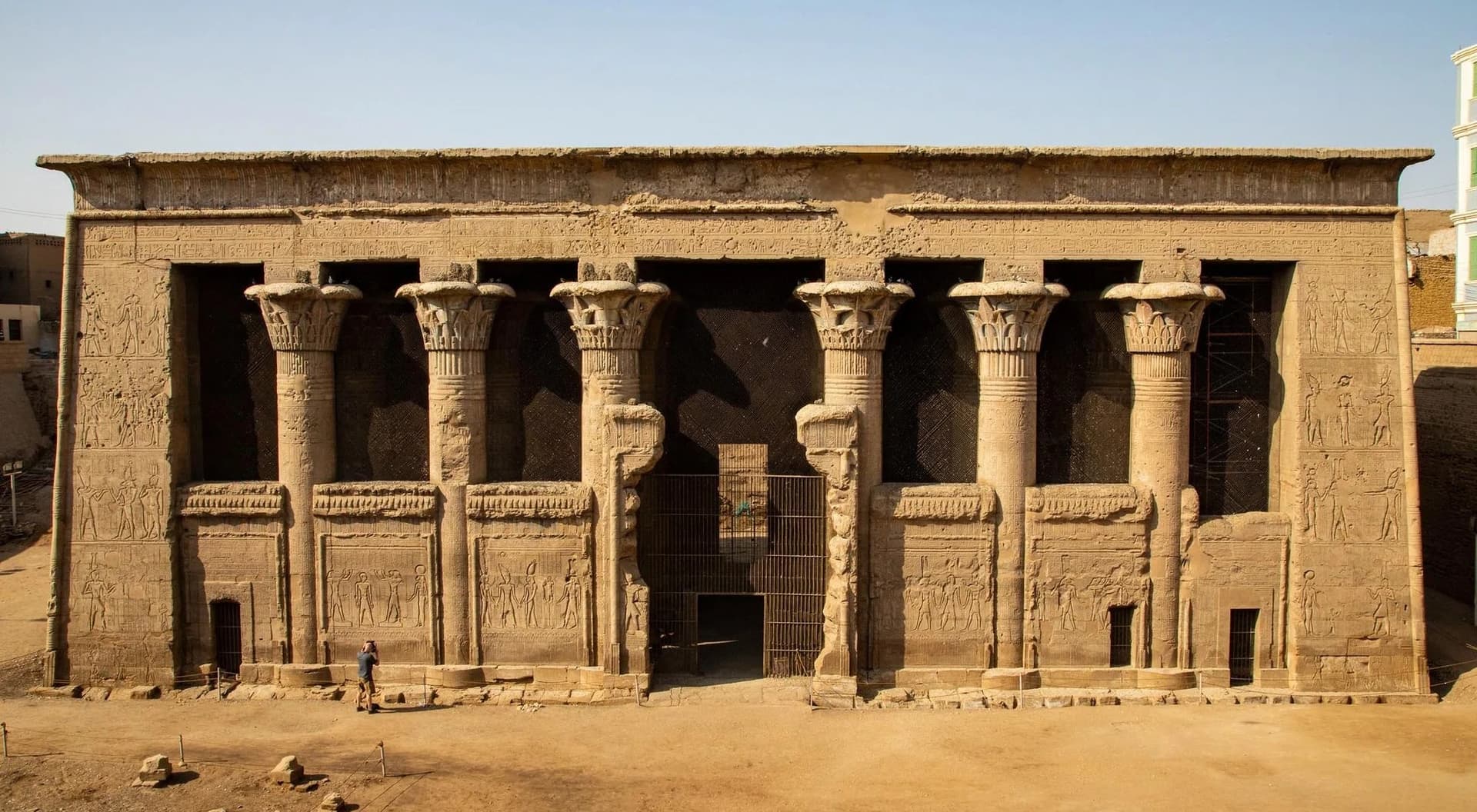
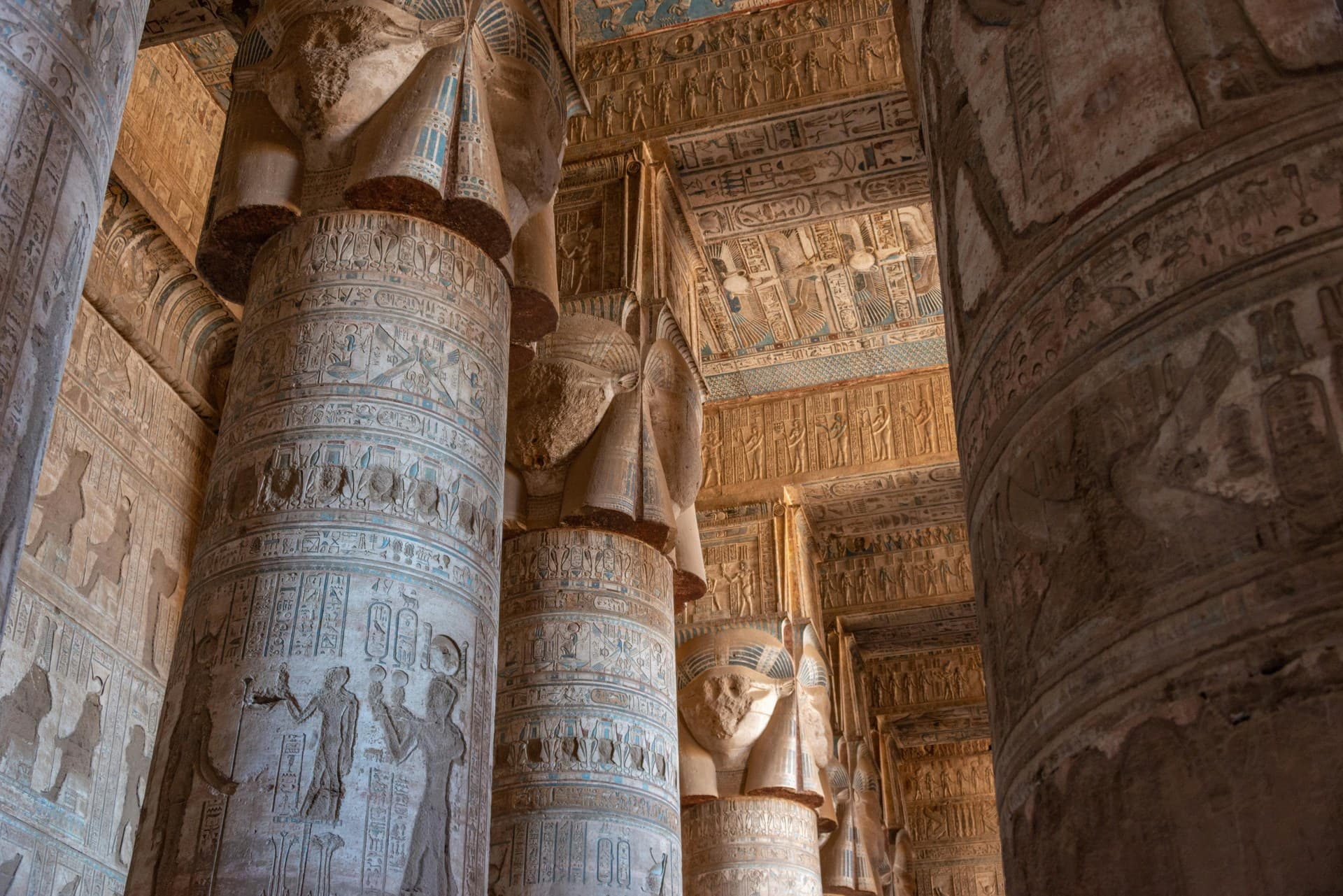
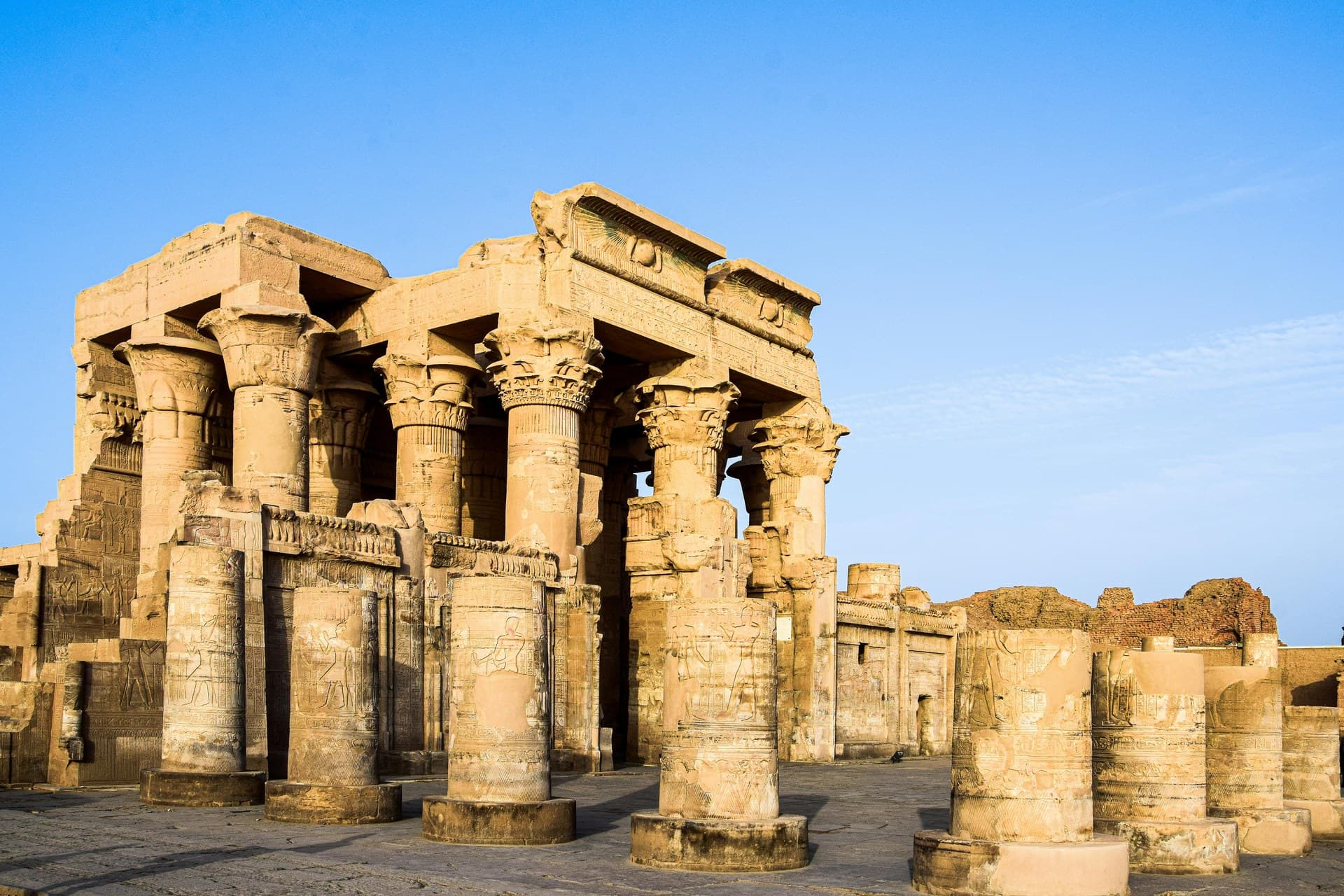
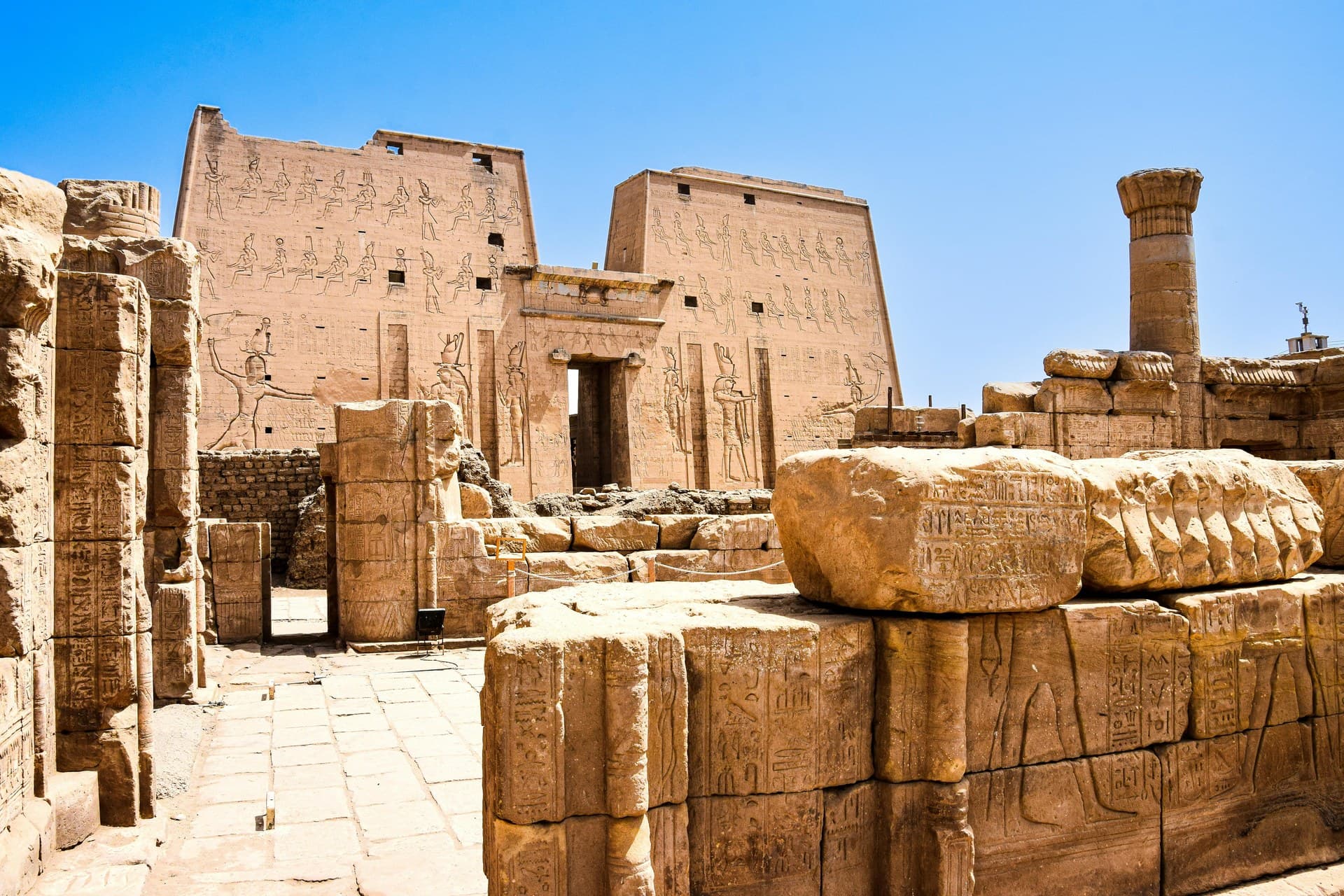
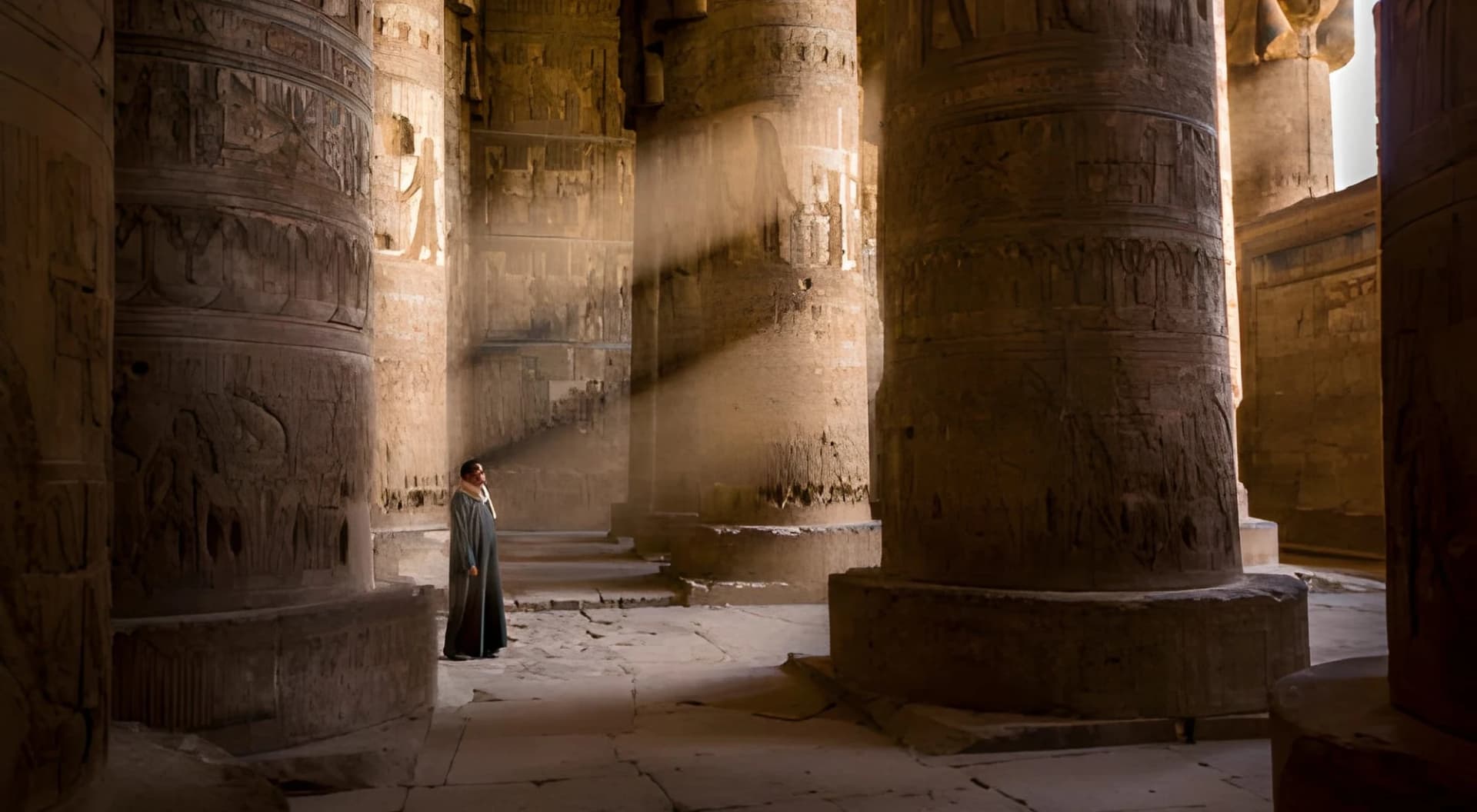
The temples between Luxor and Aswan — Esna, Edfu, Kom Ombo — were built as river stops. Arriving at them the way they were meant to be arrived at is not a gimmick; it changes how the buildings read.

And it solves the hardest problem in an Egyptian itinerary, which is the distance between Luxor and Aswan. Instead of losing a day to a road transfer, the transfer is the holiday.

History of The Nile River

For most of recorded history the Nile flooded every summer, depositing silt across the flood plain. The height of that flood determined whether Egypt ate. The entire administrative apparatus of ancient Egypt — surveying, taxation, the calendar — was organised around measuring and predicting it.

Measuring that flood was a formal business. Nilometers — stairways cut down to river level, graduated in cubits — survive at Elephantine Island in Aswan and at Edfu and Kom Ombo. The best preserved is on Roda Island in Cairo, built in AD 861 under the caliph al-Mutawakkil, and its reading set the year's tax.

The flood ended in 1970 with the completion of the Aswan High Dam. The switch away from a single silt-fed harvest had begun long before that: perennial irrigation spread across the Delta and Middle Egypt over the previous century, from the Delta Barrages begun in the 1840s to the Aswan Low Dam of 1902 and its two heightenings. What the High Dam did was finish the job in Upper Egypt, where basin irrigation and its one annual crop had survived — and with it the ancient rhythm of the country stopped.

The dam also drowned Nubia. A UNESCO campaign launched in 1960 moved the monuments in its way: Abu Simbel was cut into more than a thousand blocks between 1964 and 1968 and rebuilt about 65 metres higher, and Philae was re-erected on the neighbouring island of Agilkia by 1980.

The river was also the highway. Sailing upstream on the prevailing north wind and drifting downstream on the current, boats moved people, grain, stone and armies. The hieroglyph for travelling south is a boat with a sail up; for travelling north, a boat with the sail down.
What to see at The Nile River

  • The Luxor to Aswan stretch, with Esna, Edfu and Kom Ombo along it
  • The Esna lock, where cruise boats are raised or lowered between levels
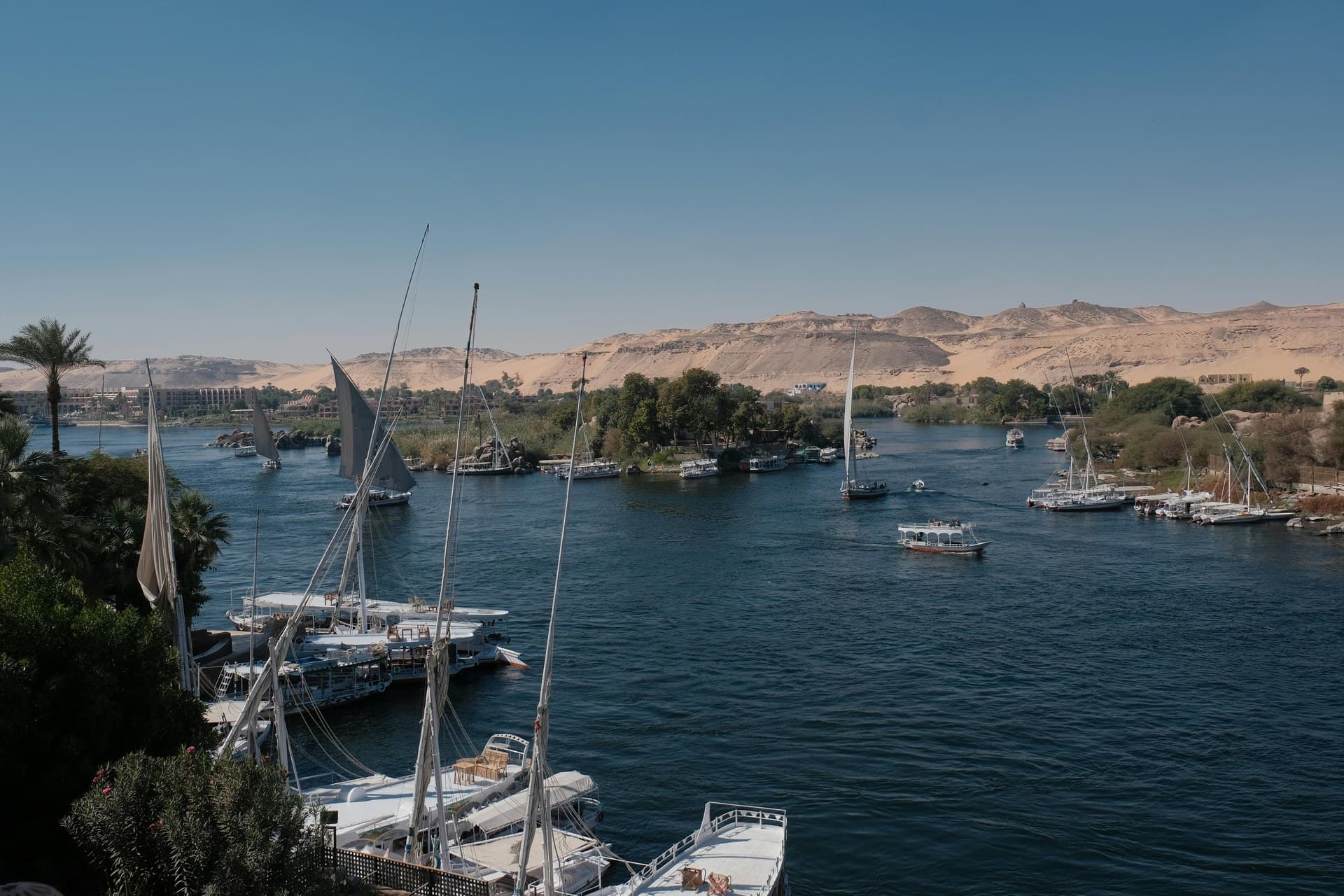
  • The first cataract at Aswan — granite islands and fast water
  • Feluccas under sail — the lateen rig that has worked this river for generations
  • The sharp line where irrigated green stops and desert begins
  • Qubbet el-Hawa, the governors' rock-cut tombs in the cliff above Aswan
  • Kitchener's Island and its botanical garden, reached only by boat

Best time to visit The Nile River

October to April for comfortable temperatures. Cruise boats run year round; summer sailings are hot but quieter and cheaper.

Opening Hours and Tickets

Opening hours: Not applicable — cruise departures follow fixed weekly patterns from Luxor and Aswan.

Booked as a cruise or a boat charter rather than a ticket. Site admissions along the route are usually separate from the cruise fare — check what your programme includes.

Opening hours and ticket prices may change. Please confirm the latest details before visiting.

How to get to The Nile River

The cruise stretch runs between Luxor and Aswan, both of which have airports and rail connections from Cairo.

Nearby Attractions

Tours that include The Nile River

10 Days Egypt and Jordan Tours with Nile Cruise

10 Days Egypt and Jordan Tours with Nile Cruise

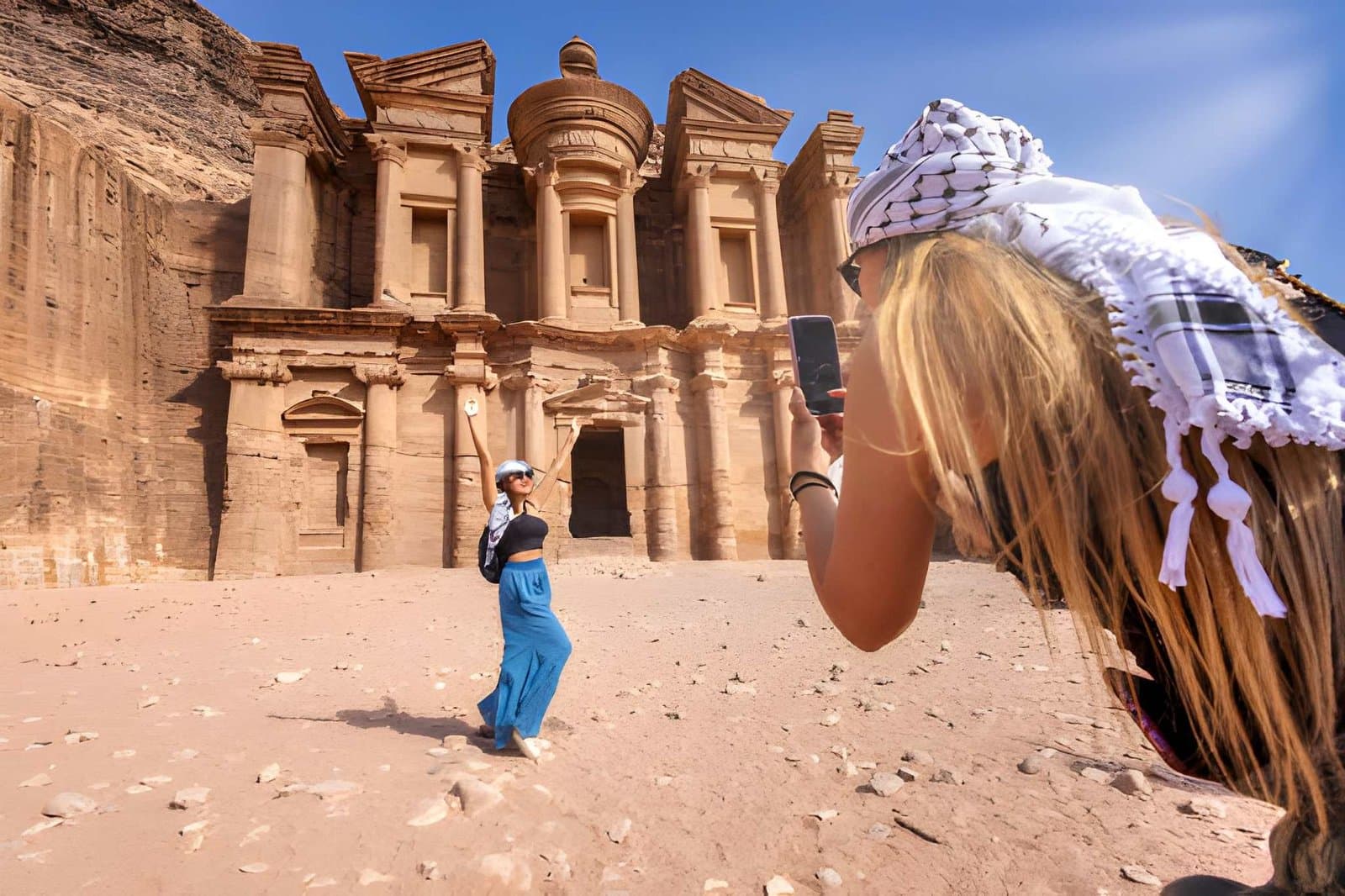
Experience the essence of two ancient civilizations on this 10-day Egypt and Jordan tour with a Nile Cruise. Journey through Egypt’s timeless wonders—from the Great Pyramids and the Sphinx to the temples of Luxor and Aswan—while enjoying the serene beauty of the Nile aboard a luxury cruise. Then, cross into Jordan to uncover the rose-red city of Petra, the Roman ruins of Jerash, and the tranquil waters of the Dead Sea. This itinerary blends history, culture, and comfort for travelers seeking an extraordinary adventure across two legendary lands.

10-Day Egypt Luxury Journey with Dahabiya Nile Cruise

10-Day Egypt Luxury Journey with Dahabiya Nile Cruise

Embark on an extraordinary 10-day luxury expedition through Egypt, blending the cultural treasures of Cairo and Luxor with the serene charm of a 4-night Dahabiya Nile Cruise. Begin in Cairo, where the Giza Pyramids, the Grand Egyptian Museum, and the city’s vibrant atmosphere reveal the essence of ancient and modern Egypt. Continue to Luxor to uncover the grandeur of temples and royal tombs guided by expert Egyptologists. Then, board the elegant Dahabiya Akhnaton to sail the Nile in refined tranquility, visiting hidden gems such as El Kab, Gebel el-Silsila, and Kom Ombo.

8 Days Egypt Highlights Tour with Nile Cruise

8 Days Egypt Highlights Tour with Nile Cruise

Discover the essence of Egypt on this 8-day adventure that blends the country’s most celebrated treasures with the comfort of a luxury Nile cruise. Begin in Cairo, where you’ll marvel at the Pyramids of Giza, explore the Grand Egyptian Museum, and savor authentic Egyptian cuisine. Then fly to Luxor to embark on a deluxe cruise along the Nile, gliding through the heart of ancient civilization. Visit the Valley of the Kings, the temples of Karnak, Edfu, Kom Ombo, and Philae, and journey south to the magnificent Abu Simbel Temples before returning to Cairo for a relaxing finale.

Egypt Nile Cruise Luxury

Egypt Nile Cruise Luxury

Embark on an extraordinary voyage of refinement and discovery with this Egypt Nile Cruise Luxury experience. Sail between Luxor and Aswan aboard a five-star floating hotel where elegance, comfort, and history blend seamlessly. Each day reveals new wonders—from the monumental temples of Karnak and Edfu to the tranquil beauty of the Nile Valley. Relax on the sun deck, savor gourmet meals, and enjoy private guided excursions that bring the ancient world to life.

Egypt and Jordan Itinerary 7 Days

Egypt and Jordan Itinerary 7 Days

Embark on an extraordinary 7-day adventure through two of the world’s most captivating destinations—Egypt and Jordan. Witness the timeless grandeur of the Pyramids of Giza, explore the treasures of the Grand Egyptian Museum, and wander through the ancient streets of Old Cairo. Then, cross into Jordan to marvel at the rose-red city of Petra, float in the mineral-rich waters of the Dead Sea, and stand atop Mount Nebo where history and faith intertwine. This journey blends cultural discovery, historical exploration, and modern comfort into one unforgettable experience.

Best 6 Days Egypt Itinerary

Best 6 Days Egypt Itinerary

Experience the timeless beauty of Egypt on this 6-day adventure through its most iconic destinations. Begin in Cairo with a guided exploration of the Pyramids of Giza, the enigmatic Sphinx, and the remarkable Grand Egyptian Museum. Continue to Luxor to uncover the grandeur of the East and West Banks, including the magnificent Karnak and Luxor Temples, the Valley of the Kings, and the Temple of Queen Hatshepsut. Conclude your journey in Aswan, where you’ll visit the serene Philae Temple, the impressive High Dam, and immerse yourself in the colorful culture of a Nubian Village.

Travel Tips Before Visiting

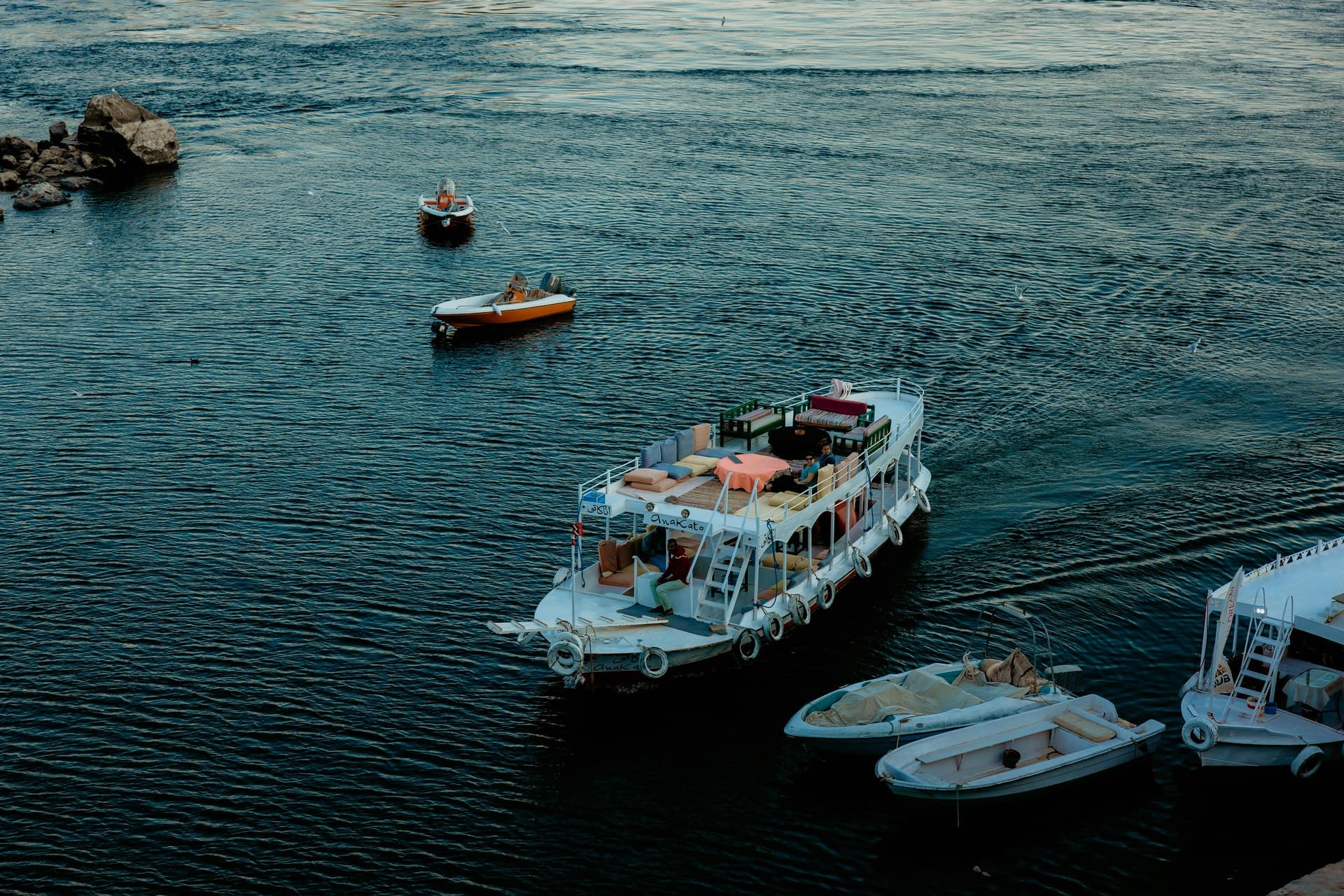
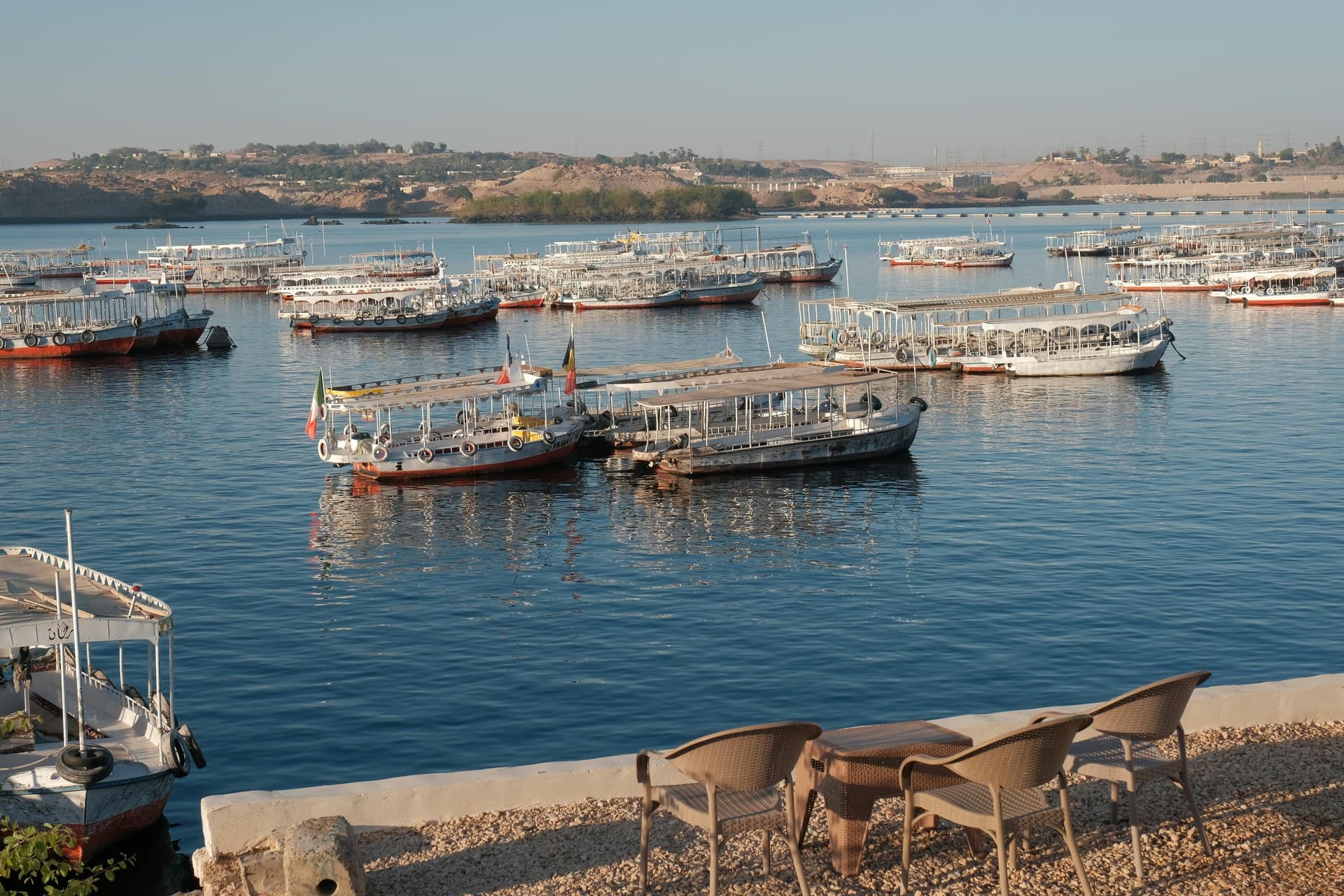
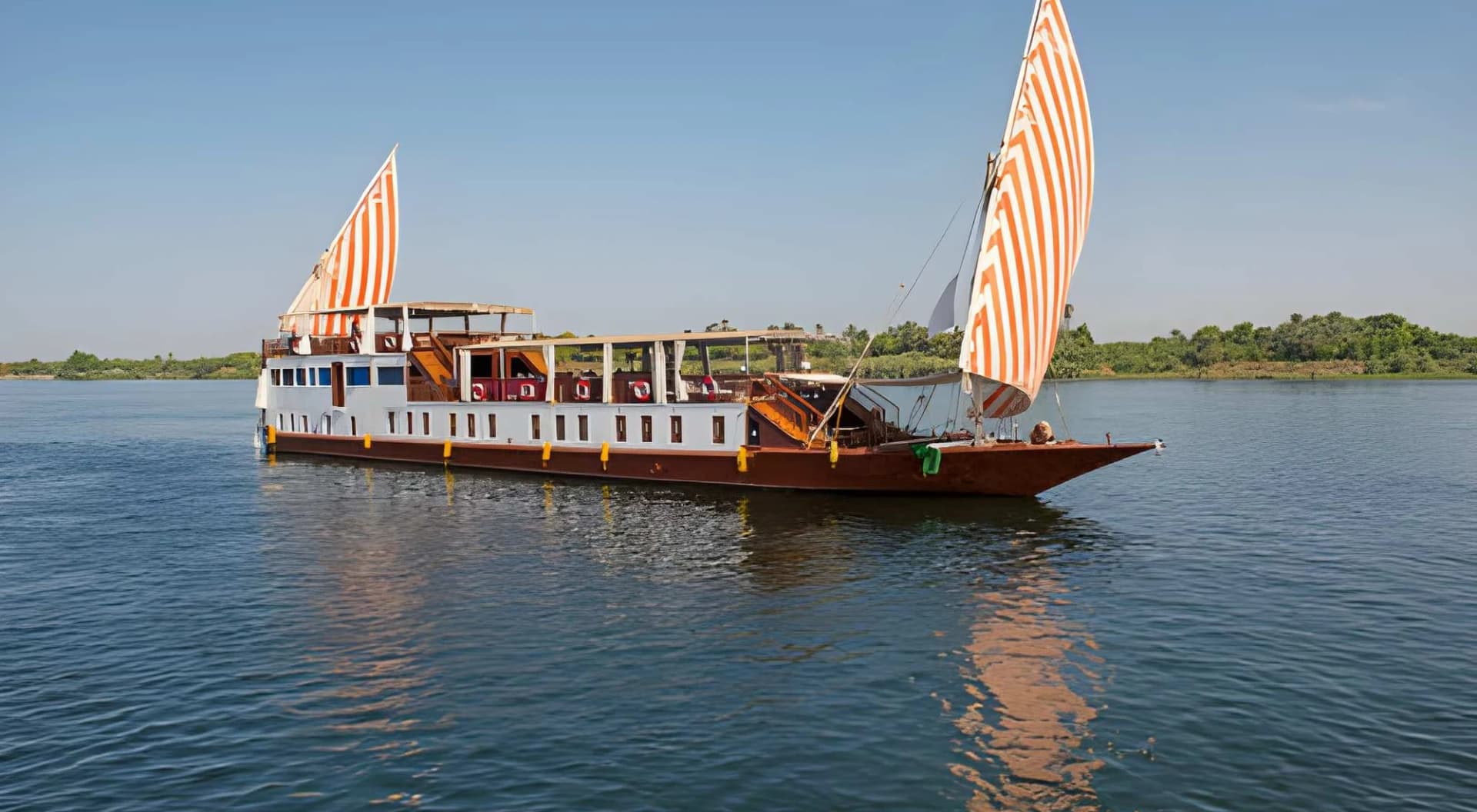
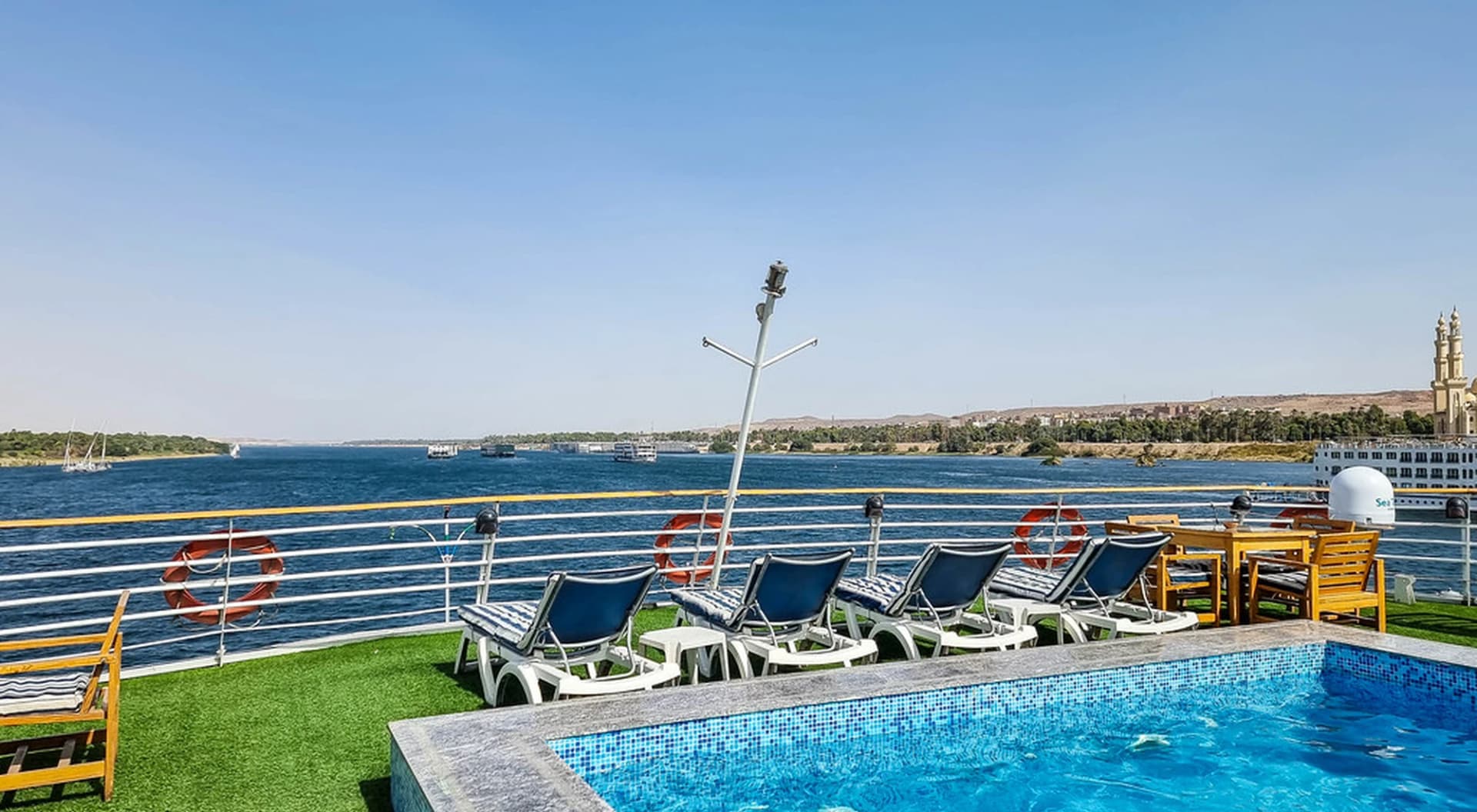
Cruise boat, dahabiya or felucca — they are different holidays. A cruise boat is a floating hotel with a pool and anywhere from around fifty to a hundred and fifty passengers. A dahabiya is a small sailing boat with a handful of cabins, slower and quieter, mooring in places big boats cannot. A felucca is an open day-sailer with no cabins — wonderful for an afternoon, hard work for three days. Direction matters less than people think, but Luxor to Aswan is upstream and usually a day longer. Aswan to Luxor is faster. Book by the boat, not the star rating. Nile boats vary enormously within the same nominal category. Ask for the boat's name and look it up. Boats moor several abreast. At busy stops you cross two or three other boats' reception decks to reach the bank, and your window may face a neighbour's cabin rather than the river.